

BLOG
Pellet machine engineering improves poultry feed processing efficiency and nutrient stability.
Automatic feed mill systems reduce raw material waste and optimize transportation density.
Commercial poultry feed production supports better FCR performance and stable flock uniformity.
Industrial feed pellet equipment increases automation compatibility inside modern poultry farms.
Integrated poultry farming solutions improve operational profitability through controlled feed technology.
Get professional poultry farm construction guidance, equipment selection solutions, and the latest price lists, whatsApp to +8618830120193, click to learn more:
Pellet Machines Transform Modern Poultry Feed Production
Modern poultry farms require stable feed quality, controlled particle structure, and efficient feed transportation systems.
Pellet machines convert powder feed ingredients into compact feed particles through pressure, steam conditioning, and die compression technology.
Industrial feed pellet equipment has become essential for commercial broiler farms, layer farms, and integrated feed factories because feed usually represents 65%–75% of total production expenses.
Commercial poultry feed systems using pellet technology commonly improve feed utilization efficiency while reducing feed waste during storage and transportation.
Feed pellet manufacturing also improves automatic feeding system stability inside tunnel ventilation poultry houses and closed poultry farming projects.
Data is for reference only.Swipe horizontally to view full table.
Steam conditioning remains one of the most critical stages during feed pellet production because starch gelatinization directly affects
pellet hardness and feed digestibility.
Industrial poultry feed mills generally maintain conditioning temperatures above 80°C to improve pellet durability and reduce bacterial contamination risks.
Pellet Machines Improve Feed Conversion Ratio
Feed conversion ratio directly influences poultry farm profitability because feed costs dominate total operational expenditure.
Pellet feed improves nutrient intake consistency because compressed feed particles prevent ingredient separation during transportation and feeding.
Broiler chickens consuming pellet feed generally require lower feed intake to achieve target body weight compared with birds consuming mash feed.
Commercial poultry farming operations commonly report measurable FCR improvement after installing poultry feed pellet machines.
Data is for reference only.Swipe horizontally to view full table.
A poultry farm producing 120,000 broilers per cycle may reduce total feed consumption by approximately 96 metric tons after improving FCR from 1.90 to 1.58.
At feed prices reaching $420 per metric ton, operational savings may exceed $40,000 per production cycle. EU standard reference only.
Commercial poultry feed manufacturing therefore remains one of the most important investments inside modern poultry engineering systems.
Scientific Explanation Of Pellet Feed Digestibility
Pellet feed processing changes feed particle structure and improves starch digestibility through steam conditioning technology.
Heat and moisture partially gelatinize starch molecules, allowing digestive enzymes to break down nutrients more efficiently inside the poultry intestinal tract.
Pellet feed also reduces selective feeding behavior because each pellet contains balanced nutritional composition.
Broiler chickens therefore consume protein, vitamins, amino acids, and minerals more uniformly during every feeding period.
Data is for reference only.Swipe horizontally to view full table.
Improved nutrient utilization supports faster muscle growth and better production stability inside high-density poultry farming projects.
Commercial broiler farms using industrial feed pellet equipment commonly achieve more uniform flock development during entire growing cycles.
Pellet Machines Reduce Feed Waste During Poultry Production
Feed waste creates hidden financial losses inside poultry farming systems.
Powder feed generates dust during transportation, silo storage, and automatic feeding operations
Loose feed particles also fall outside feeding pans during bird activity, increasing material losses and reducing environmental cleanliness.
Pellet feed solves these problems because compressed particles maintain stronger structural integrity during handling processes.
Data is for reference only.Swipe horizontally to view full table.
Lower feed loss improves inventory management efficiency and reduces unnecessary raw material consumption.
Large poultry farms operating multiple poultry houses may save several tons of feed every week after converting from mash feed to pellet feed systems.
Dust reduction also improves feeding equipment lifespan because fine particles accumulate less frequently inside motors, conveyors, and chain feeding systems.
Pellet Feed Supports Better Poultry House Air Quality
Air quality management remains extremely important inside commercial poultry houses because excessive dust and ammonia negatively affect bird respiratory health.
Mash feed generates more airborne particles during bird movement and feeding activity.
Dust particles combine with manure moisture and ammonia gases, increasing environmental stress inside closed poultry farming systems.
Pellet feed significantly reduces airborne feed particles because larger feed structures remain stable during feeding operations.
Data is for reference only.Swipe horizontally to view full table.
Lower dust concentration supports healthier poultry respiratory systems and reduces cleaning requirements inside automatic ventilation equipment.
Tunnel ventilation poultry farms therefore increasingly prefer pellet feed systems for high-density broiler production projects.
Pellet Machines Improve Feed Storage And Transportation Efficiency
Feed transportation efficiency directly affects operational cost inside integrated poultry farming companies.
Mash feed occupies larger storage volume because loose powder particles contain lower density compared with pellet feed.
Pellet feed improves storage utilization because compact feed particles increase transportation density and silo efficiency.
Commercial poultry feed systems therefore reduce fuel consumption and transportation frequency after adopting pellet production technology.
Data is for reference only.Swipe horizontally to view full table.
Integrated poultry companies transporting more than 300 tons of feed daily may significantly reduce transportation expenses through higher density pellet feed systems.
Fuel savings and lower transportation frequency help poultry businesses improve long-term operational efficiency.
Internal Engineering Structure Of Poultry Feed Pellet Machines
Industrial poultry feed pellet machines combine high-pressure mechanical components with controlled steam conditioning systems.
Continuous industrial operation requires strong wear resistance because feed pelletizing generates intense friction and mechanical pressure.
Ring dies, rollers, bearings, and gearboxes directly influence pellet quality and machine production capacity.
Industrial poultry feed factories commonly operate pellet lines continuously for 16–24 hours every day.
Data is for reference only.Swipe horizontally to view full table.
High-quality alloy steel dies improve pellet durability and reduce unnecessary machine downtime during commercial poultry feed production.
Proper roller adjustment and lubrication management also improve energy efficiency during continuous operation.
Pellet Feed Improves Poultry Growth Uniformity
Uniform flock growth simplifies poultry farm management and improves slaughterhouse processing efficiency.
Large body weight variation increases feeding management difficulty and creates inconsistent harvesting schedules.
Pellet feed improves nutrient intake consistency because all birds consume balanced feed particles with similar nutritional composition.
Commercial broiler farms therefore achieve more stable body weight distribution after adopting industrial feed pellet equipment.
Data is for reference only.Swipe horizontally to view full table.
Improved flock uniformity supports automated poultry processing systems because carcass sizes remain more consistent during slaughter operations.
Lower mortality rates also improve production profitability inside commercial broiler farming projects.
Pellet Size Selection For Different Poultry Categories
Pellet diameter directly affects feed intake behavior and bird feeding efficiency.
Young chicks require smaller feed particles because oversized pellets reduce feeding accessibility during early development stages.
Adult broilers and layer hens consume larger pellets more efficiently because stronger beaks improve feed handling ability.
Proper pellet size selection reduces unnecessary feed breakage and supports stable flock growth performance.
Data is for reference only.Swipe horizontally to view full table.
Commercial poultry feed mills commonly produce multiple pellet sizes according to different poultry species and production stages.
Accurate pellet sizing supports efficient feed consumption and improves automatic feeding system compatibility.
Pellet Machines Support Poultry Farm Automation
Modern poultry farming increasingly depends on automated feeding, ventilation, and environmental control systems.
Stable feed flow characteristics become extremely important inside automatic chain feeding systems and feed silo discharge operations.
Pellet feed improves mechanical stability because compressed feed particles move more uniformly through conveyors and feed lines.
Commercial poultry farms therefore experience fewer feeding interruptions after converting to pellet feed systems.
Data is for reference only.Swipe horizontally to view full table.
Reduced labor requirements improve operational efficiency inside large-scale poultry farming projects.
Automatic poultry feed systems also support more accurate feeding management during intensive broiler production cycles.
Energy Consumption And Pellet Machine Production Capacity
Pellet machine capacity selection directly influences feed mill production planning and energy management.
Small poultry farms generally require lower output systems, while integrated feed factories often operate multiple industrial pellet lines simultaneously.
Motor power, production output, and electricity consumption should match actual feed demand to avoid unnecessary operating expenses.
Data is for reference only.Swipe horizontally to view full table.
Large poultry feed factories producing more than 800 tons daily commonly integrate intelligent automation systems for continuous production monitoring.
Energy-efficient poultry feed pellet machines help reduce long-term electricity expenses during industrial operation.
Maintenance Strategies For Long-Term Pellet Machine Stability
Industrial pellet machines operate under continuous mechanical pressure and elevated operating temperatures.
Preventive maintenance remains essential for maintaining stable pellet quality and reducing production downtime.
Routine inspections allow operators to detect die wear, roller imbalance, bearing overheating, and steam instability before serious mechanical failures occur.
Professional maintenance management also extends component lifespan and improves overall production reliability.
Data is for reference only.Swipe horizontally to view full table.
Well-maintained poultry feed pellet machines commonly operate efficiently for more than 10 years inside commercial feed factories.
Stable maintenance management also reduces spare part replacement frequency and improves long-term production efficiency.
Frequently Asked Questions
Q1: What is the main advantage of pellet feed for broiler farms?
Pellet feed improves feed conversion ratio, reduces feed waste, and increases flock uniformity during commercial broiler production.
Industrial poultry feed pellet machines also improve automatic feeding efficiency inside large poultry houses.
Q2: How much electricity does a commercial pellet machine consume?
Medium commercial poultry feed pellet machines producing 5 tons per hour generally consume approximately 78 kWh during continuous operation.
Actual electricity consumption depends on feed formulation, moisture level, and die compression ratio.
Q3: How long does a poultry feed pellet machine normally operate?
Industrial poultry feed pellet machines commonly operate for more than 10 years when lubrication management, die replacement, and
preventive maintenance procedures remain properly controlled.
Taiyu (HK) Group - One Of China Largest Pellet Machines Manufacturer
Industrial poultry feed pellet machines support efficient commercial feed production systems.
Global factory direct supply reduces equipment procurement and transportation expenses worldwide.
Professional poultry equipment manufacturing supports modern broiler and layer farming projects.
Advanced poultry cage systems improve farm automation and production management efficiency.
Turn-key poultry engineering solutions support complete integrated poultry farm construction.
Contact Us To Received Your Customized Poultry Farm Plan
Headquarters And Branchs
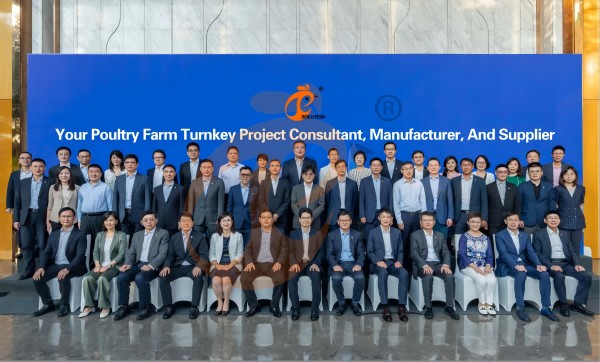
Hong Kong Headquarter Management Team
Hong Kong Headquarter Taiyu Industrial Group CO., LTD
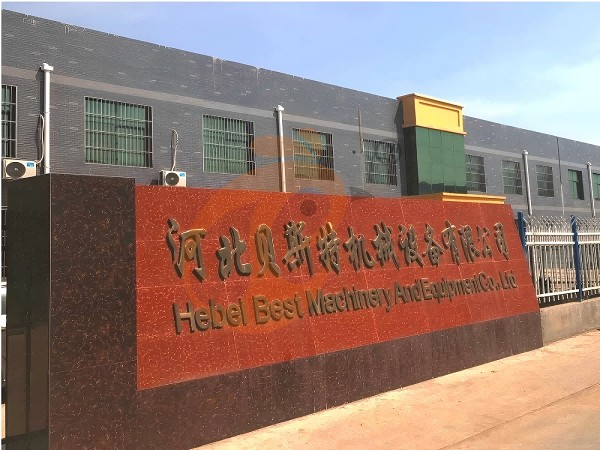
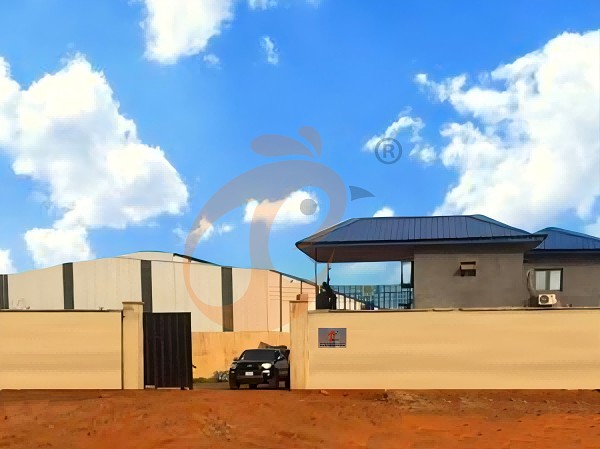
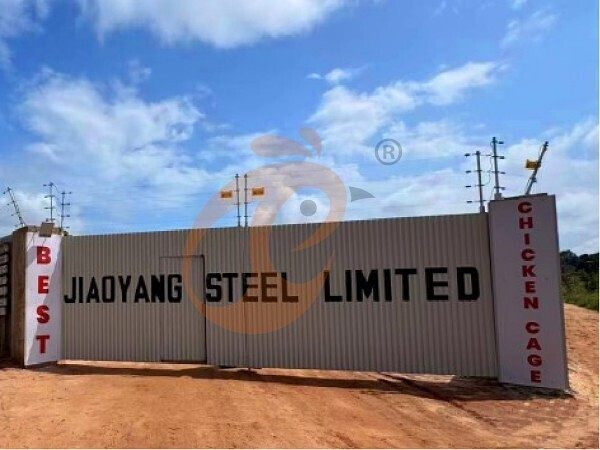
China Hebei Best Machinery And Equipment CO., LTD
Nigeria Vanke Machinery And Equipment CO., LTD
Tanzania Best Machinery And Equipment CO., LTD
Ethiopia Best Hebei Machinery Manufacturing PLC

Reception /24 WhatsApp NO. : +8618830120193
PRODUCTS RECOMMENDED
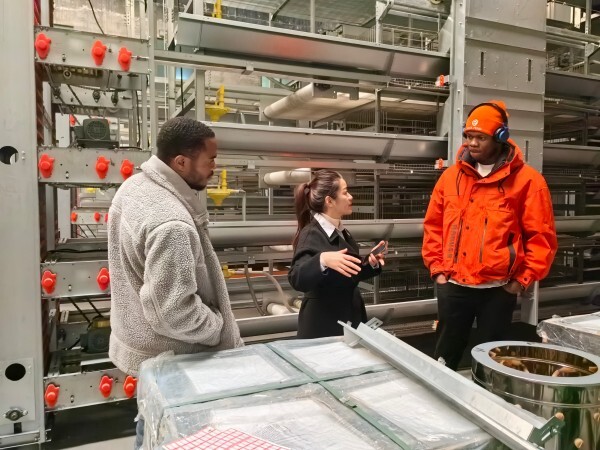
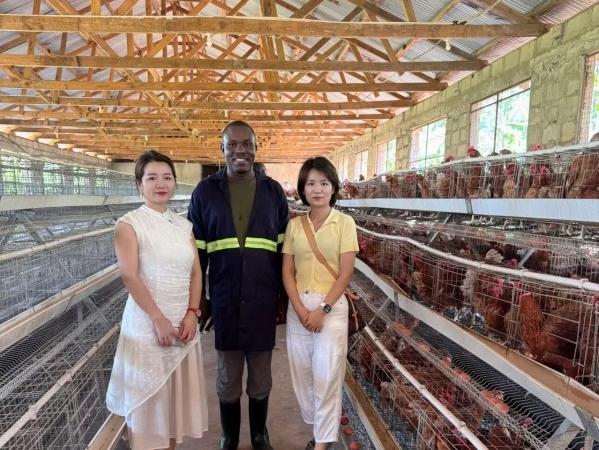
 China Branch Manufacture Poultry Farm EquipmentRead More
 Ethiopia Branch Manufacture Poultry Farm EquipmentRead More
 Nigeria Branch Manufacture Poultry Farm EquipmentRead More
 Tanzania Branch Manufacture Poultry Farm EquipmentRead More
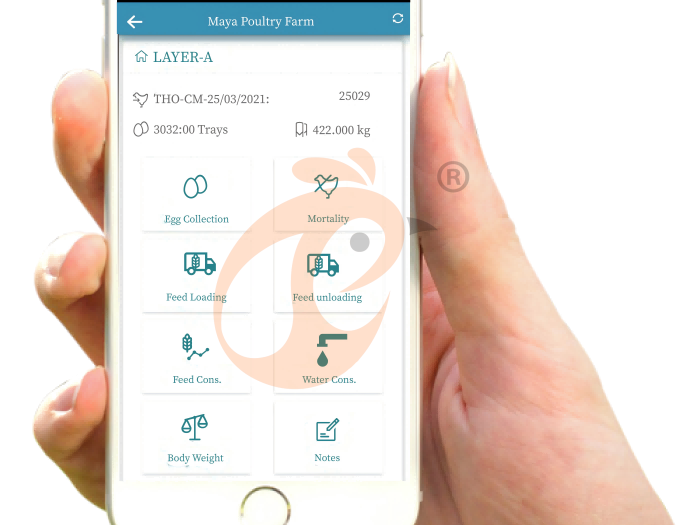
 IoT Smart Poultry FarmRead More
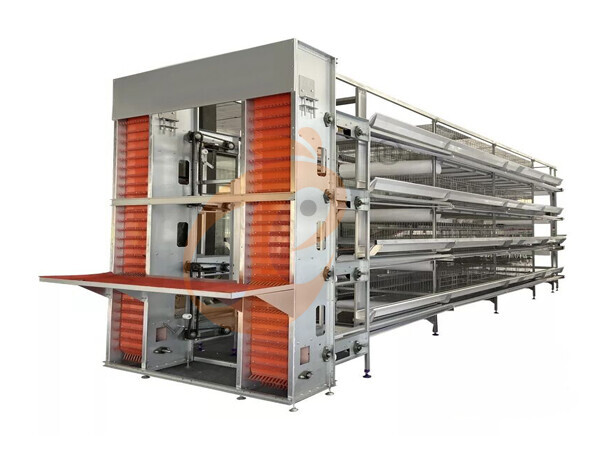
 >30,000 Layers Automatic H Type Battery CageRead More
 10,000 - 30,000 Layers Automatic A Type Battery CageRead More
MESSAGE
NEWS
 How To Choose A Reliable H Type Chicken Cage Supplier For Poultry Farms?Read More
 Floor Rearing System For Layers | Cost, Egg Production And Management TipsRead More
 How To Plan Poultry Farm Equipment Budget | 6 Key FactorsRead More
 How To Reduce Operating Costs With Battery Cage For Layers Systems | 6 TipsRead More