

BLOG
Modern feed manufacturing systems support livestock farming efficiency, aquaculture expansion, and industrial agricultural development worldwide.
High-capacity feed mills improve pellet consistency, optimize raw material utilization, increase automated production stability, and strengthen industrial feed processing performance.
Advanced poultry feed machine systems, animal feed production line solutions, and feed pellet mill equipment technologies create faster processing environments for commercial farms and industrial feed plants.
Intelligent batching systems, automated pelleting technology, and energy-efficient grinding equipment support continuous production growth across poultry, cattle, swine, and aquatic feed sectors internationally.
Industrial feed processing facilities also improve broiler weight gain performance, feed conversion efficiency, and commercial poultry farm profitability through stable nutritional manufacturing standards.
Modern integrated poultry companies commonly manage more than 35 feed formulas simultaneously for starter feed, grower feed, finisher feed, and breeder feed production requirements.
Get professional poultry farm construction guidance, equipment selection solutions, and the latest price lists, whatsApp to +8618830120193, click to learn more:
What Is A High-Capacity Feed Mill?
A high-capacity feed mill is an industrial-scale facility designed to process large volumes of animal feed continuously for poultry farms, layer operations, breeder farms, and commercial livestock facilities.
Modern systems combine automated ingredient batching, hammer mill grinding, steam conditioning, and pellet production technologies inside one coordinated production structure.
Poultry feed machine systems and feed pellet mill equipment now support intensive farming operations requiring uninterrupted feed supply every day.
Industrial feed factories frequently operate with raw material receiving capacities exceeding 60 truckloads daily to maintain continuous production schedules.
Core Characteristics
Data is for reference only.Swipe horizontally to view full table.
Large-scale broiler farming groups often require feed delivery intervals below 6 hours to maintain stable feeding schedules across multiple poultry houses.
Continuous industrial feed production reduces nutrient segregation and improves ingredient distribution consistency during long transportation distances.
Why Feed Production Capacity Matters
Feed production capacity directly influences farm profitability, bird health consistency, and poultry house operational stability.
Broiler chickens consume increasing feed volumes every week, especially during rapid growth phases between day 14 and day 35.
Animal feed production line systems help commercial poultry operations maintain uninterrupted feeding schedules during peak production periods.
Commercial broiler farms containing 12 poultry houses may consume more than 4,500 tons of feed monthly during full production cycles.
Production Bottlenecks Often Include
Grinding particle inconsistency
Delayed steam conditioning
Manual ingredient loading
Slow bagging operations
Pellet breakage during cooling
Conveyor overload interruptions
Feed shortages inside commercial poultry houses can reduce broiler body weight performance rapidly.
Large-scale poultry farms commonly require more than 120 tons of finished feed every day for stable flock development.
Modern feed pellet mill equipment prevents production interruptions through automated process coordination and continuous ingredient transport systems.
Industrial poultry feeding systems also operate most efficiently when feed line refill intervals remain below 14 minutes per feeding cycle.
How Much Can Production Increase?
Industrial feed processing facilities achieve major productivity improvements after automation upgrades and high-speed pelleting installation.
Production increases become especially important for commercial broiler farming companies operating multiple poultry houses simultaneously.
Some integrated poultry corporations increase annual feed supply capacity by more than 180,000 tons after installing dual-line pelleting systems and automated material conveyors.
Estimated Production Increase
Data is for reference only.Swipe horizontally to view full table.
Production growth also improves feed delivery timing across poultry farms.
Faster production cycles allow farm managers to maintain fresh feed inventory while reducing storage deterioration risks inside tropical and humid climates.
Commercial feed silos equipped with automatic aeration systems can extend feed freshness stability for approximately 28 days under controlled storage conditions.
The Science Behind Faster Feed Processing
Feed manufacturing involves controlled engineering stages where temperature, moisture, grinding precision, and pressure directly affect pellet durability and nutritional retention.
Industrial feed mills process grains and protein materials through synchronized systems designed for stable pellet formation.
Proper grinding particle size between 650 and 900 microns commonly improves nutrient digestibility performance in broiler feeding programs.
Key Scientific Processes
Data is for reference only.Swipe horizontally to view full table.
Proper conditioning temperatures improve starch gelatinization and pellet stability for broiler feed production.
Stable pellet quality reduces feed wastage inside poultry houses and improves flock feeding behavior consistency across all growth stages.
Steam moisture addition levels around 3.5% to 4.2% also support improved pellet binding performance during high-speed pelleting operations.
Automation: The Brain Of Modern Feed Mills
Modern feed mills operate through intelligent control systems capable of monitoring ingredient flow, equipment load, steam pressure, and pelleting performance in real time.
Automated management platforms improve production accuracy while reducing labor dependence inside industrial poultry feed factories.
Centralized control rooms now commonly manage more than 1,200 automated operational signals simultaneously within large-scale industrial feed plants.
Benefits Of Automation
Data is for reference only.Swipe horizontally to view full table.
Large poultry feed factories commonly operate three production shifts daily.
Automated systems reduce operational interruptions and support stable feed supply for farms containing multiple broiler houses and layer buildings.
Advanced programmable logic controllers can process over 15,000 operational commands every minute for continuous production coordination.
Energy Consumption And Efficiency
Industrial feed production consumes significant electricity because grinding, pelleting, cooling, and conveying systems operate continuously during production cycles.
Energy-efficient feed pellet mill equipment lowers operational expenses while improving production sustainability.
Large industrial feed factories may consume more than 9 million kWh annually depending on production scale and operating duration.
Energy Comparison
Data is for reference only.Swipe horizontally to view full table.
Energy optimization becomes increasingly important for commercial poultry companies processing more than 500 tons of feed daily.
Lower electricity consumption directly improves operational profitability.
Equipment investment budgets commonly range from $120,000 to $4,500,000 depending on production scale. EU standard reference only.
High-efficiency motors with IE3 and IE4 certification standards can reduce annual industrial electricity expenses substantially during long-term continuous operation.
Pellet Quality: Why It Matters More Than Speed
Increasing production speed without maintaining pellet quality creates serious feeding problems inside poultry farms.
Broken pellets and excessive powder accumulation increase feed waste while reducing broiler feeding uniformity.
Commercial broiler farms frequently target feed wastage levels below 2.5% for stable operational profitability and accurate nutritional intake control.
Pellet Quality Indicators
Data is for reference only.Swipe horizontally to view full table.
Commercial broiler farms require stable pellet texture because birds consume compact pellets more efficiently during rapid growth phases.
High-quality pellets also improve feed conversion performance and reduce feed residue accumulation inside automatic feeding systems.
Pellet cooling airflows between 1.0 and 1.2 cubic meters per second commonly support stable pellet surface hardness during industrial cooling operations.
The Role Of Raw Material Management
Raw material quality directly affects pellet consistency, nutritional retention, and production stability.
Modern feed mills now integrate automated storage silos, moisture sensors, and ingredient transfer systems for improved handling precision.
Industrial storage facilities frequently maintain corn moisture levels below 13% to reduce fungal contamination risks during long-term storage periods.
Common Feed Ingredients
Data is for reference only.Swipe horizontally to view full table.
Ingredient moisture instability can create pellet cracks and steam conditioning problems during production.
Advanced poultry feed machine systems maintain stable ingredient flow rates throughout continuous manufacturing operations.
Modern automated silos may store more than 18,000 tons of grain materials while maintaining controlled ventilation and temperature stability.
High-Capacity Mills In Different Industries
Different livestock sectors require different pellet diameters, nutritional structures, and feed processing standards.
Poultry feed commonly requires smaller pellet sizes compared with cattle and aquatic feed products.
Commercial layer farms generally consume calcium-enriched feed formulas throughout the entire egg production cycle lasting approximately 72 to 80 weeks.
Industry Applications
Data is for reference only.Swipe horizontally to view full table.
Aquaculture feed processing requires precise pellet density control because floating pellets must remain stable in water environments for extended feeding durations.
Floating fish feed commonly requires water stability periods exceeding 25 minutes for efficient aquatic feeding performance.
Financial Return On Investment
Installing industrial feed production systems requires significant capital planning for equipment, factory construction, electrical systems, and storage facilities.
European union standard reference only.
Long-term operational savings commonly justify investment expansion for large poultry farming groups.
Industrial feed plants supplying integrated poultry companies often maintain annual contract supply volumes exceeding 220,000 tons of finished feed products.
Return On Investment Factors
Data is for reference only.Swipe horizontally to view full table.
Industrial poultry feed factories frequently recover installation investments within three to six years depending on production scale and regional feed demand.
Faster production output also improves order fulfillment capability for commercial poultry farm customers.
Automated bulk loading systems may complete 30-ton truck loading operations within approximately 11 minutes during peak dispatch periods.
Environmental Impact And Sustainability
Modern agriculture increasingly focuses on emission reduction, resource optimization, and cleaner industrial manufacturing systems.
High-capacity feed mills improve sustainability performance through controlled processing technologies and efficient ingredient utilization.
Industrial dust collection systems commonly capture more than 95% of airborne feed particles during grinding and pelleting operations.
Sustainability Advantages
Reduced dust emissions during grinding operations
Lower fuel consumption per ton of feed produced
Reduced feed wastage inside poultry feeding systems
Improved ingredient utilization during batching stages
Lower airborne particulate accumulation inside factories
Advanced dust filtration systems improve industrial workplace conditions while supporting cleaner poultry feed manufacturing environments.
Sustainable production systems also improve long-term operational stability for commercial agricultural enterprises.
Modern cyclone separation systems can process airflow volumes exceeding 48,000 cubic meters per hour during continuous industrial production.
Challenges Of Scaling Up Production
Large-scale feed production systems require stable infrastructure, technical management, and continuous equipment maintenance.
Expanding production capacity without operational planning may reduce factory efficiency.
Industrial feed factories commonly schedule preventive maintenance inspections every 480 operational hours to reduce unexpected equipment shutdown risks.
Common Challenges
Data is for reference only.Swipe horizontally to view full table.
Industrial poultry feed factories often install backup generators and preventive maintenance systems for uninterrupted production continuity.
Technical workforce training also remains essential for stable automated operation.
Industrial steam boilers supplying feed mills may operate at pressures between 0.6 MPa and 1.0 MPa during high-volume pelleting cycles.
Smart Feed Mills And The Future Of AI
Artificial intelligence technologies are transforming industrial feed manufacturing through intelligent monitoring systems, predictive maintenance software, and automated production optimization platforms.
Future feed mills may achieve fully synchronized production management with minimal manual intervention.
Some industrial software platforms already analyze more than 50 production variables simultaneously for dynamic operational adjustment.
Emerging Technologies
Data is for reference only.Swipe horizontally to view full table.
Advanced animal feed production line systems may eventually adjust formulations automatically according to seasonal climate changes, bird growth stages, and ingredient market fluctuations.
Intelligent software integration also improves production forecasting accuracy for commercial poultry farming groups.
Automated visual inspection systems can now identify pellet surface defects within 0.8 seconds during conveyor transportation.
Case Study Example
A medium-sized poultry feed manufacturer upgraded from a 100-ton-per-day factory into a fully automated industrial production system supporting multiple commercial poultry farms.
The upgraded facility installed four ingredient receiving pits, eight finished product silos, and a centralized automated dispatch system for regional farm distribution.
Broiler farm demand in the service area reached 420 tons of feed consumption per day after expansion of three integrated poultry clusters.
Before Vs After Upgrade
Data is for reference only.Swipe horizontally to view full table.
The upgraded facility improved regional feed supply stability while supporting rapid broiler farm expansion projects.
In addition, average broiler market weight reached 2.85 kg within 42 days due to more stable feed availability.
Feed transportation scheduling efficiency improved because dispatch vehicles completed more than 40 daily loading cycles after automation modernization.
Frequently Asked Questions
Q1: What production capacity can modern feed mills achieve?
Modern industrial feed mills commonly produce between 300 and 2,000 tons daily depending on pelleting configuration, storage systems, and automation integration levels.
Large poultry farming companies frequently select production capacities above 500 tons daily for stable commercial feed supply.
Multi-line industrial facilities may operate more than 8,000 production hours annually under continuous operation models.
Q2: Why does automation improve feed production stability?
Automation systems maintain accurate ingredient batching, stable steam conditioning, and continuous material transport during production cycles.
Intelligent monitoring platforms reduce unexpected stoppages by detecting abnormal vibration levels below 2.5 mm/s in key rotating equipment.
Automated systems also synchronize pellet cooling timing within ±20 seconds to improve final product uniformity.
Q3: Which industries benefit most from high-capacity feed mills?
Broiler farming, layer farming, swine production, dairy farming, aquaculture operations, and pet food manufacturing industries benefit significantly from advanced feed processing technologies.
Commercial poultry operations with more than 80,000 birds per site require stable daily feed output above 110 tons to maintain growth consistency.
Integrated livestock corporations benefit most due to multi-farm centralized feed distribution networks.
Taiyu (HK) Group - One Of China Largest High-Capacity Feed Mills Manufacturer
Professional high-capacity feed mill systems support industrial poultry and livestock feed manufacturing operations worldwide.
Global factory-direct supply solutions provide equipment delivery supporting production capacities from 80 tons/day to 1,500 tons/day.
Advanced poultry equipment systems improve broiler feeding efficiency, layer production stability, and farm automation performance across large-scale operations.
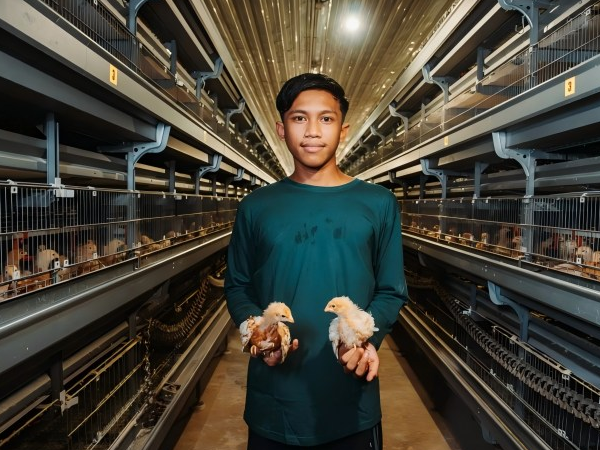
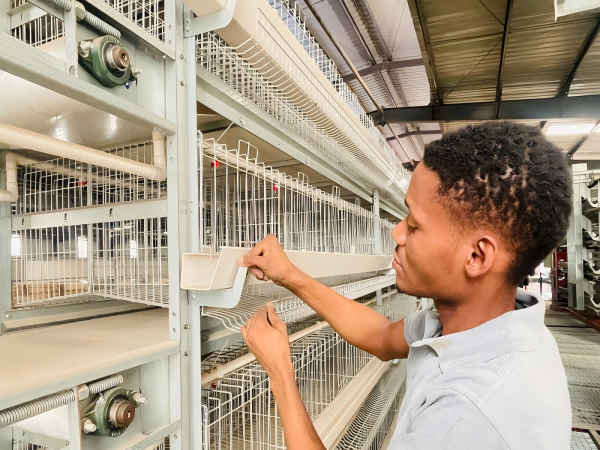
Poultry cage systems and feeding integration structures support intensive farming environments with high-density bird management requirements.
Turn-key engineering services include plant layout design, installation supervision, and full production commissioning for industrial feed factories.
Contact Us To Received Your Customized Poultry Farm Plan
Headquarters And Branchs

Hong Kong Headquarter Management Team
Hong Kong Headquarter Taiyu Industrial Group CO., LTD
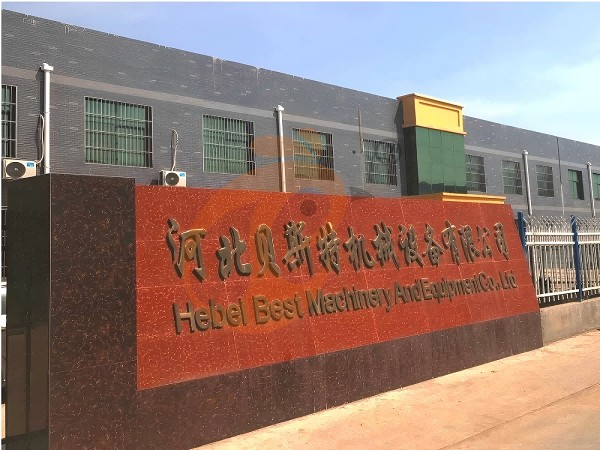
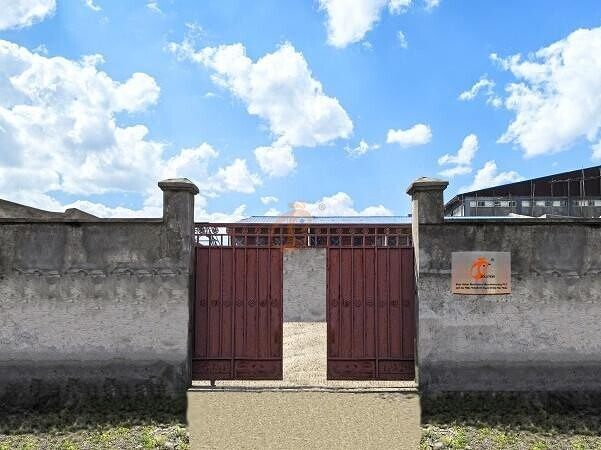
China Hebei Best Machinery And Equipment CO., LTD
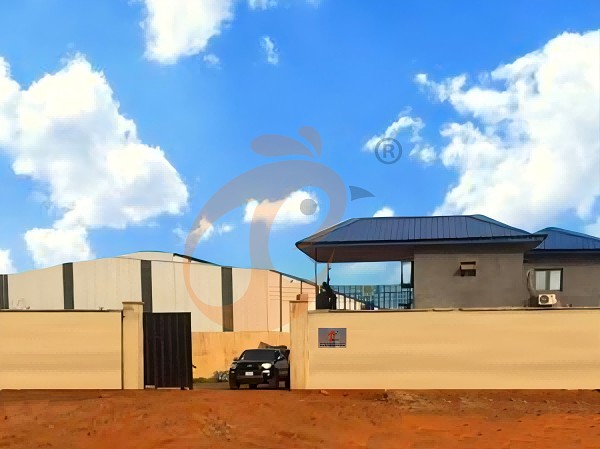
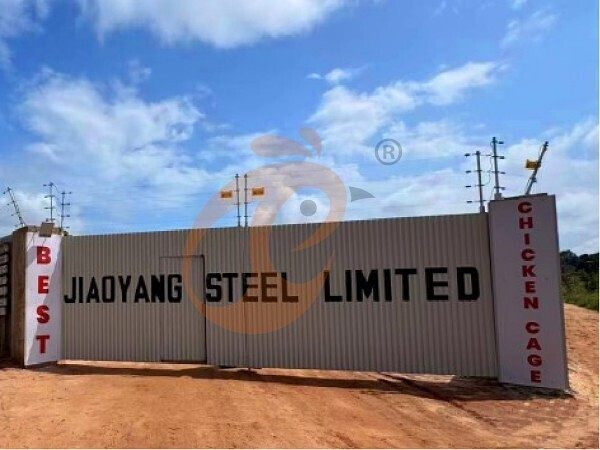
Nigeria Vanke Machinery And Equipment CO., LTD
Tanzania Best Machinery And Equipment CO., LTD
Ethiopia Best Hebei Machinery Manufacturing PLC
Reception /24 WhatsApp NO. : +8618830120193
PRODUCTS RECOMMENDED
 China Branch Manufacture Poultry Farm EquipmentRead More
 Ethiopia Branch Manufacture Poultry Farm EquipmentRead More
 Nigeria Branch Manufacture Poultry Farm EquipmentRead More
 Tanzania Branch Manufacture Poultry Farm EquipmentRead More
 IoT Smart Poultry FarmRead More
 >30,000 Layers Automatic H Type Battery CageRead More
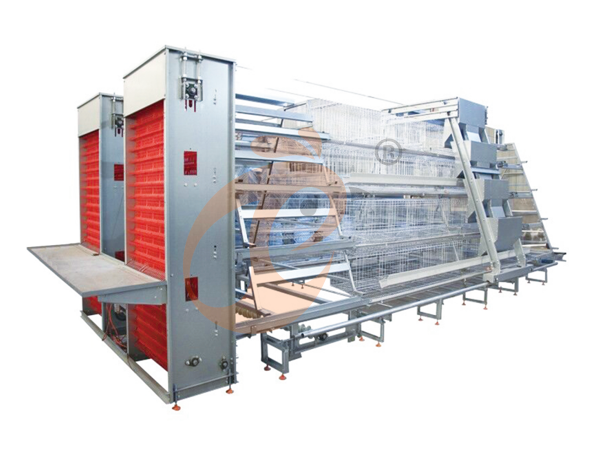
 10,000 - 30,000 Layers Automatic A Type Battery CageRead More
MESSAGE
NEWS
 How To Choose A Reliable H Type Chicken Cage Supplier For Poultry Farms?Read More
 Floor Rearing System For Layers | Cost, Egg Production And Management TipsRead More
 How To Plan Poultry Farm Equipment Budget | 6 Key FactorsRead More
 How To Reduce Operating Costs With Battery Cage For Layers Systems | 6 TipsRead More