

BLOG
Commercial floor rearing poultry farming supports large-scale broiler production with flexible poultry house engineering structures.
Automatic poultry feeding system integration improves feed distribution precision and reduces daily labor consumption.
Tunnel ventilation poultry house design stabilizes environmental airflow and decreases litter moisture accumulation risks.
Modern broiler farming equipment combines nipple drinking systems, cooling pads, feed silos, and environmental controllers.
Scientific poultry farm management improves FCR performance, flock uniformity, production stability, and operational profitability.
Get professional poultry farm construction guidance, equipment selection solutions, and the latest price lists, whatsApp to +8618830120193, click to learn more:
Floor Rearing Poultry Farming System Structure
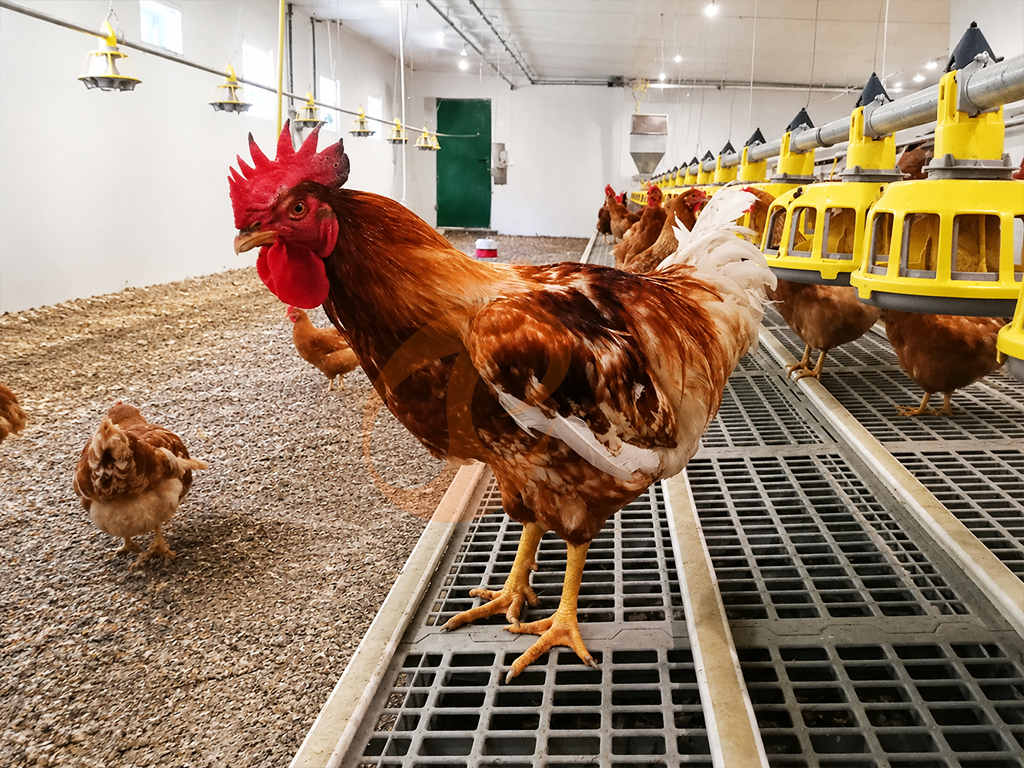
Floor rearing poultry farming allows broiler chickens to move freely inside litter-covered poultry houses instead of remaining inside cage systems.
Commercial poultry farming projects widely adopt automatic poultry feeding system technology because uniform feed distribution directly affects body weight consistency and final production efficiency.
Rice husk, chopped straw, and wood shavings remain common litter materials because moisture absorption performance supports stable poultry house conditions.
Modern poultry equipment integrated into floor systems normally includes automatic pan feeding lines, nipple drinking systems, exhaust ventilation fans, cooling pads, environmental controllers, and feed storage silos.
Data is for reference only.Swipe horizontally to view full table.
Proper poultry house structure design improves airflow circulation efficiency and reduces internal temperature fluctuation during seasonal climate variation.
Precision Temperature Management
Temperature management directly affects chick survival percentage, digestive activity, immune development, and daily feed intake performance.
Newly hatched broiler chicks require external heating because body temperature regulation capacity remains unstable during early growth stages.
Commercial poultry farms commonly install automatic environmental controllers connected with gas brooders and tunnel ventilation systems to maintain stable temperature distribution.
Cold stress reduces feed consumption and slows muscle development, while excessive heat increases respiratory pressure and dehydration risks.
Data is for reference only.Swipe horizontally to view full table.
Uneven temperature zones inside poultry houses often create flock crowding behavior near heating equipment or ventilation openings.
Modern broiler farming equipment helps maintain temperature variation within ±1.5°C throughout the poultry production building.
Maintain Dry And Stable Litter Conditions
Litter management remains one of the most important operational factors inside floor rearing poultry farming systems because birds remain in continuous contact with the production floor.
Poor litter conditions increase ammonia release, bacterial contamination pressure, and footpad lesion incidence.
Wet litter surrounding nipple drinking systems usually develops after excessive water leakage or insufficient ventilation airflow.
Commercial poultry farming projects commonly maintain litter moisture below 25% to reduce harmful gas accumulation and support healthier bird movement.
Data is for reference only.Swipe horizontally to view full table.
Daily litter turning operations improve moisture evaporation efficiency and reduce floor compaction during later broiler growth stages.
Professional poultry farm management also includes immediate removal of wet litter surrounding water pipelines and drinking areas.
Optimize Poultry Feeding Efficiency
Feed normally represents approximately 65%–72% of total broiler production expenditure inside commercial poultry farming operations.
Automatic poultry feeding system technology improves feeding consistency and decreases feed waste during daily production activities.
Uniform feed distribution allows broiler chickens to access feed simultaneously, supporting more balanced flock growth and better carcass uniformity.
Commercial broiler farming equipment commonly uses automatic pan feeders connected with feed augers and storage silos for continuous nutrient supply.
Data is for reference only.Swipe horizontally to view full table.
Commercial broiler farms commonly achieve final body weights between 2.3 Kg and 2.8 Kg within 35–42 production days under controlled environmental management conditions.
Automatic poultry feeding systems reduce feed waste by approximately 3%–5% compared with traditional manual feeding methods.
Poultry Science Corner — Importance Of Ventilation Engineering
Modern broiler chickens generate significant metabolic heat because rapid muscle growth requires continuous feed conversion activity.
A commercial broiler weighing 2.5 Kg can produce approximately 10–11 watts of body heat inside enclosed poultry houses.
Insufficient ventilation causes carbon dioxide accumulation, litter moisture increase, ammonia release, and respiratory system pressure.
Tunnel ventilation poultry house engineering improves air exchange efficiency while stabilizing internal environmental conditions.
Data is for reference only.Swipe horizontally to view full table.
Tunnel ventilation systems commonly use exhaust fans with capacities between 36,000 and 44,000 cubic meters per hour.
Cooling pad systems can decrease incoming air temperature by approximately 6–10°C during high-temperature summer conditions.
Control Stocking Density Scientifically
Stocking density management directly influences airflow circulation, litter stability, flock comfort, and feed accessibility.
Excessive bird density increases competition around drinking systems and feeding equipment while accelerating litter moisture accumulation.
Commercial poultry farming operations normally adjust stocking density according to target body weight and seasonal environmental conditions.
Lower stocking density during summer production cycles improves heat dissipation efficiency and decreases mortality risks.
Data is for reference only.Swipe horizontally to view full table.
Professional broiler farming equipment layout improves movement space and supports more stable flock distribution inside the poultry house.
Large commercial poultry farms often reduce stocking density by approximately 10%–15% during high-temperature production seasons.
Strengthen Poultry Biosecurity Systems
Disease prevention remains one of the most important management priorities inside commercial poultry farming projects.
Strict poultry farm biosecurity systems reduce contamination risks from visitors, vehicles, rodents, insects, and infected equipment surfaces.
Modern poultry farms commonly divide operational areas into clean zones and contaminated zones to improve sanitation control efficiency.
Automatic disinfection systems installed near poultry house entrances improve vehicle sanitation performance and reduce labor requirements.
Data is for reference only.Swipe horizontally to view full table.
Well-managed poultry farms commonly maintain mortality percentages below 4% during standard broiler production cycles.
Vaccination schedules should match regional disease conditions and veterinary management guidance.
Water Management And Drinking Systems
Water supports poultry digestion, nutrient transportation, metabolic activity, and body temperature regulation throughout the entire broiler growth cycle.
Broiler chickens commonly consume approximately 1.7–1.9 liters of water for every kilogram of feed intake under moderate environmental conditions.
Commercial poultry farming projects widely use nipple drinking systems because water waste reduction helps maintain drier litter conditions.
Daily flushing operations inside water pipelines help prevent bacterial biofilm accumulation and improve drinking water sanitation stability.
Data is for reference only.Swipe horizontally to view full table.
Clean drinking water improves digestive efficiency, nutrient absorption stability, and flock immune response performance.
Modern poultry equipment also integrates water pressure regulators for more balanced nipple drinking system operation.
Daily Poultry Observation And Data Recording
Accurate production records and daily flock observation directly improve poultry farm management precision and long-term operational profitability.
Experienced poultry managers evaluate feed intake, bird movement, litter condition, mortality percentage, and environmental conditions several times each day.
Early abnormal behavior detection allows faster intervention before disease conditions spread throughout the poultry house.
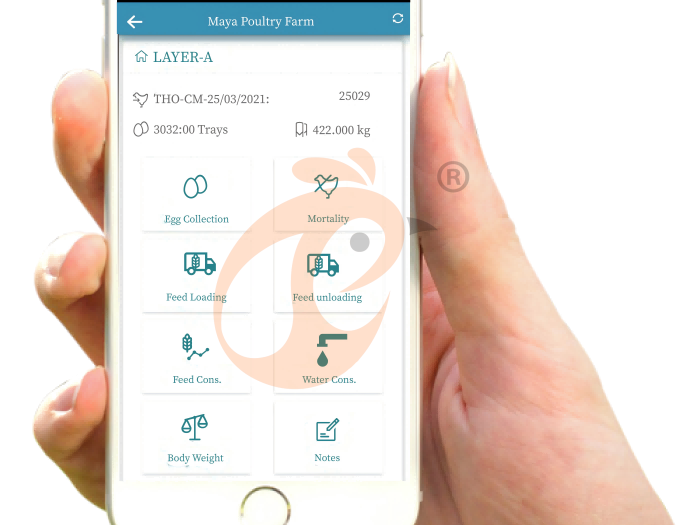
Digital poultry farm management systems increasingly combine environmental monitoring sensors with automatic production data recording software.
Data is for reference only.Swipe horizontally to view full table.
Production performance records help commercial poultry farms optimize future feed formulation and environmental management strategies.
Automatic environmental controllers also improve operational precision by continuously monitoring temperature, humidity, and ammonia concentration.
Economic Benefits Of Floor Rearing Poultry Farming
Floor rearing poultry farming remains highly competitive because moderate infrastructure investment supports scalable poultry production expansion.
Commercial broiler farming projects using automatic poultry feeding system technology generally achieve lower labor requirements and improved feed management efficiency.
Equipment investment costs vary according to poultry house automation level, ventilation engineering complexity, and regional construction material prices.
European union standard reference only.
Data is for reference only.Swipe horizontally to view full table.
Commercial floor poultry farms can complete more than six broiler production cycles annually under efficient sanitation and environmental control management.
Automatic poultry feeding systems also reduce long-term labor expenditure and improve daily operational stability.
Environmental Sustainability In Poultry Farming
Environmental sustainability management increasingly influences modern poultry farming development strategies worldwide.
Processed poultry manure contains valuable agricultural nutrients suitable for organic fertilizer production and integrated crop farming systems.
Commercial poultry farms now install manure recycling systems, wastewater filtration equipment, and energy-saving ventilation technologies to improve resource utilization efficiency.
Solar-powered poultry house ventilation systems also reduce long-term electricity expenditure inside large commercial poultry farming operations.
Data is for reference only.Swipe horizontally to view full table.
Integrated poultry farming and crop production systems improve agricultural sustainability while reducing organic waste disposal pressure.
Modern poultry farming engineering increasingly combines environmental protection technology with intelligent production management.
Future Development Trends In Floor Poultry Farming
Modern floor rearing poultry farming increasingly combines intelligent environmental monitoring systems with automated poultry equipment technology.
Artificial intelligence environmental controllers now adjust ventilation fan speed, cooling pad operation, and lighting schedules according to real-time production conditions.
Automatic poultry feeding system integration also improves feed distribution accuracy and decreases operational labor intensity inside large commercial poultry farming projects.
Environmental monitoring sensors continuously track temperature distribution, humidity fluctuation, ammonia concentration, feed intake, and water consumption.
Large-scale broiler farming operations using intelligent poultry management systems commonly reduce feed waste by approximately 2%–4% while improving flock uniformity performance.
Energy-efficient tunnel ventilation poultry house engineering also decreases electricity consumption through variable-speed fan motor technology and optimized airflow design.
Frequently Asked Questions
Q1: What is the best litter material for floor rearing poultry farming?
Wood shavings and rice husk remain highly suitable because moisture absorption capacity supports drier litter conditions and more stable ammonia control performance inside poultry houses.
Q2: Why do commercial poultry farms prefer automatic poultry feeding system technology?
Automatic poultry feeding system equipment improves feed distribution uniformity, decreases labor requirements, reduces feed waste percentages, and supports more stable body weight consistency.
Q3: How does tunnel ventilation poultry house engineering improve broiler production?
Tunnel ventilation poultry house systems improve airflow circulation efficiency, stabilize internal temperature distribution, reduce litter moisture accumulation, and decrease heat stress pressure during summer production seasons.
Taiyu (HK) Group - One Of China Largest Floor Rearing Poultry Farming Manufacturer
Automatic poultry feeding system solutions supporting modern commercial broiler farming operations worldwide
Global factory direct poultry equipment supply for medium and large poultry farm projects
Professional poultry cage and tunnel ventilation poultry house engineering manufacturing services
Turn-key poultry farming project design supporting integrated automatic production management systems
Commercial broiler farming equipment export experience covering Asia, Africa, Middle East markets
Contact Us To Received Your Customized Poultry Farm Plan
Headquarters And Branchs
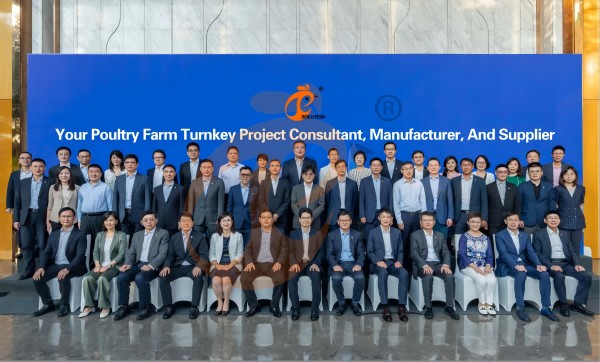
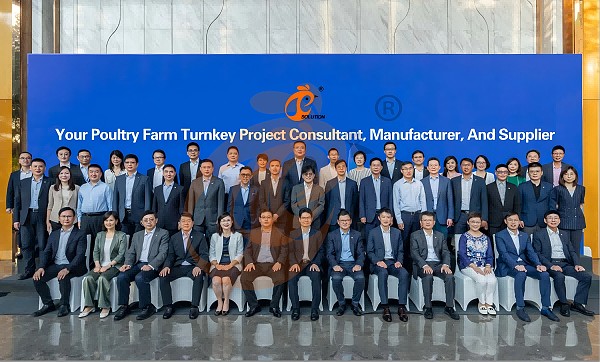
Hong Kong Headquarter Management Team
Hong Kong Headquarter Taiyu Industrial Group CO., LTD
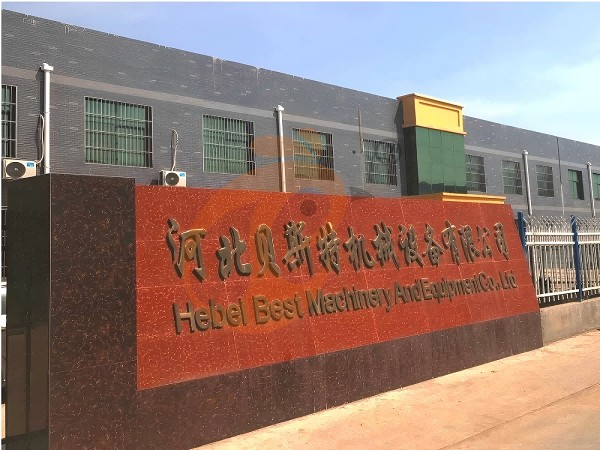
China Hebei Best Machinery And Equipment CO., LTD
Nigeria Vanke Machinery And Equipment CO., LTD
Tanzania Best Machinery And Equipment CO., LTD
Ethiopia Best Hebei Machinery Manufacturing PLC
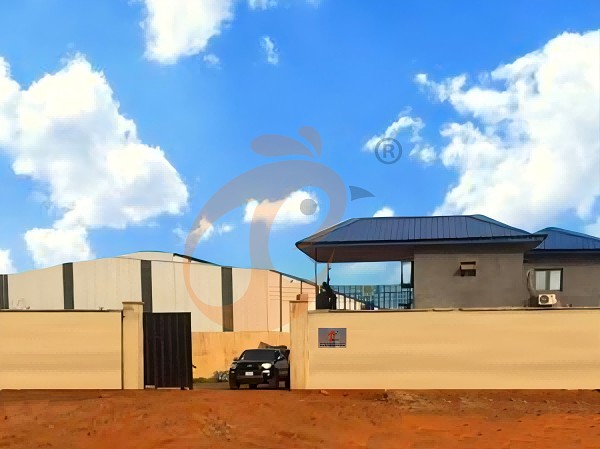
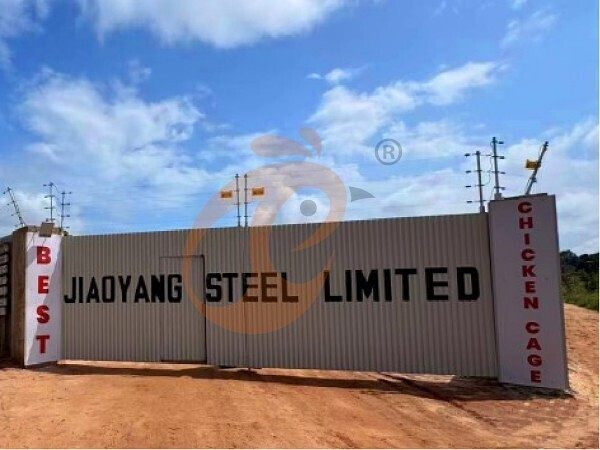
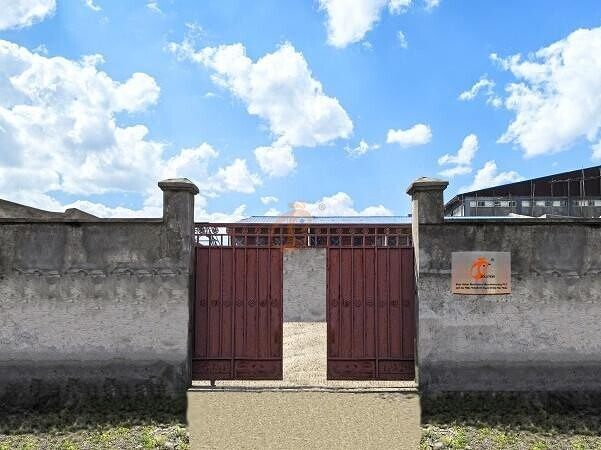
Reception /24 WhatsApp NO. : +8618830120193
PRODUCTS RECOMMENDED
 China Branch Manufacture Poultry Farm EquipmentRead More
 Ethiopia Branch Manufacture Poultry Farm EquipmentRead More
 Nigeria Branch Manufacture Poultry Farm EquipmentRead More
 Tanzania Branch Manufacture Poultry Farm EquipmentRead More
 IoT Smart Poultry FarmRead More
 >30,000 Layers Automatic H Type Battery CageRead More
 10,000 - 30,000 Layers Automatic A Type Battery CageRead More
MESSAGE
NEWS
 How To Choose A Reliable H Type Chicken Cage Supplier For Poultry Farms?Read More
 Floor Rearing System For Layers | Cost, Egg Production And Management TipsRead More
 How To Plan Poultry Farm Equipment Budget | 6 Key FactorsRead More
 How To Reduce Operating Costs With Battery Cage For Layers Systems | 6 TipsRead More