

BLOG
Modern poultry farming engineering integrates free range chicken house structure, automatic poultry feeding system, and commercial poultry ventilation technology into unified production management architecture.
Scientific free range poultry house design improves flock welfare performance, feed conversion ratio, environmental stability, and operational labor efficiency under large-scale poultry production conditions.
Commercial poultry farm layout planning supports stable airflow distribution, balanced bird density, accurate water supply engineering, and long-term biosecurity management requirements.
Professional poultry equipment configuration reduces mortality rate, minimizes litter moisture accumulation, and increases average daily weight gain consistency throughout production cycles.
This article explains practical poultry house layout standards, environmental engineering references, free range farming technology concepts, and sustainable poultry production solutions suitable for global poultry farming
Get professional poultry farm construction guidance, equipment selection solutions, and the latest price lists, whatsApp to +8618830120193, click to learn more:
Site Selection And Land Orientation
The first stage of free range poultry house construction begins with selecting suitable land conditions.
A poor site location increases disease risk, drainage problems, excessive humidity, and ventilation difficulties.
Professional poultry farm engineers normally recommend slightly elevated land with natural slope angles between 2% and 5%.
This land structure improves rainwater discharge and prevents standing water accumulation around the poultry house foundation.
Data is for reference only.Swipe horizontally to view full table.
The poultry house orientation also plays a major role in temperature management.
Most commercial farms align poultry houses east-to-west to reduce direct solar radiation entering side walls during afternoon periods.
This orientation reduces heat stress during summer seasons and lowers ventilation energy consumption.
Land preparation investment for medium-scale poultry farms normally ranges from $8,000 to $25,000 according to soil condition and excavation requirements.
Poultry House Dimensions And Space Allocation
Free range poultry systems require more internal and external movement space compared with cage systems.
Bird density must balance welfare standards and economic production efficiency.
Overcrowding increases ammonia concentration, feather pecking behavior, disease transmission, and litter moisture problems.
Data is for reference only.Swipe horizontally to view full table.
A poultry house with proper space allocation improves flock activity and reduces stress-related production losses.
Commercial farms with balanced density management commonly maintain mortality rates below 4%.
Scientific free range chicken house planning also improves litter drying speed and reduces internal bacterial accumulation during high-humidity seasons.
Ventilation System Layout
Ventilation remains one of the most critical engineering factors in free range poultry house design.
Fresh airflow removes excess heat, moisture, dust, carbon dioxide, and ammonia gas generated by poultry manure decomposition.
Improper ventilation causes respiratory disease outbreaks and unstable growth performance.
Data is for reference only.Swipe horizontally to view full table.
Cross ventilation systems are widely adopted in tropical and subtropical poultry farming regions.
Large exhaust fans combined with adjustable sidewall curtains create stable internal airflow circulation.
Tunnel ventilation systems can reduce indoor temperatures by 4–8°C during high-temperature periods.
Commercial poultry ventilation equipment investment commonly ranges between $12,000 and $40,000 depending on poultry house length and fan quantity.
European union standard reference only.
Feeding And Drinking Line Arrangement
Efficient feeding line design directly influences feed waste control and labor productivity.
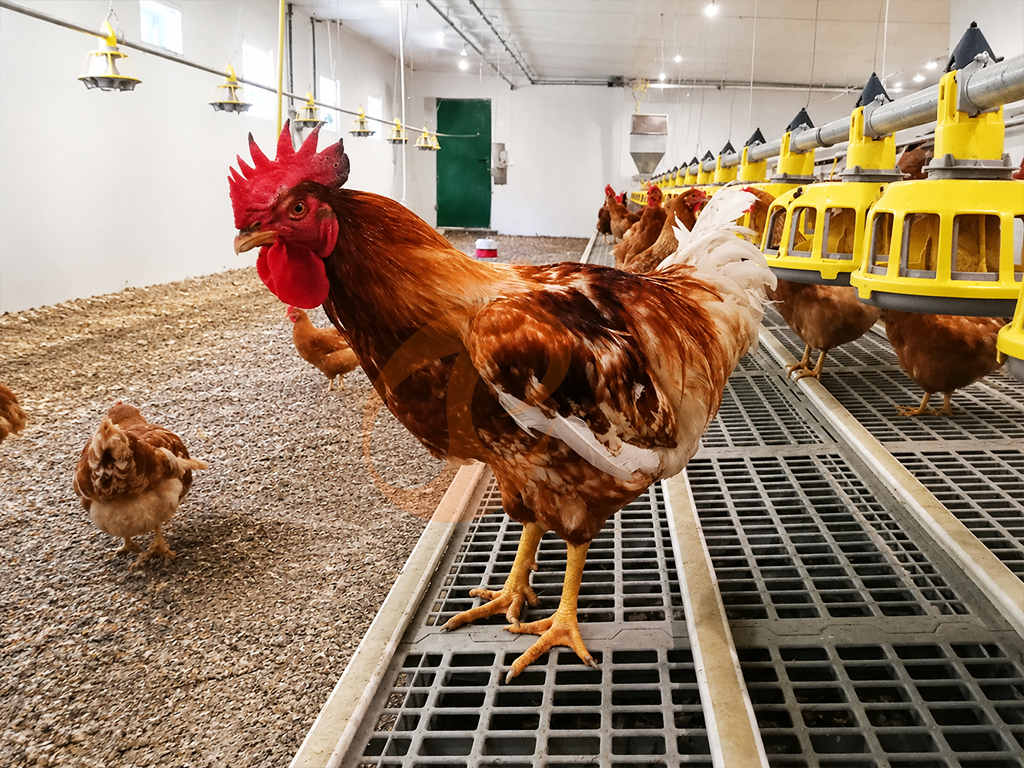
Free range poultry houses often combine automatic pan feeders with nipple drinking systems.
This combination minimizes water contamination and improves feed hygiene conditions.
Data is for reference only.Swipe horizontally to view full table.
Modern poultry farms using automatic feeding systems can reduce labor requirements by approximately 35–50%.
Stable feeding schedules also improve average daily weight gain consistency.
Automatic poultry feeding system technology additionally supports accurate feed distribution under intensive commercial poultry production conditions.
Outdoor Free Range Area Planning
The outdoor ranging field represents the core characteristic of free range poultry farming.
Birds require sufficient outdoor access for exercise, sunlight exposure, and natural behavioral activities.
Good range management also reduces aggressive flock behavior.
Data is for reference only.Swipe horizontally to view full table.
Rotational pasture management helps maintain vegetation growth and reduces parasite accumulation inside the outdoor area.
Many commercial farms divide outdoor zones into separate rotational sections every 2–4 weeks.
Natural grassland management also improves poultry movement activity and supports healthier muscle development.
Poultry Science Knowledge: Why Free Range Systems Improve Meat Quality
Scientific poultry studies show that moderate bird activity improves muscle fiber structure and fat distribution.
Free range chickens usually develop stronger leg muscles because birds walk longer distances daily.
Sunlight exposure also promotes vitamin D synthesis and improves bone mineralization.
Compared with intensive confinement systems, free range poultry meat commonly contains lower abdominal fat percentages and slightly firmer muscle texture.
Data is for reference only.Swipe horizontally to view full table.
Consumer demand for welfare-friendly poultry products continues growing in Europe, North America, and Southeast Asia.
This trend increases market opportunities for commercial free range poultry producers.
Premium free range poultry products in international agricultural markets commonly achieve 15%–35% higher sales value compared with standard broiler products.
Lighting System Design
Lighting management strongly affects feeding behavior, egg production, and flock activity rhythm.
Commercial poultry farms increasingly use LED lighting systems because they consume less electricity and provide stable illumination intensity.
Data is for reference only.Swipe horizontally to view full table.
Gradual lighting adjustments reduce stress responses and improve feeding uniformity across the flock population.
Energy-saving LED systems also reduce annual poultry house electricity costs under long-cycle production operation.
Flooring And Bedding Material Selection
The flooring system determines litter dryness and disease control efficiency.
Wet litter creates bacterial growth conditions and increases footpad dermatitis incidence.
Rice husk, wood shavings, and chopped straw remain common poultry bedding materials worldwide.
Data is for reference only.Swipe horizontally to view full table.
Dry litter management helps maintain ammonia levels below harmful concentrations.
Commercial farms normally replace or partially refresh litter every production cycle.
Proper bedding management additionally supports cleaner poultry claws, lower bacterial concentration, and improved environmental sanitation conditions.
Biosecurity Layout And Disease Prevention
Biosecurity planning is essential for maintaining stable poultry production performance.
A well-designed poultry farm separates clean zones from contaminated zones to reduce pathogen transmission risks.
Vehicle disinfection areas, footbaths, and visitor control systems should be installed near entrance gates.
Data is for reference only.Swipe horizontally to view full table.
Strict farm sanitation management significantly reduces disease outbreak probability and production losses.
Professional biosecurity systems also support international poultry export production standards and long-term flock health stability.
Water Supply Engineering
Water quality directly affects digestion, growth rate, and immune system stability.
Poultry farms should install water filtration systems and reserve tanks to maintain continuous supply capacity.
Data is for reference only.Swipe horizontally to view full table.
Water consumption usually increases by 5–7% for every 1°C increase above optimal environmental temperature.
Therefore, summer cooling strategies become extremely important for free range poultry houses located in hot climates.
Commercial poultry water treatment systems generally require investment between $3,000 and $12,000 according to filtration capacity and reserve storage scale.
Practical Farm Expansion Planning
Many poultry investors initially construct poultry houses with capacities between 8,000 and 15,000 birds before expanding toward larger commercial production stages.
Scientific free range poultry house planning improves future construction efficiency and reduces secondary engineering modification difficulty.
A modular engineering structure allows future production expansion without interrupting ongoing farm operations.
Professional poultry farm designers commonly reserve 15%–20% additional land area for future poultry house extension, feed warehouse construction, and manure processing facilities.
Practical expansion planning normally includes
Additional feed storage areas supporting continuous seven-day production operation.
Reserved exhaust fan installation walls for future ventilation capacity upgrades.
Underground drainage pipelines with reserve discharge connection positions.
Electrical transformer capacity expansion channels supporting automatic poultry equipment operation.
Emergency diesel generator installation foundations for unexpected power outage conditions.
Commercial poultry farms with expansion-ready engineering structures commonly reduce future reconstruction investment costs by approximately $6,000–$18,000 during secondary project development stages.
Flexible poultry equipment layout planning also simplifies automatic feeding line upgrades, environmental controller installation, and long-term production scale adjustment under modern poultry farming management systems.
Environmental Sustainability In Modern Free Range Poultry Farming
Environmental management becomes increasingly important in commercial poultry farming projects.
Large poultry farms generate significant manure quantities requiring proper recycling systems.
Many agricultural operations convert poultry manure into organic fertilizer products for vegetable and crop farming applications.
Data is for reference only.Swipe horizontally to view full table.
Integrated recycling systems reduce environmental pollution and create additional farm revenue sources.
Sustainable manure processing systems also support environmentally responsible poultry farming investment strategies worldwide.
Common Mistakes In Free Range Poultry House Design
Some poultry projects experience unstable production performance because early-stage engineering planning ignores long-term operational management requirements.
Ventilation inlet areas below 0.08 M² per 100 birds commonly increase internal heat accumulation and airborne dust concentration during summer production cycles.
Poor external drainage systems frequently cause standing water accumulation within 24–48 hours after heavy rainfall, increasing bacterial survival risks around poultry houses.
Outdoor free range areas without sufficient natural tree coverage or artificial cooling shelters often increase heat stress occurrence when environmental temperatures exceed 32°C.
Improper feeder distribution layouts also create uneven flock growth performance, especially inside poultry houses exceeding 80 M building length.
Commercial farms without reserve electrical transformer capacity commonly face higher reconstruction expenses during automatic poultry equipment expansion projects.
Scientific poultry farm engineering planning improves long-term environmental control stability, production efficiency, and commercial investment sustainability.
Frequently Asked Questions
Q1: What poultry house width provides better natural ventilation performance?
Commercial free range poultry houses commonly maintain building widths between 8 M and 15 M.
Balanced structure width improves cross ventilation efficiency, stabilizes airflow distribution, and reduces internal humidity accumulation during high-temperature seasons.
Q2: Why does outdoor rotation management improve poultry health stability?
Rotational outdoor management reduces parasite concentration, protects grass coverage condition, and lowers pathogen accumulation inside free range activity zones.
Professional rotational planning also improves environmental sanitation and reduces long-term soil contamination risks.
Q3: Which poultry equipment improves labor efficiency most effectively?
Automatic poultry feeding system equipment and nipple drinking line systems significantly reduce manual labor requirements under commercial poultry production conditions.
Integrated poultry equipment management also improves feed distribution consistency and water hygiene stability.
Taiyu (HK) Group - One Of China Most Famous Free Range Poultry System Manufacturer
Professional free range poultry house design systems improve ventilation efficiency, bird welfare conditions, and commercial production stability.
Global factory direct poultry equipment supply supports faster shipment schedules and lower international purchasing management costs.
Modern poultry cage manufacturing technology supports large-scale broiler farming and intelligent layer farming operation requirements.
Turn-key poultry farm engineering solutions include environmental control systems, automatic feeding lines, and cooling equipment installation.
Commercial poultry farming projects worldwide use durable poultry equipment for long-term agricultural production development.
Contact Us To Received Your Customized Poultry Farm Plan
Headquarters And Branchs

Hong Kong Headquarter Management Team
Hong Kong Headquarter Taiyu Industrial Group CO., LTD
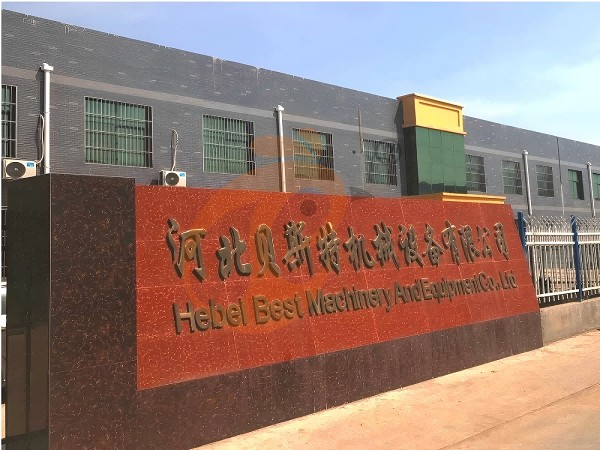
China Hebei Best Machinery And Equipment CO., LTD
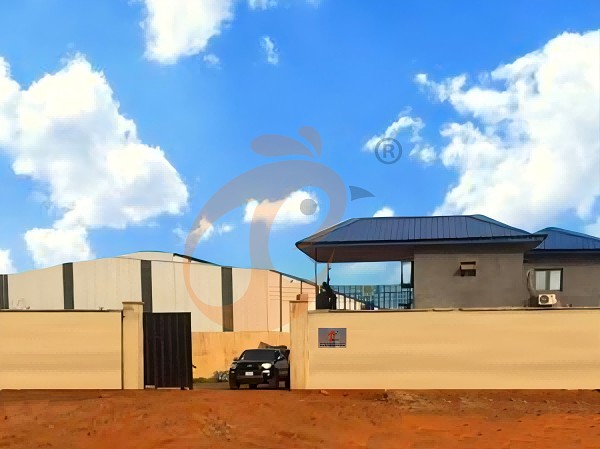
Nigeria Vanke Machinery And Equipment CO., LTD
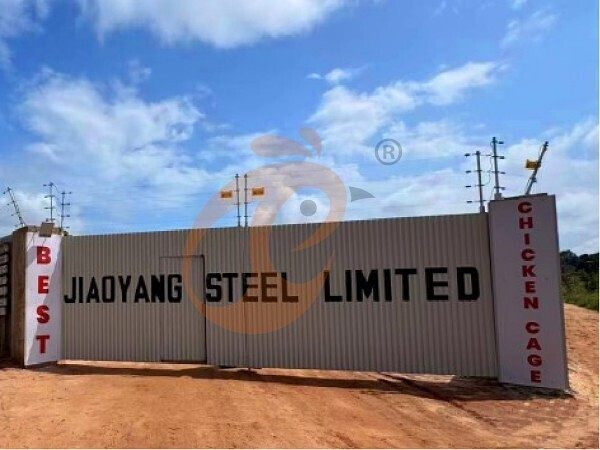
Tanzania Best Machinery And Equipment CO., LTD
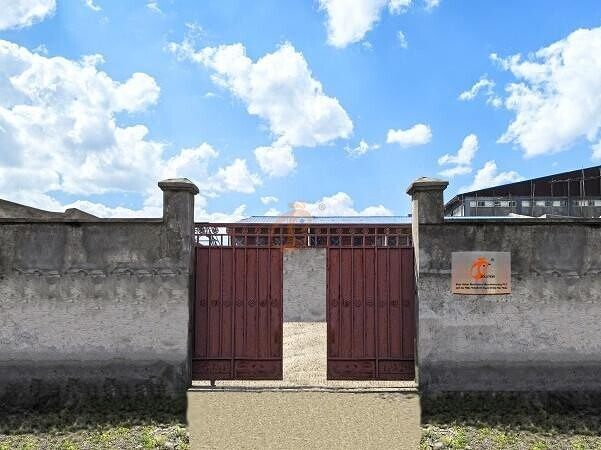
Ethiopia Best Hebei Machinery Manufacturing PLC
Reception /24 WhatsApp NO. : +8618830120193
PRODUCTS RECOMMENDED
 China Branch Manufacture Poultry Farm EquipmentRead More
 Ethiopia Branch Manufacture Poultry Farm EquipmentRead More
 Nigeria Branch Manufacture Poultry Farm EquipmentRead More
 Tanzania Branch Manufacture Poultry Farm EquipmentRead More
 IoT Smart Poultry FarmRead More
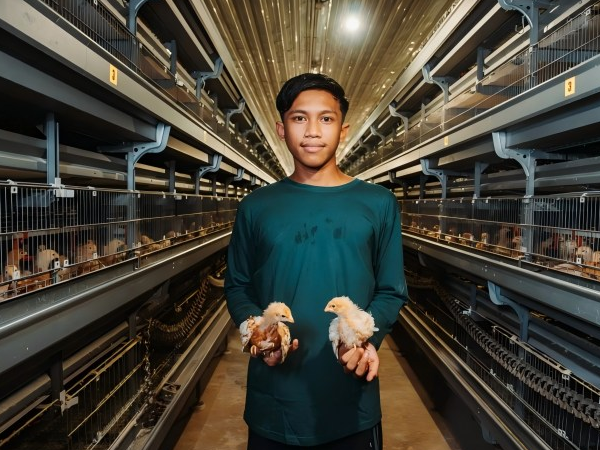
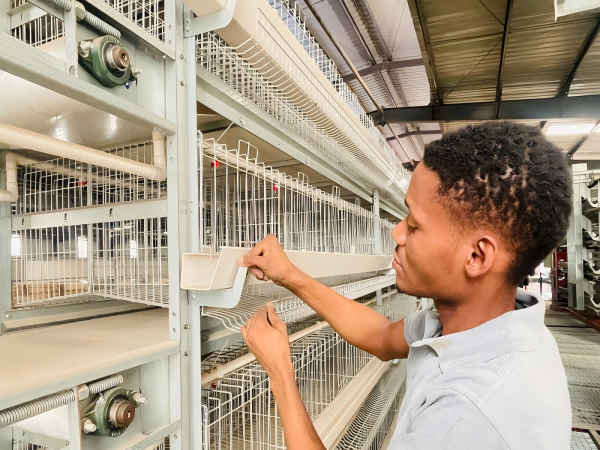
 >30,000 Layers Automatic H Type Battery CageRead More
 10,000 - 30,000 Layers Automatic A Type Battery CageRead More
MESSAGE
NEWS
 How To Choose A Reliable H Type Chicken Cage Supplier For Poultry Farms?Read More
 Floor Rearing System For Layers | Cost, Egg Production And Management TipsRead More
 How To Plan Poultry Farm Equipment Budget | 6 Key FactorsRead More
 How To Reduce Operating Costs With Battery Cage For Layers Systems | 6 TipsRead More