

BLOG
In Nigeria, modern poultry farm operations are evolving rapidly.
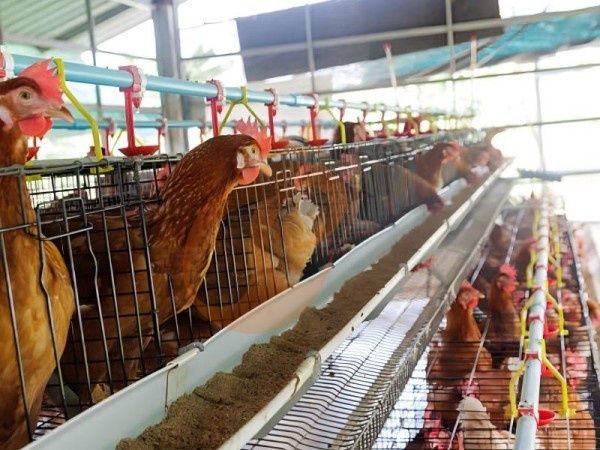
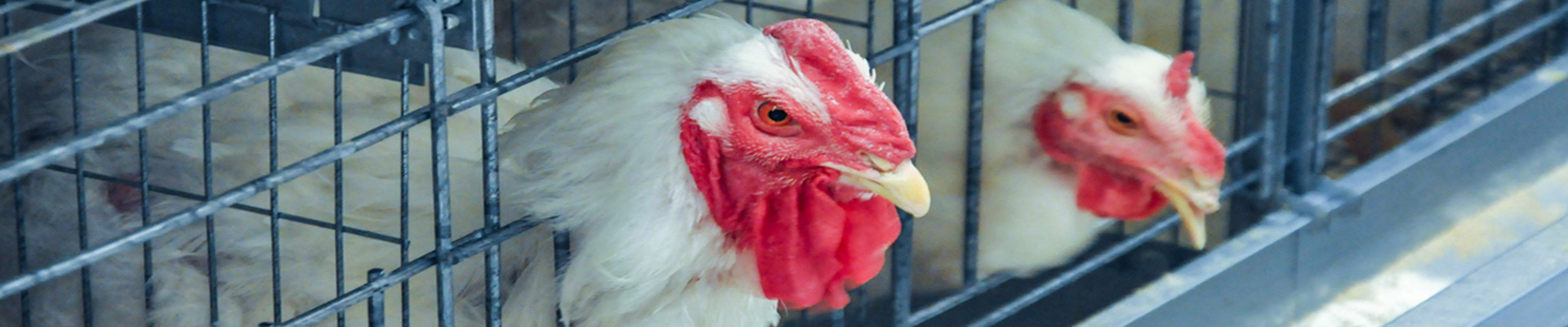
More farms are adopting battery cage systems to maximize egg production, reduce costs, and streamline management.
Understanding the top battery cage advantages is essential for any poultry farmer looking to expand or optimize their poultry farm.
This guide covers the ten key advantages of battery cage, practical tips for using poultry farm equipment, and how smart farm technology can elevate productivity and profitability.
Battery Cage Advantage 1: Increase Egg Production And Stocking Density
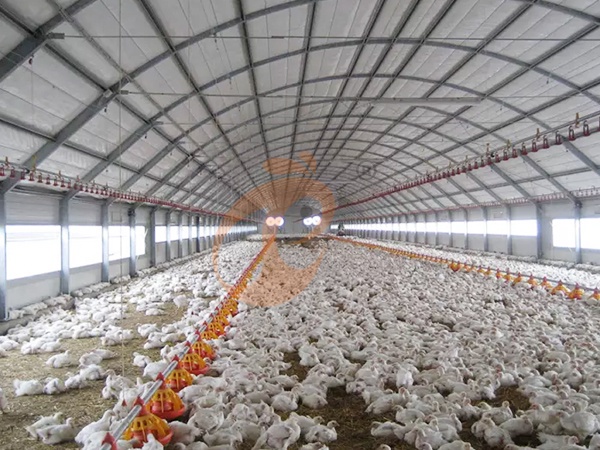
Battery cage allows higher stocking density than traditional free-range systems. While free-range farms may house 5-6 hens per square meter, battery cage systems can house 10-12 hens per square meter, nearly doubling output.
Higher density increases annual egg production. For example, a 1,000-hen farm can increase from 250,000 eggs to 480,000 eggs annually, generating an extra 4,600,000 Naira at 200 Naira per egg.
This advantage is particularly important for poultry farm owners seeking higher ROI with limited space.
Battery Cage Advantage 2: Reduce Feed Consumption And Waste
Each hen has an individual feeder in a battery cage, reducing feed waste to 3%-5%, compared to 10%-15% in traditional systems.
A 1,000-hen farm can save approximately 2 tons of feed annually, saving up to 800,000 Naira.
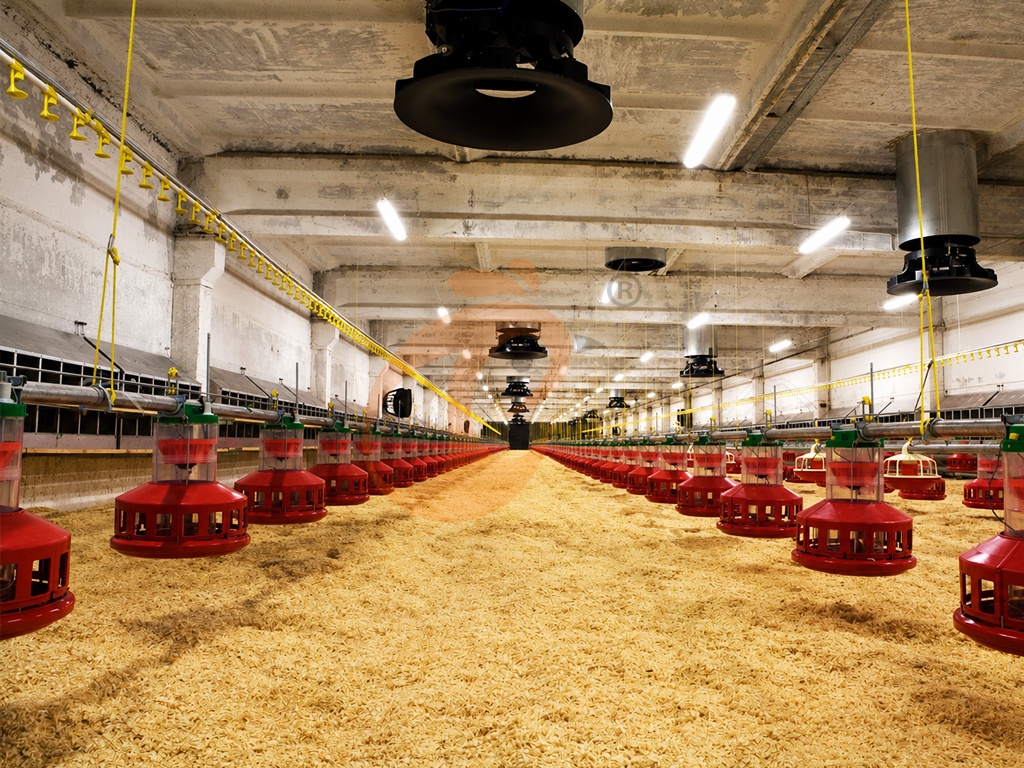
Using automated poultry farm equipment like feeders and drinkers improves feed conversion, with hens gaining 30-40g per day and increasing egg production by 8%-10%.
Integrating smart farm systems ensures precise feed control and maximum productivity.
Battery Cage Advantage 3: Improve Hygiene And Reduce Disease Spread
Disease spread is slower in battery cage systems because hens are separated by tier and row. Manure is efficiently collected and removed.
Mortality rates drop to 2%-3%, compared to 8%-12% in traditional free-range farms.
Medication costs decrease by 300,000-500,000 Naira annually.
Battery Cage Advantage 4: Save Labor Costs
Battery cage systems require fewer workers. Two workers can manage 3,000-5,000 hens, saving 50% on labor compared to traditional farms.
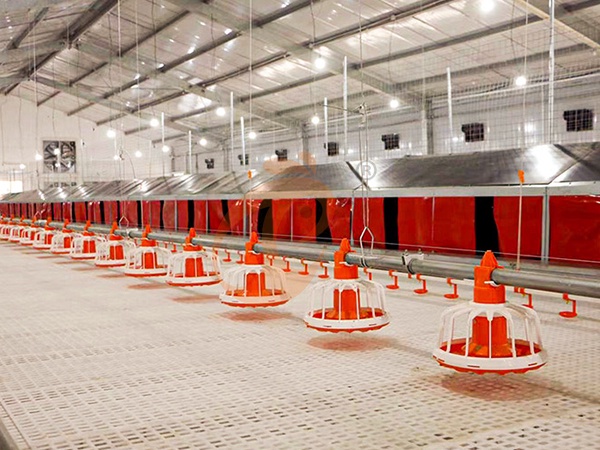
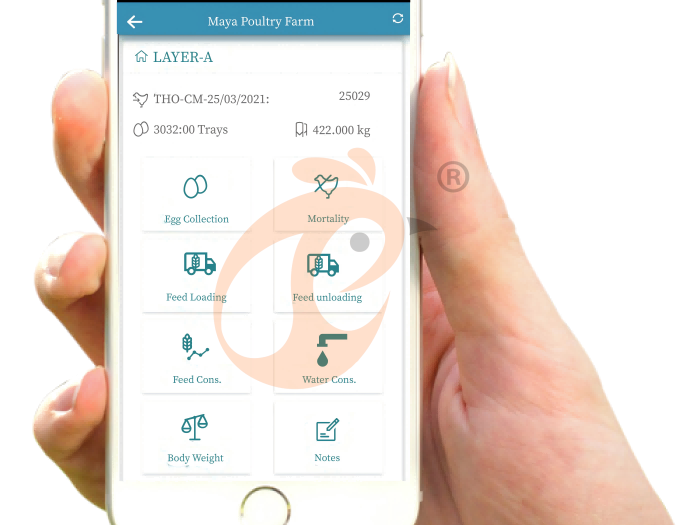
Combining poultry farm equipment with smart farm management allows real-time monitoring of temperature, humidity, feed, and egg production.
Battery Cage Advantage 5: Improve Egg Quality And Consistency
Hens in battery cage systems receive balanced nutrition and stable environmental conditions, producing uniform eggs with thicker shells and consistent color.
Egg production reaches 92%-95%, compared to 75%-80% in free-range farms.
The Nigerian market increasingly demands high-quality eggs, making this battery cage advantage vital.
Battery Cage Advantage 6: Easier Management And Monitoring
Battery cage systems combined with smart farm technology allow precise environmental control.
Farmers can monitor each tier and row remotely, minimizing management errors and improving overall farm efficiency.
Battery Cage Advantage 7: Maximize Space Utilization
Multi-tier battery cage systems improve space utilization by 70%-80%.
A 1,000 m² chicken house can house 10,000-12,000 hens, compared to 5,000-6,000 in traditional farms.
Efficient use of space lowers land costs and allows room for future expansion.
Battery Cage Advantage 8: Easier Cleaning And Environmental Management
Manure is collected in trays, making cleaning easier and producing high-quality organic fertilizer.
Nigerian farms generate 50-100 tons of manure annually, saving on chemical fertilizers and improving hygiene.
Smart farm monitoring ensures optimal air quality and humidity.
Battery Cage Advantage 9: Longer Equipment Lifespan
High-quality battery cage is made of galvanized steel or stainless steel, lasting 10-15 years.
Proper maintenance of poultry farm equipment ensures long-term ROI.
Maintenance costs are reduced by approximately 200,000 Naira annually compared to traditional housing.
Battery Cage Advantage 10: Suitable For Large-Scale Commercial Operations
Scaling from 1,000 to 100,000 hens is possible with battery cage systems.
Annual revenue can increase 40%-60% with ROI achieved in 2-3 years.
HB BEST provides complete battery cage and poultry farm equipment solutions, including supply, installation, and after-sales support, ensuring efficient, safe, and profitable operations.
Frequently Asked Questions (FAQ)
1. What is the best size for a battery cage in a nigerian poultry farm?
HB BEST recommends 45cm x 50cm per hen for optimal comfort, productivity, and long-term health in battery cage systems.
2. Can battery cage systems be automated for smart farm management?
Yes, integrating automated feeders, drinkers, and sensors creates a fully smart farm, improving egg production and reducing labor costs.
3. How long does battery cage equipment last and is maintenance difficult?
Galvanized steel battery cage systems last 10-15 years. HB BEST offers maintenance support and spare parts to ensure longevity.
HB BEST - One Of China Largest Battery Cage System Supplier
High-quality battery cage solutions – Durable, corrosion-resistant, and designed for optimal egg production.
Complete poultry farm equipment – From feeders to drinkers, all essential tools for efficient farm management.
Smart farm integration – Modern systems for real-time monitoring of temperature, humidity, and production.
Reliable after-sales support – Installation guidance, maintenance, and spare parts to ensure long-term performance.
Contact Us To Received Your Customized Poultry Farm Plan
Headquarters And Branchs
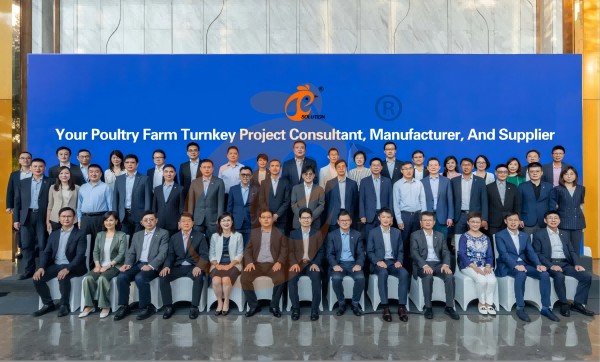
Hong Kong Headquarter Management Team
Hong Kong Headquarter Taiyu Industrial Group CO., LTD
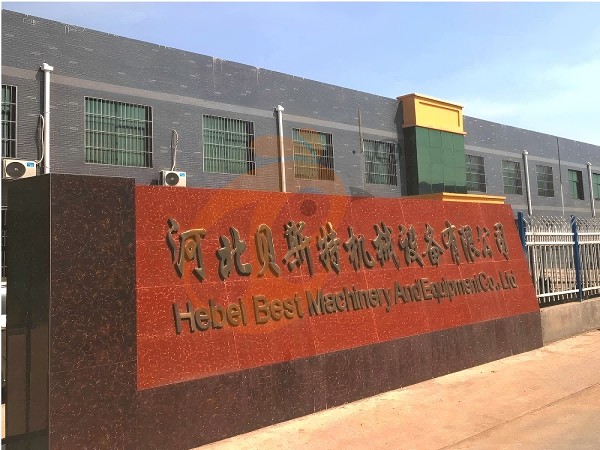
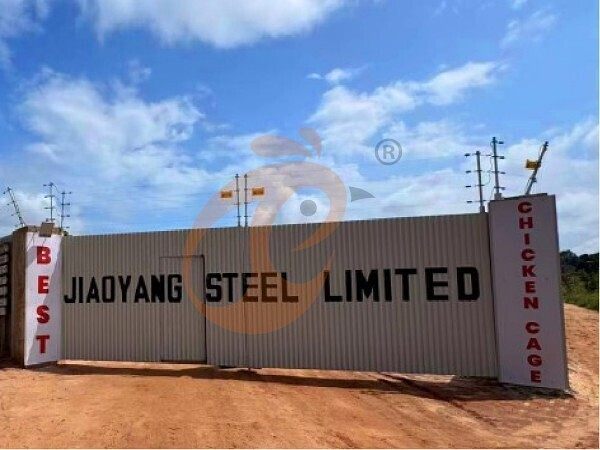
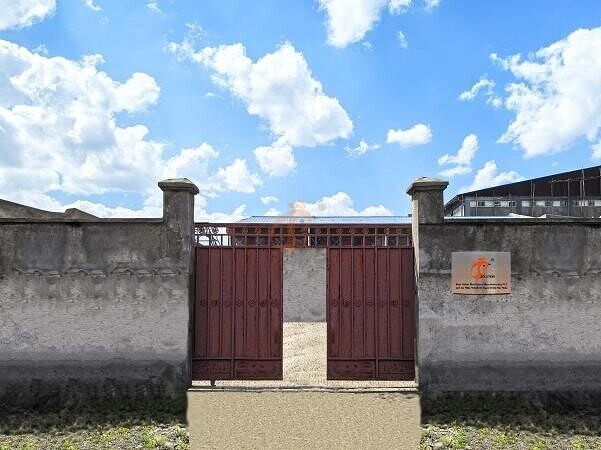
China Hebei Best Machinery And Equipment CO., LTD
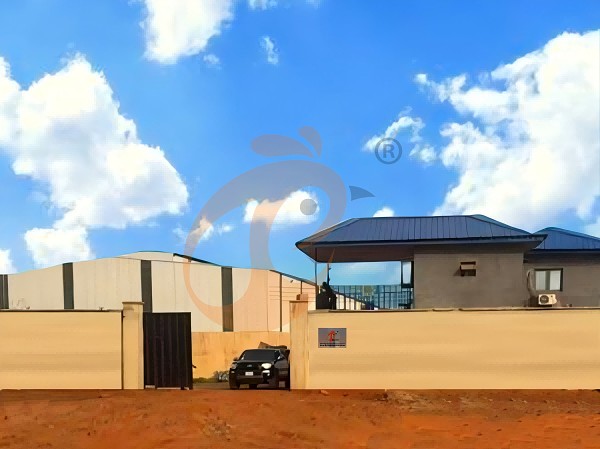
Nigeria Vanke Machinery And Equipment CO., LTD
Tanzania Best Machinery And Equipment CO., LTD
Ethiopia Best Hebei Machinery Manufacturing PLC
Reception /24 WhatsApp NO. : +8618830120193
PRODUCTS RECOMMENDED
 China Branch Manufacture Poultry Farm EquipmentRead More
 Ethiopia Branch Manufacture Poultry Farm EquipmentRead More
 Nigeria Branch Manufacture Poultry Farm EquipmentRead More
 Tanzania Branch Manufacture Poultry Farm EquipmentRead More
 IoT Smart Poultry FarmRead More
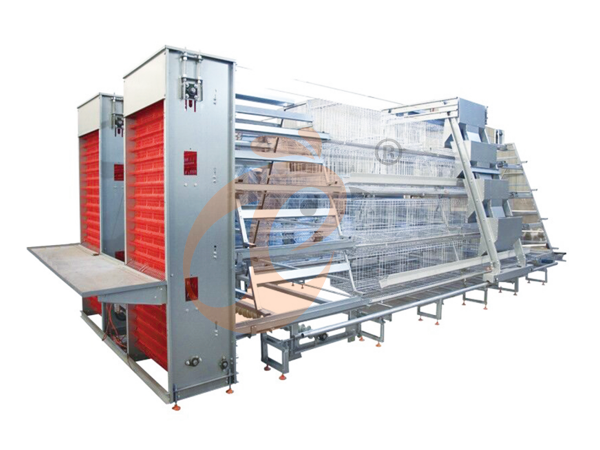
 >30,000 Layers Automatic H Type Battery CageRead More
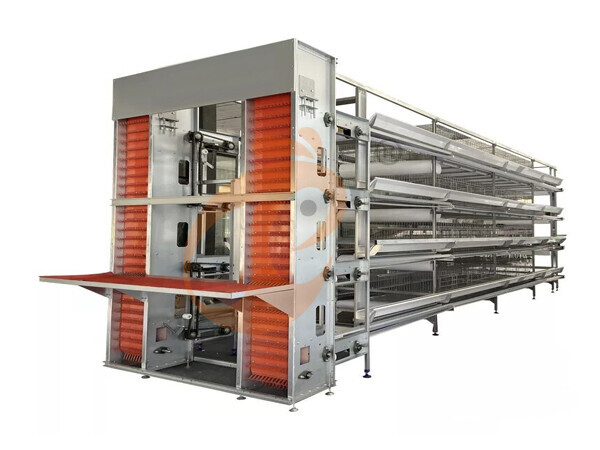
 10,000 - 30,000 Layers Automatic A Type Battery CageRead More

MESSAGE
NEWS
 What Makes A Factory-Direct A Type Chicken Battery Cage More Cost-Effective? 4 ReasonsRead More
 Deep Litter System For Broilers Vs Cage | Which Is More Profitable?Read More
 Free Range Broiler System Vs Intensive Farming | Which Is More Profitable?Read More
 Broiler Floor Rearing System Cost | 6 Factors Affecting PriceRead More