


BLOG
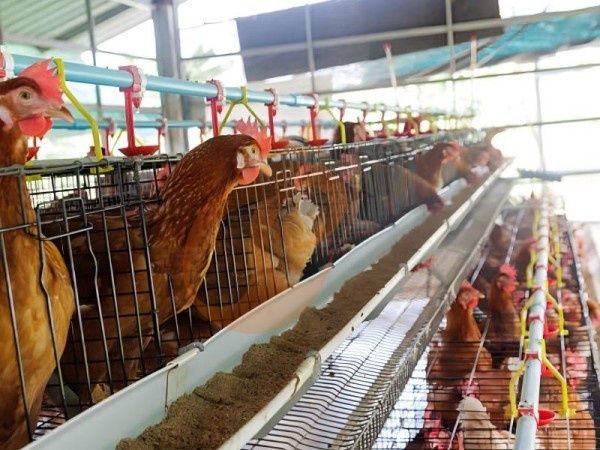
Ethiopia chicken feeding equipment offers reliable feeding systems for small to large poultry operations.
This guide explains both automatic and manual feeding options for poultry farms.
Readers will learn about feeder specifications, cost estimates, maintenance requirements, and suitable flock sizes.
The guide helps poultry farmers in Ethiopia choose appropriate feeding gear based on budget, flock size, and management style.
Automatic Feeding Systems
Automatic feeding systems simplify day‑to‑day feeding management.
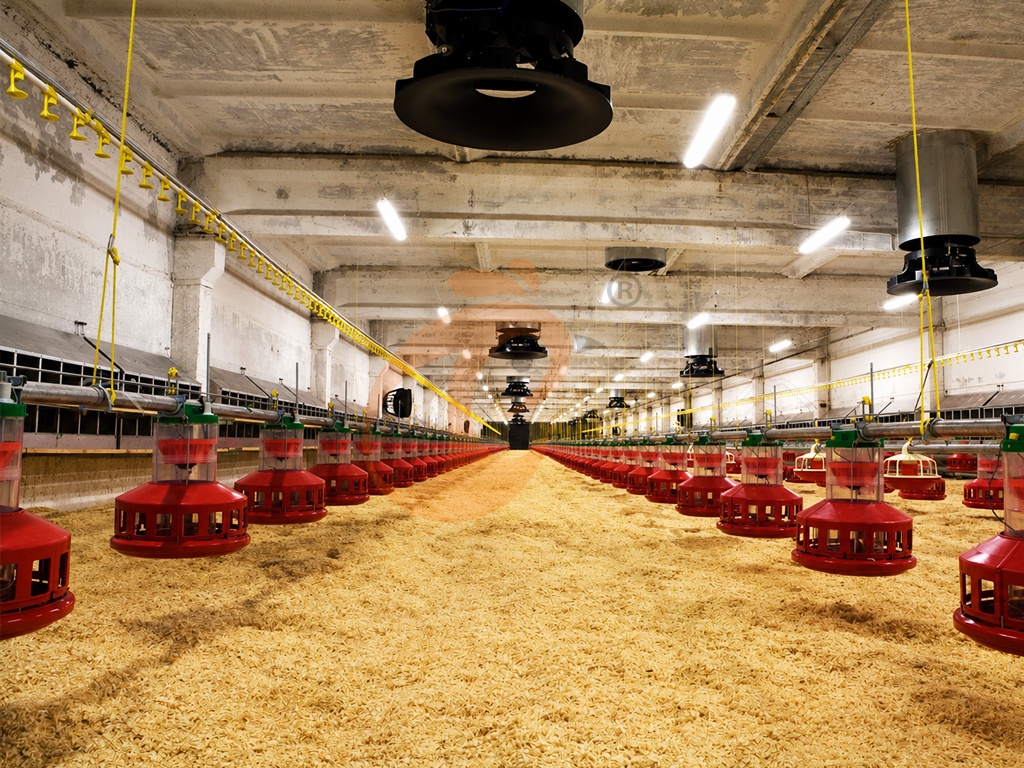
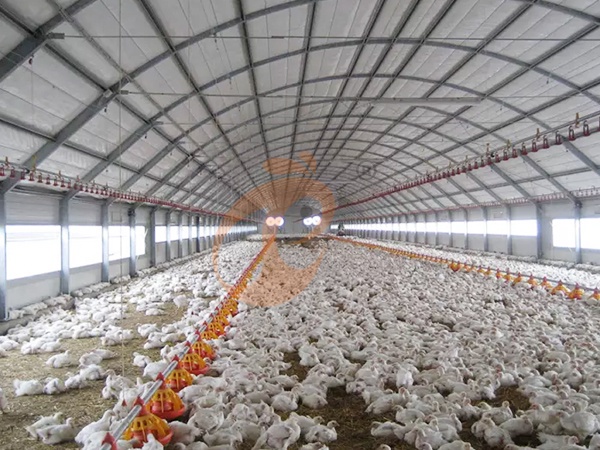
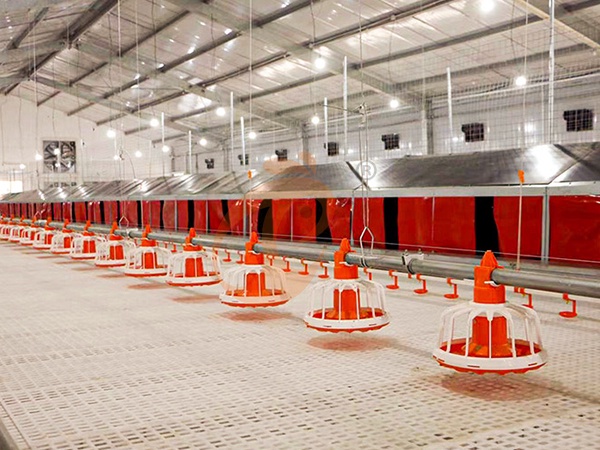
Ethiopia chicken feeding equipment designed for automated delivery helps ensure uniform feed distribution with minimal labor.
On a larger farm, these systems improve consistency and reduce manual labor needs.
Data is for reference only. Swipe horizontally to view full table.
Automatic feeders from Ethiopia chicken feeding equipment deliver feed steadily and reduce feed wastage significantly.
These systems are often paired with control timers that dispense feed according to schedule.
They are suitable for farms managing hundreds to over a thousand birds.
Manual Feeding Systems
Manual feeding remains a viable option for small‑scale poultry operations.
Ethiopia chicken feeding equipment manual feeders are simple to install, cost-effective, and require little maintenance.
They suit backyard or village farms where daily labor is available.
Data is for reference only. Swipe horizontally to view full table.
Manual feeders from Ethiopia chicken feeding equipment allow close control of feed distribution.
Farmers can observe how birds eat and adjust feed amounts daily.
This flexibility benefits small flocks where precise feed control preserves feed and reduces spoilage.
Feeder Selection Based On Flock Size
Choosing the right feeder depends heavily on flock size.
Ethiopia chicken feeding equipment provides various options tailored to the number of birds and daily feed volume.
Matching feeder type with flock size ensures efficient feed delivery.
Data is for reference only. Swipe horizontally to view full table.
Using Ethiopia chicken feeding equipment tailored feeder types helps avoid overfeeding or underfeeding.
Proper feeder selection reduces feed waste and supports uniform growth across the flock.
Appropriate feed consumption estimation ensures better planning of feed supply.
Feed Conversion Efficiency And Flock Performance
Efficiency in feed use correlates with growth and profitability.
Ethiopia chicken feeding equipment performance data shows that automated feeders often achieve better feed conversion ratios (FCR) and lower mortality compared with manual feeding.
Data is for reference only. Swipe horizontally to view full table.
Data from Ethiopia chicken feeding equipment installations indicate that farms using automated feeders can lower feed required per kilo of chicken weight gain.
Lower feed consumption reduces overall feed costs.
Lower mortality supports healthier, more uniform flock growth.
Maintenance Schedule And Equipment Lifespan
Proper maintenance of feeders extends their usable life and ensures consistent performance.
Ethiopia chicken feeding equipment comes with recommended schedules to help farmers plan upkeep.
Data is for reference only. Swipe horizontally to view full table.
Regular maintenance reduces downtime and the risk of breakdowns.
Farms using Ethiopia chicken feeding equipment benefit from long equipment life with timely maintenance.
Consistent upkeep ensures feed systems run smoothly even under dusty or humid conditions common in Ethiopian poultry houses.
Farm Case Example – Grand Valley Poultry Farm
Location: Central Ethiopia
Equipment Installed: Ethiopia chicken feeding equipment tube feeders
Flock Size: 1200 birds
Feed Distribution: Improved uniformity, reduced manual labor requirements
Daily Feed Intake: Approximately 100 kg for the entire flock
Stocking Density: 5 birds per square meter
Ventilation & Water Management: Checked twice daily to ensure optimal environment
Flock Weight Gain: Reached 1.9 kg per bird in eight weeks
Mortality Rate: Maintained at 2.5%
Feed Wastage: Reduced by about 18%
Operational Observations: Easier cleaning, consistent feed delivery, and improved flock uniformity
IoT And Smart Control In Poultry Farms
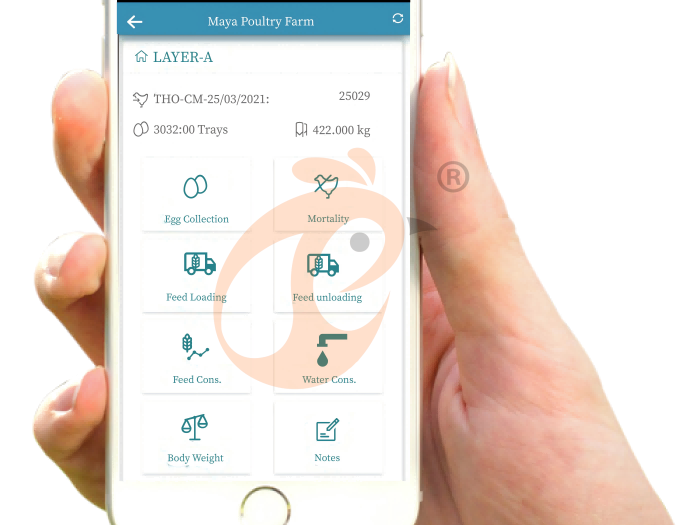
Modern poultry farms increasingly integrate smart systems with Ethiopia chicken feeding equipment.
Remote sensors and automated feed scheduling can cut feed wastage around 22%.
Temperature and humidity sensors help maintain optimal house climate.
Automatic alarms alert caretakers if hopper levels drop below minimum thresholds.
Smart control improves labor efficiency and ensures timely feed supply when flocks are large.
Data logging tracks daily feed usage, bird growth, and environmental conditions.
Farms adopting smart systems report steadier growth rates and improved flock health.
FAQ
Q: Which feeder type suits a 300‑bird flock best?
A: Manual trough or wall‑mounted feeder from Ethiopia chicken feeding equipment suits a flock around 300 birds.
Feed capacity and handling remain simple and cost‑effective.
Q: How often should maintenance occur on automatic feeders?
A: For chain or tube feeders, maintenance every 2–3 months is ideal to ensure motor, alignment, and hopper systems work properly.
Q: Can smart IoT controls work with manual feeders?
A: Yes. Sensors and simple timers can monitor feed levels even on manual troughs to alert when refill is needed.
Best Hebei Machinery Manufacturing Plc (China-Ethiopia Branch) – One of Ethiopia biggest chicken‑feeding equipment supplier
Best Hebei Machinery Manufacturing Plc (China‑Ethiopia Branch) — committed to poultry farm turnkey solutions in Addis Ababa — delivers high‑quality feeding and watering systems.
We offer selling, delivery, installation, and after‑sales support across Ethiopia.
Prices typically range from ETB 30,000 up to ETB 85,000 depending on feeder type and complexity, meeting EU standard practices for material quality (for reference only).
Contact us for tailored farm feeding plan
Ask for automatic feeder installation quote
Request free equipment layout consultation
Contact Us To Received Your Customized Poultry Farm Plan
Headquarters And Branchs
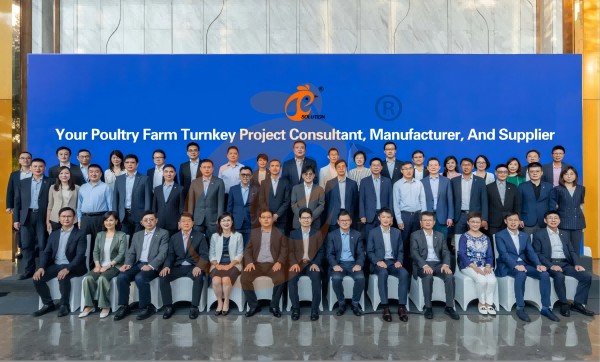
Hong Kong Headquarter Management Team
Hong Kong Headquarter Taiyu Industrial Group CO., LTD
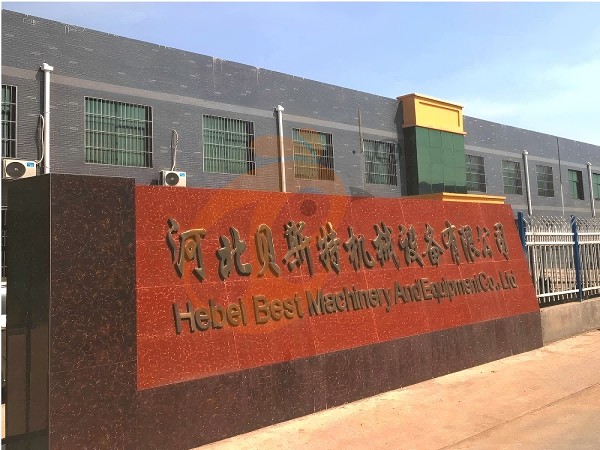
China Hebei Best Machinery And Equipment CO., LTD
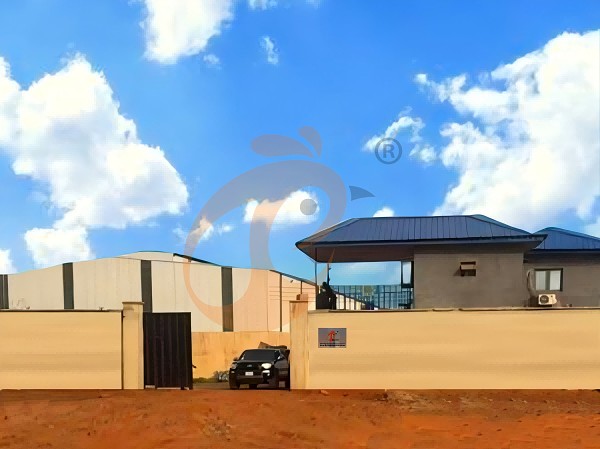
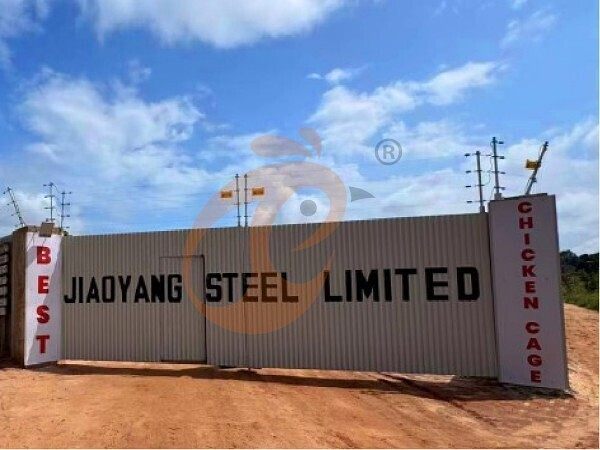
Nigeria Vanke Machinery And Equipment CO., LTD
Tanzania Best Machinery And Equipment CO., LTD
Ethiopia Best Hebei Machinery Manufacturing PLC

Reception /24 WhatsApp NO. : +8618830120193
PRODUCTS RECOMMENDED
 China Branch Manufacture Poultry Farm EquipmentRead More
 Ethiopia Branch Manufacture Poultry Farm EquipmentRead More
 Nigeria Branch Manufacture Poultry Farm EquipmentRead More
 Tanzania Branch Manufacture Poultry Farm EquipmentRead More
 IoT Smart Poultry FarmRead More
 >30,000 Layers Automatic H Type Battery CageRead More
 10,000 - 30,000 Layers Automatic A Type Battery CageRead More


MESSAGE
NEWS
 What Makes A Factory-Direct A Type Chicken Battery Cage More Cost-Effective? 4 ReasonsRead More
 Deep Litter System For Broilers Vs Cage | Which Is More Profitable?Read More
 Free Range Broiler System Vs Intensive Farming | Which Is More Profitable?Read More
 Broiler Floor Rearing System Cost | 6 Factors Affecting PriceRead More