

NEWS
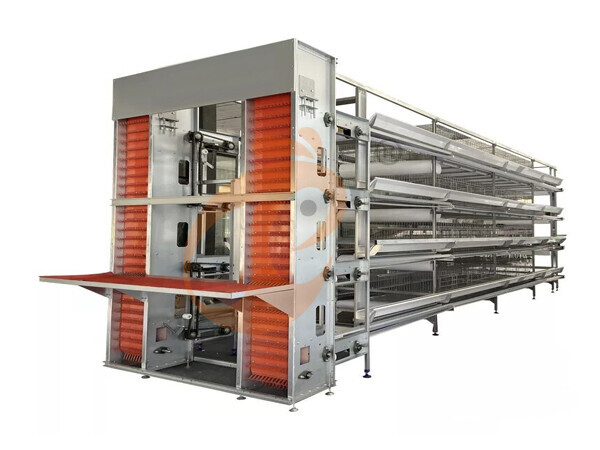
A type battery cage supports small layer farms with tiered housing, organized feeding, drinking, manure, and egg-handling options for beginners.
Smart planning connects flock capacity, house dimensions, labor routines, ventilation requirements, and future expansion before equipment reaches farms during construction.
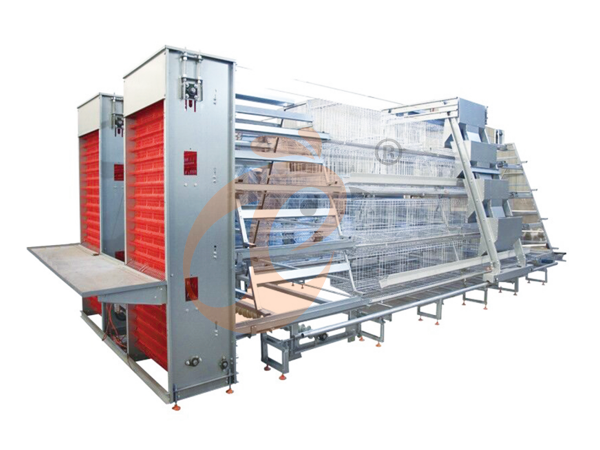
A type layer chicken cage suits compact buildings while supporting organized bird access, cleaner workflows, and equipment integration for production.
Automatic A type chicken cage systems mechanize feeding, watering, manure removal, egg collection, and environmental control as production requirements increase.
- Supplier engineering, installation planning, equipment selection, and budgeting create a practical roadmap for efficient beginner poultry operations with scalable infrastructure.
Get professional poultry farm construction guidance, equipment selection solutions, and the latest price lists, whatsApp to +8618830120193, click to learn more:
Start With The Right Question: What Should Your Farm Look Like?
Production Target → Equipment Plan → House Layout → Expansion Route
A type battery cage planning should begin with the production target rather than a cage quotation.
A practical starting example uses 2,000 hens and a 15–18 week transfer point into layer housing.
Define flock quantity, available building area, labor capacity, automation requirements, and expansion expectations before equipment selection.
An A type layer chicken cage system becomes more practical when feeding, drinking, manure handling, and egg collection are designed as one coordinated workflow.
A 3–4 tier configuration can then be evaluated against the building structure and management plan.
Choose Cage Capacity According To Your Farm Plan
Data is for reference only.Swipe horizontally to view full table.
These configurations show how an A type layer chicken cage changes according to compartment geometry and tier arrangement.
A 2,000-bird project should calculate final cage quantity from selected capacity instead of estimating solely from building size.
Cage selection should also consider bird size, installation access, equipment compatibility, and future extension requirements.
Build The Poultry House Around The Equipment
Wrong Sequence
House Construction → Cage Purchase → Layout Modification
Recommended Sequence
Flock Target → Cage Configuration → Equipment Layout → House Construction
An automatic A type chicken cage project should reserve installation space before construction begins.
One published configuration uses 2,450 mm installed width with feeding equipment, while another reaches 2,800 mm.
Cage rows, working passages, ventilation positions, water pipelines, electrical routes, and manure-handling access should therefore appear on the engineering drawing.
A properly coordinated layout can reduce later structural modifications and simplify equipment commissioning.
What Equipment Should A Beginner Consider?
Data is for reference only.Swipe horizontally to view full table.
An A type battery cage should be treated as the core of an integrated production system.
A 360° nipple arrangement can support controlled drinking access, while conveyor equipment provides defined routes for eggs and manure.
Small farms do not need to automate every operation immediately.
However, electrical points, water connections, conveyor positions, and equipment access should be reserved during the initial construction stage.
Turn Daily Labor Into A Simple Routine
06:00–08:00 — Inspection
Check flock condition, water availability, feed distribution, cage condition, and equipment operation.
10:00–12:00 — Production Handling
Collect eggs, inspect drinking lines, check feed delivery, and remove operational obstructions.
14:00–16:00 — Second Inspection
Review ventilation performance, egg handling, manure accumulation, and mechanical components.
After 16:00 — Maintenance
Record abnormal equipment conditions and complete routine cleaning or adjustment.
A small farm can allocate approximately 30–45 minutes for a complete morning inspection route depending on house configuration.
A structured workflow also creates clearer responsibility when multiple workers share daily operations.
Compare Manual And Automated Equipment
Data is for reference only.Swipe horizontally to view full table.
Automation should follow workload rather than equipment appearance.
For example, an automatic A type chicken cage can combine automatic feeding with mechanical manure handling when repetitive labor becomes a significant operating factor.
A 0.75 kW drive motor can serve as a reference point for conveyor-system planning.
A phased approach can begin with feeding and drinking equipment, followed by manure and egg-handling systems as flock numbers increase.
A Beginner's ''What If?'' Test
Q1: What if the flock expands?
Reserve connection positions for additional cage sections and supporting equipment.
Q2: What if labor costs increase?
Prioritize mechanized feeding and manure handling where repetitive manual work is concentrated.
Q3: What if summer temperatures rise?
Reserve installation positions for ventilation fans, cooling equipment, and environmental controllers.
Q4: What if production expands faster than expected?
Prepare electrical and water infrastructure for additional production lines.
Environmental control can also be connected to centralized monitoring, with 24-hour observation available for critical house conditions.
A good A type layer chicken cage project should therefore solve both present requirements and predictable future changes.
Select A Supplier, Not Just A Cage
Data is for reference only.Swipe horizontally to view full table.
A professional poultry equipment supplier should discuss engineering requirements rather than provide only a product price.
For an A type battery cage project, supplier evaluation should include material documentation, equipment drawings, installation guidance, spare-parts support, and commissioning procedures.
A 2.0–3.5 mm wire range can be reviewed during technical comparison, while actual specifications should follow the selected model.
A complete quotation should identify cage configuration, auxiliary systems, electrical requirements, installation scope, and after-sales service.
Why A Type Battery Cage Can Be Attractive For Small Farms
Data is for reference only.Swipe horizontally to view full table.
An A type layer chicken cage uses a stepped arrangement that organizes birds across multiple vertical levels.
The cage floor can be designed with an approximately 8° slope to guide eggs toward the collection side.
A structured cage layout can also separate birds from accumulated manure and establish defined feeding and egg-handling zones.
For equipment buyers, cage construction should therefore be evaluated together with the supporting production system.
Budget Your First Farm By System, Not By Cage Price
Data is for reference only.Swipe horizontally to view full table.
A commercial poultry project should separate building, cage, automation, electrical, water, installation, and maintenance costs.
For an A type battery cage farm, equipment budgeting should also include transportation, assembly, commissioning, spare parts, and possible future upgrades.
A 45 kg/set cage weight provides a useful reference for transportation and handling calculations.
Budgeting by complete system gives a clearer view of capital requirements than comparing cage prices alone.
Your Five-Step Equipment Roadmap
Data is for reference only.Swipe horizontally to view full table.
The roadmap starts with flock calculation and ends with equipment commissioning.
An A type layer chicken cage project should keep cage selection, building design, automation, and installation connected throughout engineering.
A 2,000-hen planning case can provide a clear starting reference for calculating equipment quantities.
Once every stage is documented, suppliers can prepare a project-specific quotation instead of a generic equipment package.
Ready To Build Your Small Poultry Farm?
Start With Five Inputs
- House drawing.
- Flock target.
- Local climate.
- Labor plan.
- Equipment configuration.
An automatic A type chicken cage can form the structural core of a compact layer operation.
Feeding, drinking, egg collection, manure removal, and environmental equipment can then be matched to production requirements.
A 15–18 week layer transfer stage provides a practical planning point for coordinating housing preparation and equipment commissioning.
The strongest starting point combines engineering drawings, equipment specifications, installation planning, and a defined expansion route.
Frequently Asked Questions
Q1: What farm size is suitable for an A type battery cage?
An A type battery cage can be configured for small and medium layer projects, with cage capacity selected according to the house layout and flock target.
A 90–160 birds/set range is available in common configurations, while exact capacity depends on tier and compartment design.
Q2: Can A type layer chicken cage be automated later?
Yes.
A type layer chicken cage systems can be planned with feeding, drinking, manure, and egg-handling interfaces so automation can be introduced in stages.
A 220/380 V electrical plan should be considered during construction when future equipment upgrades are expected.
Q3: What should be checked before buying the equipment?
Confirm the house dimensions, cage configuration, bird capacity, equipment interfaces, material specifications, electrical requirements, installation scope, and spare-parts arrangement.
A professional project drawing should also define service access and equipment positions before manufacturing begins.
Taiyu (HK) Group - One Of China Largest A Type Battery Cage Manufacturers
A type battery cage provides structured layer housing with configurable tiers, integrated feeding and drinking interfaces, and optional automated manure and egg-handling systems for commercial poultry projects.
Global factory-direct supply covers poultry equipment manufacturing, configuration matching, technical drawings, production coordination, export packing, and equipment delivery for overseas farm projects.
Poultry equipment packages can combine cages, feeding systems, drinking systems, egg collection, manure removal, ventilation, environmental control, and electrical integration according to project specifications.
Turn-key engineering can coordinate farm layout, equipment selection, manufacturing, installation guidance, commissioning procedures, and operational handover from a unified technical project structure.
Project support can be organized around house dimensions, flock capacity, automation requirements, climate conditions, installation schedules, and expansion plans for international poultry production.
Contact Us To Received Your Customized Poultry Farm Plan
Headquarters And Branchs
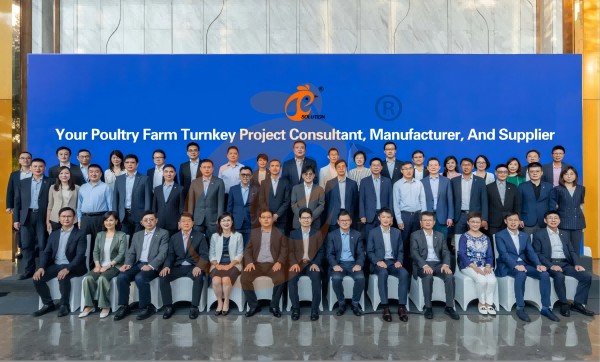
Hong Kong Headquarter Management Team
Hong Kong Headquarter Taiyu Industrial Group CO., LTD
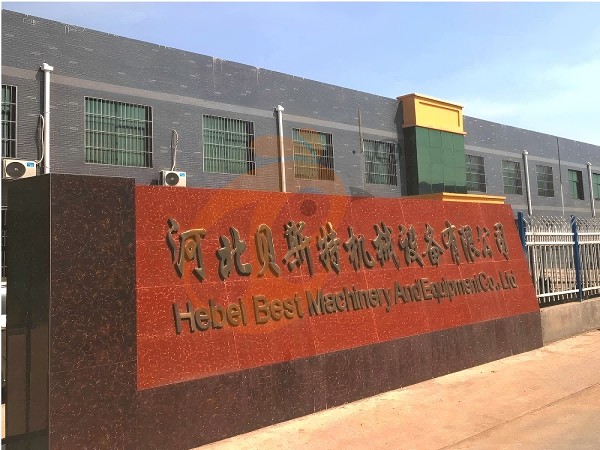
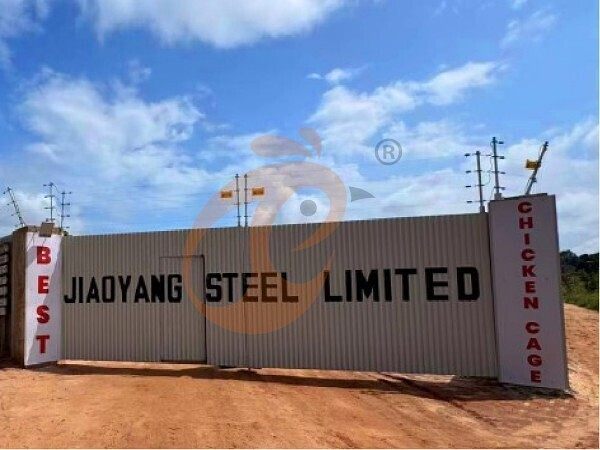
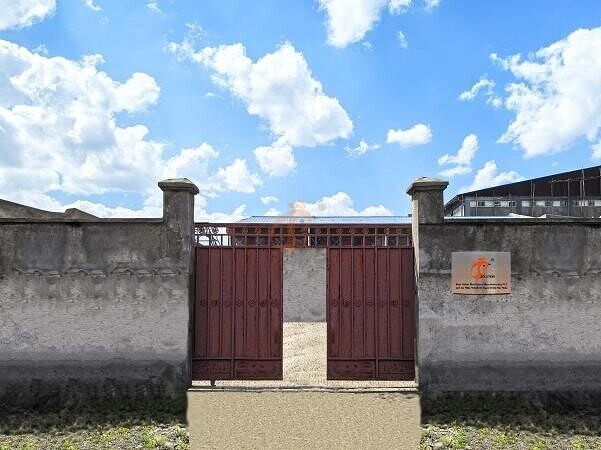
China Hebei Best Machinery And Equipment CO., LTD
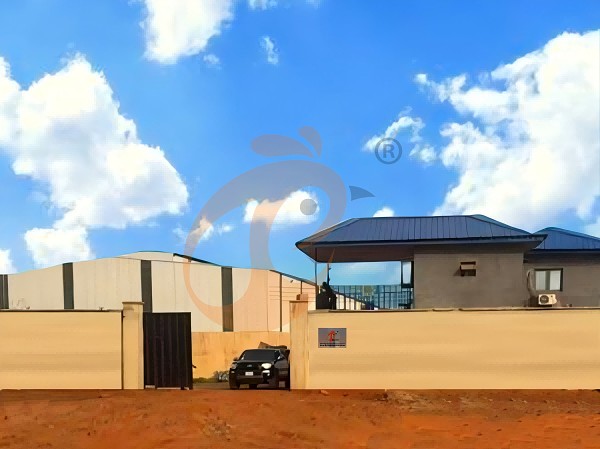
Nigeria Vanke Machinery And Equipment CO., LTD
Tanzania Best Machinery And Equipment CO., LTD
Ethiopia Best Hebei Machinery Manufacturing PLC
Reception /24 WhatsApp NO. : +8618830120193
PRODUCTS RECOMMENDED
 China Branch Manufacture Poultry Farm EquipmentRead More
 Ethiopia Branch Manufacture Poultry Farm EquipmentRead More
 Nigeria Branch Manufacture Poultry Farm EquipmentRead More
 Tanzania Branch Manufacture Poultry Farm EquipmentRead More
 IoT Smart Poultry FarmRead More
 >30,000 Layers Automatic H Type Battery CageRead More
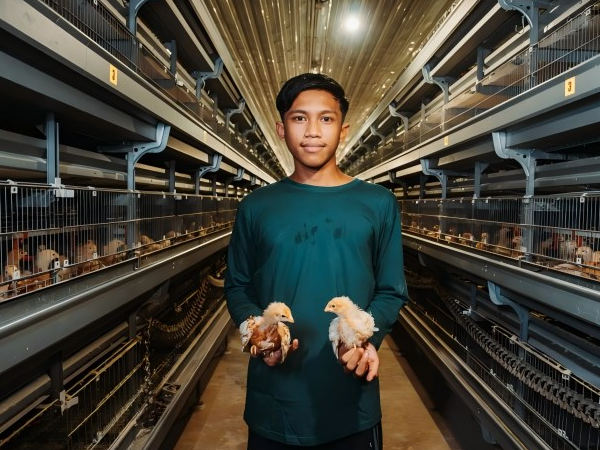
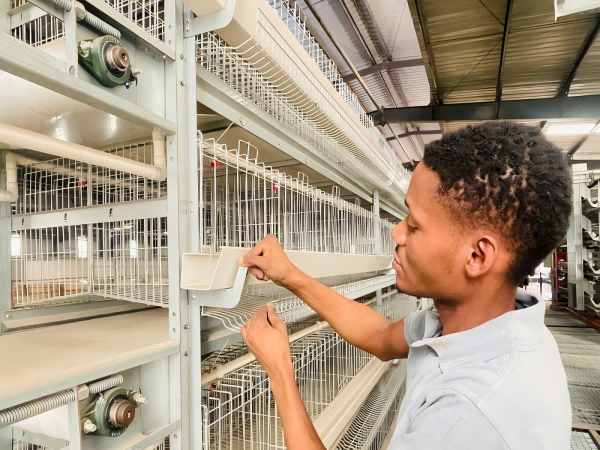
 10,000 - 30,000 Layers Automatic A Type Battery CageRead More
MESSAGE
NEWS
 50,000 - 100,000 chickens/house: poultry farm solution, chicken cage, poultry farm equipment, AI smart managementRead More
 30,000 - 50,000 chickens/house: poultry farm solution, chicken cage, poultry farm equipment, AI smart managementRead More
 10,000 - 30,000 chickens/house: poultry farm solution, chicken cage, poultry farm equipment, AI smart managementRead More
 100 - 10,000 chickens/house: poultry farm solution, chicken cage, poultry farm equipment, AI smart managementRead More