

NEWS
Nipple drinker system efficiency connects water delivery, flock access, and measurable house performance through coordinated equipment design and installation control.
Poultry nipple drinker selection influences activation response, component durability, maintenance intervals, and practical drinking access across changing flock ages.
Automatic chicken drinker configurations combine regulation, filtration, suspension, flushing, and monitoring into a structured water-management arrangement for commercial poultry houses.
Six optimization points address nipple selection, pressure management, line positioning, leakage prevention, water cleanliness, and consumption monitoring with practical engineering parameters.
Integrated equipment planning supports cleaner litter management, predictable maintenance, and scalable poultry-house projects while creating a stronger commercial basis for equipment investment.
Get professional poultry farm construction guidance, equipment selection solutions, and the latest price lists, whatsApp to +8618830120193, click to learn more:
Start With The Water Line, Not The Feed Bill
A poultry house can lose significant value through inefficient drinking systems.
Water leakage increases litter moisture, encourages ammonia buildup, and wastes resources.
A properly engineered nipple drinker system delivers water directly to birds while controlling unnecessary discharge, with 3.0–3.5 m suspension spacing supporting structured line installation.
For commercial houses, durable components can provide over 10 years of service under suitable operating conditions.
The objective is simple: deliver consistent water access with minimal waste.
Equipment selection, installation accuracy, filtration, line management, and maintenance all contribute to that result.
Select The Right Nipple Drinker
Data is for reference only.Swipe horizontally to view full table.
The first efficiency decision is the nipple itself.
Different poultry ages and production systems require suitable activation characteristics.
A precision-manufactured poultry nipple drinker can provide repeatable operation across thousands of drinking events, while 2.5 mm spring wire supports consistent internal mechanical movement.
A professional supplier can configure nipple specifications according to flock type and house conditions.
This creates a purpose-built water delivery system rather than a collection of unrelated components.
The Six-Point Efficiency Check
1. Nipple Selection — Match construction and activation characteristics to the flock.
2. Water Pressure — Maintain a controlled hydraulic environment.
3. Line Height — Position the drinking point for natural bird movement.
4. Water Quality — Prevent particles from reaching internal mechanisms.
5. Leakage Control — Inspect connection points and sealing structures.
6. Routine Maintenance — Flush and inspect according to a fixed schedule.
A complete automatic chicken drinker system can also incorporate 25 mm main-water piping and 20 mm branch lines, depending on house design.
Integrated equipment reduces compatibility issues and makes installation more systematic.
Control Water Pressure
Data is for reference only.Swipe horizontally to view full table.
Pressure is one of the most important variables in a nipple drinking system.
Excessive pressure can increase discharge and leakage, while insufficient pressure may restrict access.
A properly engineered nipple drinker system uses regulation components to establish a controlled hydraulic environment, while 1.0% full-scale gauge accuracy
supports practical inspection.
For commercial farms, pressure monitoring can identify abnormal operating conditions before they become visible.
Adjust The Drinking Line As Birds Grow
Week 1 → Keep nipples accessible to young chicks.
Early Growth → Raise the line progressively.
Mid-Growth → Maintain a natural drinking posture.
Final Stage → Align the system with mature bird body height.
Correct line height is frequently overlooked.
A suspension system should allow adjustment without dismantling the drinking assembly, with 600 mm vertical travel and 2.5 mm galvanized cable supporting practical flock-stage positioning.
Adjustable equipment reduces manual improvisation and makes flock management more consistent throughout the production cycle.
Reduce Leakage With Better Components
Data is for reference only.Swipe horizontally to view full table.
Water that reaches the floor instead of the bird is wasted water.
Small leaks can gradually increase wet-litter problems around drinking lines.
High-quality poultry nipple drinker assemblies with reliable sealing structures help create a tighter system, while engineering-grade PP fittings improve resistance to repeated installation and service handling.
A professionally matched component package can also reduce installation errors and replacement complexity.
From Wet Litter To Better House Management
Consider two poultry houses with similar flock sizes.
House A: Aging components and irregular inspection allow water loss to increase progressively.
House B: Integrated automatic chicken drinker equipment follows a documented maintenance program, with each line checked at 7-day intervals and replacement components prepared before scheduled service.
The difference is system management.
Professional poultry equipment manufacturers therefore focus on complete drinking solutions rather than individual nipples alone.
The goal is to integrate water delivery, suspension, regulation, filtration, and maintenance into one coordinated installation.
Keep Water Clean From Source To Nipple
Data is for reference only.Swipe horizontally to view full table.
Water quality directly influences drinking-system performance.
Sediment can interfere with nipple mechanisms and accumulate inside pipelines.
Filtration at the water entrance provides an initial protection stage, while planned flushing removes material from downstream sections.
For multiple poultry houses, standardized treatment and flushing equipment can simplify maintenance, while a 500 L reserve tank provides additional supply
buffering.
Turn Water Consumption Into A Management Signal
Water consumption is more than a utility cost.
Water data can become an operational signal when recorded consistently.
Normal Pattern → Establish a baseline.
Unexpected Increase → Inspect for leakage.
Unexpected Decrease → Verify water access.
Uneven House Performance → Compare individual lines.
Repeated Abnormal Readings → Investigate equipment and flock conditions.
A nipple drinker system with digital monitoring can use 1-minute recording intervals to create detailed consumption trends, while automated records support faster operational comparison.
The best drinking equipment therefore supports both water delivery and data-based farm management.
Equipment Configuration For A More Efficient Poultry House
Data is for reference only.Swipe horizontally to view full table.
A modern poultry drinking system should be purchased as a complete solution, not simply as a box of nipples.
When equipment components are engineered to work together, installation becomes easier and troubleshooting becomes more straightforward.
Our automatic chicken drinker configuration can integrate water regulation and filtration, while 24 V DC control architecture supports compatible automated
management arrangements.
Our approach focuses on supplying integrated drinking systems that can be configured for different house layouts, flock sizes, and production requirements.
Quick Return On Investment Questions Before You Buy
Data is for reference only.Swipe horizontally to view full table.
Before purchasing, evaluate the whole operating system rather than the unit price of one nipple.
A lower initial price may become less attractive when replacement and maintenance costs accumulate.
Equipment should instead be evaluated according to service life, installation quality, maintenance requirements, and system compatibility.
A commercial poultry nipple drinker project should also consider annual operating hours and planned service manpower when comparing complete equipment
packages.
The practical question is: how efficiently can the complete system deliver water throughout the flock cycle?
Build Efficiency Into The Drinking System From Day One
Data is for reference only.Swipe horizontally to view full table.
Nipple drinker efficiency is ultimately a combination of equipment quality and system management.
A properly engineered nipple drinker system can integrate filtration, regulation, suspension, flushing, and monitoring into one coordinated installation.
25 mm water inlets and 500 L storage capacity can be selected where house layout requires additional supply support.
For poultry producers planning a new house or upgrading an existing facility, integrated equipment can simplify installation and long-term management.
A professional manufacturer can configure nipple quantity, line length, suspension structure, regulators, filters, and monitoring components according to house dimensions and production requirements.
The result is a drinking system designed for controlled water delivery, practical maintenance, and long-term operational value.
If your poultry farm is looking for a complete poultry nipple drinker, selecting an experienced poultry equipment manufacturer can provide a coordinated solution from nipple drinkers and water lines to filtration, pressure control, suspension, and complete drinking-line assemblies.
Frequently Asked Questions
Q1: What determines nipple drinker system efficiency?
Nipple selection, hydraulic regulation, line positioning, water quality, sealing performance, and monitoring collectively determine system efficiency.
A poultry nipple drinker installation should also maintain scheduled inspection at 7-day intervals for practical equipment control.
Q2: How can water waste be reduced in poultry houses?
Correct nipple specifications, suitable regulation, accurate line installation, and reliable seals help reduce unnecessary discharge.
A complete automatic chicken drinker arrangement can also use end-line flushing to maintain pipeline performance.
Q3: Why choose an integrated drinking system?
Integrated equipment matches pipes, regulators, filters, nipples, suspension components, and monitoring devices within one engineering structure.
Such configuration simplifies installation and supports consistent maintenance across multiple poultry houses.
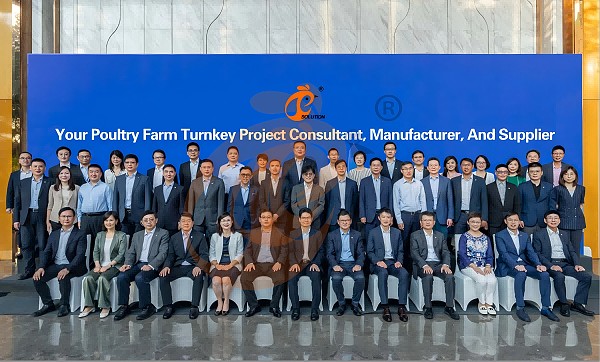
Taiyu (HK) Group - One Of China Largest Nipple Drinker System Manufacturer
Nipple drinker system equipment integrates precision nipples, water lines, regulation, filtration, suspension, flushing, and monitoring into one engineered poultry-house drinking architecture.
Global factory-direct supply provides standardized production, component matching, technical documentation, and direct equipment coordination for international poultry projects.
Poultry equipment manufacturing covers drinking, feeding, ventilation, environmental control, and supporting systems for commercial farm infrastructure.
Turn-key engineering connects equipment selection, house layout, installation coordination, commissioning, and project-based technical support through structured delivery.
International project execution supports scalable poultry-house equipment packages with factory manufacturing and engineering coordination for different production capacities.
Contact Us To Received Your Customized Poultry Farm Plan
Headquarters And Branchs

Hong Kong Headquarter Management Team
Hong Kong Headquarter Taiyu Industrial Group CO., LTD
China Hebei Best Machinery And Equipment CO., LTD
Nigeria Vanke Machinery And Equipment CO., LTD
Tanzania Best Machinery And Equipment CO., LTD
Ethiopia Best Hebei Machinery Manufacturing PLC




Reception /24 WhatsApp NO. : +8618830120193
PRODUCTS RECOMMENDED
 China Branch Manufacture Poultry Farm EquipmentRead More
 Ethiopia Branch Manufacture Poultry Farm EquipmentRead More
 Nigeria Branch Manufacture Poultry Farm EquipmentRead More
 Tanzania Branch Manufacture Poultry Farm EquipmentRead More
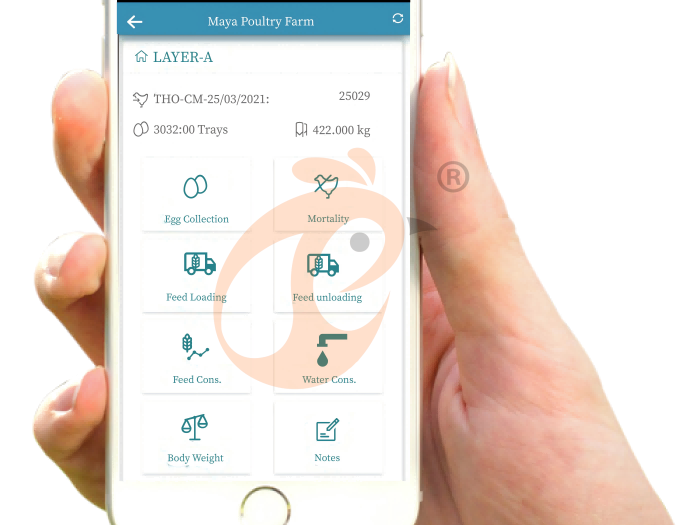
 IoT Smart Poultry FarmRead More
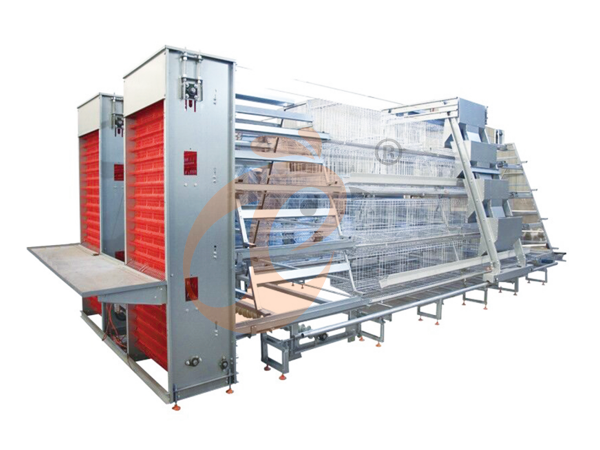
 >30,000 Layers Automatic H Type Battery CageRead More
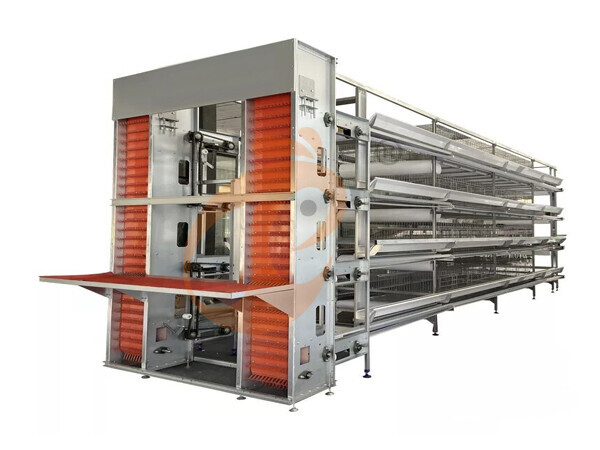
 10,000 - 30,000 Layers Automatic A Type Battery CageRead More
MESSAGE
NEWS
 50,000 - 100,000 chickens/house: poultry farm solution, chicken cage, poultry farm equipment, AI smart managementRead More
 30,000 - 50,000 chickens/house: poultry farm solution, chicken cage, poultry farm equipment, AI smart managementRead More
 10,000 - 30,000 chickens/house: poultry farm solution, chicken cage, poultry farm equipment, AI smart managementRead More
 100 - 10,000 chickens/house: poultry farm solution, chicken cage, poultry farm equipment, AI smart managementRead More