

NEWS
Pralson feeders connect feeding capacity, distribution accuracy, adjustment control, automation, and maintenance into one poultry equipment strategy.
Properly selected poultry feeder systems can align daily feed movement with flock scale while supporting structured house management.
Modern automatic chicken feeders reduce repetitive handling through coordinated drives, controls, sensors, and programmable operating cycles.
Commercial installations benefit from equipment planning that considers house dimensions, maintenance access, future expansion, and installation efficiency.
Practical commercialpoultry feeders transform individual components into an integrated feeding platform with measurable operating parameters and service requirements.
Get professional poultry farm construction guidance, equipment selection solutions, and the latest price lists, whatsApp to +8618830120193, click to learn more:
Start With A Feeding-System Audit
A feeder upgrade should begin with measurable operating conditions rather than simply replacing worn equipment.
Record flock size, house length, existing feeder-line quantity, daily feed consumption, and operating hours.
A practical audit can include a 24-hour feed-use record and a 30-minute inspection cycle to identify uneven delivery, blocked pans, or unnecessary motor operation.
For poultry producers, pralson feeders can be positioned as an equipment upgrade built around measurable production requirements.
The objective is to connect a poultry feeder system with the house's actual operating pattern, using 2–4 inspection points per line and maintaining equipment records for each production cycle.
Match Feeder Capacity To Flock Requirements
Data is for reference only.Swipe horizontally to view full table.
Feeder capacity directly affects equipment planning because bird access must correspond with the production scale.
When a house contains 20,000 birds, even a difference of 5 birds per feeding point changes the required number of access points significantly.
A pralson commercial poultry feeder solution can be configured around flock quantity and building dimensions instead of applying one fixed layout to every farm.
For example, a house measuring 120 m in length may require a different line arrangement from a 180 m house, even when the production system is otherwise
similar.
Improve Feed Distribution Along The Line
Data is for reference only.Swipe horizontally to view full table.
Feed reaching the building is not enough; feed must arrive at usable feeding points with controlled timing.
A distribution assessment should therefore examine the relationship between line length and delivery rate, with a 10-minute feed-cycle observation providing a practical operating reference.
Pralson feeders can be marketed as part of a coordinated poultry feeder system rather than as isolated pans.
For example, a properly selected drive arrangement can move feed through a 100 m line within approximately 13–25 minutes, depending on operating speed
and system configuration.
Adjust The Feeder For Flock Development
Data is for reference only.Swipe horizontally to view full table.
START
Position the feeder according to the initial bird size and house conditions.
ADJUST
Change the suspension position as bird body size develops.
CONTROL
Maintain consistent access while preventing unnecessary feed accumulation.
This staged approach makes feeder adjustment an operational tool rather than an occasional repair activity.
A 25 mm positioning change can alter bird access noticeably, while a 10 mm adjustment increment provides useful control when operators fine-tune equipment
during the production cycle.
Add Automation To Reduce Repetitive Work
Data is for reference only.Swipe horizontally to view full table.
MANUAL ROUTINE
Inspect, start, monitor, and stop the line.
AUTOMATED ROUTINE
Schedule, detect, operate, and verify.
Automation becomes more valuable when multiple feeding lines operate simultaneously.
A controller managing 4–8 lines can reduce repeated operator actions, while a programmable cycle of 1–60 minutes allows operating schedules to be adapted to different production routines.
Pralson equipment can therefore be presented as a foundation for a more coordinated automatic chicken feeder system.
Integrating motors, controllers, sensors, and feeders creates an equipment package that addresses feeding performance and operational workload.
Design Maintenance Into The Upgrade
Data is for reference only.Swipe horizontally to view full table.
A feeder should remain serviceable throughout repeated production cycles, so maintenance needs to be considered before installation.
A 7-day inspection interval provides a practical routine, while recording operating time at 500-hour intervals helps operators organize scheduled component checks.
For pralson feeder systems, maintainability can become part of the sales proposition.
Accessible components, organized spare-parts planning, and documented service procedures can reduce the time required for routine intervention, particularly
across houses operating several feeding lines simultaneously.
Five Strategies At A Glance
Data is for reference only.Swipe horizontally to view full table.
These five strategies cover the main equipment decisions involved in a feeder modernization project.
Together they provide a structured method for evaluating an existing poultry house before purchasing replacement equipment.
A producer can begin with one production house, document its operating results, and then apply the equipment configuration to additional houses.
This approach makes the upgrade process measurable without requiring every building to be modified simultaneously.
Build The Feeding System As One Equipment Package
Data is for reference only.Swipe horizontally to view full table.
A complete feeding system should be evaluated as a combination of storage, transport, distribution, suspension, and control equipment.
Using a 36–60 mm auger diameter alongside appropriately sized transport components allows the system to be specified according to actual feed-flow
requirements.
This is where pralson can move beyond individual feeder sales.
A poultry-equipment supplier that evaluates the complete system can provide a more useful solution, particularly for customers installing new houses or upgrading several existing buildings.
Measure Equipment Value Beyond Purchase Price
Data is for reference only.Swipe horizontally to view full table.
A feeder quotation should be assessed together with installation, electricity use, service labor, and component replacement.
Tracking kWh per day and minutes of service per line per week gives producers measurable information for comparing equipment configurations.
For equipment buyers, this converts a product discussion into an operating-cost discussion.
For pralson, this creates a stronger marketing position because the feeder can be evaluated according to measurable farm requirements rather than purchase
price alone.
Follow A Practical Upgrade Sequence
Data is for reference only.Swipe horizontally to view full table.
SURVEY → CALCULATE → CONFIGURE → INSTALL → COMMISSION → RECORD
The sequence prevents equipment selection from being separated from the physical conditions of the poultry house.
A 30–60 minute commissioning test can be used to check line movement, feed delivery, electrical operation, and adjustment functions before full production begins.
For farms planning several upgrades, the first completed house can provide an equipment reference for subsequent buildings.
Pralson can support this process by presenting feeder equipment as a scalable system rather than a one-time replacement product.
Turn Equipment Specifications Into A Sales Advantage
Data is for reference only.Swipe horizontally to view full table.
A professional poultry-equipment sales conversation should connect specifications with the customer's operating requirements.
Instead of presenting only a feeder model, pralson can discuss line length, drive selection, feeder quantity, automation architecture, and maintenance planning.
This approach gives distributors and farm owners a clearer technical basis for equipment selection.
It also makes the pralson brand easier to position as a supplier of integrated poultry feeding equipment, rather than simply another feeder component
manufacturer.
Upgrade Smarter With Pralson Feeders
The five strategies provide a practical framework: match equipment capacity to the flock, improve feed distribution, adjust the feeder as birds develop, introduce
coordinated automation, and plan maintenance from installation onward.
A complete assessment should include at least 6 equipment categories and document performance before and after the upgrade.
Pralson feeders can form the core of this modernization strategy when the equipment is specified according to house dimensions, flock requirements, feed-delivery conditions, and control architecture.
With a 30–60 minute commissioning procedure and scheduled equipment inspections, producers can establish measurable operating records for future upgrades.
The right feeder upgrade is therefore not simply a replacement purchase.
It is an equipment decision covering capacity, distribution, adjustment, automation, and serviceability.
For poultry producers seeking a more organized feeding operation, pralson feeders provide a practical starting point for building a professionally configured poultry-house equipment system.
Frequently Asked Questions
Q1: What should be checked before upgrading pralson feeders?
A: Review house dimensions, flock population, feeder layout, feed movement, electrical configuration, and maintenance access before selecting equipment.
Q2: When does an automatic chicken feeder system make sense?
A: Automation becomes particularly useful across multiple feeding lines, where scheduled operation and coordinated controls can reduce repetitive manual intervention.
Q3: How should commercial poultry feeders be selected for expansion?
A: Select equipment from current flock requirements while allowing installation flexibility for future houses, additional lines, and changing production volumes.
Taiyu (HK) Group - One Of China Toppest Pralson Feeders Manufacturer
Pralson feeders integrate feeder pans, feed lines, drives, suspension, controls, and service planning into a technically coordinated poultry feeding equipment package.
Global factory-direct supply supports standardized poultry equipment sourcing with engineering coordination, component selection, production inspection, and export documentation.
Turn-key engineering covers equipment configuration, production scheduling, installation coordination, commissioning procedures, and project-specific technical documentation.
Multi-house projects can use standardized equipment specifications, centralized technical communication, and scalable system planning for commercial poultry production.
Export-oriented manufacturing supports overseas distributors, farm developers, and poultry integrators requiring coordinated equipment supply from project design through delivery.
Contact Us To Received Your Customized Poultry Farm Plan
Headquarters And Branchs

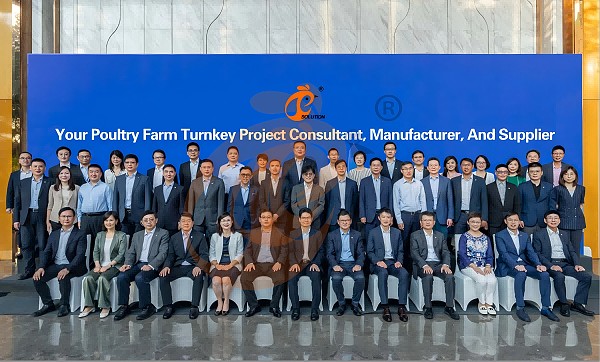
Hong Kong Headquarter Management Team
Hong Kong Headquarter Taiyu Industrial Group CO., LTD
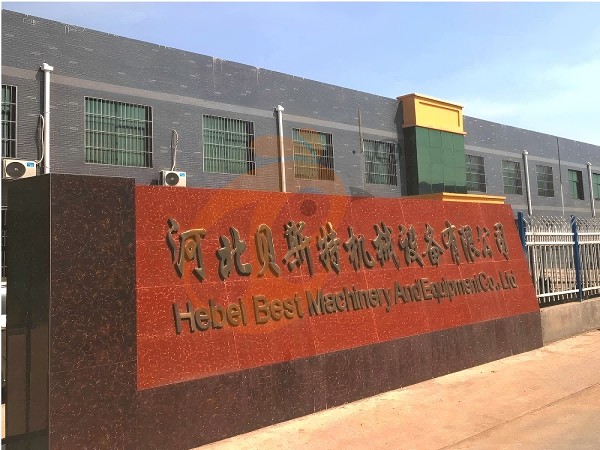
China Hebei Best Machinery And Equipment CO., LTD
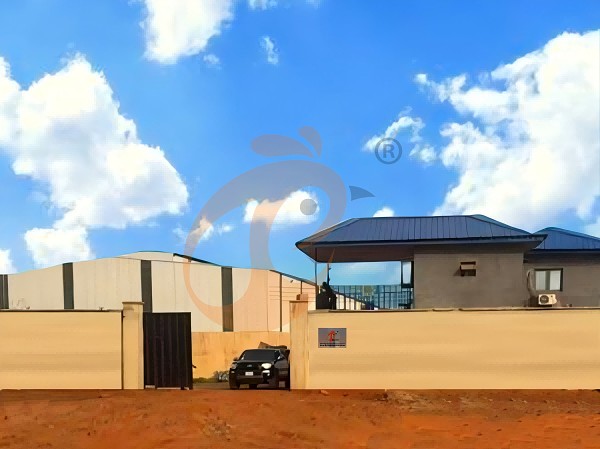
Nigeria Vanke Machinery And Equipment CO., LTD
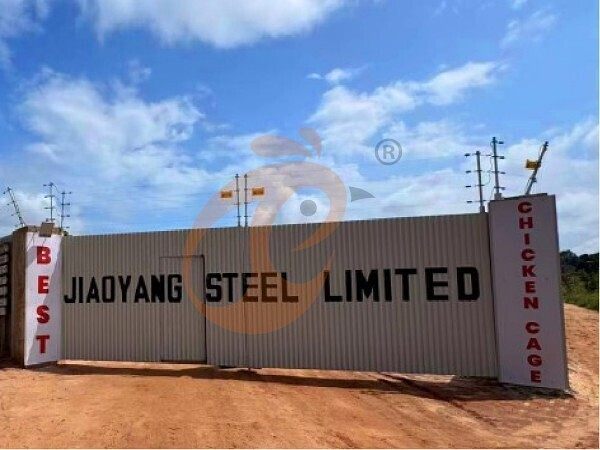
Tanzania Best Machinery And Equipment CO., LTD
Ethiopia Best Hebei Machinery Manufacturing PLC

Reception /24 WhatsApp NO. : +8618830120193
PRODUCTS RECOMMENDED
 China Branch Manufacture Poultry Farm EquipmentRead More
 Ethiopia Branch Manufacture Poultry Farm EquipmentRead More
 Nigeria Branch Manufacture Poultry Farm EquipmentRead More
 Tanzania Branch Manufacture Poultry Farm EquipmentRead More
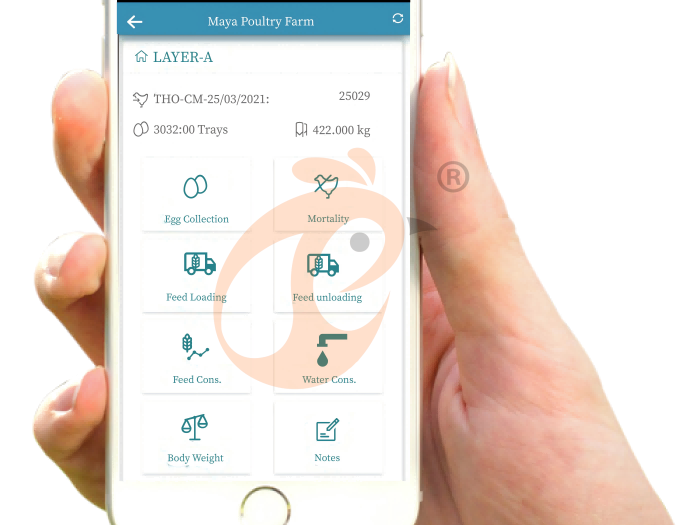
 IoT Smart Poultry FarmRead More
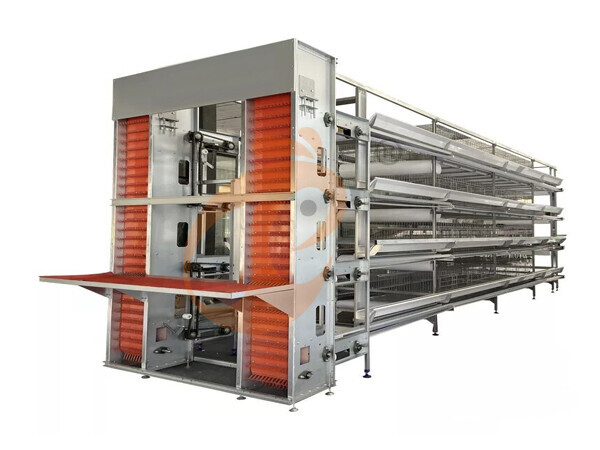
 >30,000 Layers Automatic H Type Battery CageRead More
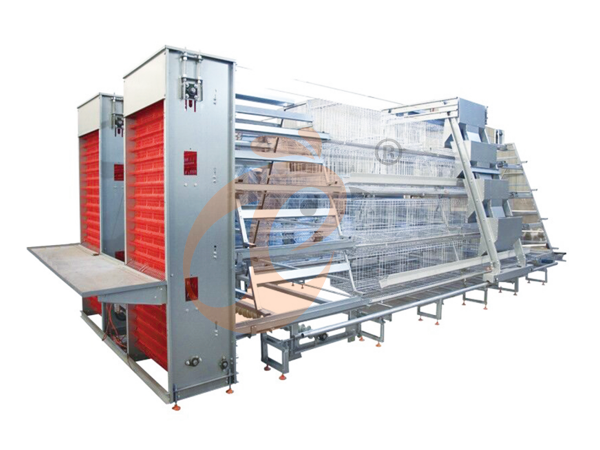
 10,000 - 30,000 Layers Automatic A Type Battery CageRead More
MESSAGE
NEWS
 50,000 - 100,000 chickens/house: poultry farm solution, chicken cage, poultry farm equipment, AI smart managementRead More
 30,000 - 50,000 chickens/house: poultry farm solution, chicken cage, poultry farm equipment, AI smart managementRead More
 10,000 - 30,000 chickens/house: poultry farm solution, chicken cage, poultry farm equipment, AI smart managementRead More
 100 - 10,000 chickens/house: poultry farm solution, chicken cage, poultry farm equipment, AI smart managementRead More