

NEWS
Poultry feed mixer performance directly influences blend consistency, production control, and daily feeding efficiency across modern poultry operations, with practical systems processing formulations containing 10–14 ingredients per batch.
Chicken feed mixer selection affects labor organization, material handling, and production scalability, while correctly configured equipment can support feed programs serving thousands of birds through controlled batch preparation.
Industrial feed mixer systems connect mixing with weighing, conveying, dosing, and pelletizing, creating a coordinated production route capable of handling different formulations and ingredient combinations.
Feed preparation also depends on particle characteristics, moisture management, ingredient sequence, and equipment configuration, with suitable systems supporting formulation changes within approximately 5–15 minutes.
Commercial equipment decisions therefore require attention to mechanical design, processing workflow, maintenance requirements, and future expansion rather than relying only on nominal capacity or purchase price.
Get professional poultry farm construction guidance, equipment selection solutions, and the latest price lists, whatsApp to +8618830120193, click to learn more:
Mixing Performance At A Glance
Data is for reference only.Swipe horizontally to view full table.
Feed Mixer Configuration And Engineering Data
Data is for reference only.Swipe horizontally to view full table.
Traditional Mixing Creates A Labor Equation
Consider the workflow rather than the machine.
Weigh → transfer → spread → turn → repeat → inspect → reload.
Every additional manual cycle introduces another opportunity for variation.
A commercial poultry operation processing 6–12 feed batches per day can quickly turn mixing into a recurring labor bottleneck.
A dedicated industrial feed mixer changes this workflow by concentrating mechanical blending into one controlled process, allowing operators to spend more time
on feeding systems, flock monitoring, and equipment management.
The marketing value is therefore operational: equipment does not merely replace a mixing tool; equipment helps restructure daily farm labor.
Particle And Ingredient Handling Parameters
Data is for reference only.Swipe horizontally to view full table.
The Equipment Buyer's Decision Map
If your farm is expanding: prioritize repeatable batch production.
If your formulation contains micro-additives: prioritize controlled dispersion.
If labor is becoming expensive: prioritize mechanical handling.
If several poultry houses share one feed-production point: prioritize centralized processing.
For example, a farm using 25–40 g of feed per bird per day across 30,000 birds needs a fundamentally different preparation strategy from a small household flock.
A poultry feed mixer becomes part of production infrastructure rather than a standalone convenience.
Operational Control Parameters
Data is for reference only.Swipe horizontally to view full table.
Feed Quality Is Also About Process Repeatability
A professional feed system should make yesterday’s batch reproducible today.
This is where chicken feed mixer design becomes a commercial equipment advantage.
With automated sequencing, the operator can define the order of ingredient addition, mixing, and discharge.
A practical system may record 10–20 production variables per batch, while automated weighing can maintain dosing deviations around ±0.5–1.0% for major ingredients.
Instead of asking workers to remember the process, equipment makes the process measurable.
Maintenance-Oriented Mixer Specifications
Data is for reference only.Swipe horizontally to view full table.
Why Poultry Equipment Integration Matters
Data is for reference only.Swipe horizontally to view full table.
A industrial feed mixer becomes more valuable when it connects smoothly with the rest of the poultry-feed line.
For equipment suppliers, integration creates an opportunity to provide a complete processing solution rather than selling an isolated machine.
Final Comparison: Which System Fits A Modern Poultry Farm?
Data is for reference only.Swipe horizontally to view full table.
For a growing chicken farm, the central question is not whether traditional mixing can produce feed.
Traditional mixing can produce feed.
The question is whether the process can remain measurable, repeatable, and commercially manageable as production expands.
Modern poultry feed mixer systems provide a structured route from ingredient preparation to finished feed, while integrated weighing, dosing, conveying, and
pelletizing equipment can further standardize the poultry production workflow.
For farms seeking equipment that supports controlled feed preparation rather than manual batch handling, a properly configured feed mixer is a practical
investment in the entire chicken-house operation.
Frequently Asked Questions
Q1: Does a feed mixer improve feed uniformity?
Yes.
Mechanical circulation reduces localized ingredient concentration and provides controlled blending conditions, particularly when formulations contain multiple micro-ingredients.
Sampling from at least 5 batch locations can provide a useful verification method for distribution consistency.
Q2: When should a poultry farm replace traditional mixing?
Replacement becomes commercially relevant when daily production requires repeated manual batches, multiple labor inputs, or several feeding locations.
A farm processing more than 2–3 tons of feed daily can benefit from evaluating mechanized preparation based on workflow and expansion requirements.
Q3: What should buyers consider before selecting a feed mixer?
Buyers should evaluate formulation characteristics, required batch frequency, ingredient handling, equipment integration, maintenance access, and future production expansion.
A suitable configuration should match the complete feed-processing route rather than only the mixer chamber size.
Taiyu (HK) Group - One Of China Toppest Feed Mixer Manufacturer
Feed mixer equipment combines controlled material circulation, engineered mechanical transmission, and configurable processing parameters for consistent poultry-feed preparation across different production scales.
Global factory direct sales provide equipment sourcing from manufacturing facilities, with technical configuration based on project capacity, material characteristics, and installation requirements.
Poultry equipment solutions can connect crushers, mixers, conveyors, weighing systems, liquid dosing units, pellet mills, and packing equipment within one coordinated production structure.
Turn-key engineering covers process planning, equipment matching, line configuration, installation coordination, commissioning support, and project-based technical documentation.
International poultry projects can therefore use integrated equipment planning to establish production lines aligned with specified feed volumes, site layouts, and operating procedures.
Contact Us To Received Your Customized Poultry Farm Plan
Headquarters And Branchs

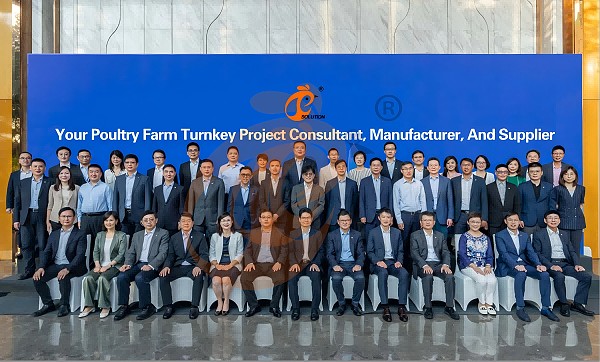
Hong Kong Headquarter Management Team
Hong Kong Headquarter Taiyu Industrial Group CO., LTD
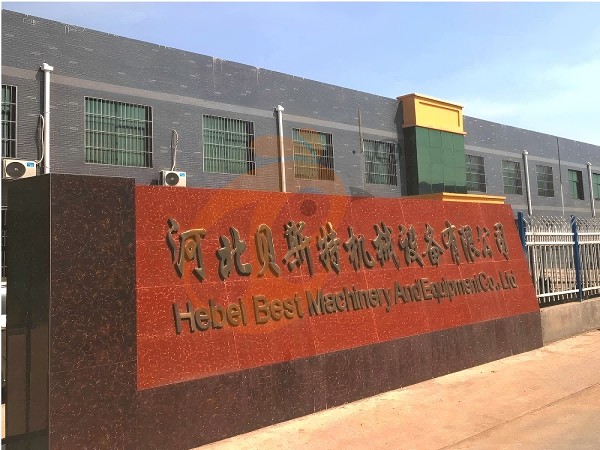
China Hebei Best Machinery And Equipment CO., LTD
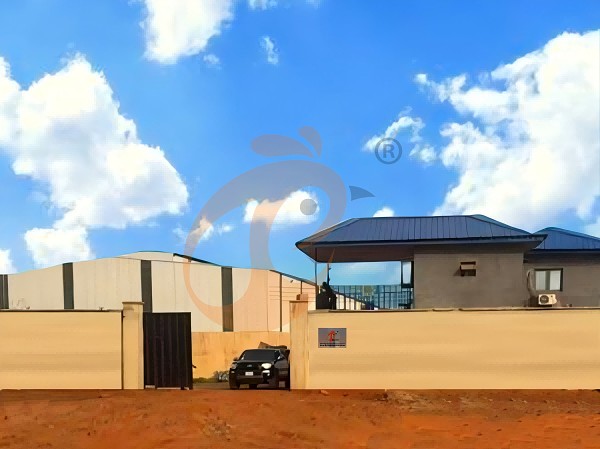
Nigeria Vanke Machinery And Equipment CO., LTD
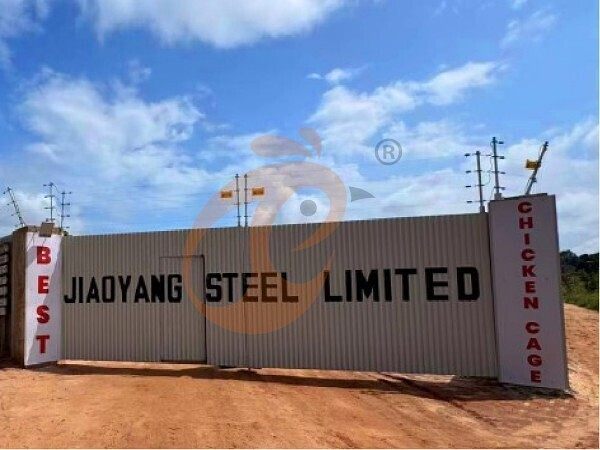
Tanzania Best Machinery And Equipment CO., LTD
Ethiopia Best Hebei Machinery Manufacturing PLC

Reception /24 WhatsApp NO. : +8618830120193
PRODUCTS RECOMMENDED
 China Branch Manufacture Poultry Farm EquipmentRead More
 Ethiopia Branch Manufacture Poultry Farm EquipmentRead More
 Nigeria Branch Manufacture Poultry Farm EquipmentRead More
 Tanzania Branch Manufacture Poultry Farm EquipmentRead More
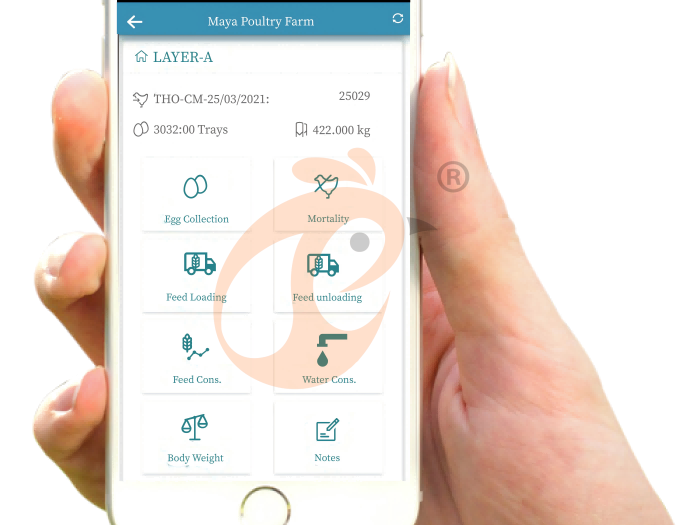
 IoT Smart Poultry FarmRead More
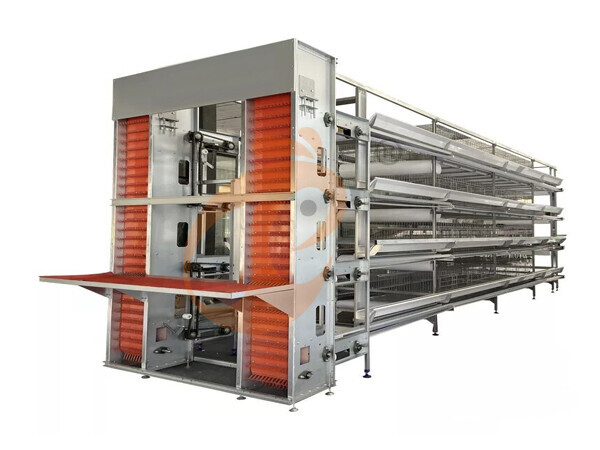
 >30,000 Layers Automatic H Type Battery CageRead More
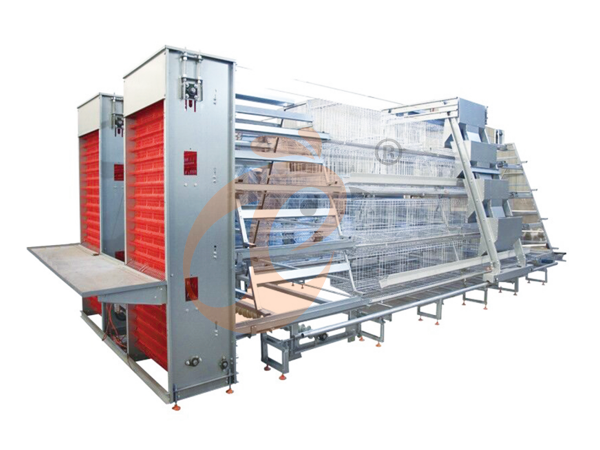
 10,000 - 30,000 Layers Automatic A Type Battery CageRead More
MESSAGE
NEWS
 50,000 - 100,000 chickens/house: poultry farm solution, chicken cage, poultry farm equipment, AI smart managementRead More
 30,000 - 50,000 chickens/house: poultry farm solution, chicken cage, poultry farm equipment, AI smart managementRead More
 10,000 - 30,000 chickens/house: poultry farm solution, chicken cage, poultry farm equipment, AI smart managementRead More
 100 - 10,000 chickens/house: poultry farm solution, chicken cage, poultry farm equipment, AI smart managementRead More