Labor Cost As A Structural Constraint In Ethiopian Egg Farming
Ethiopia's poultry sector is transitioning from traditional scavenging systems toward semi-intensive and commercial layer production.
However, labor inefficiency remains a critical bottleneck, particularly in regions such as Oromia, Amhara, and around Addis Ababa where
farm expansion is accelerating.
In traditional systems, egg collection, feeding, watering, and manure removal are highly labor-intensive, leading to elevated operational
costs and inconsistent productivity.
Empirical data indicates that labor costs in Ethiopian layer farms range between 100–120 Ethiopian Birr per bird annually, depending on
scale and management intensity.
For medium-scale farms (5000–20000 layers), labor can account for a significant portion of non-feed operating expenses.
Data is for reference only.Swipe horizontally to view full table.
| Farm Size (Layers) | Labor Cost Per Bird (Ethiopian Birr/Year) | Total Annual Labor Cost (Ethiopian Birr) | Labor Share Of Non-Feed Cost (%) |
| 5000 | 120 | 600000 | 35–40% |
| 10000 | 120 | 1200000 | 30–38% |
| 20000 | 115 | 2300000 | 28–35% |
| 50000 | 105 | 5250000 | 25–30% |
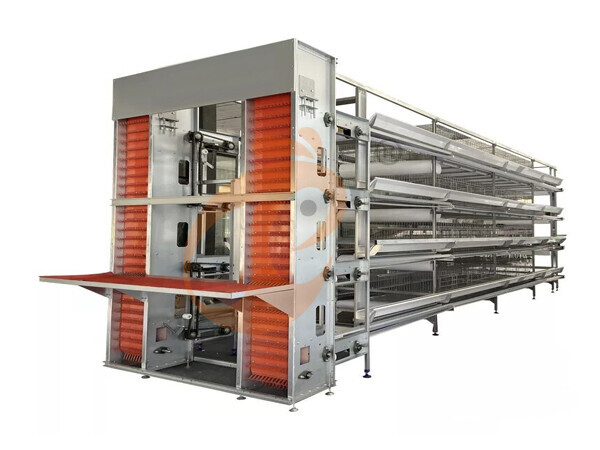
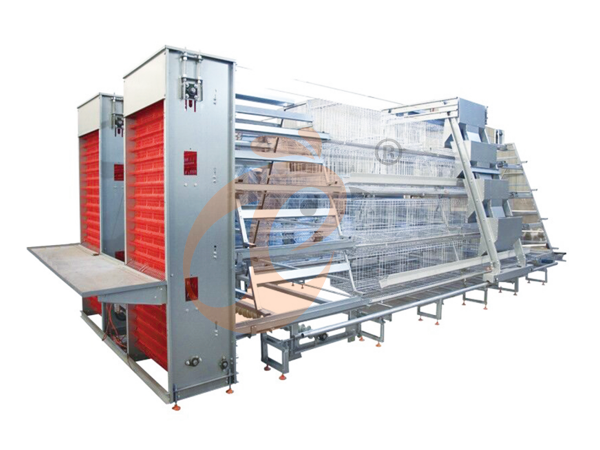
The A-type automatic poultry cage system is widely adopted in Ethiopia due to its adaptability to local farm sizes and infrastructure limitations.
It typically consists of multi-tier chicken cage rows arranged in an A shape, integrated with feeding, watering, and manure handling systems.
This system aligns with the growing demand for efficient egg production in Ethiopia.
Data is for reference only.Swipe horizontally to view full table.
| Parameter | Specification |
| Tier Options | 3-tier / 4-tier |
| Birds Per Cage | 3–5 layers |
| Stocking Density | About 70 birds per square meter |
| Material | Hot-dip galvanized steel |
| Lifespan | 25 years |
| Automation Level | Manual / semi-auto / full-auto |
| Space Efficiency | 0.4–1.0 square meters per 50 birds |
Ethiopian Pain Points: Why Labor Cost Is High
Labor inefficiency in Ethiopian egg farms is driven by several localized constraints.
Limited mechanization in rural areas increases dependency on manual processes.
Manual egg collection and feeding create operational delays and inconsistency.
There are also skill gaps in modern poultry management, especially in remote farming regions.
High worker turnover further increases training and management costs.
Data is for reference only.Swipe horizontally to view full table.
| Farm Size | Workers (Manual) | Workers (Automated) | Labor Reduction (%) |
| 5000 Birds | 10 | 4 | 60% |
| 10000 Birds | 18 | 7 | 61% |
| 20000 Birds | 30 | 12 | 60% |
| 50000 Birds | 70 | 25 | 64% |
Smart Way 1: Automate Feeding Systems To Eliminate Manual Labor Bottlenecks
Feed management is the most labor-intensive daily activity in Ethiopian poultry farms.
Manual feeding often leads to uneven feed distribution and measurable wastage.
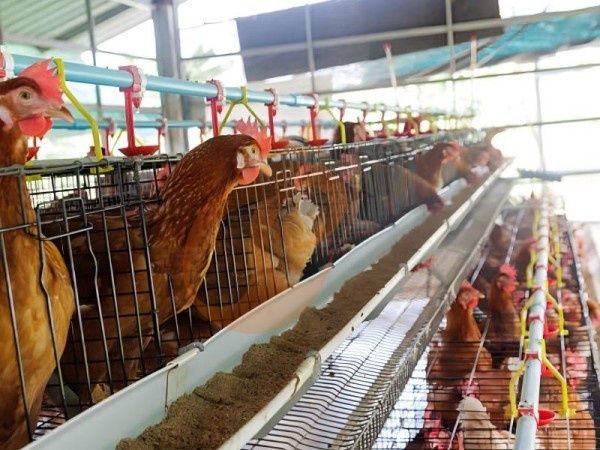
The automatic poultry feeding system integrated into A-type cages ensures consistent feeding and reduces human dependency.
This directly contributes to poultry farm labor cost reduction strategies.
Data is for reference only.Swipe horizontally to view full table.
| Parameter | Manual Feeding | Automatic Feeding |
| Workers Required (10000 birds) | 6 | 2 |
| Feed Wastage (%) | 10–15% | 3–5% |
| Feeding Time Per Day | 4–5 hours | 1–2 hours |
| Labor Cost (Ethiopian Birr/Month) | 24000 | 8000 |
European union standard reference only
Egg collection in traditional systems requires significant manpower and results in breakage losses.
The automatic egg collection system uses conveyor belts to transport eggs safely and efficiently.
This improves product quality and reduces manual handling requirements.
It is particularly relevant for farms supplying urban markets like Addis Ababa.
Data is for reference only.Swipe horizontally to view full table.
| Parameter | Manual Collection | Automatic Collection |
| Workers Needed (10000 birds) | 4 | 1 |
| Egg Breakage Rate (%) | 5–8% | 1–2% |
| Collection Time | 3–4 hours | Less than 1 hour |
| Daily Labor Cost (Ethiopian Birr) | 1200 | 300 |
European union standard reference only
Smart Way 3: Automated Manure Removal For Labor And Hygiene Efficiency
Manure management is a major operational challenge in Ethiopia due to climate conditions.
Manual cleaning increases ammonia levels and creates health risks for layers.
Automated manure belt systems allow continuous removal, improving air quality and hygiene.
This also reduces the labor required for cleaning tasks.
Data is for reference only.Swipe horizontally to view full table.
| Parameter | Manual Cleaning | Automatic Belt System |
| Cleaning Frequency | Weekly | Daily or continuous |
| Workers Required | 3–5 | 1 |
| Ammonia Level | Elevated | Controlled |
| Disease Risk | Increased | Reduced |
Smart Way 4: Integrating Iot And Smart Monitoring Systems
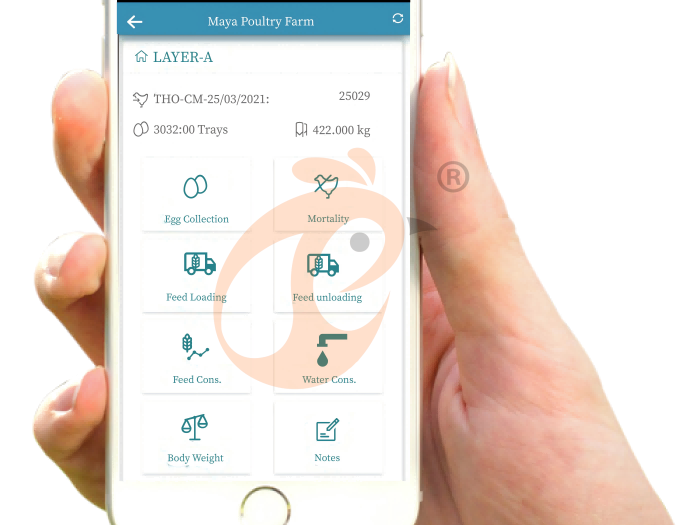
Modern A-type systems in Ethiopia increasingly incorporate IoT technologies.
These systems monitor environmental conditions such as temperature and humidity.
Farmers can remotely control feeding and ventilation, reducing the need for constant supervision.
This supports long-term poultry farm automation Ethiopia strategies.
Data is for reference only.Swipe horizontally to view full table.
| Component | Cost (Ethiopian Birr) | Function |
| Environmental Sensors | 44000–110000 | Monitor temperature and humidity |
| Smart Controllers | 66000–165000 | Control feeding and ventilation |
| Software Dashboard | 44000 per year | Data analysis |
| Installation | 55000–110000 | Setup and training |
European union standard reference only
Economic Impact: Labor Cost Reduction And Return On Investment
The adoption of automated A-type poultry cage systems significantly improves farm profitability.
Labor cost savings alone can justify the initial investment within a short period.
This is especially relevant in Ethiopia where labor costs continue to increase in commercial farming areas.
Data is for reference only.Swipe horizontally to view full table.
| Category | Manual System | Automated A-Type |
| Monthly Labor Cost (Ethiopian Birr) | 80000 | 32000 |
| Annual Labor Cost (Ethiopian Birr) | 960000 | 384000 |
| Labor Savings (Ethiopian Birr) | Not applicable | 576000 |
| Return On Investment Period | Not applicable | 12–18 months |
European union standard reference only
Local Case Insight: Ethiopian Farm Transformation
A layer farm near Bishoftu transitioning to an A-type automatic poultry cage system reported measurable improvements.
Labor requirements decreased while production efficiency increased.
Feed utilization became more consistent and mortality rates declined.
These results demonstrate the practical benefits of automation in Ethiopian conditions.
Data is for reference only.Swipe horizontally to view full table.
| Indicator | Before | After |
| Workers | 12 | 8 |
| Mortality Rate (%) | 6 | 4.8 |
| Egg Production (Eggs Per Hen/Year) | 280 | 310 |
| Feed Conversion Ratio | 1.9 | 1.75 |
Strategic Recommendations For Ethiopian Farmers
To maximize labor cost reduction, Ethiopian farmers should adopt a phased approach.
Starting with semi-automatic systems allows manageable investment levels.
Gradual upgrades to full automation improve efficiency over time.
Training workers to operate automated systems is also essential.
Data is for reference only.Swipe horizontally to view full table.
| Stage | Investment Level | Key Features | Labor Reduction (%) |
| 1 | Basic | Manual A-type chicken cage | 10–20% |
| 2 | Intermediate | Automatic feeding and drinking | 30–40% |
| 3 | Advanced | Full automation and IoT integration | 50–70% |
Frequently Asked Questions About Labor Reduction In Ethiopian Poultry Farms
Q1: Is the A-type automatic poultry cage system suitable for Ethiopian climate conditions?
Yes, it is suitable when combined with proper ventilation and temperature control systems.
Ethiopia's varying climate zones require adaptable designs, and A-type systems can be configured for both highland and lowland conditions.
Q2: Can small-scale Ethiopian farmers afford automation?
Yes, by starting with semi-automatic systems and gradually upgrading.
This reduces initial investment pressure while still achieving partial labor cost savings.
Q3: What is the main challenge when adopting automation in Ethiopia?
The main challenge is technical training and maintenance support.
Providing local training and ensuring spare parts availability can effectively address this issue.
Ethiopia Best Hebei Machinery Manufacturing Plc - One Of Ethiopia Largest Automatic Poultry Cage System Supplier
Global factory direct supply ensures competitive pricing and consistent equipment quality for Ethiopian poultry farms.
Specialized in poultry farm equipment including advanced A-type poultry cage systems for egg production efficiency.
Provides complete poultry cage solutions tailored to local Ethiopian farm conditions and requirements.
Offers full Turn-key project services covering design, installation, and technical training support.
Strong after-sales service system ensures long-term operation stability and spare parts availability.