

BLOG
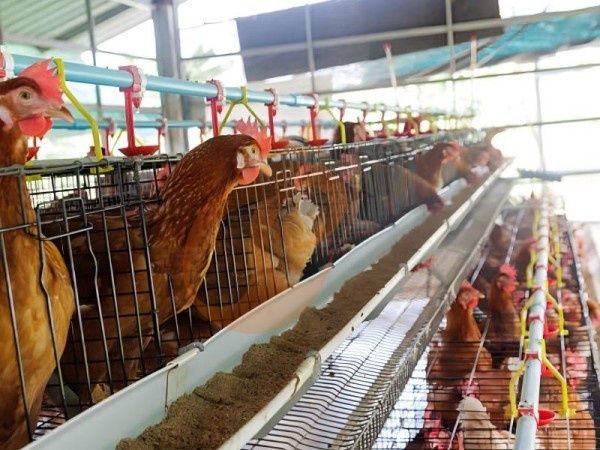
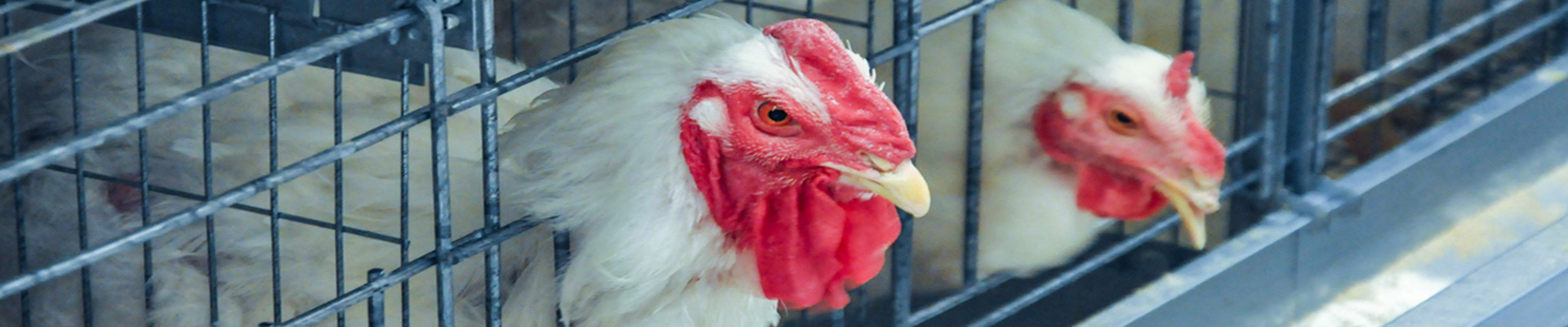
A type poultry cage system is essential for improving egg production efficiency in Ethiopia's growing poultry sector.
Ethiopia's diverse climate requires durable and adaptable poultry housing solutions for consistent performance.
Proper safety features reduce disease risks and improve long-term farm profitability.
Local farming conditions demand systems that function under limited electricity and water supply.
Investment in modern poultry infrastructure supports food security and urban egg demand growth.
Get professional poultry farm construction guidance, equipment selection solutions, and the latest price lists, whatsApp to +8618830120193, click to learn more:

Ethiopia Branch Office And Factory Of Poultry Farm Equipment
Structural Stability And Load-Bearing Safety
In Ethiopia, poultry houses are often exposed to variable construction quality and occasional seismic activity in the Rift Valley region.
An A-type chicken cage system must therefore prioritize structural integrity to prevent collapse, especially in multi-tier installations.
The cage frame should be constructed from hot-dip galvanized steel with adequate thickness to withstand both static and dynamic loads.
Poor-quality materials can lead to deformation over time, especially under high stocking densities.
Data is for reference only.Swipe horizontally to view full table.
A structurally sound system reduces mortality from accidents and protects farmer investment, especially in regions where access to replacement materials is limited.
Ventilation And Heat Stress Control
Ethiopia's diverse climate from hot lowlands in Afar to cooler highlands creates unique challenges.
Heat stress is a major issue in areas where temperatures exceed 30°C, directly impacting egg production and hen welfare.
An effective A-type chicken cage system must ensure natural or assisted ventilation.
Poor airflow leads to ammonia accumulation, respiratory diseases, and reduced feed intake.
Data is for reference only.Swipe horizontally to view full table.
In Ethiopian farms without reliable electricity, ridge ventilation and sidewall openings are critical low-cost solutions.
This aligns with the need for climate-adapted poultry cage design in Ethiopia, ensuring stable production across seasons.
Manure Management And Biosecurity Safety
Manure accumulation is a major biosecurity risk in Ethiopian poultry farms, often leading to fly infestations and disease outbreaks such as Newcastle disease.
An A-type chicken cage system must incorporate efficient manure removal mechanisms.
Belt or scraper systems are recommended over manual cleaning, which is labor-intensive and inconsistent.
Data is for reference only.Swipe horizontally to view full table.
Proper manure management reduces disease transmission and supports Ethiopia's increasing interest in organic fertilizer production.
Feed And Water Safety Systems
Feed contamination and inconsistent water supply are common issues in Ethiopia due to supply chain limitations and water scarcity in some regions.
A safe A-type chicken cage system must include reliable feeding and watering systems.
Automatic feeding systems reduce wastage and ensure uniform distribution, while nipple drinkers prevent water contamination.
Data is for reference only.Swipe horizontally to view full table.
In Ethiopian rural areas, integrating gravity-fed water systems can improve reliability where electricity is unstable.
This directly supports efficient egg production systems Ethiopia farms are aiming to achieve.
Bird Welfare And Injury Prevention
Layer hens in A-type chicken cages are prone to injuries if cage design is inadequate.
Sharp edges, improper wire spacing, and poor ergonomics can lead to feather loss, fractures, and stress.
A well-designed cage must prioritize bird comfort while maintaining productivity.
Data is for reference only.Swipe horizontally to view full table.
Improved welfare directly correlates with higher egg production and lower mortality.
Egg Collection Safety And Efficiency
Egg breakage is a significant economic loss in Ethiopian farms due to manual handling and poor cage design.
A-type systems should include proper egg collection trays with smooth surfaces and optimal angles.
Data is for reference only.Swipe horizontally to view full table.
Efficient egg handling is especially important for farms supplying urban markets where quality standards are higher.
Disease Control And Isolation Capability
Ethiopia faces recurring outbreaks of poultry diseases, making isolation capability within cage systems essential.
A-type chicken cages should allow segmentation to isolate sick birds quickly.
Data is for reference only.Swipe horizontally to view full table.
Biosecurity is one of the most cost-effective safety investments for Ethiopian farms.
Adaptability To Local Construction Materials
Many Ethiopian farmers rely on locally available materials due to import costs.
A good A-type chicken cage system should be adaptable without compromising safety.
Data is for reference only.Swipe horizontally to view full table.
Balancing cost and durability is critical for small and medium-scale Ethiopian farms.
Labor Safety And Operational Efficiency
Farm workers in Ethiopia often operate without formal training.
Chicken cage systems must therefore be safe and easy to manage.
Data is for reference only.Swipe horizontally to view full table.
Simplified systems reduce operational risk and improve consistency.
Cost-Benefit And Long-Term Sustainability
Safety features must align with economic realities in Ethiopia.
Farmers are highly sensitive to initial investment costs, but long-term returns should guide decisions.
For example, a complete A-type chicken cage system for 10,000 layers may require approximately 1,800,000–2,500,000 Ethiopian Birr (European union standard reference only).
However, improved productivity and reduced mortality significantly increase return on investment over time.
Data is for reference only.Swipe horizontally to view full table.
A strategic investment approach ensures sustainability and scalability.
Frequently Asked Questions
Q1: Is an A-type chicken cage system suitable for Ethiopia's climate conditions?
Yes, it is suitable when proper ventilation and heat control measures are included.
In hot regions like Afar, natural airflow design reduces heat stress effectively.
Q2: What is the biggest challenge for Ethiopian poultry farmers using cage systems?
The main challenge is inconsistent infrastructure such as electricity and water supply.
Using gravity-fed water systems and manual backup solutions helps reduce operational risks.
Q3: How can Ethiopian farmers reduce disease risks in chicken cage systems?
Implementing regular manure removal, isolation cages, and disinfection routines is essential.
These measures significantly reduce common disease outbreaks in local farms.
Ethiopia Best Hebei Machinery Manufacturing Plc - One Of Ethiopia Largest Poultry Cage System Supplier
Provides global factory direct supply ensuring cost-effective poultry farm equipment solutions for Ethiopian clients.
Specializes in A-type poultry cage and advanced chicken cage systems designed for egg-laying operations.
Offers complete poultry farm equipment including feeding, drinking, and ventilation systems integration.
Delivers professional Turn-key engineering projects tailored to Ethiopia’s local farm conditions and infrastructure.
Ensures technical support, installation guidance, and long-term maintenance services for sustainable farm growth.
Contact Us To Received Your Customized Poultry Farm Plan
Headquarters And Branchs

Hong Kong Headquarter Management Team
Hong Kong Headquarter Taiyu Industrial Group CO., LTD
China Hebei Best Machinery And Equipment CO., LTD
Nigeria Vanke Machinery And Equipment CO., LTD
Tanzania Best Machinery And Equipment CO., LTD
Ethiopia Best Hebei Machinery Manufacturing PLC




Reception /24 WhatsApp NO. : +8618830120193
PRODUCTS RECOMMENDED
 China Branch Manufacture Poultry Farm EquipmentRead More
 Ethiopia Branch Manufacture Poultry Farm EquipmentRead More
 Nigeria Branch Manufacture Poultry Farm EquipmentRead More
 Tanzania Branch Manufacture Poultry Farm EquipmentRead More
 IoT Smart Poultry FarmRead More
 >30,000 Layers Automatic H Type Battery CageRead More
 10,000 - 30,000 Layers Automatic A Type Battery CageRead More
MESSAGE
NEWS
 What Makes A Factory-Direct A Type Chicken Battery Cage More Cost-Effective? 4 ReasonsRead More
 Deep Litter System For Broilers Vs Cage | Which Is More Profitable?Read More
 Free Range Broiler System Vs Intensive Farming | Which Is More Profitable?Read More
 Broiler Floor Rearing System Cost | 6 Factors Affecting PriceRead More