

BLOG
Modern poultry farms depend on reliable feeding systems to maintain stable flock performance and consistent feed distribution across production cycles.
Proper equipment management reduces operational interruptions, supports maintenance planning, and improves overall production efficiency in commercial poultry facilities.
Electrical protection, mechanical inspection, environmental monitoring, and staff training all contribute to safer daily equipment operation.
Structured maintenance procedures help extend component service life while reducing unexpected repair requirements and production losses.
Get professional poultry farm construction guidance, equipment selection solutions, and the latest price lists, whatsApp to +8618830120193, click to learn more:
Why Pralson Feeder Safety Should Be A Management Priority
Feeding systems operate multiple times daily throughout the production cycle and directly influence feed accessibility, flock uniformity, and production performance.
A malfunctioning feeder line may increase labor requirements, create uneven feed distribution, and affect bird growth consistency.
Proper safety management reduces equipment downtime, improves maintenance planning, and supports predictable operating costs throughout the service life of the system.
Data is for reference only.Swipe horizontally to view full table.
Understanding these operational characteristics helps farm managers establish effective monitoring procedures and preventive maintenance schedules.
Perform Comprehensive Daily Inspections
Daily inspection remains one of the most effective approaches for identifying developing mechanical issues before they become operational failures.
Feed pans, suspension assemblies, feed tubes, drive units, and support brackets should be visually inspected before routine operation begins.
Signs of vibration, loose connections, excessive wear, structural deformation, or feed accumulation should be documented and corrected promptly.
Data is for reference only.Swipe horizontally to view full table.
Inspection records provide valuable historical information for identifying maintenance trends and scheduling component replacement.
Maintain Electrical System Safety
Electrical systems support feeder motors, controllers, sensors, and automation devices that ensure continuous feed movement throughout the poultry house.
Dust exposure, humidity fluctuations, and long operating hours can gradually affect electrical component performance.
Routine inspections should verify grounding continuity, cable insulation condition, terminal integrity, and protective device functionality.
Data is for reference only.Swipe horizontally to view full table.
Maintaining stable electrical performance helps prevent unexpected shutdowns and reduces component replacement frequency.
Prevent Feed Blockages And Material Build-Up
Feed flow interruptions create additional stress on drive systems and may reduce feeding uniformity throughout the poultry house.
Material moisture variation, excessive fines, foreign objects, and damaged feed transport components are among the most common causes of feed restriction.
Routine monitoring of feed quality and storage conditions helps maintain smooth material movement within the feeder system.
Data is for reference only.Swipe horizontally to view full table.
Maintaining consistent feed characteristics helps reduce mechanical loading and improves distribution efficiency.
Establish A Preventive Maintenance Program
Preventive maintenance focuses on identifying component wear before equipment performance declines.
Scheduled servicing reduces emergency repair requirements and improves operational stability during critical production periods.
Lubrication activities, chain inspections, drive unit servicing, feeder cleaning, and control system verification should be included within a documented maintenance plan.
Data is for reference only.Swipe horizontally to view full table.
Regular maintenance improves equipment availability and supports long-term asset management objectives.
Train Personnel On Safe Operating Procedures
Operator knowledge plays an important role in maintaining safe feeder operation and preventing avoidable equipment damage.
Training programs should include equipment startup procedures, shutdown protocols, maintenance precautions, inspection methods, and emergency response requirements.
Employees who understand normal operating conditions can identify abnormalities more quickly and respond appropriately.
Data is for reference only.Swipe horizontally to view full table.
Consistent training improves operational awareness and supports workplace safety objectives.
Develop Emergency Response Procedures
Unexpected feeder failures may occur despite proper maintenance and inspection activities.
Written emergency procedures help personnel respond quickly to power interruptions, motor failures, feed line blockages, and controller malfunctions.
Clearly defined responsibilities improve communication efficiency and reduce recovery time during operational disruptions.
Data is for reference only.Swipe horizontally to view full table.
Rapid response planning supports production continuity and protects flock welfare.
Environmental Management And Long-Term Equipment Protection
Environmental conditions significantly influence feeder durability, maintenance requirements, and operational performance.
Humidity, dust concentration, ventilation rates, and temperature fluctuations all affect component wear rates and electrical system stability.
Routine environmental monitoring helps maintain favorable operating conditions for both poultry production and equipment preservation.
Data is for reference only.Swipe horizontally to view full table.
Environmental management contributes to equipment longevity and improved operational consistency.
Frequently Asked Questions
Q1: What is the recommended inspection frequency for a pralson feeder?
Daily visual inspection is recommended before operation begins.
Critical components such as chains, motors, and feed pans should be checked every day, while detailed maintenance inspections may be performed every 7 to 30 days depending on operating conditions.
Q2: How can feed blockages be reduced in automated feeding systems?
Maintaining feed moisture around 12%, monitoring pellet quality, and removing foreign materials from storage and transport systems help reduce blockage risks.
Regular cleaning of feed lines also improves material flow consistency.
Q3: What is a typical service life for major feeder components?
Under proper maintenance conditions, drive motors commonly operate between 20,000 and 30,000 hours, while galvanized feed tubes
may remain in service for more than 10 years depending on environmental exposure and management practices.
Taiyu (HK) Group - One Of China Largest Pralson Feeder Manufacturer
Pralson feeder solutions are applied in commercial broiler and layer farms ranging from 10,000 to 120,000 birds, supporting automated feed distribution and stable production management.
Global factory-direct supply structure supports poultry equipment procurement, component standardization, and project cost optimization.
European union standard reference only.
Integrated poultry equipment portfolios include feeding, drinking, ventilation, manure removal, environmental control, and housing infrastructure systems.
Turn-key engineering services cover planning, equipment manufacturing, installation guidance, commissioning support, and operational training.
International project execution capabilities support poultry farm construction requirements across Asia, Africa, the Middle East, South America, and other emerging livestock markets.
Contact Us To Received Your Customized Poultry Farm Plan
Headquarters And Branchs

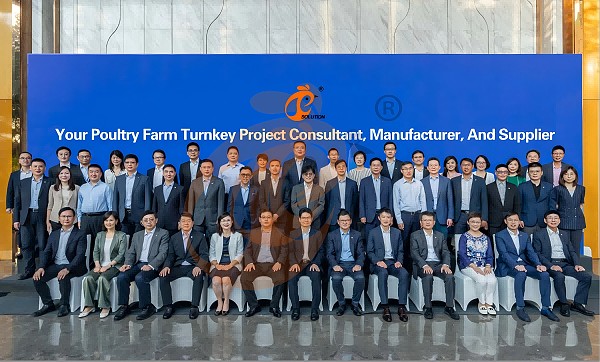
Hong Kong Headquarter Management Team
Hong Kong Headquarter Taiyu Industrial Group CO., LTD
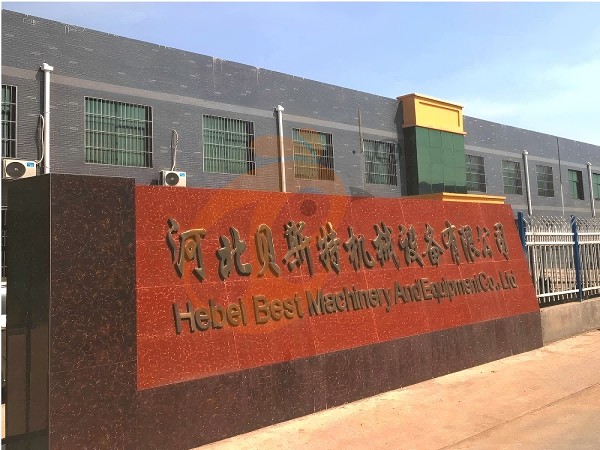
China Hebei Best Machinery And Equipment CO., LTD
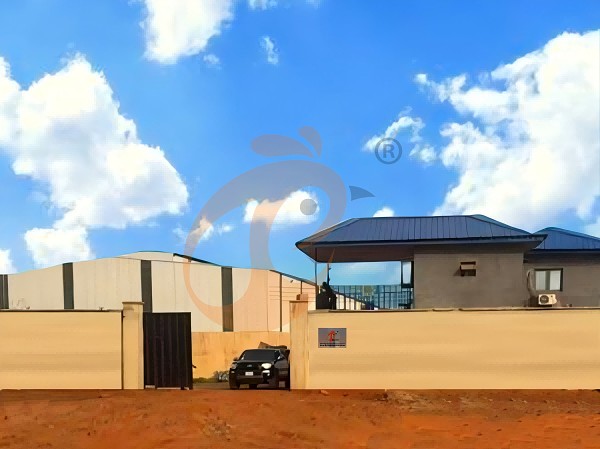
Nigeria Vanke Machinery And Equipment CO., LTD
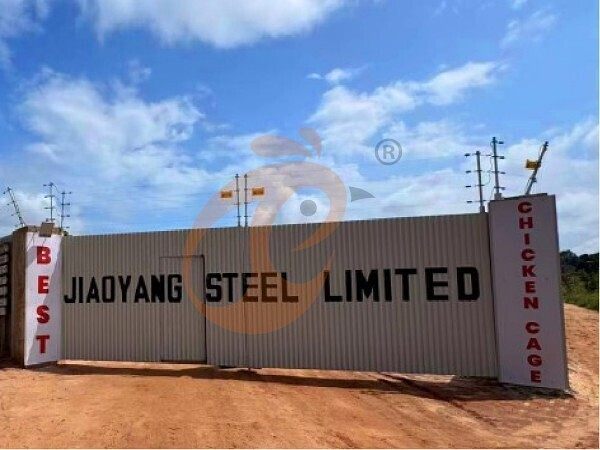
Tanzania Best Machinery And Equipment CO., LTD
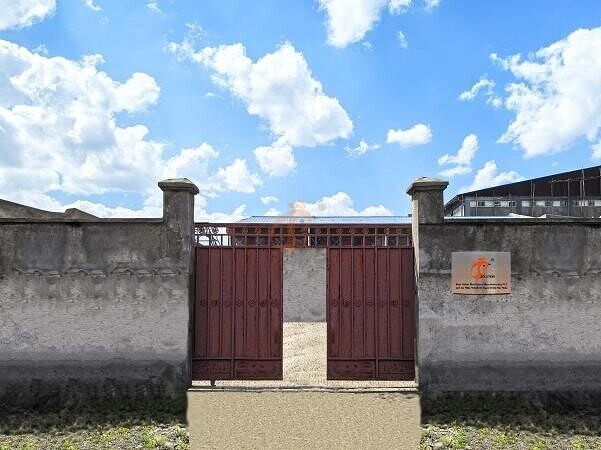
Ethiopia Best Hebei Machinery Manufacturing PLC
Reception /24 WhatsApp NO. : +8618830120193
PRODUCTS RECOMMENDED
 China Branch Manufacture Poultry Farm EquipmentRead More
 Ethiopia Branch Manufacture Poultry Farm EquipmentRead More
 Nigeria Branch Manufacture Poultry Farm EquipmentRead More
 Tanzania Branch Manufacture Poultry Farm EquipmentRead More
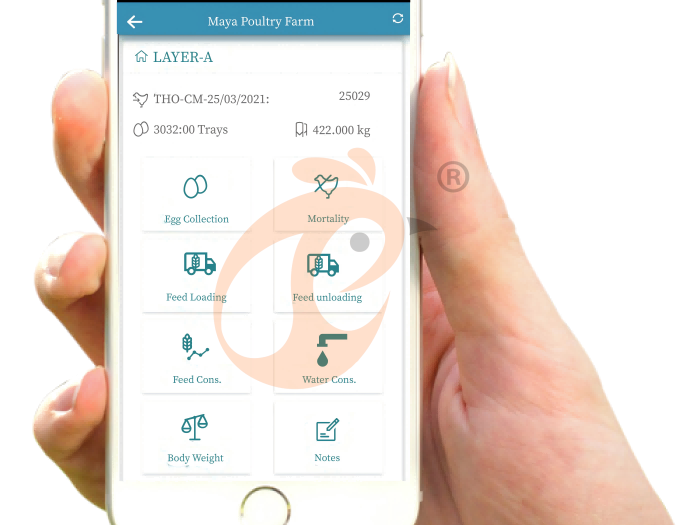
 IoT Smart Poultry FarmRead More
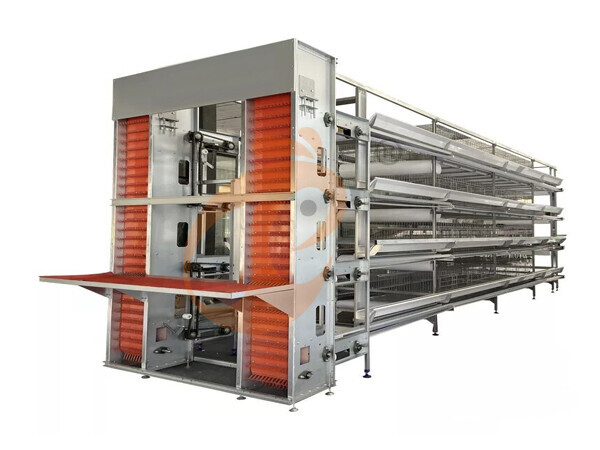
 >30,000 Layers Automatic H Type Battery CageRead More
 10,000 - 30,000 Layers Automatic A Type Battery CageRead More
MESSAGE