

BLOG
Long-term equipment reliability directly influences production stability, maintenance planning, and operational profitability across modern feed and biomass processing facilities.
Effective maintenance management helps reduce unexpected downtime while supporting consistent output quality and mechanical performance throughout the production cycle.
Proper raw material preparation, lubrication control, and component monitoring contribute significantly to extending service life and minimizing replacement frequency.
Advanced Pellet Mill Machine operations increasingly depend on preventive maintenance strategies rather than reactive repair practices to improve overall efficiency.
Understanding key maintenance factors enables manufacturers and plant operators to maximize return on investment from feed pellet production line and biomass pellet machine installations.
Get professional poultry farm construction guidance, equipment selection solutions, and the latest price lists, whatsApp to +8618830120193, click to learn more:
Perform Daily Inspection Before Operation
Daily inspection is one of the simplest yet most effective ways to protect pellet machine components.
Operators should examine critical parts before starting production each day.
Data is for reference only.Swipe horizontally to view full table.
Identifying small abnormalities early prevents minor issues from developing into major mechanical failures.
Routine inspections also help operators become familiar with normal machine conditions, making unusual sounds or vibrations easier to detect.
Maintain Proper Lubrication Schedule
Insufficient lubrication is one of the leading causes of premature bearing and gearbox failure.
Proper lubrication reduces friction, minimizes heat generation, and protects moving components from excessive wear.
Data is for reference only.Swipe horizontally to view full table.
A structured lubrication schedule can significantly reduce maintenance costs and increase machine reliability.
Using manufacturer-recommended lubricants is equally important for ensuring optimal component protection.
Control Raw Material Quality
Raw material consistency directly affects pellet machine workload.
Materials containing excessive moisture, stones, metal fragments, or oversized particles increase stress on dies, rollers, and drive systems.
Data is for reference only.Swipe horizontally to view full table.
Installing magnetic separators and screening systems before pelletizing can greatly reduce equipment damage.
Consistent feedstock quality also improves pellet durability and production efficiency throughout the feed pellet production line.
Replace Wear Parts Before Failure Occurs
Waiting until components completely fail often causes secondary damage throughout the machine.
Preventive replacement reduces downtime and protects surrounding components.
Data is for reference only.Swipe horizontally to view full table.
Planned replacement schedules allow maintenance teams to prepare spare parts in advance and avoid unexpected production interruptions.
Maintenance Benefits Overview
The relationship between preventive maintenance and machine longevity is substantial.
Data is for reference only.Swipe horizontally to view full table.
Facilities implementing comprehensive maintenance programs often achieve several additional years of reliable machine operation.
Monitor Operating Temperature Continuously
Heat is one of the biggest threats to pellet machine longevity.
Excessive temperatures accelerate lubricant degradation, bearing wear, and component deformation.
Data is for reference only.Swipe horizontally to view full table.
Modern monitoring systems provide real-time temperature alerts that enable operators to react before serious damage occurs.
Continuous monitoring improves operational safety and protects valuable production assets.
Train Operators Regularly
Even the most advanced pellet mill machine can suffer from poor operation practices.
Proper operator training reduces misuse, improves efficiency, and minimizes accidental damage.
Essential Operator Training Topics
Startup procedures.
- Shutdown procedures.
- Die and roller maintenance.
- Lubrication management.
- Troubleshooting techniques.
- Emergency response procedures.
- Production optimization methods.
Well-trained operators identify problems faster and make better operational decisions.
Training investments frequently produce measurable reductions in maintenance expenses and downtime.
Keep Production Loads Within Design Capacity
Many equipment failures occur because machines operate continuously beyond their rated capacity.
Although temporary overloads may increase short-term output, they often accelerate wear and shorten equipment lifespan.
Data is for reference only.Swipe horizontally to view full table.
Operating within recommended limits improves efficiency while reducing stress on critical mechanical components.
Long-term productivity often increases because the machine experiences fewer breakdowns.
Signs That Your Pellet Machine Requires Immediate Maintenance
Ignoring warning signs can result in costly repairs and unexpected downtime.
Data is for reference only.Swipe horizontally to view full table.
Addressing these symptoms early can prevent major mechanical failures and extend equipment service life.
Additional Best Practices For Long-Term Reliability
Besides the seven core strategies discussed above, several additional practices can further improve equipment longevity.
Data is for reference only.Swipe horizontally to view full table.
- Maintain accurate maintenance records.
- Store spare parts properly.
- Calibrate monitoring instruments regularly.
- Clean equipment after production.
- Verify fastener tightness weekly.
- Inspect electrical systems monthly.
- Schedule annual comprehensive overhauls.
These actions create a proactive maintenance culture that supports long-term operational excellence.
Organizations that consistently follow preventive maintenance procedures typically achieve higher production efficiency and lower lifecycle costs.
Frequently Asked Questions
Q1: How often should a pellet die be replaced?
Replacement intervals depend on raw material characteristics and production volume.
Under normal operating conditions, pellet dies typically achieve between 800 and 1500 operating hours before replacement becomes necessary.
Q2: What moisture content is recommended for stable pellet production?
Most feed and biomass materials perform efficiently within a moisture range of 10% to 15%.
Excessive moisture may increase energy consumption and reduce pellet durability.
Q3: Can overloading reduce equipment lifespan?
Yes.
Continuous operation above 95% design capacity increases bearing load, roller wear, and motor stress, which can shorten service life and increase maintenance frequency.
Taiyu (HK) Group - One Of China Largest Pellet Machine Manufacturer
Pellet machine systems are widely applied in feed mills producing 1–20 tons per hour, biomass fuel plants, fertilizer granulation facilities, and integrated Feed Pellet Production Line projects requiring continuous industrial operation.
Global factory-direct supply supports standardized manufacturing management, engineering coordination, and controlled production scheduling for international customers.
Comprehensive poultry equipment, feed processing equipment, and biomass processing solutions are available under integrated procurement frameworks.
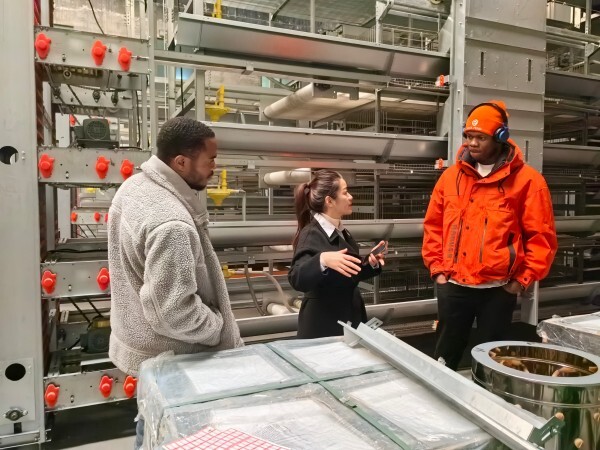
Turn-key engineering services include layout planning, equipment selection, installation guidance, commissioning support, and operator training programs.
Technical documentation, spare parts management, production optimization consultation, and long-term after-sales support are provided according to project specifications and operational requirements.
Contact Us To Received Your Customized Poultry Farm Plan
Headquarters And Branchs

Hong Kong Headquarter Management Team
Hong Kong Headquarter Taiyu Industrial Group CO., LTD
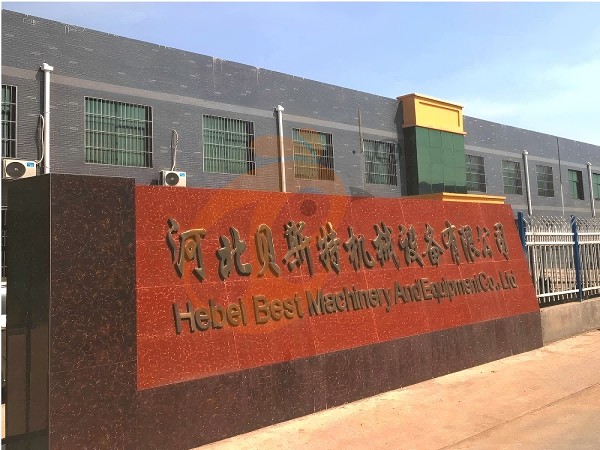
China Hebei Best Machinery And Equipment CO., LTD
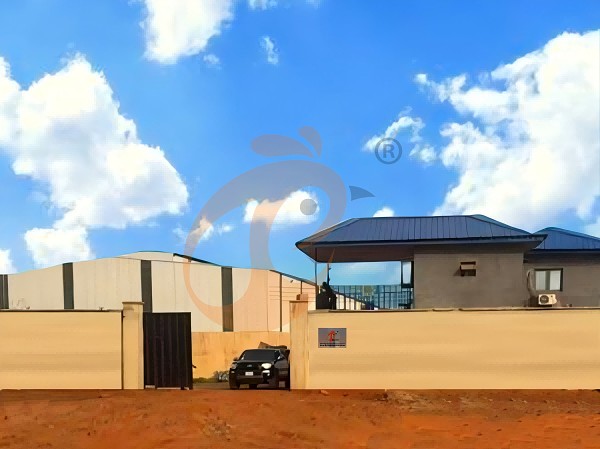
Nigeria Vanke Machinery And Equipment CO., LTD
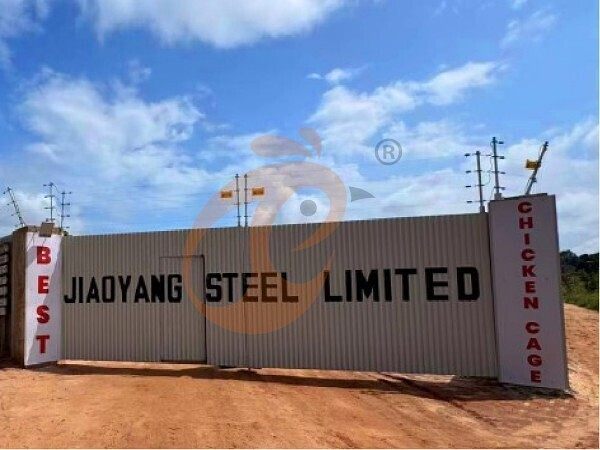
Tanzania Best Machinery And Equipment CO., LTD
Ethiopia Best Hebei Machinery Manufacturing PLC

Reception /24 WhatsApp NO. : +8618830120193
PRODUCTS RECOMMENDED
 China Branch Manufacture Poultry Farm EquipmentRead More
 Ethiopia Branch Manufacture Poultry Farm EquipmentRead More
 Nigeria Branch Manufacture Poultry Farm EquipmentRead More
 Tanzania Branch Manufacture Poultry Farm EquipmentRead More
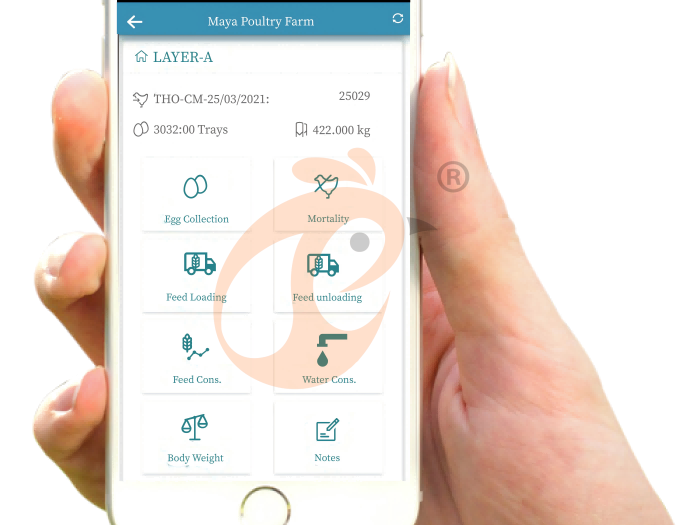
 IoT Smart Poultry FarmRead More
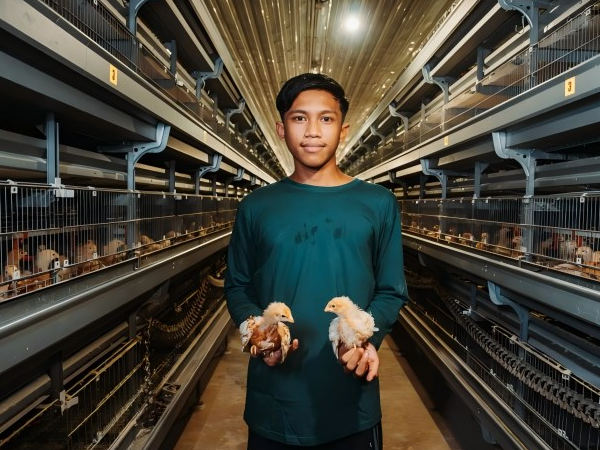
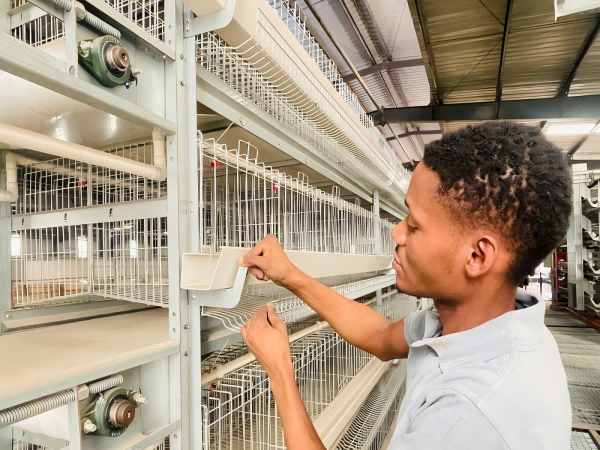
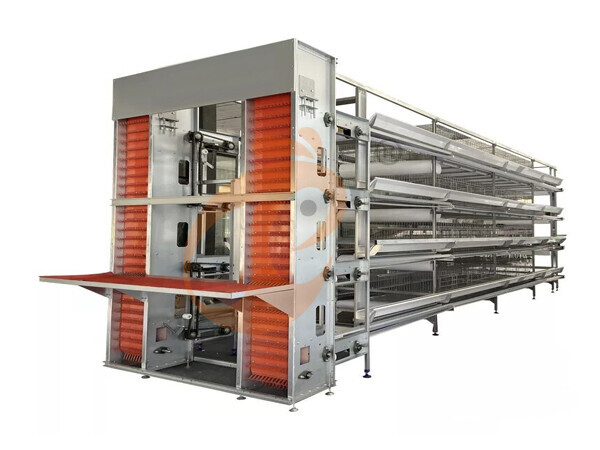
 >30,000 Layers Automatic H Type Battery CageRead More
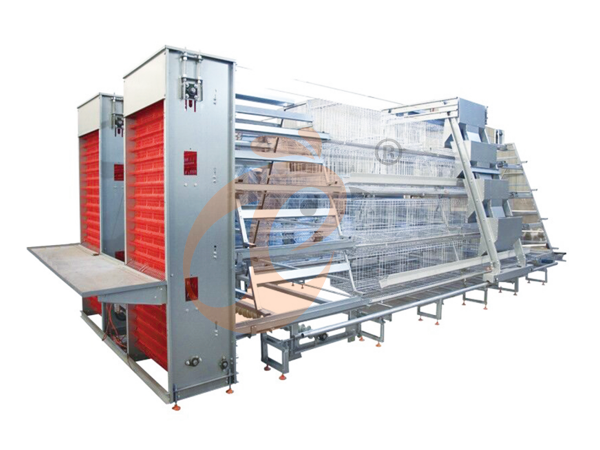
 10,000 - 30,000 Layers Automatic A Type Battery CageRead More
MESSAGE