

BLOG
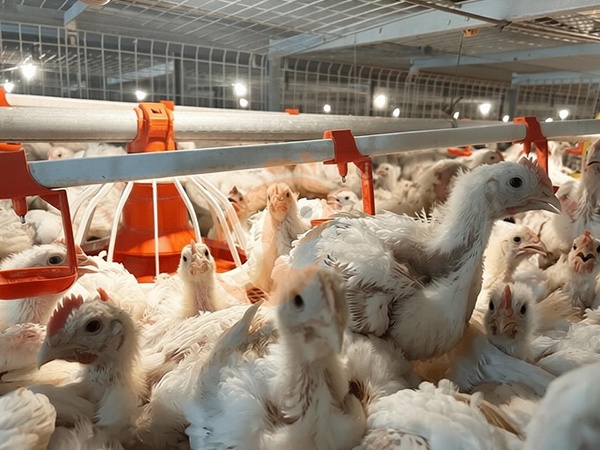
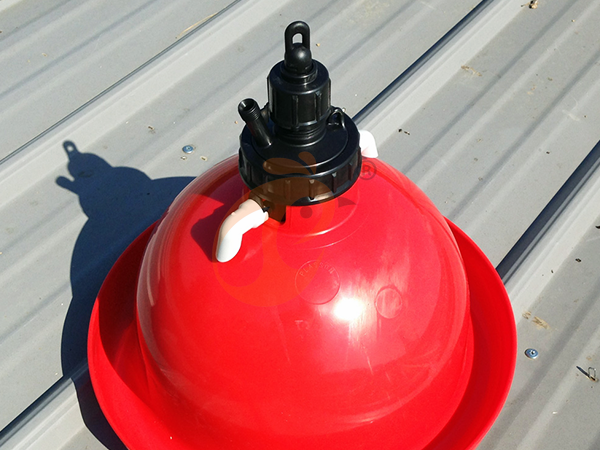
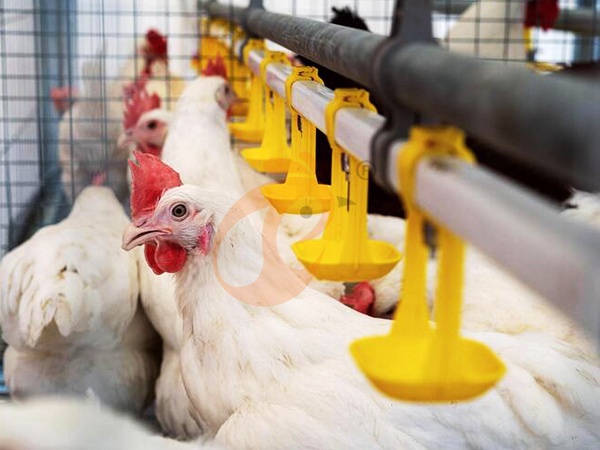
Nipple drinker systems are widely used in commercial poultry housing due to stable water delivery and improved hygiene performance.
Leakage control is essential for maintaining litter quality, reducing ammonia formation, and stabilizing barn microclimate conditions.
Hydraulic imbalance, seal fatigue, and water contamination are the most common engineering factors behind leakage behavior.
All technical parameters are presented using internationally recognized poultry system reference ranges for practical application.
Get professional poultry farm construction guidance, equipment selection solutions, and the latest price lists, whatsApp to +8618830120193, click to learn more:
Nipple Drinker Leakage Mechanism
Leakage in nipple drinker systems usually develops from sealing wear, pressure fluctuation, and internal contamination accumulation.
When system pressure exceeds recommended poultry drinking line limits, micro-discharge may occur even without bird activation.
Sediment particles and biofilm formation reduce valve responsiveness and increase internal friction over time.
These combined factors gradually reduce system sealing performance and water delivery stability.
Data is for reference only.Swipe horizontally to view full table.
Hydraulic Balance Control
Stable hydraulic balance is one of the most critical factors in preventing leakage in poultry drinking lines.
Recommended poultry water line pressure is typically maintained within internationally accepted engineering ranges.
Uneven pressure distribution increases localized valve stress and accelerates sealing fatigue.
Proper zoning design ensures consistent water delivery across long-distance pipeline layouts.
SEO phrase: poultry nipple drinker system optimization
Data is for reference only.Swipe horizontally to view full table.
Pipeline Cleaning Strategy
Pipeline contamination is a major contributor to reduced sealing efficiency in poultry watering systems.
Industry practice shows that biofilm and mineral scale accumulation increase leakage probability over time.
Regular flushing helps maintain hydraulic stability and reduces particulate buildup inside drinking lines.
Water quality control is directly linked to system longevity and valve performance consistency.
SEO phrase: automatic nipple drinker cleaning system
Data is for reference only.Swipe horizontally to view full table.
Installation Geometry Accuracy
Installation accuracy directly affects mechanical stress distribution across poultry drinking pipelines.
Recommended slope and alignment standards are defined by poultry equipment engineering guidelines.
Improper geometry increases friction load and reduces long-term sealing reliability.
Precision installation improves system efficiency and reduces maintenance frequency.
SEO phrase: commercial poultry nipple drinking line installation
Data is for reference only.Swipe horizontally to view full table.
Component Lifecycle Management
Component lifecycle in poultry systems is determined by cyclic load frequency and environmental exposure conditions.
Engineering standards define replacement intervals based on operational stress ranges rather than fixed single values.
Proper lifecycle management reduces unexpected leakage events and improves system reliability.
Preventive replacement is widely used in commercial poultry farms.
Data is for reference only.Swipe horizontally to view full table.
Water Filtration Optimization
Water quality directly influences valve sealing stability and internal friction conditions in poultry drinking systems.
International poultry engineering practice recommends filtration down to micron-level control to protect nipple mechanisms.
Multi-stage filtration reduces particulate load and stabilizes chemical water characteristics.
This improves long-term system performance and reduces leakage probability.
Data is for reference only.Swipe horizontally to view full table.
Smart Pressure Regulation System
Automated regulation systems improve hydraulic stability in large-scale poultry drinking networks.
Industry systems typically operate within defined response and accuracy ranges depending on control technology level.
Real-time monitoring helps detect abnormal pressure fluctuation before visible leakage occurs.
This improves operational stability and reduces water waste.
Data is for reference only.Swipe horizontally to view full table.
Frequently Asked Questions
Q1: What is the normal pressure range for nipple drinker systems?
Most poultry systems operate within 16–28 kPa depending on bird age and housing design.
Pressure outside this range increases leakage risk and reduces water intake efficiency.
Q2: How often should nipple drinker pipelines be cleaned?
Typical commercial farms flush pipelines every 100–150 liters of water consumption cycle.
This helps control biofilm formation and maintains stable flow performance.
Q3: What is the main cause of leakage in drinking lines?
The most common causes are seal wear, pressure imbalance, and water contamination.
Combined factors usually appear rather than a single isolated failure.
Taiyu (HK) Group - One Of China Largest Nipple Drinker Manufacturer Supplier
Nipple drinker systems are applied in poultry houses ranging from 10,000 to 120,000 bird capacity under controlled hydraulic engineering conditions of 16–28 kPa operating pressure range.
The system is designed for commercial poultry equipment integration with standardized pipeline layouts and modular installation structures.
Global factory direct supply supports poultry equipment manufacturing with consistent specification control and material traceability systems.
Turn-key engineering services include system design, installation guidance, and hydraulic balancing optimization for poultry drinking lines.
Contact Us To Received Your Customized Poultry Farm Plan
Headquarters And Branchs

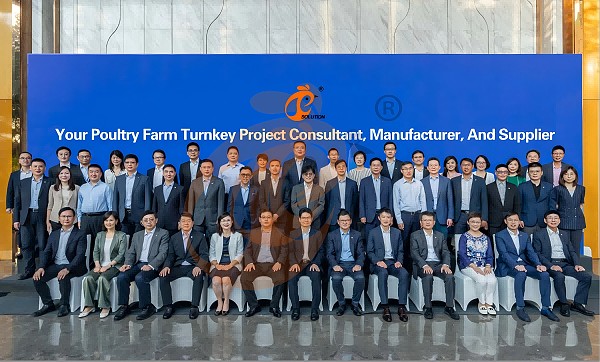
Hong Kong Headquarter Management Team
Hong Kong Headquarter Taiyu Industrial Group CO., LTD
China Hebei Best Machinery And Equipment CO., LTD
Nigeria Vanke Machinery And Equipment CO., LTD
Tanzania Best Machinery And Equipment CO., LTD
Ethiopia Best Hebei Machinery Manufacturing PLC




Reception /24 WhatsApp NO. : +8618830120193
PRODUCTS RECOMMENDED
 China Branch Manufacture Poultry Farm EquipmentRead More
 Ethiopia Branch Manufacture Poultry Farm EquipmentRead More
 Nigeria Branch Manufacture Poultry Farm EquipmentRead More
 Tanzania Branch Manufacture Poultry Farm EquipmentRead More
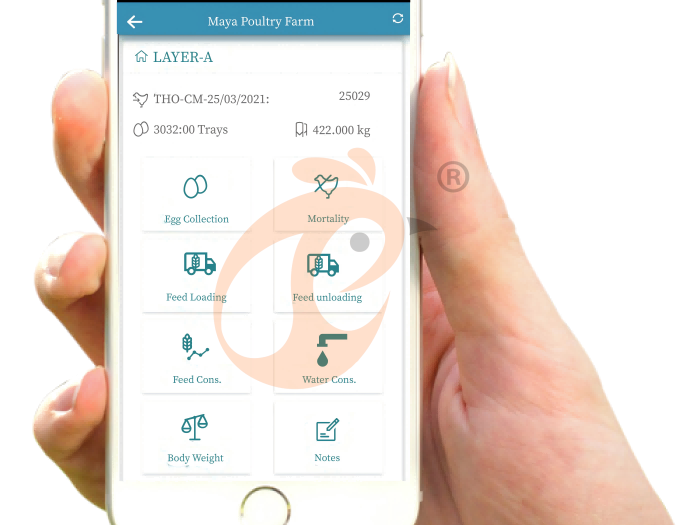
 IoT Smart Poultry FarmRead More
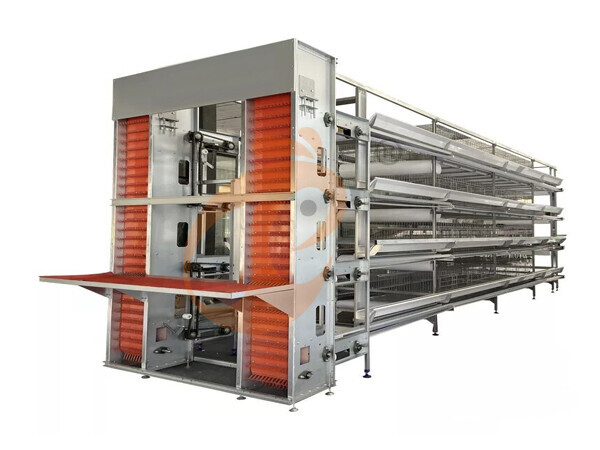
 >30,000 Layers Automatic H Type Battery CageRead More
 10,000 - 30,000 Layers Automatic A Type Battery CageRead More
MESSAGE