

NEWS
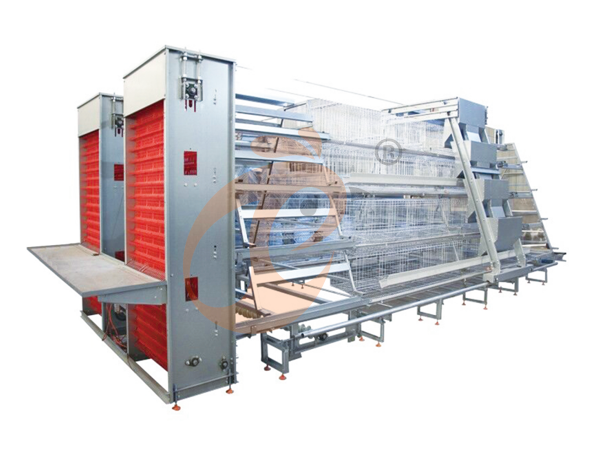
Pralson feed height adjustment feeders guide poultry farms toward stable feeding performance and improved flock uniformity across intensive cage environments.
Article explains feed positioning control from chick stage to laying cycle with engineering clarity and farm-scale usability insights.
Poultry behavior, cage structure, and automated systems interact with feeder height to influence feed efficiency and waste reduction outcomes.
Commercial chicken production benefits from precision feeding equipment integration supporting healthier growth patterns and reduced operational stress.
Modern poultry equipment solutions connect feeder calibration with productivity optimization and scalable farm management systems.
Get professional poultry farm construction guidance, equipment selection solutions, and the latest price lists, whatsApp to +8618830120193, click to learn more:
Understanding Feed Height Mechanism In Poultry Systems
Feed height refers to vertical alignment between feed surface and natural beak posture in cage-based poultry environments.
Systems such as pralson feeder height control system rely on mechanical calibration to maintain consistent access.
In modern automated farms, feed height is influenced by bird growth stages, cage design, and equipment layout.
Correct alignment reduces feed scattering and improves digestion efficiency.
Data is for reference only.Swipe horizontally to view full table.
Why Feed Height Matters For Chick Development
Chick development depends strongly on feeding ergonomics because early-stage poultry has a narrow tolerance for energy inefficiency and posture stress.
In commercial cage systems, incorrect feeder elevation increases feed retrieval time by up to 18–26%, which directly reduces daily intake consistency and slows skeletal development.
In intensive environments using automatic poultry feeding systems for layer cages, stable feed access reduces inter-bird competition and improves synchronized growth, especially when stocking density exceeds 16–18 birds/m².
This is critical during the first 14 days when digestive enzyme activity is still stabilizing and nutrient absorption efficiency is highly sensitive to intake rhythm.
From a physiological perspective, optimized feed positioning improves
Beak strike precision, reducing missed pecks by ~12–15%
Cervical muscle load distribution, lowering fatigue-related posture imbalance
Intestinal nutrient uptake efficiency, improving early feed conversion stability by ~3–5%
Practical Tip Match Height To Growth Phase
Growth-stage alignment is critical for pralson feeder adjustment systems.
Birds change posture rapidly, requiring scheduled recalibration to maintain optimal feeding access.
Data is for reference only.Swipe horizontally to view full table.
Practical Tip Align With Cage Tier Structure
Multi-tier poultry cage systems require uniform feeder height calibration to ensure equal feed access across levels.
Proper alignment improves flock consistency in large-scale commercial chicken farming equipment installations.
Data is for reference only.Swipe horizontally to view full table.
Practical Tip Reduce Feed Waste Through Precision Control
Feed waste control is a key cost factor in poultry production.
Even small losses accumulate significantly in large farms using cage systems.
Proper feeder adjustment reduces feed scattering and improves conversion efficiency.
Data is for reference only.Swipe horizontally to view full table.
Practical Tip Integrate With Automated Feeding Systems
Automation improves feed delivery precision in modern poultry operations.
Systems must synchronize feed height and output speed.
Integration with industrial poultry cage feeding line ensures stable intake behavior and reduced manual intervention.
Data is for reference only.Swipe horizontally to view full table.
Practical Tip Monitor Bird Behavior Response
Bird behavior provides direct feedback for feeder height accuracy.
Pecking frequency and feed access time indicate system performance.
Behavioral data is essential for adjusting modern poultry cage feeding systems in real farm conditions.
Data is for reference only.Swipe horizontally to view full table.
Maintenance Of Feed Height Adjustment Components
Mechanical stability ensures consistent feeder performance.
Wear in rods and brackets affects calibration accuracy across cage rows.
Routine maintenance improves long-term reliability in poultry housing systems.
Data is for reference only.Swipe horizontally to view full table.
Environmental Influence On Feed Height Stability
Environmental factors affect bird posture and feeding behavior.
Temperature variation changes standing angle and feed access patterns.
Adjustment offsets improve stability in layer poultry feeding equipment systems under different climate conditions.
Data is for reference only.Swipe horizontally to view full table.
Frequently Asked Questions
Q1: What is the ideal feed height for chickens in cage systems?
Ideal feed height varies by growth stage, generally ranging from 38 mm in early chicks to around 80 mm in pre-lay birds, depending on cage design and feeder structure.
Q2: How often should feed height be adjusted in poultry farms?
Adjustment frequency typically ranges from every 2 to 6 days depending on growth speed and environmental conditions in commercial production systems.
Q3: Can incorrect feed height affect feed conversion rate?
Yes, improper feeder positioning can reduce feed conversion efficiency by up to 4–7% due to waste and uneven intake behavior.
Taiyu (HK) Group - One Of China Largest Pralson Feeders Manufacturer
Pralson feeder height adjustment system designed for commercial poultry cage environments with precision engineering control.
Global factory direct supply supporting poultry equipment integration and large-scale farm automation projects.
Turn-key engineering solutions provided for poultry house planning, installation, and feeding system optimization.
Industrial poultry equipment manufacturing focused on durability, efficiency, and scalable production systems worldwide.
Contact Us To Received Your Customized Poultry Farm Plan
Headquarters And Branchs
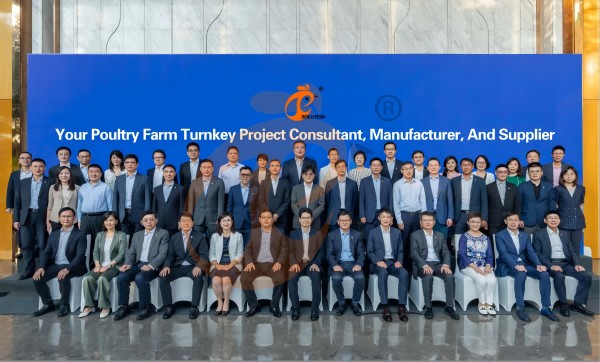
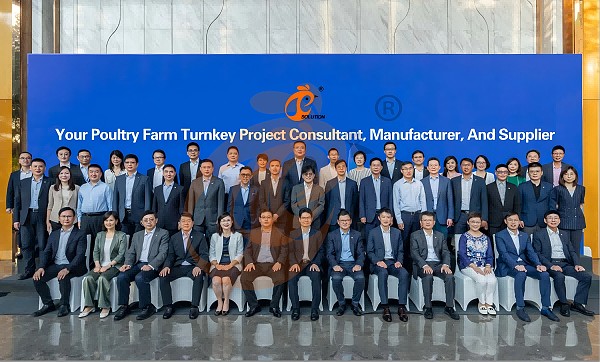
Hong Kong Headquarter Management Team
Hong Kong Headquarter Taiyu Industrial Group CO., LTD
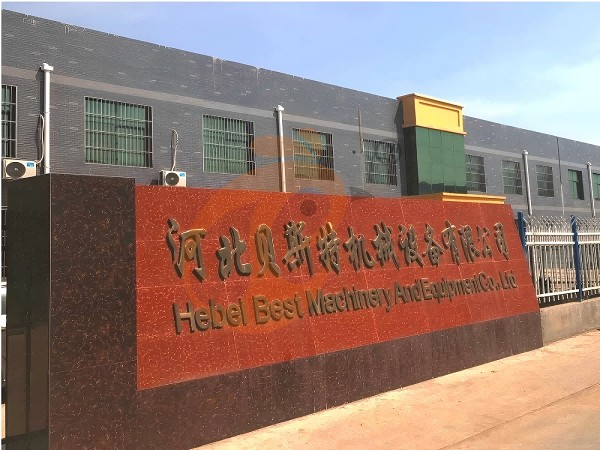
China Hebei Best Machinery And Equipment CO., LTD
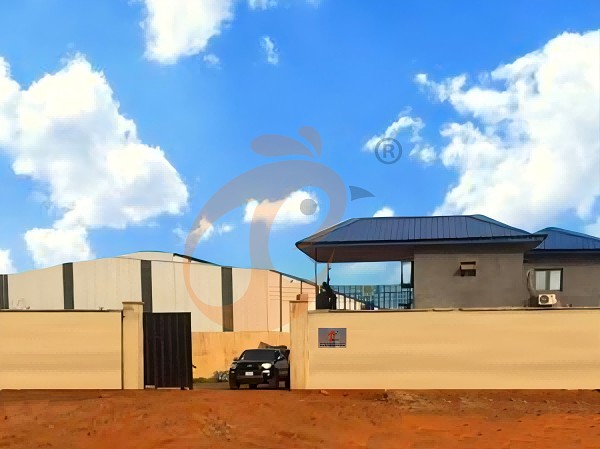
Nigeria Vanke Machinery And Equipment CO., LTD
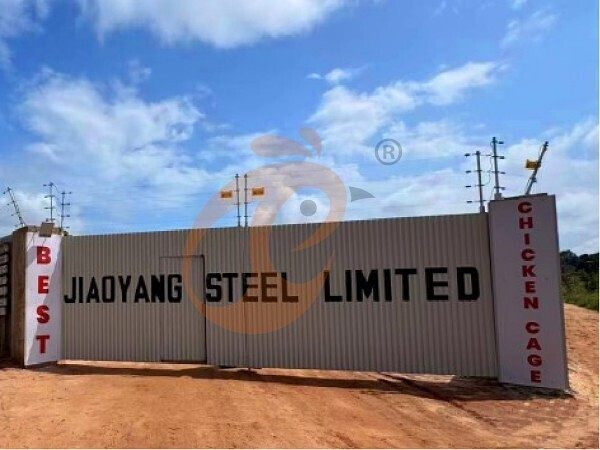
Tanzania Best Machinery And Equipment CO., LTD
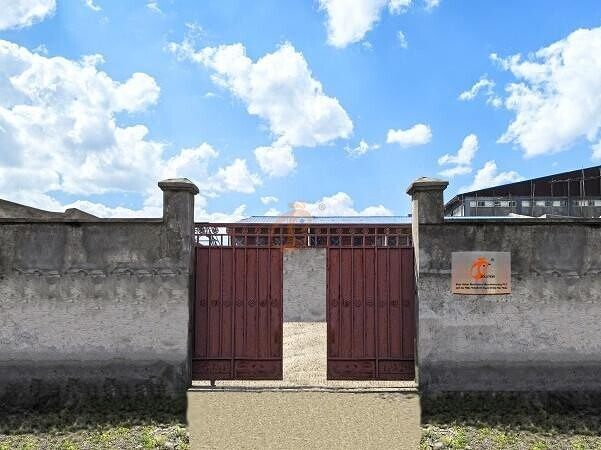
Ethiopia Best Hebei Machinery Manufacturing PLC
Reception /24 WhatsApp NO. : +8618830120193
PRODUCTS RECOMMENDED
 China Branch Manufacture Poultry Farm EquipmentRead More
 Ethiopia Branch Manufacture Poultry Farm EquipmentRead More
 Nigeria Branch Manufacture Poultry Farm EquipmentRead More
 Tanzania Branch Manufacture Poultry Farm EquipmentRead More
 IoT Smart Poultry FarmRead More
 >30,000 Layers Automatic H Type Battery CageRead More
 10,000 - 30,000 Layers Automatic A Type Battery CageRead More
MESSAGE
NEWS
 50,000 - 100,000 chickens/house: poultry farm solution, chicken cage, poultry farm equipment, AI smart managementRead More
 30,000 - 50,000 chickens/house: poultry farm solution, chicken cage, poultry farm equipment, AI smart managementRead More
 10,000 - 30,000 chickens/house: poultry farm solution, chicken cage, poultry farm equipment, AI smart managementRead More
 100 - 10,000 chickens/house: poultry farm solution, chicken cage, poultry farm equipment, AI smart managementRead More