

NEWS
Nipple drinker troubleshooting poultry cage systems improves flock hydration stability, reduces mortality risk, and enhances production efficiency in intensive housing environments while supporting 0.08–0.12 L/day early chick water intake benchmarks
Modern chicken cage equipment depends on stable hydraulic delivery networks maintaining ±3% pressure deviation across 60–120 meter pipeline runs for uniform drinking behavior
Water pressure imbalance, pipe blockage, and nipple wear frequently disrupt poultry drinking systems inside commercial poultry houses operating at 16–18 birds/m² density
Integrated poultry farming equipment designs combine feeding, drinking, and ventilation systems to stabilize barn environmental humidity within 55–70% RH range
Efficient poultry drinker systems directly support broiler growth rate improvement of 4–7% and egg production consistency across 80–95% laying cycles
Get professional poultry farm construction guidance, equipment selection solutions, and the latest price lists, whatsApp to +8618830120193, click to learn more:
Understanding Nipple Drinkers In Poultry Cage Systems
Nipple drinkers function as demand-activated micro-valves delivering 70–100 ml/min flow under calibrated poultry cage pressure systems.
Their sealed architecture reduces microbial load by up to 60–85% compared with open trough systems and stabilizes intestinal water uptake efficiency in broilers and layers.
In large-scale chicken cage equipment layouts, hydraulic zoning is required to prevent pressure decay exceeding 0.15 bar across multi-tier structures.
Data is for reference only.Swipe horizontally to view full table.
System Function Overview
Common Failures In Poultry Water Systems
Failure frequency increases significantly when total dissolved solids exceed 500 ppm or when pipeline velocity drops below 0.6 m/s in poultry cage systems.
These conditions accelerate scaling and biofilm accumulation.
Data is for reference only.Swipe horizontally to view full table.
Failure Cause Analysis
Quick Fix #1 — Stabilize Water Pressure In Poultry House Systems
Hydraulic stabilization ensures consistent activation force of 20–50 g at nipple tip.
In high-density poultry cage equipment, pressure deviation beyond ±5% leads to behavioral hesitation in drinking response.
Data is for reference only.Swipe horizontally to view full table.
Pressure Settings By Bird Stage
Quick Fix #2 — Clean Water Lines And Remove Biofilm
Biofilm thickness exceeding 0.5 mm reduces flow efficiency by 20–35% and increases bacterial load concentration in poultry drinker systems.
Organic residues from vitamins and electrolytes accelerate microbial adhesion inside pipelines.
Data is for reference only.Swipe horizontally to view full table.
Cleaning Schedule
Quick Fix #3 — Replace Worn Nipple Components
Mechanical fatigue occurs after approximately 50,000–80,000 activation cycles per nipple in intensive poultry cage systems.
Stainless spring tension loss reduces sealing efficiency and increases micro-leak probability.
Data is for reference only.Swipe horizontally to view full table.
Wear Indicators
Quick Fix #4 — Adjust Nipple Height In Cage Systems
Optimal drinking height influences neck flexion angle between 15–35 degrees, which directly affects water uptake efficiency and skeletal growth balance in broilers.
Data is for reference only.Swipe horizontally to view full table.
Height Adjustment Guide
Quick Fix #5 — Remove Air Locks In Water Distribution Lines
Air entrapment reduces effective hydraulic continuity by 10–40% depending on pipeline slope inconsistency in poultry cage installations.
Multi-line systems require zone bleeding to restore pressure equilibrium.
Data is for reference only.Swipe horizontally to view full table.
Air Lock Diagnosis
Integration With Poultry Cage Equipment Systems
Modern poultry farming equipment integrates hydraulic, feeding, and ventilation modules into synchronized cage architecture systems.
Key engineering integrations include
Multi-pressure zoning in H-type cage hydraulic lines
Automated flushing cycles reducing manual labor by 70–85%
Closed-loop environmental humidity control systems
Ammonia reduction through dry litter stabilization below 15 ppm
These systems are widely implemented in commercial poultry production facilities with high-density stocking strategies.
Preventive Maintenance Strategy For Poultry Farms
Preventive maintenance reduces system failure probability by 40–60% in long-term poultry cage operations
Weekly hydraulic flushing cycles maintaining ≥90% flow efficiency
Monthly pressure regulator calibration ensuring ±0.02 MPa stability
Seasonal pipeline descaling using controlled chemical cycles
Full system sanitation between production batches
Operational Troubleshooting Summary
Data is for reference only.Swipe horizontally to view full table.
Priority Repair Checklist
Frequently Asked Questions
Q1: Why do nipple drinkers stop working in poultry cage systems?
Hydraulic blockage, mineral scaling above 200 mg/L hardness, and valve fatigue are primary causes.
Regular flushing restores up to 95% operational efficiency in poultry housing systems.
Q2: How many birds can one nipple support?
Industry standard ranges from 8–12 broilers per nipple depending on 0.08–0.25 MPa system pressure and cage density configuration.
Q3: How often should poultry water lines be cleaned?
Recommended cycle is every 5–7 days, with full sanitation every 35–45 days to maintain microbial control below critical thresholds.
Taiyu (HK) Group - One Of China Largest Nipple Drinkers Manufacturer
Nipple drinker poultry cage system designed for high-density broiler and layer production units with 50,000–200,000 bird capacity projects
Global factory direct supply for poultry equipment integrating automated fabrication and hydraulic system calibration
Turn-key poultry farming solutions covering cage systems, ventilation, feeding, and water pipeline engineering integration
Export-oriented manufacturing supporting large-scale poultry house automation with modular installation architecture
Engineering-based design focused on durability exceeding 10-year lifecycle under intensive farming conditions
Contact Us To Received Your Customized Poultry Farm Plan
Headquarters And Branchs

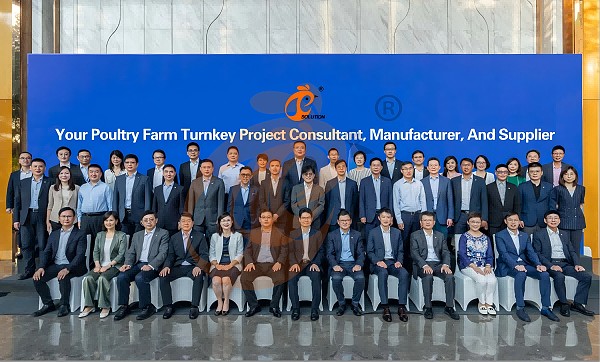
Hong Kong Headquarter Management Team
Hong Kong Headquarter Taiyu Industrial Group CO., LTD
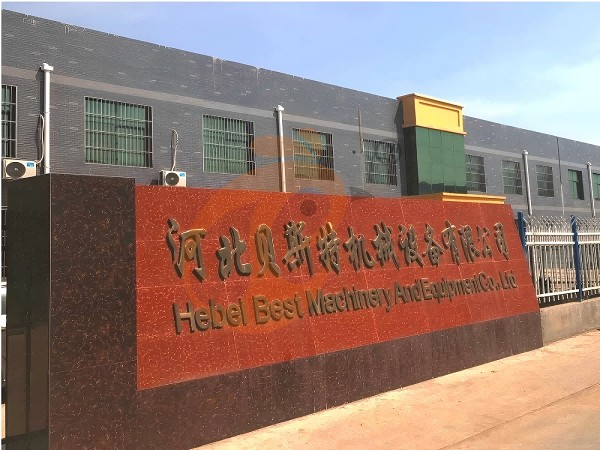
China Hebei Best Machinery And Equipment CO., LTD
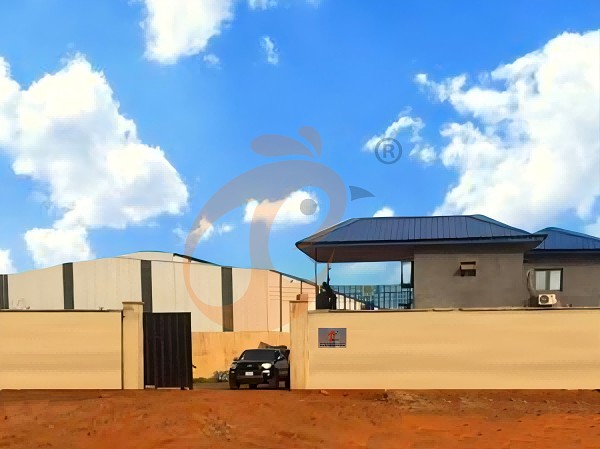
Nigeria Vanke Machinery And Equipment CO., LTD
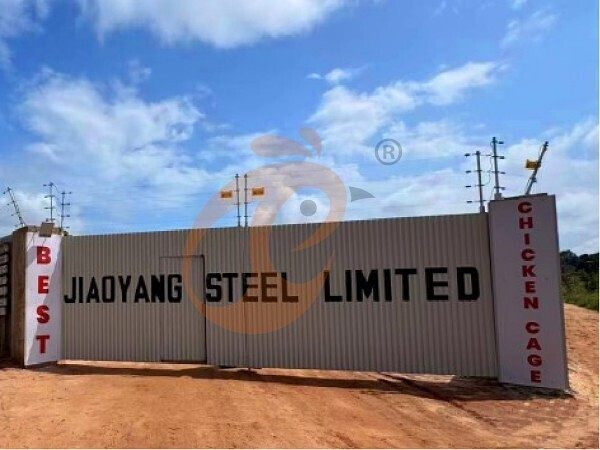
Tanzania Best Machinery And Equipment CO., LTD
Ethiopia Best Hebei Machinery Manufacturing PLC
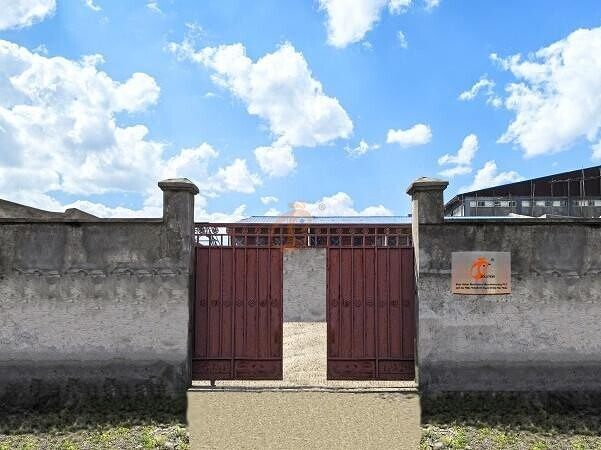
Reception /24 WhatsApp NO. : +8618830120193
PRODUCTS RECOMMENDED
 China Branch Manufacture Poultry Farm EquipmentRead More
 Ethiopia Branch Manufacture Poultry Farm EquipmentRead More
 Nigeria Branch Manufacture Poultry Farm EquipmentRead More
 Tanzania Branch Manufacture Poultry Farm EquipmentRead More
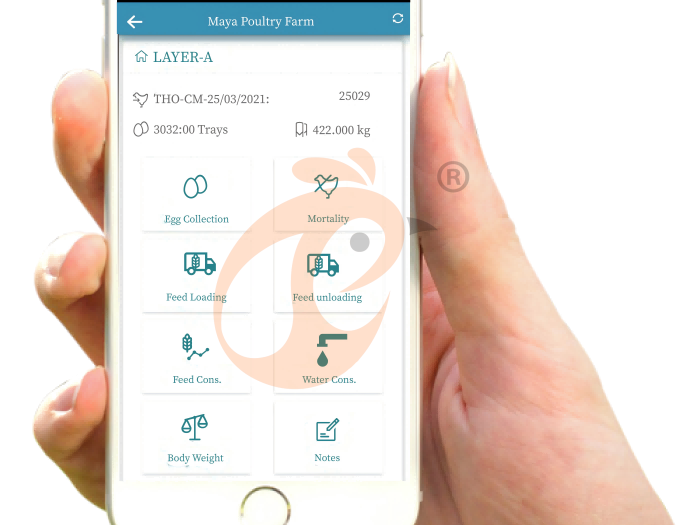
 IoT Smart Poultry FarmRead More
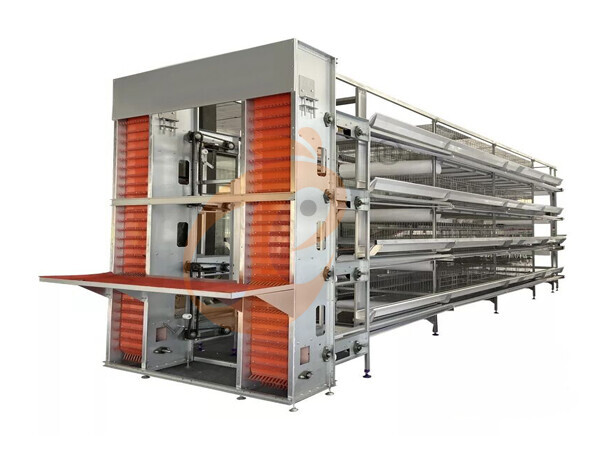
 >30,000 Layers Automatic H Type Battery CageRead More
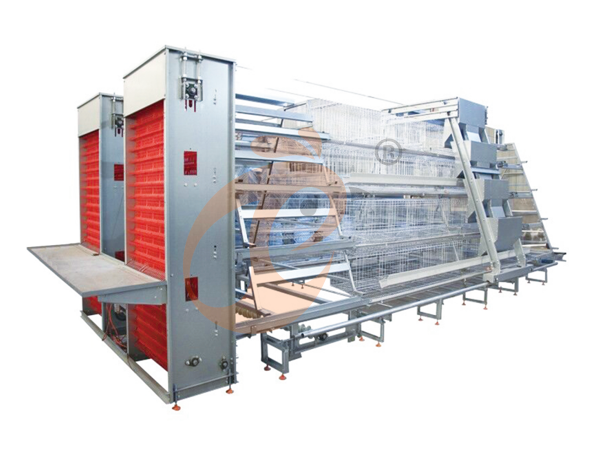
 10,000 - 30,000 Layers Automatic A Type Battery CageRead More
MESSAGE
NEWS
 50,000 - 100,000 chickens/house: poultry farm solution, chicken cage, poultry farm equipment, AI smart managementRead More
 30,000 - 50,000 chickens/house: poultry farm solution, chicken cage, poultry farm equipment, AI smart managementRead More
 10,000 - 30,000 chickens/house: poultry farm solution, chicken cage, poultry farm equipment, AI smart managementRead More
 100 - 10,000 chickens/house: poultry farm solution, chicken cage, poultry farm equipment, AI smart managementRead More