

NEWS
Pellet machine feed size selection directly influences poultry growth, feed efficiency, equipment performance, and long-term farming profitability across commercial production systems.
Discover six practical methods for choosing suitable pellet dimensions based on poultry age, feed formulation, production capacity, and operational requirements.
Learn how consistent pellet quality supports automated feeding lines, improves flock uniformity, and reduces unnecessary feed losses during transportation.
Explore scientific reference data, engineering recommendations, and commercial equipment matching solutions for modern poultry production projects worldwide.
Understand how integrated poultry equipment and professional manufacturing solutions help farms increase productivity while lowering operating costs through efficient system design.
Get professional poultry farm construction guidance, equipment selection solutions, and the latest price lists, whatsApp to +8618830120193, click to learn more:
Balance Pellet Length With Feeding Equipment
Pellet diameter receives most attention, but pellet length is equally important.
Extremely long pellets may bridge inside feed hoppers or feeding pipes, while excessively short pellets increase dust production.
Automatic feeding systems installed in layer cages, broiler houses, and breeder farms operate more efficiently when pellet dimensions remain consistent throughout each production batch.
Data is for reference only. Swipe horizontally to view full table.
Evaluate Moisture During Pellet Production
Moisture directly influences pellet quality.
Feed entering the pellet mill with unsuitable moisture content may crack after cooling or become too soft during storage.
Steam conditioning helps starch gelatinization and strengthens pellet structure.
After cooling, final moisture should remain stable enough to support storage without encouraging mold development.
Data is for reference only. Swipe horizontally to view full table.
Stable moisture management also protects automatic feeding equipment by reducing pellet breakage during transport from storage silos to poultry houses.
Stable moisture control can also reduce pellet fragmentation by approximately 3–5% during mechanical conveying.
Think Beyond The Pellet Machine
Many poultry producers purchase pellet machines without considering the entire production chain.
However, feed manufacturing performs best when integrated with modern poultry equipment.
Engineering compatibility between pellet production equipment and poultry housing systems improves operational efficiency throughout the entire farm.
By combining reliable feed production equipment with automated poultry housing, farmers can reduce labor costs from USD 12,000 (European union standard reference only) annually on medium-scale farms, improve flock management, and achieve more consistent production across different farm sizes.
Data is for reference only. Swipe horizontally to view full table.
Common Mistakes Farmers Should Avoid
One common mistake is selecting pellet size based solely on machine capability instead of bird requirements.
Another frequent issue is changing pellet diameter without adjusting die specifications or feed formulation.
Ignoring pellet durability can also increase feed losses during transportation.
Dust accumulation inside poultry houses affects air quality and may influence bird health over time.
Consistent pellet dimensions generally help reduce feed separation throughout automated feeding systems.
Commercial farms achieve better long-term performance by evaluating pellet size together with feed formulation, machine configuration, housing equipment, and flock management.
Frequently Asked Questions
Q1: What pellet size is best for young chicks?
Young chicks generally perform better with pellet diameters between 1.6 mm and 1.8 mm, depending on breed and feeding management.
Smaller pellets are easier to consume, improve feed acceptance, and help establish consistent early growth.
Q2: How does pellet size affect feed conversion?
Proper pellet size improves feed intake consistency while reducing feed separation and dust generation.
Commercial poultry farms often report feed utilization improvements of approximately 4–8% when pellet dimensions are matched with bird age and automated feeding systems.
Q3: Can one pellet machine produce different pellet sizes?
Yes.
Most commercial pellet machines can produce multiple pellet sizes by replacing pellet dies with different hole diameters.
Selecting suitable die specifications according to production capacity and poultry type improves equipment efficiency and pellet quality.
Taiyu (HK) Group - One Of China Largest Pellet Machine Manufacturer
Professional pellet machine solutions engineered for modern commercial poultry feed production.
Global factory-direct supply covering poultry equipment and integrated feeding technologies.
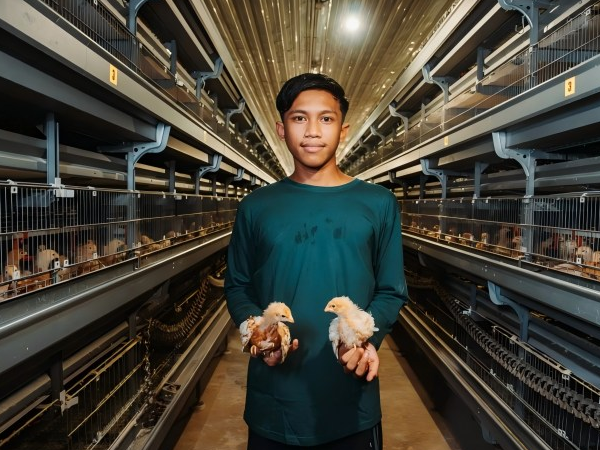
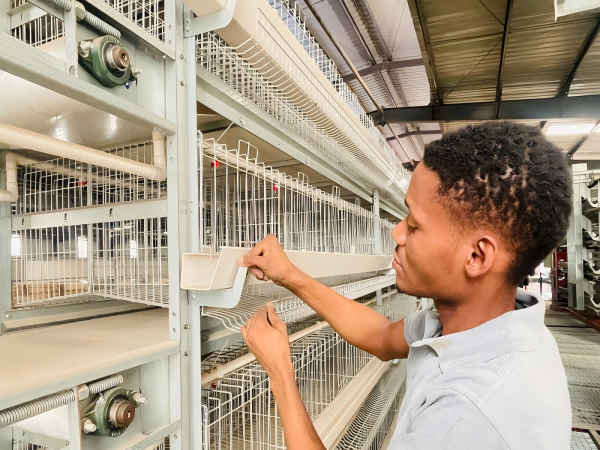
Turn-key poultry farm engineering with layer cages, broiler systems, ventilation, and manure handling.
Technical project support from equipment selection through installation, commissioning, and operator training.
Customized engineering specifications designed for commercial farms across worldwide markets.
Contact Us To Received Your Customized Poultry Farm Plan
Headquarters And Branchs
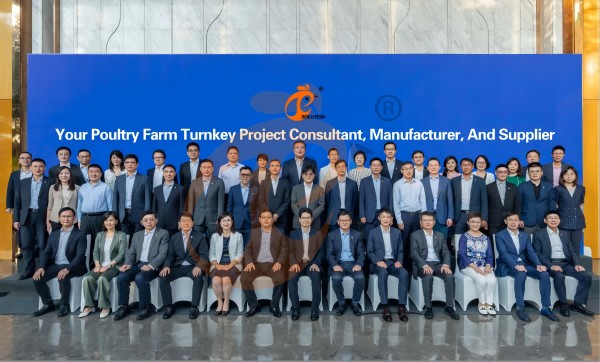
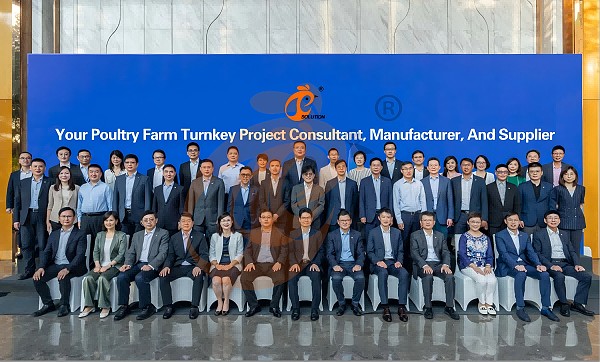
Hong Kong Headquarter Management Team
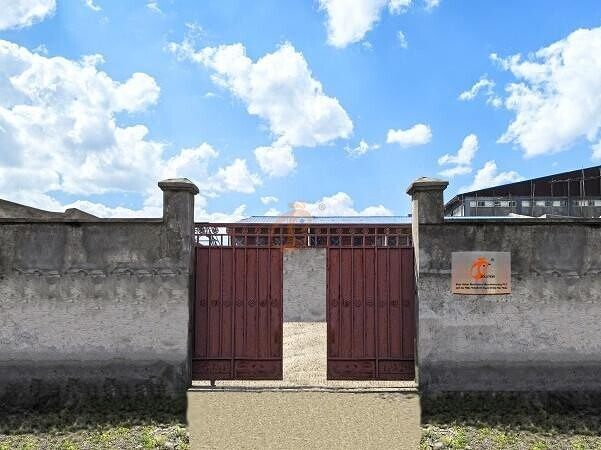
Hong Kong Headquarter Taiyu Industrial Group CO., LTD
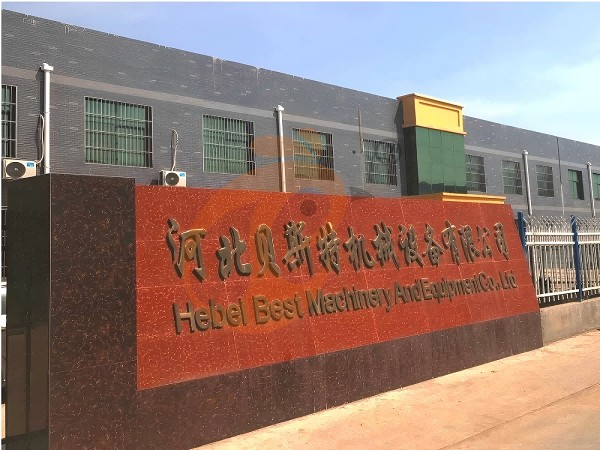
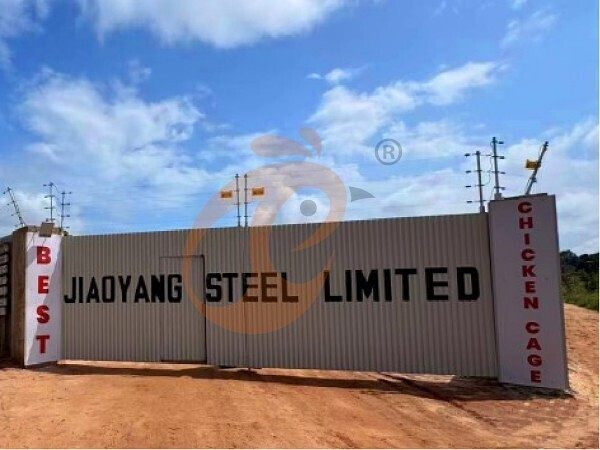
China Hebei Best Machinery And Equipment CO., LTD
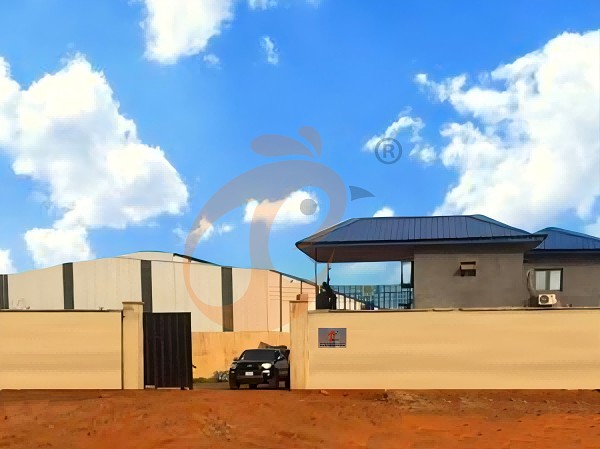
Nigeria Vanke Machinery And Equipment CO., LTD
Tanzania Best Machinery And Equipment CO., LTD
Ethiopia Best Hebei Machinery Manufacturing PLC
Reception /24 WhatsApp NO. : +8618830120193
PRODUCTS RECOMMENDED
 China Branch Manufacture Poultry Farm EquipmentRead More
 Ethiopia Branch Manufacture Poultry Farm EquipmentRead More
 Nigeria Branch Manufacture Poultry Farm EquipmentRead More
 Tanzania Branch Manufacture Poultry Farm EquipmentRead More
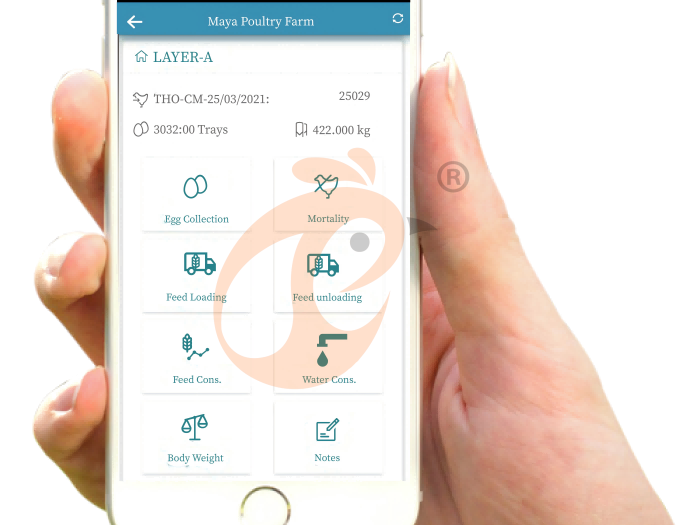
 IoT Smart Poultry FarmRead More
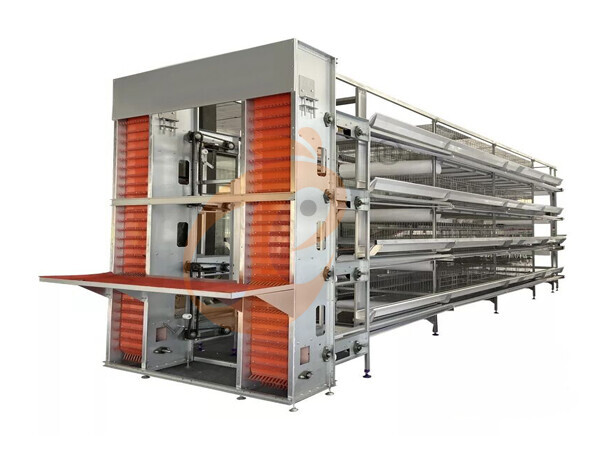
 >30,000 Layers Automatic H Type Battery CageRead More
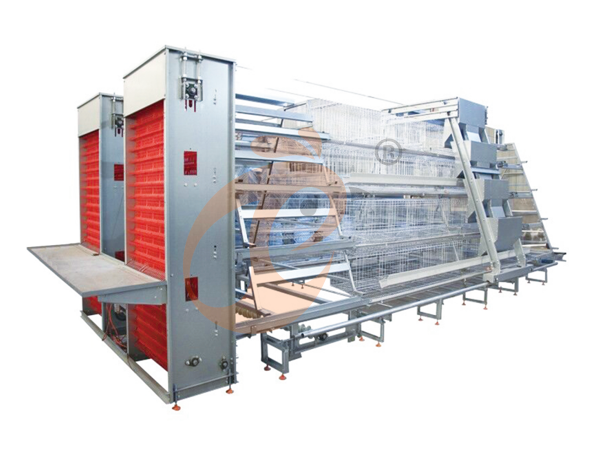
 10,000 - 30,000 Layers Automatic A Type Battery CageRead More
MESSAGE
NEWS
 50,000 - 100,000 chickens/house: poultry farm solution, chicken cage, poultry farm equipment, AI smart managementRead More
 30,000 - 50,000 chickens/house: poultry farm solution, chicken cage, poultry farm equipment, AI smart managementRead More
 10,000 - 30,000 chickens/house: poultry farm solution, chicken cage, poultry farm equipment, AI smart managementRead More
 100 - 10,000 chickens/house: poultry farm solution, chicken cage, poultry farm equipment, AI smart managementRead More