

BLOG
Commercial poultry feed mill systems directly influence feed production stability, pellet durability, operational efficiency, flock performance, and long-term investment recovery.
Modern poultry feed machine configurations support raw material grinding, batching accuracy, feed mixing uniformity, pellet conditioning, and automatic packaging operations.
Integrated animal feed processing lines reduce feed transportation dependence while improving poultry farm production scheduling efficiency.
Feed manufacturing cost optimization supports lower broiler production expenses and more stable layer farm operational margins.
Advanced poultry feed equipment combined with automated control systems improves productivity, energy management, maintenance scheduling, and investment profitability across industrial poultry farming operations.
Get professional poultry farm construction guidance, equipment selection solutions, and the latest price lists, whatsApp to +8618830120193, click to learn more:
Why Poultry Farms Build Their Own Feed Mills
Commercial poultry farms consume large quantities of feed every day.
A broiler farm with 50,000 birds may consume over 500 tons of feed monthly, while large layer operations can exceed 800 tons monthly depending on bird age and production stage.
Internal feed production also allows farms to adjust feed formulas according to bird age, climate conditions, vaccination schedules, and market objectives.
High-capacity poultry feed mill systems and animal feed production line configurations increasingly support commercial poultry integration projects worldwide.
Data is for reference only.Swipe horizontally to view full table.
Purchasing feed externally often creates operational problems including transportation expenses, delayed delivery schedules, inconsistent feed texture, and unstable nutritional quality.
By producing feed internally, poultry farms gain stronger operational control over feed supply stability and production continuity.
Main Equipment Inside A Poultry Feed Mill
A complete poultry feed mill contains multiple coordinated systems working together continuously.
The hammer mill controls grinding uniformity while the mixer ensures ingredient consistency.
Modern feed pellet machine structures combined with automatic batching technology improve production continuity in commercial poultry farms.
Data is for reference only.Swipe horizontally to view full table.
Cooling systems stabilize moisture content after pelleting, while packing machines improve final feed handling efficiency.
A balanced poultry feed production line normally achieves stable output while minimizing raw material loss during continuous operation.
Initial Feed Mill Investment Structure
One of the biggest mistakes poultry investors make is focusing only on machine purchase prices.
A complete poultry feed mill project also includes steel structure installation, electrical wiring, dust collection systems, transportation, and commissioning.
Complete feed mill engineering planning also affects long-term production stability and equipment operating lifespan.
Data is for reference only.Swipe horizontally to view full table.
EU standard reference only.
Infrastructure expenses may represent 30%–45% of total project cost depending on automation level.
A medium-scale feed mill designed for 5 tons per hour production generally requires a workshop area between 380–600 square meters.
Feed Production Cost Comparison
The largest financial advantage of self-produced feed comes from ingredient procurement flexibility.
Many poultry farms purchase corn, soybean meal, and bran directly from agricultural suppliers during harvest seasons when prices decline.
Professional poultry feed machine installation also reduces material handling loss during feed transfer and packaging stages.
Data is for reference only.Swipe horizontally to view full table.
EU standard reference only.
In several Southeast Asian and African poultry markets, farms producing poultry feed internally report savings between USD 42–88 per ton compared with commercial feed purchases.
These savings become highly significant in large-scale poultry operations operating continuously throughout the year.
Feed Quality Directly Influences Poultry Performance
Feed quality affects nearly every production indicator inside a poultry farm.
Uniform particle size improves digestion efficiency while stable protein distribution supports consistent growth.
Advanced feed pellet machine conditioning technology also improves starch gelatinization efficiency during pelleting operations.
Data is for reference only.Swipe horizontally to view full table.
Commercial poultry studies show that feed particle sizes between 650–850 microns often produce stronger nutrient absorption in broiler chickens.
Pellet durability above 91% reduces fines accumulation during transportation and feeding while precision weighing systems maintain ingredient accuracy deviations below ±0.3%.
Labor Optimization Through Automation
Traditional manual feed preparation requires significant labor input.
Modern automated feed mills dramatically reduce labor requirements through automatic batching systems, pneumatic conveyors, PLC control systems, and automatic bagging equipment.
Automated poultry feed machine configurations also support continuous operation during high seasonal poultry demand periods.
Data is for reference only.Swipe horizontally to view full table.
Automation improves production consistency because machine-controlled batching reduces human error during ingredient weighing and feed processing.
A medium poultry feed plant operating semi-automatically may produce over 40 tons daily using fewer than 6 workers.
Electricity Consumption And Energy Cost
Electricity consumption is one of the most important operational expenses inside a feed mill.
The hammer mill and pellet machine normally consume the largest percentage of electrical power.
Industrial animal feed production line systems with optimized conveying structures further reduce unnecessary motor load during operation.
Data is for reference only.Swipe horizontally to view full table.
Modern feed mills increasingly adopt variable-frequency drives (VFD) to regulate motor speed according to production load.
This technology may reduce electricity consumption by 10%–18% annually while improving overall equipment operational stability.
Importance Of Feed Conversion Ratio In ROI
Feed Conversion Ratio (FCR) is one of the most critical financial indicators in poultry farming.
Consistent feed quality, stable pellet texture, and proper nutrient formulation all contribute to improved FCR performance.
Advanced feed pellet machine compression systems often improve pellet consistency under continuous production environments.
Data is for reference only.Swipe horizontally to view full table.
A small reduction in FCR may generate large annual savings because feed consumption volumes remain extremely high in commercial poultry operations.
Reducing FCR from 1.78 to 1.70 in a 100,000-bird broiler farm can reduce total feed usage by dozens of tons during each production cycle.
Raw Material Storage Management
Ingredient storage quality strongly influences feed safety and nutritional stability.
Professional feed mills use ventilation fans, temperature monitoring systems, moisture control systems, and elevated steel silos.
Modern poultry feed mill engineering projects increasingly adopt automatic silo discharge systems to improve material handling efficiency.
Data is for reference only.Swipe horizontally to view full table.
Maintaining raw material moisture below 13.5% significantly reduces fungal development risk during long-term storage.
Large feed mills also separate ingredient storage zones to avoid cross-contamination between raw material categories.
Pellet Feed Advantages In Poultry Farms
Pellet feed provides several measurable production advantages over mash feed.
Birds waste less feed because pellets reduce ingredient separation and dust generation.
Advanced feed pellet machine die structures also improve pellet density consistency during continuous production cycles.
Data is for reference only.Swipe horizontally to view full table.
Commercial poultry operations using pellet feed frequently report faster weight gain, reduced feed wastage, improved flock uniformity, and shorter finishing periods.
Steam conditioning between 78°C–82°C generally improves starch gelatinization and pellet binding performance during feed production.
Maintenance Costs And Equipment Lifespan
Feed mill machinery operates under continuous mechanical stress.
Hammer blades, pellet dies, rollers, bearings, and conveyor chains experience gradual wear during production.
Professional poultry feed machine maintenance scheduling further reduces emergency shutdown frequency and production interruption losses.
Data is for reference only.Swipe horizontally to view full table.
Preventive maintenance reduces unexpected shutdowns and stabilizes production efficiency across long-term poultry feed manufacturing operations.
Many commercial feed plants schedule equipment inspection every 250–400 operating hours to improve machinery operating lifespan.
ROI Calculation Through Operational Savings
Feed mill profitability depends on cumulative operational savings over time.
The largest contributors normally include feed manufacturing savings, labor reduction, lower transportation expenses, and reduced feed waste.
Integrated animal feed production line management also improves production scheduling efficiency during peak farming seasons.
Data is for reference only.Swipe horizontally to view full table.
EU standard reference only.
A poultry farm consuming 6,000 tons annually may save over USD 480,000 yearly when feed cost reduction averages USD 80 per ton.
Investment recovery periods in many commercial projects range between 14–32 months depending on production scale and local raw material pricing.
Environmental Control And Dust Management
Feed dust is a major operational issue in poultry feed processing facilities.
Modern feed mills install cyclone separators and pulse dust collectors to maintain cleaner working environments.
Industrial poultry feed mill systems increasingly incorporate automatic dust recycling structures to reduce raw material waste.
Data is for reference only.Swipe horizontally to view full table.
Dust collection systems operating with filtration efficiency above 98% significantly reduce airborne particulate concentration.
Good ventilation also protects electrical systems and improves machinery lifespan inside humid tropical poultry regions.
FAQ
How Long Does A Poultry Feed Mill Normally Need To Recover Investment Cost?
Commercial poultry feed mill projects generally require 14–36 months for investment recovery depending on feed production volume, local raw material pricing, electricity cost, and poultry farm scale.
Large poultry integration projects with continuous production capacity normally achieve faster capital recovery because higher feed consumption creates stronger operational savings.
Which Poultry Feed Machine Most Directly Affects Feed Quality?
The feed pellet machine and hammer mill are the most important systems influencing feed quality performance.
Grinding uniformity affects nutrient digestion efficiency, while pellet compression quality affects pellet durability, feed wastage, and poultry feeding consistency inside broiler and layer farms.
Why Do Large Poultry Farms Prefer Automatic Animal Feed Production Line Systems?
Automatic animal feed production line systems improve batching precision, reduce labor cost, stabilize feed formulation consistency, and increase daily production efficiency.
Automated control systems also support continuous production scheduling and reduce operational errors during large-scale poultry farming operations.
Taiyu (HK) Group - One Of China Largest Feed Mill Manufacturer
Professional poultry feed mill equipment supports commercial broiler farms, layer farms, and industrial animal feed production projects worldwide
Global factory direct poultry feed machine supply improves project procurement efficiency and installation coordination for international customers
Advanced poultry equipment systems include poultry cage solutions, automatic feeding systems, and environmental ventilation engineering configurations
Turn-key poultry farm engineering projects support feed mill construction, steel structure installation, and automatic production management integration
Experienced technical engineering teams provide feed pellet machine installation guidance, operator training, and long-term equipment maintenance support
Contact Us To Received Your Customized Poultry Farm Plan
Headquarters And Branchs
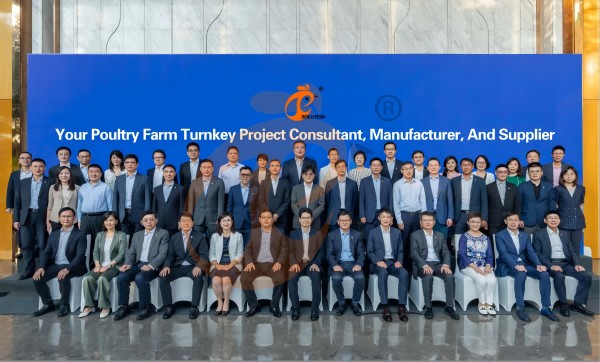
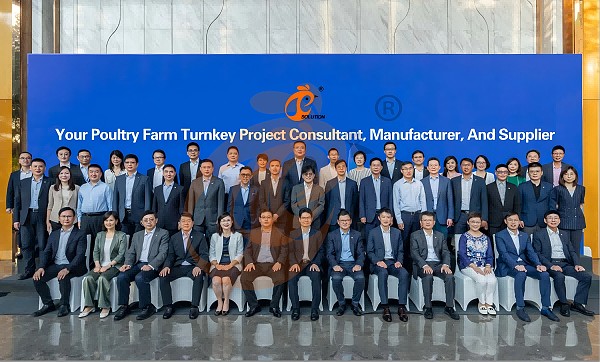
Hong Kong Headquarter Management Team
Hong Kong Headquarter Taiyu Industrial Group CO., LTD
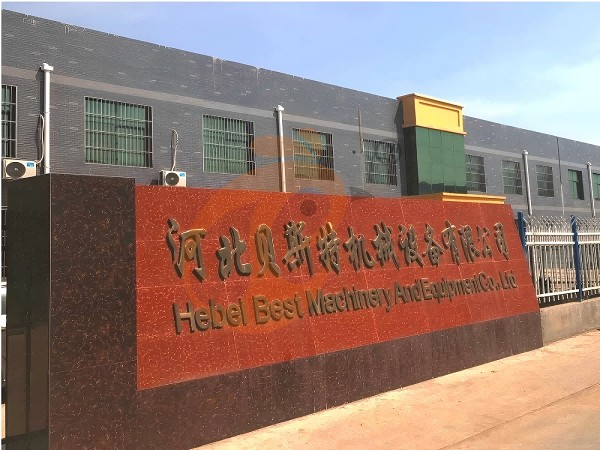
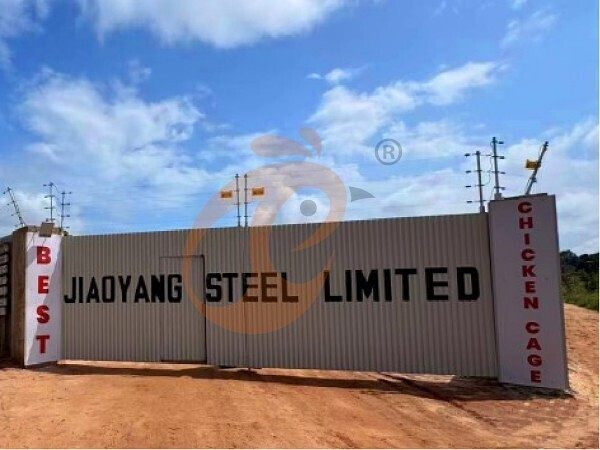
China Hebei Best Machinery And Equipment CO., LTD
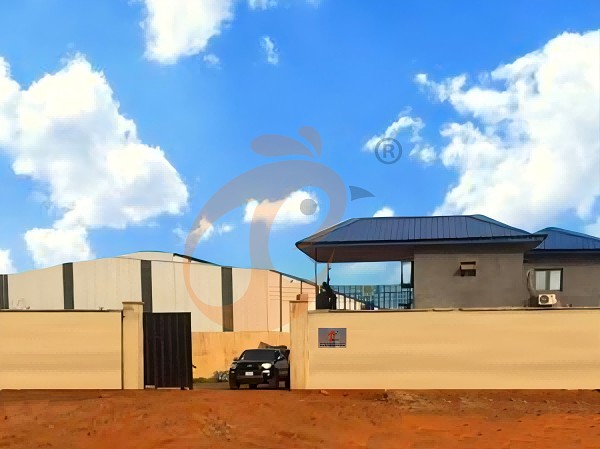
Nigeria Vanke Machinery And Equipment CO., LTD
Tanzania Best Machinery And Equipment CO., LTD
Ethiopia Best Hebei Machinery Manufacturing PLC

Reception /24 WhatsApp NO. : +8618830120193
PRODUCTS RECOMMENDED
 China Branch Manufacture Poultry Farm EquipmentRead More
 Ethiopia Branch Manufacture Poultry Farm EquipmentRead More
 Nigeria Branch Manufacture Poultry Farm EquipmentRead More
 Tanzania Branch Manufacture Poultry Farm EquipmentRead More
 IoT Smart Poultry FarmRead More
 >30,000 Layers Automatic H Type Battery CageRead More
 10,000 - 30,000 Layers Automatic A Type Battery CageRead More
MESSAGE
NEWS
 How To Choose A Reliable H Type Chicken Cage Supplier For Poultry Farms?Read More
 Floor Rearing System For Layers | Cost, Egg Production And Management TipsRead More
 How To Plan Poultry Farm Equipment Budget | 6 Key FactorsRead More
 How To Reduce Operating Costs With Battery Cage For Layers Systems | 6 TipsRead More