

BLOG
Modern broiler chicken cage systems require stable feeding accuracy, controlled environmental management, and continuous nutrient delivery.
Automatic poultry feeding equipment improves feed allocation consistency inside commercial poultry farming facilities.
Scientific broiler feed formulation supports rapid body weight growth, optimized FCR performance, and lower mortality ratios.
Commercial poultry cage projects commonly integrate automatic drinker systems, climate ventilation equipment, and manure removal technology.
Efficient poultry farm management reduces feed waste, lowers production cost, and increases final meat yield efficiency.
Get professional poultry farm construction guidance, equipment selection solutions, and the latest price lists, whatsApp to +8618830120193, click to learn more:
Understanding Feeding Requirements In Broiler Chicken Cages
Broiler chicken cage systems are widely applied in commercial poultry farming because cage structures improve space utilization and simplify flock management.
Feed expenses normally account for 65%–72% of total broiler production cost in intensive poultry production projects.
Commercial broiler strains can reach 2.6–3.0 Kg market weight within 42 days under optimized poultry feeding programs.
Inside automatic poultry cage systems, feeder accessibility, feeding frequency, water supply, and ventilation performance directly influence feed intake stability.
Young broilers require highly digestible feed during the first growth phase because digestive organs develop rapidly during early life stages.
Data is for reference only.Swipe horizontally to view full table.
A commercial broiler consumes approximately 4.6–4.9 Kg feed during a complete production cycle depending on poultry genetics and farm management conditions.
Automatic poultry feeding equipment improves feed delivery efficiency and reduces uneven feed distribution inside broiler chicken cage systems.
Improve Feeder Accessibility Inside Broiler Chicken Cages
Feeder accessibility strongly influences feeding efficiency inside poultry cage farming operations.
Incorrect feeder positioning increases feed spillage, causes uneven bird growth, and reduces overall production efficiency.
Modern broiler chicken cages commonly use galvanized steel feeding troughs connected with automatic chain feeding systems.
Automatic poultry feeding equipment distributes feed evenly to multiple cage rows within several minutes.
The feeding trough lip should remain aligned with average bird back height throughout different growth phases.
Data is for reference only.Swipe horizontally to view full table.
Deep feeding trough structures reduce feed scratching behavior during high feed intake periods.
A single automatic poultry feeding line can support more than 25,000 broilers with minimal labor requirement.
Hot-dip galvanized steel feeding systems with zinc coating above 275 g/m² improve corrosion resistance under humid poultry house conditions.
Why Cage Feeding Systems Improve Poultry Farm Efficiency
Traditional floor feeding systems frequently experience uneven feed allocation because dominant birds occupy feeding areas aggressively.
Broiler chicken cage systems provide organized feeder access points across multiple cage rows, improving feeding consistency.
Elevated cage structures also reduce feed contamination risk because manure accumulation remains separated from feeding areas.
Data is for reference only.Swipe horizontally to view full table.
Automatic poultry equipment also improves biosecurity management by reducing direct human contact during feeding operations.
Commercial poultry farming projects increasingly apply fully automatic broiler chicken cage systems because labor efficiency improves significantly under large-scale production conditions.
Use Scientifically Balanced Feed Formulas
Balanced broiler feed formulation directly affects muscle growth, immune performance, and feed conversion efficiency.
Commercial poultry farming operations commonly use corn and soybean meal as primary feed ingredients because nutritional stability remains reliable throughout large production cycles.
Fish meal, vegetable oil, limestone powder, and vitamin premix additives improve amino acid profile and mineral balance.
Data is for reference only.Swipe horizontally to view full table.
Protein concentration gradually decreases during later growth stages because mature broilers require additional energy for rapid weight gain instead of skeletal development.
High-quality pellet feed with durability above 92% reduces feed fines and improves feeding consistency inside automatic poultry cage systems.
Enzyme additives including phytase and xylanase improve nutrient digestibility and reduce mineral discharge into poultry manure.
Protein And Growth Performance In Commercial Poultry Farming
Protein supplies amino acids required for breast meat deposition and muscle fiber growth.
Insufficient lysine and methionine concentration frequently reduce daily body weight gain and worsen FCR performance.
Commercial broiler genetics can achieve daily weight gain above 65 G during optimized grower phases.
Data is for reference only.Swipe horizontally to view full table.
Commercial broiler farms operating automatic poultry feeding equipment frequently achieve FCR values between 1.55–1.72 by 42 days.
Lower FCR values reduce total feed consumption and improve final production profitability.
Optimize Feeding Frequency And Feeding Time
Broilers naturally consume feed multiple times throughout daily production cycles.
Large feed allocations during limited feeding periods commonly increase feed waste because birds scratch excessive feed outside feeding troughs.
Split feeding schedules improve feed freshness and stabilize intake behavior throughout poultry houses.
Data is for reference only.Swipe horizontally to view full table.
Automatic poultry feeding equipment improves schedule precision because feed distribution speed remains stable throughout all cage rows.
Fully automatic chain feeding systems can distribute feed to 30,000 broilers within 15 minutes.
Nighttime feeding periods also improve appetite under high environmental temperature conditions.
Heat Stress And Feeding Efficiency In Poultry Farming
Heat stress remains one of the largest performance challenges in commercial poultry farming operations.
Broilers exposed to excessive environmental temperatures reduce feed intake to decrease metabolic heat production.
Reduced feed intake directly slows body weight gain and lowers production efficiency.
Data is for reference only.Swipe horizontally to view full table.
Tunnel ventilation systems combined with cooling pads improve air circulation and reduce heat accumulation inside broiler chicken cage houses.
Air velocity between 2.0–2.5 M/s helps improve thermal comfort and feeding activity during summer production periods.
Maintain Continuous Access To Clean Water
Water intake strongly influences feed consumption and digestive performance inside poultry farming operations.
Commercial broilers normally consume 1.7–2.0 times more water compared with total feed intake by weight.
Nipple drinking systems installed beside automatic poultry feeding equipment reduce water leakage and improve poultry house hygiene.
Data is for reference only.Swipe horizontally to view full table.
Water sanitation programs commonly maintain chlorine concentration between 2–5 ppm to control microbial contamination inside drinking pipelines.
Ammonia concentration above 25 ppm frequently damages respiratory tissue and lowers feeding activity.
Reduce Feed Waste Through Advanced Poultry Equipment
Feed waste directly increases production cost in commercial broiler chicken cage projects.
Poorly managed poultry feeding systems may waste more than 250 G feed per bird during one complete production cycle.
Modern poultry equipment manufacturers design anti-spill feeding troughs to reduce unnecessary feed loss.
Data is for reference only.Swipe horizontally to view full table.
Automatic poultry cage systems reduce labor dependency and improve feed allocation consistency across large poultry farming projects.
Galvanized steel feeding trough thickness between 1.0–1.2 Mm improves structural durability and long-term operating stability.
Poultry Science Knowledge About FCR Performance
Feed conversion ratio measures feed efficiency during broiler meat production.
Lower FCR values indicate stronger feed utilization efficiency and lower feed consumption per kilogram body weight gain.
Improving FCR by only 0.05 points can create significant financial savings in large poultry farming projects.
Feed price commonly fluctuates between USD 380–USD 450 per metric ton depending on grain market conditions.
European union standard reference only.
Data is for reference only.Swipe horizontally to view full table.
Automatic poultry feeding equipment improves feed consistency and supports better FCR stability during intensive production cycles.
Monitor Bird Performance And Feeding Data Daily
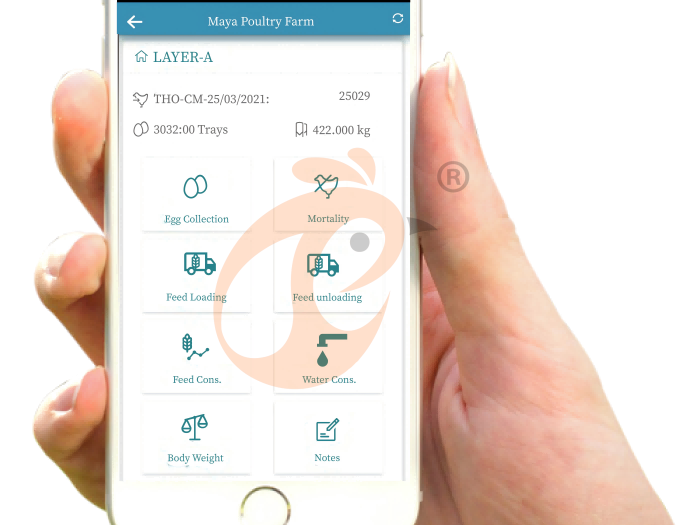
Modern poultry farming increasingly depends on digital production monitoring systems instead of visual estimation methods alone.
Daily production records help identify feeding abnormalities before severe economic losses occur.
Important production indicators include feed intake, body weight, mortality ratio, water consumption, temperature, humidity, and FCR values.
Data is for reference only.Swipe horizontally to view full table.
Artificial intelligence monitoring systems installed inside modern broiler chicken cage houses can analyze feeding behavior automatically through camera technology.
Digital poultry farm management systems also improve environmental control accuracy and reduce unnecessary operating losses.
Frequently Asked Questions
Q1: How does automatic poultry feeding equipment improve feeding efficiency?
Automatic poultry feeding equipment distributes feed evenly across all broiler chicken cage rows within short operating periods.
Uniform feed allocation reduces aggressive feeding competition, lowers feed waste, and improves flock uniformity during commercial poultry farming production cycles.
Q2: Why does feeder height influence feed consumption?
Incorrect feeder height increases feed scratching behavior and prevents smaller birds from accessing feed comfortably.
Feeder lip adjustment aligned with average bird back height improves feed accessibility and reduces feed spillage ratios significantly.
Q3: Why is water management important for broiler feeding performance?
Water consumption directly affects digestion, nutrient absorption, and feed intake activity.
Continuous clean water supply improves appetite stability, supports metabolic function, and reduces stress inside automatic poultry cage systems.
Taiyu (HK) Group - One Of China Largest Broiler Chicken Cage Manufacturer
Advanced broiler chicken cage systems support efficient automatic poultry feeding operations worldwide
Professional poultry equipment factory provides integrated poultry cage production engineering solutions
Turn-key poultry farming projects include ventilation systems and automatic manure removal equipment
Global poultry farming customers receive galvanized steel cage equipment with stable operating performance
Commercial poultry equipment manufacturing supports large-scale broiler farming investment development projects
Contact Us To Received Your Customized Poultry Farm Plan
Headquarters And Branchs
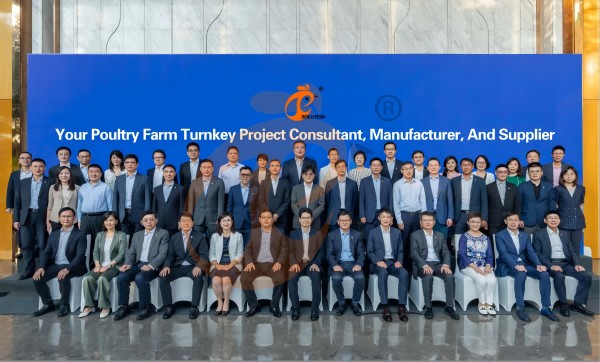
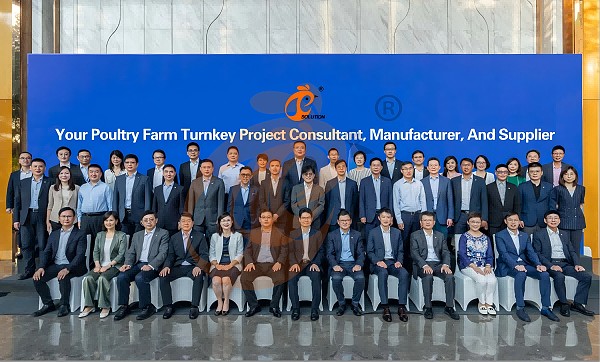
Hong Kong Headquarter Management Team
Hong Kong Headquarter Taiyu Industrial Group CO., LTD
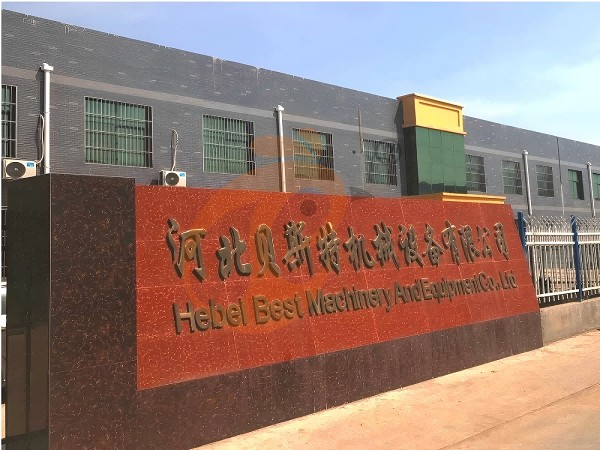
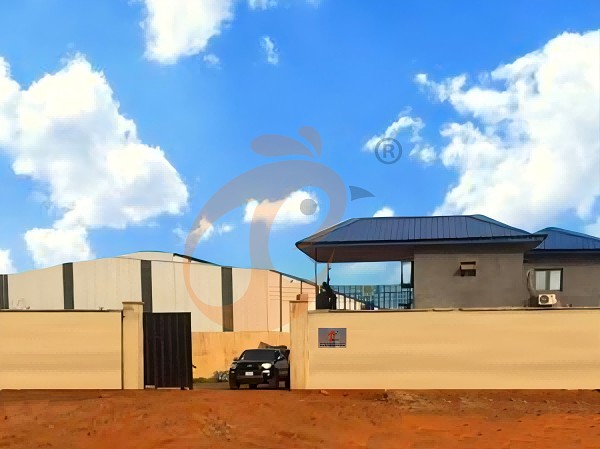
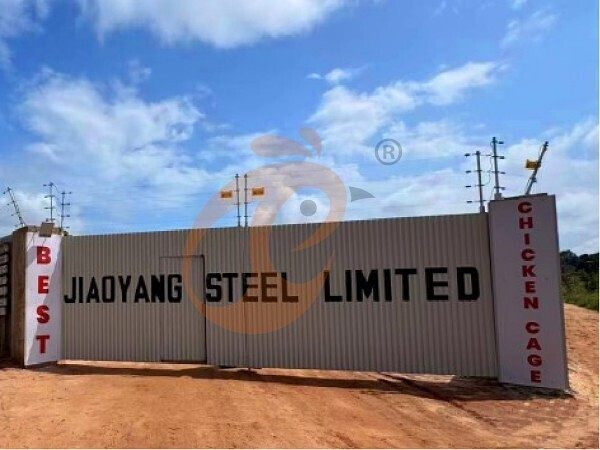
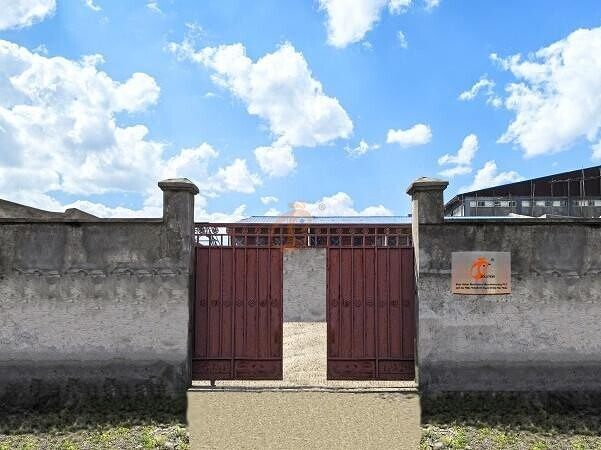
China Hebei Best Machinery And Equipment CO., LTD
Nigeria Vanke Machinery And Equipment CO., LTD
Tanzania Best Machinery And Equipment CO., LTD
Ethiopia Best Hebei Machinery Manufacturing PLC
Reception /24 WhatsApp NO. : +8618830120193
PRODUCTS RECOMMENDED
 China Branch Manufacture Poultry Farm EquipmentRead More
 Ethiopia Branch Manufacture Poultry Farm EquipmentRead More
 Nigeria Branch Manufacture Poultry Farm EquipmentRead More
 Tanzania Branch Manufacture Poultry Farm EquipmentRead More
 IoT Smart Poultry FarmRead More
 >30,000 Layers Automatic H Type Battery CageRead More
 10,000 - 30,000 Layers Automatic A Type Battery CageRead More
MESSAGE
NEWS
 How To Choose A Reliable H Type Chicken Cage Supplier For Poultry Farms?Read More
 Floor Rearing System For Layers | Cost, Egg Production And Management TipsRead More
 How To Plan Poultry Farm Equipment Budget | 6 Key FactorsRead More
 How To Reduce Operating Costs With Battery Cage For Layers Systems | 6 TipsRead More