

BLOG
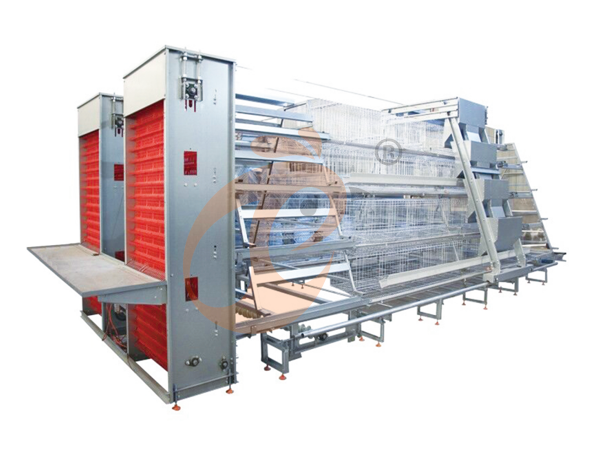
Layer chicken cage feeding system optimization improves production efficiency and reduces feed cost per egg by 6–12% in commercial farms.
Feed distribution engineering stabilizes nutrient intake across cage rows and reduces within-flock weight variation to below 4.5%.
Precision nutrition formulation supports peak laying rates reaching 92–96% in well-managed Hy-Line Brown and Lohmann systems.
Automated feeding equipment calibration maintains feed delivery accuracy within ±2 g per cycle in multi-tier cage structures.
Water-feed ratio control supports intestinal absorption efficiency improvement of 8–14% under controlled thermal environments.
Environmental regulation stabilizes corticosterone levels, reducing stress-induced feed intake drop by up to 7%.
Get professional poultry farm construction guidance, equipment selection solutions, and the latest price lists, whatsApp to +8618830120193, click to learn more:
Feed Distribution Uniformity In Cage Feeding Lines
Data is for reference only.Swipe horizontally to view full table.
Layer chicken cage systems with 10,000–100,000 bird capacity require synchronized feed line calibration every 7–10 days.
Uneven feed allocation increases coefficient of variation in body weight distribution by up to 6.8% in high-density flocks.
Chain feeder torque variation above 1.8 Nm can reduce feed uniformity efficiency by 3–5%.
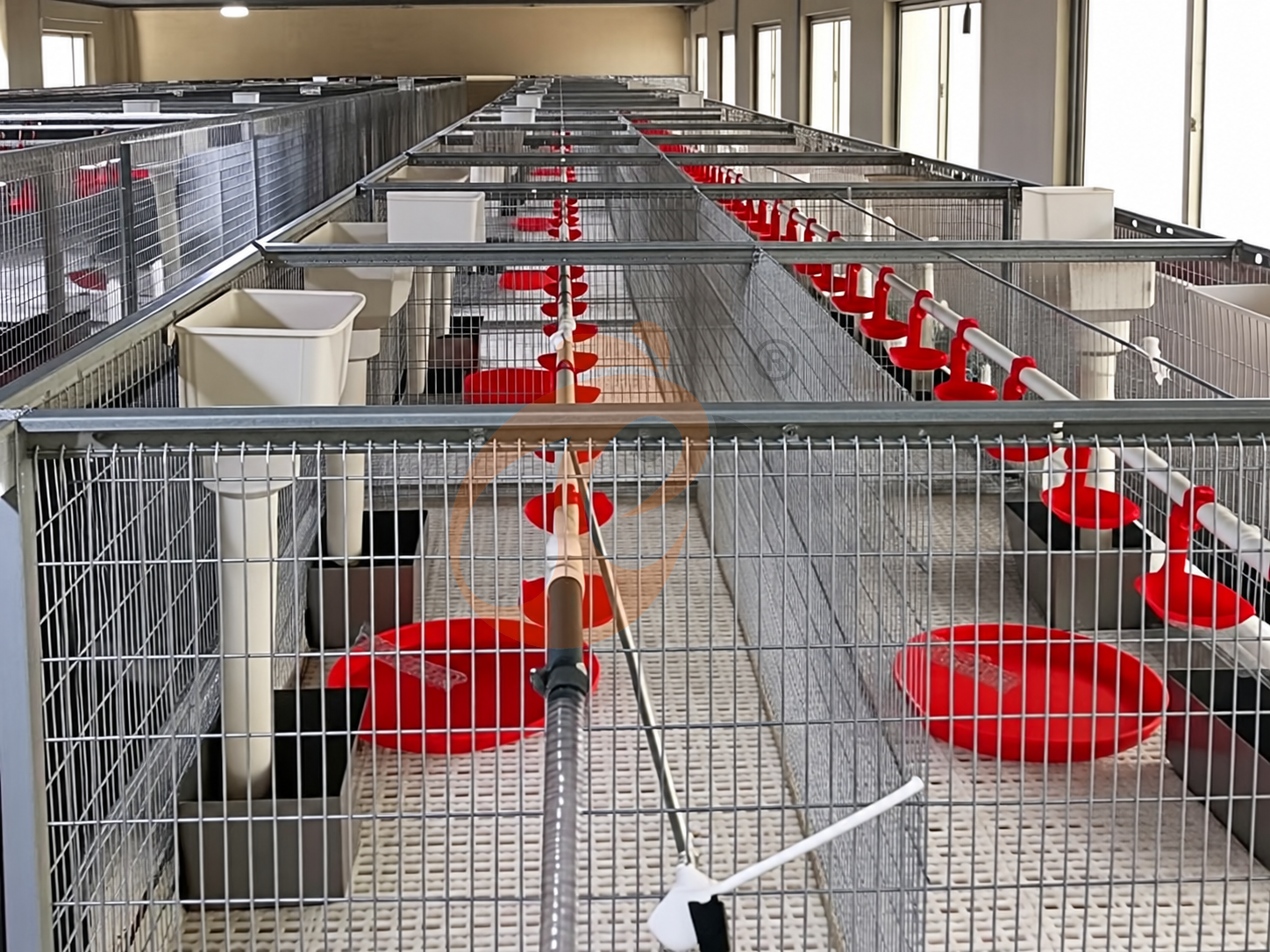
Large-scale poultry cage operations typically use galvanized steel trough systems with 275–320 g/m linear feed capacity.
Feed deviation reduction improves first-year laying persistence by approximately 2.5–3.8%.
Precision Feed Formulation For Egg Production Stage
Data is for reference only.Swipe horizontally to view full table.
Precision nutrition formulation directly affects egg mass yield, typically increasing average egg weight from 58 g to 63 g in optimized systems.
Calcium utilization efficiency in shell gland reaches 55–65% under vitamin D3 supplementation of 3000–5000 IU/kg feed.
Protein digestibility above 88% improves albumen height and Haugh unit values by 4–6 points.
Energy-to-protein ratio adjustment between 155–165 kcal/g protein stabilizes laying persistence beyond 85 weeks.
Cage layer feeding system performance depends on amino acid balance, especially lysine levels of 0.85–0.92%.
Feed Particle Size Control In Cage Systems
Data is for reference only.Swipe horizontally to view full table.
Feed particle uniformity directly affects gizzard retention time, reducing feed passage variability by up to 18%.
Pellet durability index above 88% improves nutrient retention during mechanical transport in automated cage lines.
Crumble feed reduces selective feeding behavior in hens older than 35 weeks by approximately 12–15%.
Mash feed improves early-stage gut microbiota colonization, increasing Lactobacillus population density by 9–11%.
Particle optimization reduces fine dust loss below 1.2% in controlled feed milling systems.
Automated Feeding System Timing Optimization
Data is for reference only.Swipe horizontally to view full table.
Automated feeding systems synchronized with circadian rhythm increase oviposition synchronization rate by up to 5.5%.
Morning feed aligns with peak LH (luteinizing hormone) activity window between 06:00–09:00.
Afternoon feed supports calcium mobilization peak in shell gland formation stage.
Feed timing deviation greater than 45 minutes can reduce laying uniformity index by 3–4%.
Precision scheduling improves feed efficiency ratio by 0.08–0.12 in commercial cage farms.
Water-To-Feed Ratio Optimization In Cage Houses
Data is for reference only.Swipe horizontally to view full table.
Water intake variation above 15% daily fluctuation indicates potential feed digestion instability in cage systems.
Nipple drinker flow rate between 60–80 ml/min ensures stable hydration for 8–12 birds per nipple line.
Electrolyte supplementation (Na+, K+, Cl-) improves heat stress resistance by 10–13% in 30–35°C environments.
Reduced water intake below 170 ml/day correlates with 6–9% decline in egg production rate.
Hydration balance directly regulates intestinal villi absorption efficiency.
Feed Waste Reduction In Cage Equipment Design
Data is for reference only.Swipe horizontally to view full table.
Feed waste reduction from 6.5% to below 3% improves feed cost efficiency by approximately 18–22 USD per 1000 birds annually.
Trough edge angle between 55–65° reduces spillage caused by pecking behavior.
Vibration frequency above 12 Hz increases feed displacement loss in metal trough systems.
Pellet hardness between 65–75 N optimizes balance between durability and intake ease.
Feed recovery systems in modern cages can recapture up to 1.8% spilled feed.
Feed Conversion Efficiency In Cage Layer Systems
Feed conversion ratio (FCR) in cage layer systems operates between 2.0–2.4 kg feed per kg eggs produced.
Mitochondrial ATP synthesis efficiency increases nutrient conversion rate during peak laying phase.
Calcium carbonate absorption efficiency reaches maximum when particle size is below 2 mm.
Gut microbiota diversity index above 3.2 Shannon score correlates with 5–7% higher egg output.
A 5% improvement in absorption efficiency increases egg output by 4–7% and reduces feed cost per egg by 6–10%.
Real-Time Feeding Behavior Monitoring System
Data is for reference only.Swipe horizontally to view full table.
Sensor-based monitoring systems reduce manual inspection labor by approximately 35–40% in commercial cage farms.
Infrared feed sensors detect intake interruption within 8–12 seconds delay window.
Data logging intervals of 5 minutes improve anomaly detection accuracy by 22%.
Automated alerts reduce response time to feed system failure by up to 60%.
Poultry cage monitoring improves survival rate consistency across production batches.
Environmental Impact On Feeding Stability
Data is for reference only.Swipe horizontally to view full table.
Temperature fluctuation exceeding 5°C per day increases metabolic stress index by 0.3–0.5 units.
Lighting duration between 14–16 hours maintains optimal laying hormone secretion balance.
Ventilation rate of 6–8 air changes per hour stabilizes CO₂ concentration below 3000 ppm.
Environmental stabilization directly improves feed conversion efficiency consistency.
Frequently Asked Questions
Q1: How does feed distribution affect layer cage productivity?
Feed distribution uniformity reduces body weight coefficient of variation below 5% in commercial flocks.
It improves egg production consistency by stabilizing nutrient intake per bird within ±2 g deviation.
Q2: What feed formulation changes improve shell quality?
Increasing calcium to 4.1–4.3% and maintaining vitamin D3 at 3000–5000 IU/kg improves shell thickness by 6–9%.
Balanced methionine levels of 0.38–0.45% enhance shell membrane strength and reduce breakage rate.
Q3: Why does water-to-feed ratio change with temperature?
At 35°C, metabolic heat dissipation increases water demand to 3.2–3.8 ratio range.
Feed intake declines due to reduced digestive enzyme activity efficiency under heat stress conditions.
Taiyu (HK) Group - One Of China Largest Layer Chicken Cage Equipment Manufacturer
Taiyu layer chicken cage system delivers precision feeding engineering solution for commercial poultry farms with 50,000–200,000 bird capacity projects.
Global factory direct supply poultry cage equipment ensures standardized galvanized steel structure with 275–350 g/m corrosion resistance coating.
Turn-key poultry equipment engineering service supports automated feeding system integration, ventilation design, and manure removal systems.
Advanced poultry feeding system improves feed distribution accuracy within ±2 g deviation across multi-tier cage layouts.
Industrial poultry cage manufacturer provides long-term durability exceeding 15–20 years operational lifespan under commercial farm conditions.
Contact Us To Received Your Customized Poultry Farm Plan
Headquarters And Branchs
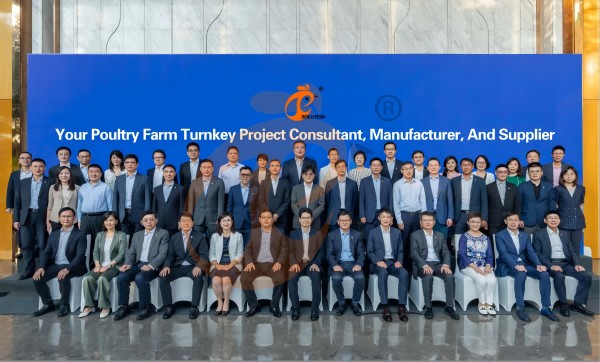
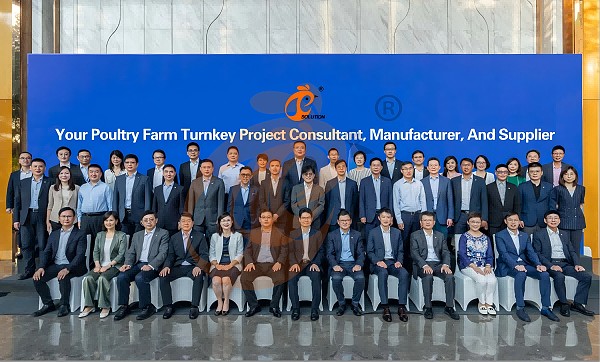
Hong Kong Headquarter Management Team
Hong Kong Headquarter Taiyu Industrial Group CO., LTD
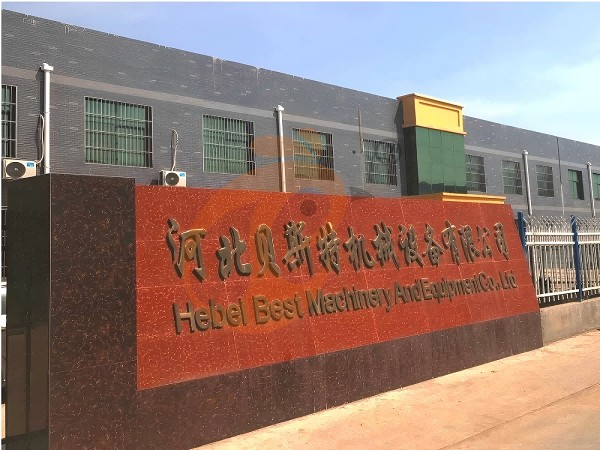
China Hebei Best Machinery And Equipment CO., LTD
Nigeria Vanke Machinery And Equipment CO., LTD
Tanzania Best Machinery And Equipment CO., LTD
Ethiopia Best Hebei Machinery Manufacturing PLC
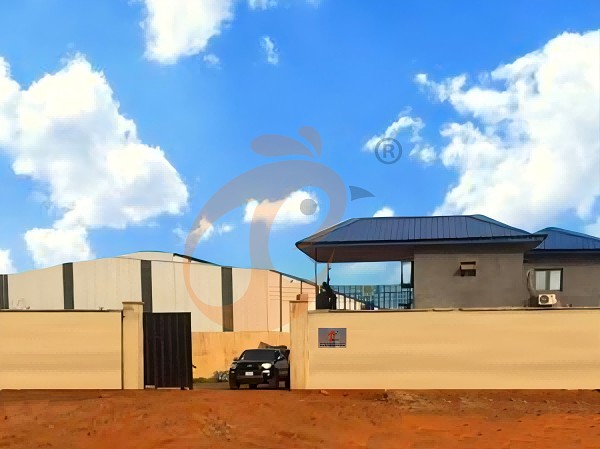
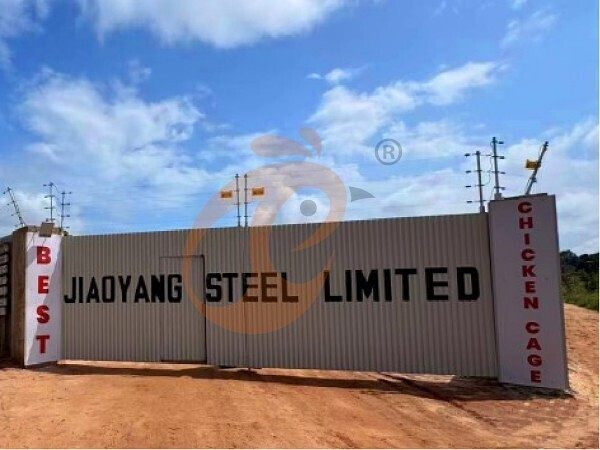
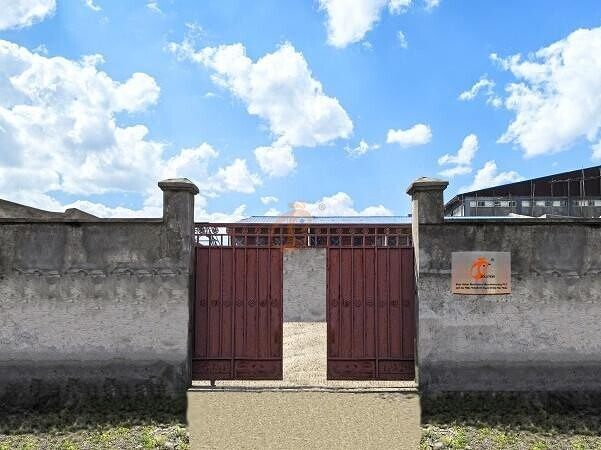
Reception /24 WhatsApp NO. : +8618830120193
PRODUCTS RECOMMENDED
 China Branch Manufacture Poultry Farm EquipmentRead More
 Ethiopia Branch Manufacture Poultry Farm EquipmentRead More
 Nigeria Branch Manufacture Poultry Farm EquipmentRead More
 Tanzania Branch Manufacture Poultry Farm EquipmentRead More
 IoT Smart Poultry FarmRead More
 >30,000 Layers Automatic H Type Battery CageRead More
 10,000 - 30,000 Layers Automatic A Type Battery CageRead More

MESSAGE
NEWS
 How To Choose A Reliable H Type Chicken Cage Supplier For Poultry Farms?Read More
 Floor Rearing System For Layers | Cost, Egg Production And Management TipsRead More
 How To Plan Poultry Farm Equipment Budget | 6 Key FactorsRead More
 How To Reduce Operating Costs With Battery Cage For Layers Systems | 6 TipsRead More