

BLOG
Commercial poultry farms operating above 10,000 birds normally consume more than 18 tons of feed weekly during peak broiler growth periods.
Industrial poultry farming equipment directly affects feed conversion ratio, bird uniformity percentage, electricity consumption, and annual flock turnover efficiency.
Automatic chicken feeder systems reduce manual labor demand by approximately 35% compared with traditional feeding methods inside medium-scale poultry houses.
Poultry ventilation fan systems maintain oxygen concentration stability and reduce respiratory stress during high-temperature seasonal production cycles.
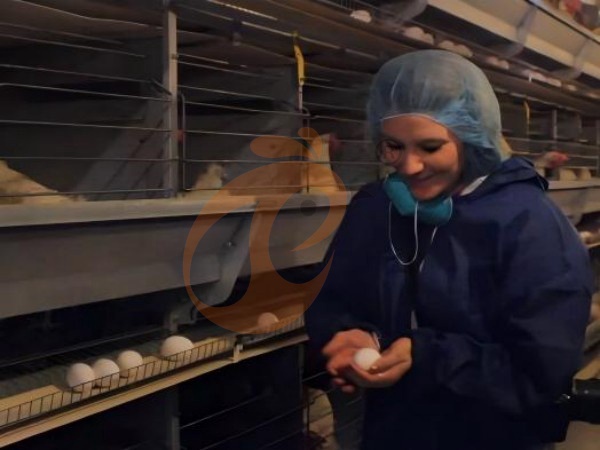
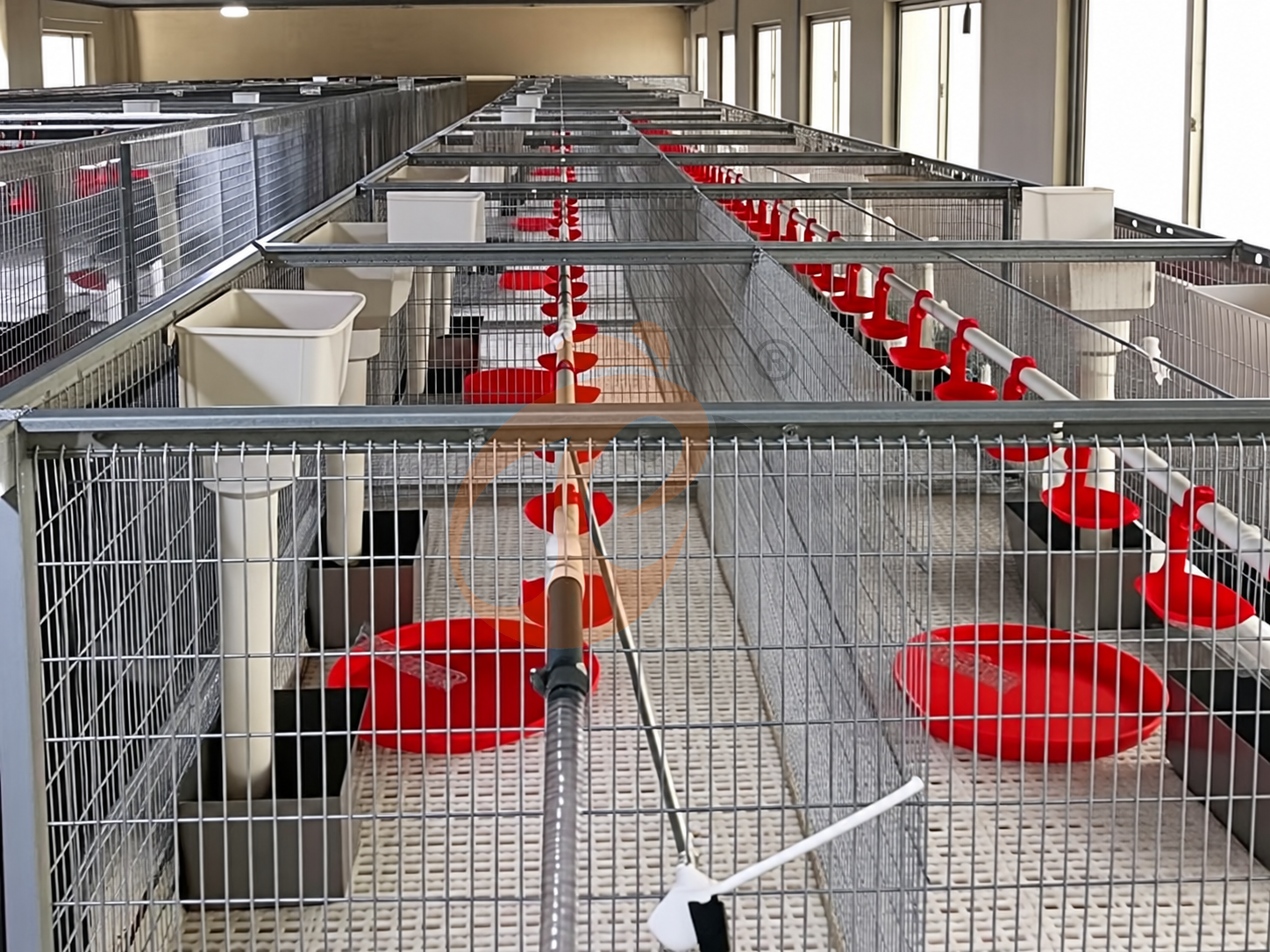
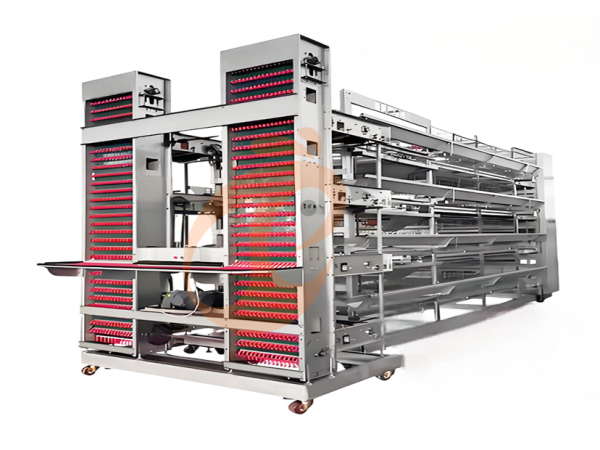
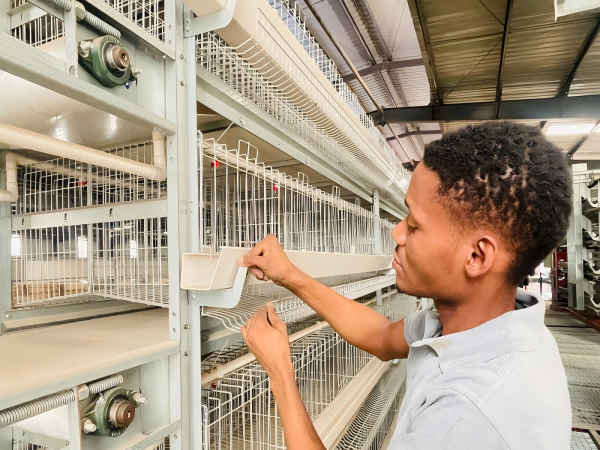
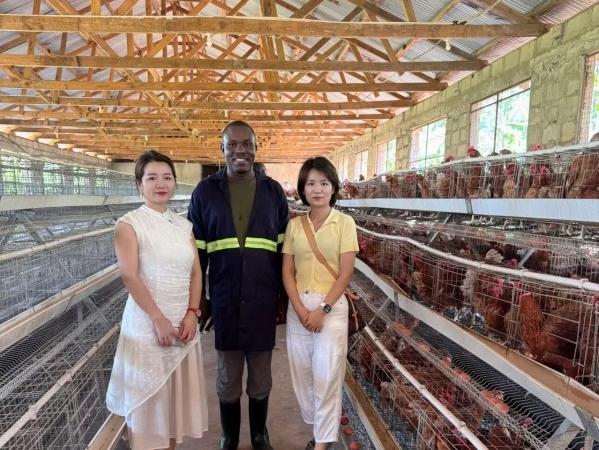
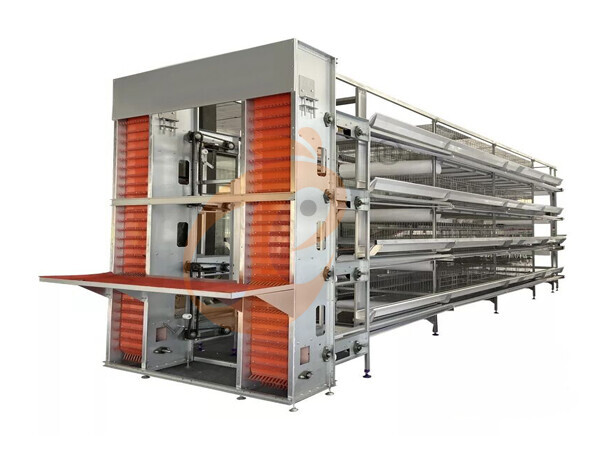
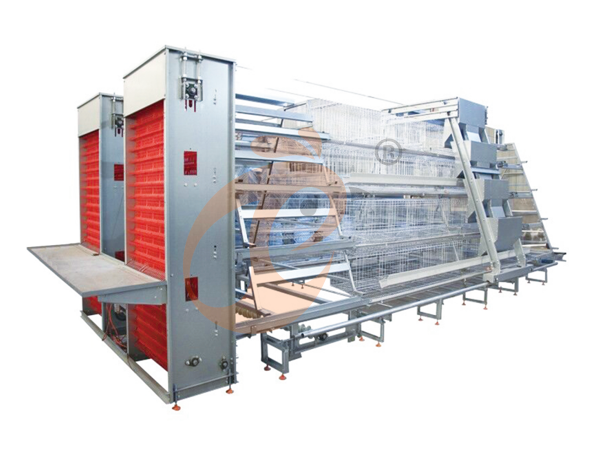
Layer cage system engineering supports controlled egg production environments with lower breakage rates and faster collection efficiency.
Explains 6 practical steps for creating a complete poultry equipment list while focusing on the most important poultry farming products used in modern broiler and layer operations.
Get professional poultry farm construction guidance, equipment selection solutions, and the latest price lists, whatsApp to +8618830120193, click to learn more:
Step 1 - Determine Farm Capacity Before Buying Equipment
The first step is calculating the exact number of birds the farm will raise.
Equipment dimensions, feeding line length, ventilation capacity, water pressure, and lighting coverage all depend on stocking density.
A broiler farm with 5,000 birds requires completely different infrastructure compared with a 50,000-bird commercial facility.
Poultry House Space Calculation
Data is for reference only.Swipe horizontally to view full table.
Overcrowding increases litter moisture, ammonia concentration, and heat stress.
Commercial farms generally target indoor ammonia concentrations below 20 ppm and humidity between 50% and 70%.
Equipment Planning Formula
Farmers should estimate equipment capacity using future expansion projections instead of current bird numbers only.
For example
- Current flock size: 8,000 birds
- Expected expansion after 2 years: 15,000 birds
- Recommended feeder system capacity: 18,000 birds
Commercial poultry farms replacing undersized equipment during operational expansion often increase total installation expenditure by 18% to 25% because of pipeline redesign, electrical modification, and production downtime.
Step 2 - Build A High-Efficiency Feeding System
Feed represents approximately 65% of poultry production cost. A 20,000-bird broiler farm may consume more than 650 metric tons of feed annually, making feeding efficiency one of the largest profitability variables in poultry production management.
Modern poultry feeding infrastructure combines automated feed transport, storage management, feed distribution precision, and controlled delivery efficiency to support stable flock growth performance inside commercial poultry houses.
Poultry Feeding Equipment Specifications
Data is for reference only.Swipe horizontally to view full table.
Automatic feeding systems can reduce feed waste from approximately 7% to less than 2% per cycle.
Commercial automatic chicken feeder installations for 20,000 birds generally cost between $6,500 and $18,000 depending on feed silo capacity and control systems.
European union standard reference only.
Science Corner - Feed Conversion Ratio
Feed Conversion Ratio (FCR) measures how efficiently poultry converts feed into body weight.
A broiler farm achieving an FCR of 1.55 uses 1.55 kg of feed to produce 1 kg of chicken meat.
Poor feeder adjustment, excessive feed depth, and uneven feed distribution frequently increase feed loss by more than 1.2 metric tons during a single commercial production cycle.
Feed Storage Requirements
Data is for reference only.Swipe horizontally to view full table.
Feed exposed to humidity above 14% moisture becomes vulnerable to fungal contamination and mycotoxin formation.
Laboratory testing in tropical poultry regions regularly identifies aflatoxin contamination in improperly stored corn-based poultry feed materials.
Step 3 - Install Reliable Poultry Drinking Equipment
Water systems directly affect bird metabolism, digestion, temperature regulation, and feed intake.
During summer production periods above 30°C, poultry water consumption can increase by more than 40% compared with moderate seasonal conditions.
Modern poultry drinking infrastructure normally combines pressure-balanced water delivery, filtration protection, medication dosing control, and pipeline sanitation management inside commercial poultry houses.
Integrated drinking systems improve water consistency during continuous high-density poultry production cycles.
Data is for reference only.Swipe horizontally to view full table.
Modern nipple systems significantly reduce bacterial contamination because birds only access flowing water droplets instead of standing water.
Complete nipple drinking line systems for medium poultry farms commonly range from $2,000 to $9,000 depending on pipeline length and filtration configuration.
European union standard reference only.
Step 4 - Prioritize Ventilation And Climate Control Products
Environmental control equipment determines bird comfort and respiratory health.
Tunnel-ventilated poultry houses exceeding 120 meters in length require carefully balanced static pressure control to maintain uniform airflow distribution from air inlet to exhaust section.
Commercial poultry environmental control systems coordinate airflow speed, static pressure balance, evaporative cooling efficiency, thermal stability, and humidity regulation throughout the entire production building.
Stable environmental management becomes increasingly important in enclosed high-density broiler and layer farming facilities.
Poultry Ventilation Equipment Performance
Data is for reference only.Swipe horizontally to view full table.
Commercial broiler farms commonly maintain air velocity between 2.0 and 3.0 meters per second during hot weather tunnel ventilation.
Poultry ventilation fan systems with cooling pad assemblies for 10,000 birds usually require investment between $8,000 and $25,000 based on environmental controller specification.
European union standard reference only.
Recommended Temperature Program
Data is for reference only.Swipe horizontally to view full table.
Temperature fluctuations greater than 3°C within several hours may stress young chicks.
Heat stress during broiler finishing periods may reduce daily body weight gain by more than 8% under insufficient cooling conditions.
Step 5 - Add Egg Collection And Layer Farming Equipment
Layer farms require specialized equipment focused on egg cleanliness, breakage reduction, and labor efficiency.
Commercial layer operations with automated egg collection systems can process more than 150,000 eggs daily with limited manual handling requirements.
Modern layer farming operations depend on synchronized egg handling, cage management, lighting control, and collection efficiency to maintain stable daily egg output.
Large commercial farms increasingly reduce manual egg contact to improve shell cleanliness and transportation consistency.
Layer Equipment Specifications
Data is for reference only.Swipe horizontally to view full table.
Modern egg conveyor systems can reduce egg breakage rates below 1.5%.
Commercial layer cage system projects with automatic egg collection equipment typically cost between $35 and $90 per bird position.
European union standard reference only.
Lighting Program For Layers
Data is for reference only.Swipe horizontally to view full table.
Light intensity and duration strongly influence egg production consistency.
Incorrect lighting programs may trigger premature laying activity and reduce long-term shell quality performance.
Step 6 - Build A Complete Biosecurity And Waste Management System
Disease prevention equipment is one of the most critical investments in poultry farming.
Historical avian influenza outbreaks in several international poultry-producing regions have caused multi-million-dollar livestock losses and large-scale production shutdowns.
Modern poultry biosecurity management combines personnel sanitation control, disinfection scheduling, waste isolation, rodent prevention, and mortality handling procedures to reduce cross-contamination risks between poultry houses and production cycles.
Biosecurity Equipment Data
Data is for reference only.Swipe horizontally to view full table.
Commercial poultry farms typically disinfect housing between every production cycle with a downtime period of 10-14 days.
Industrial poultry farm biosecurity systems including fogging machines and sanitation stations generally require budgets from $1,500 to $12,000 according to farm scale.
European union standard reference only.
Poultry Waste Production Estimates
Data is for reference only.Swipe horizontally to view full table.
Waste management systems help reduce odor, insects, and groundwater contamination.
Large poultry farms may generate several hundred tons of manure monthly, creating substantial environmental management pressure without proper disposal systems.
Complete Poultry Equipment Checklist
The following master checklist summarizes the major poultry equipment products required for modern farms.
Data is for reference only.Swipe horizontally to view full table.
Smart Poultry Farming Technology
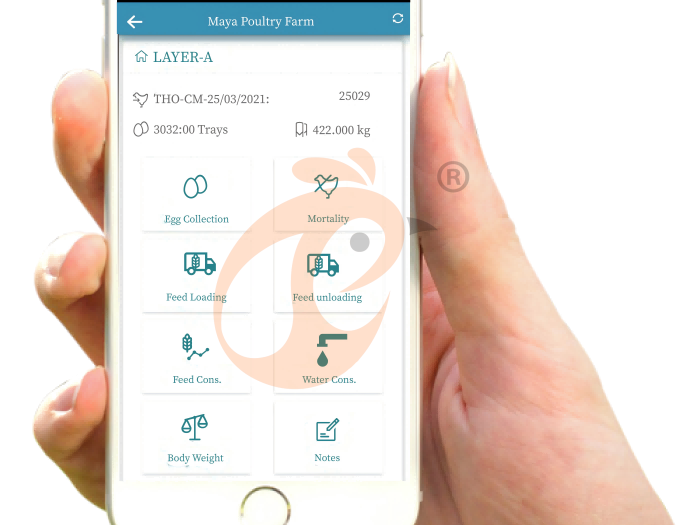
Large poultry farms increasingly use automation and smart farming systems to improve precision management.
Smart Poultry Equipment Applications
Data is for reference only.Swipe horizontally to view full table.
Automated environmental control systems can reduce nighttime inspection frequency and improve emergency response speed during electrical failure or ventilation interruption incidents.
Poultry Equipment Maintenance Planning
Poultry equipment operates continuously in dusty, humid, and corrosive conditions.
Preventive maintenance is necessary to avoid sudden equipment failure.
Recommended Maintenance Intervals
Data is for reference only.Swipe horizontally to view full table.
Ignoring preventive maintenance frequently causes bearing failure, motor overheating, feed line blockage, and ventilation efficiency reduction during continuous production operations.
Educational Section - Understanding Poultry Productivity Indicators
Professional poultry farms measure productivity using technical indicators instead of visual estimation.
Commercial poultry production analysis relies on multiple operational indicators covering growth efficiency, flock survival, feed utilization stability, environmental adaptation, and production consistency throughout the entire farming cycle.
Common Commercial Poultry Targets
Data is for reference only.Swipe horizontally to view full table.
Commercial poultry integrators commonly compare flock performance weekly using digital production records, environmental sensor analysis, and feed consumption tracking systems to optimize operational efficiency.
Frequently Asked Questions
Q1: How to select proper poultry farming equipment capacity?
Poultry farming equipment capacity should match maximum projected flock quantity instead of current production scale.
Automatic chicken feeder quantity, nipple drinker spacing, and poultry ventilation fan airflow must support future farm expansion without reducing flock performance.
Q2: Which poultry equipment products reduce labor costs most effectively?
Automatic feeding systems, nipple drinking lines, manure removal conveyors, and automatic egg collection systems provide the largest labor reductions inside commercial poultry houses.
Smart environmental controllers also reduce manual monitoring requirements.
Q3: Why does climate control equipment affect broiler growth performance?
Poultry ventilation fan systems, cooling pads, and brooders stabilize temperature, humidity, oxygen concentration, and ammonia removal.
Stable environmental conditions improve feed conversion ratio, flock uniformity, and final body weight.
Taiyu (HK) Group - One Of China Largest Poultry Equipment Exporter
Professional poultry farming equipment manufacturing for broiler and layer farm construction projects worldwide
Factory-direct poultry cage and automatic chicken feeder supply for commercial chicken farming operations
Turn-key poultry farm engineering support including ventilation, drinking, feeding, and environmental control systems
Global export experience covering Africa, Southeast Asia, Middle East, and South America poultry markets
Stable production quality with galvanized steel processing and commercial poultry equipment customization services
Contact Us To Received Your Customized Poultry Farm Plan
Headquarters And Branchs
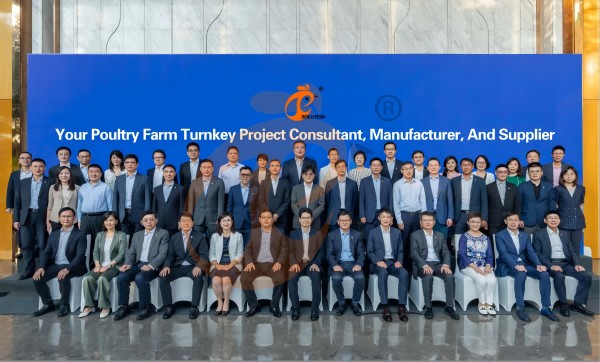
Hong Kong Headquarter Management Team
Hong Kong Headquarter Taiyu Industrial Group CO., LTD
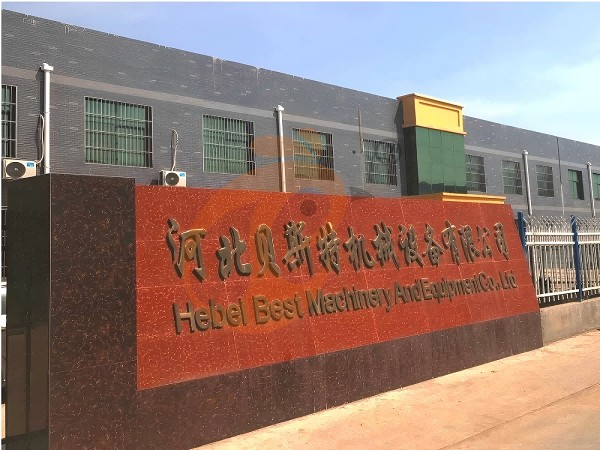
China Hebei Best Machinery And Equipment CO., LTD
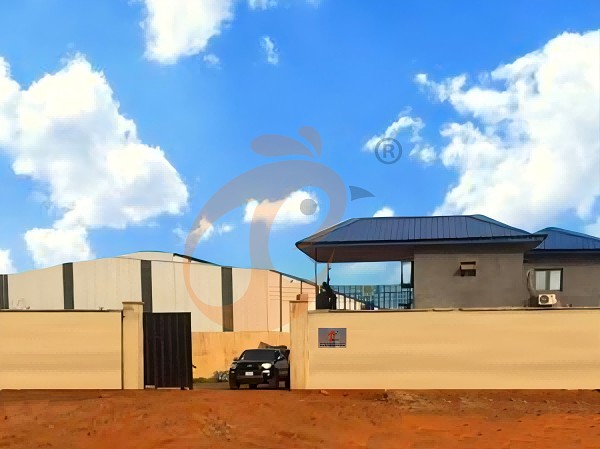
Nigeria Vanke Machinery And Equipment CO., LTD
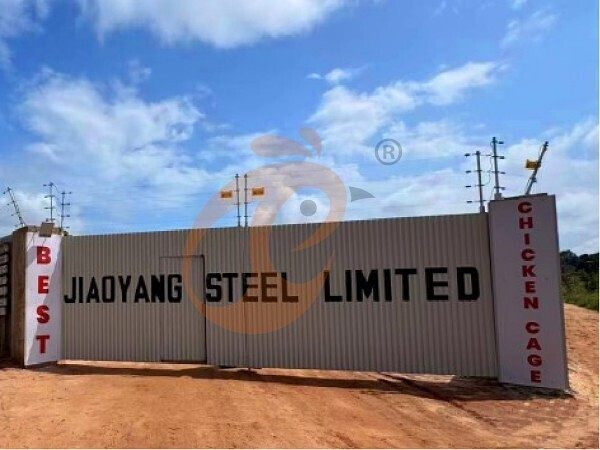
Tanzania Best Machinery And Equipment CO., LTD
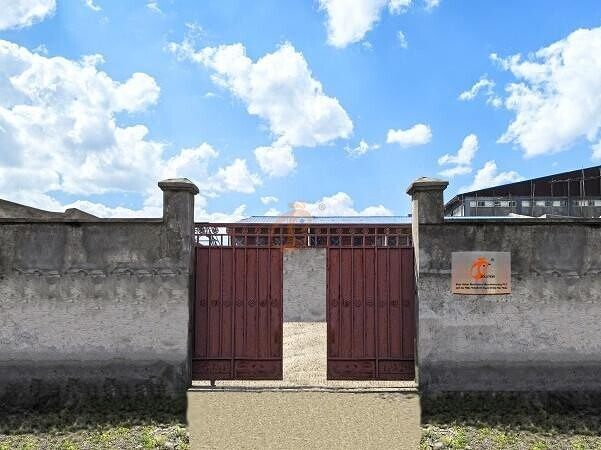
Ethiopia Best Hebei Machinery Manufacturing PLC
Reception /24 WhatsApp NO. : +8618830120193
PRODUCTS RECOMMENDED
 China Branch Manufacture Poultry Farm EquipmentRead More
 Ethiopia Branch Manufacture Poultry Farm EquipmentRead More
 Nigeria Branch Manufacture Poultry Farm EquipmentRead More
 Tanzania Branch Manufacture Poultry Farm EquipmentRead More
 IoT Smart Poultry FarmRead More
 >30,000 Layers Automatic H Type Battery CageRead More
 10,000 - 30,000 Layers Automatic A Type Battery CageRead More
MESSAGE
NEWS
 How To Choose A Reliable H Type Chicken Cage Supplier For Poultry Farms?Read More
 Floor Rearing System For Layers | Cost, Egg Production And Management TipsRead More
 How To Plan Poultry Farm Equipment Budget | 6 Key FactorsRead More
 How To Reduce Operating Costs With Battery Cage For Layers Systems | 6 TipsRead More