

BLOG
Floor rearing ventilation system defines environmental stability inside modern poultry production facilities.
Airflow regulation controls ammonia concentration, carbon dioxide accumulation, temperature fluctuation, and litter moisture evaporation rate.
Proper engineering design improves feed conversion efficiency, reduces mortality rate, and stabilizes average daily gain across production cycles.
Ventilation system performance directly influences stocking density capability and house thermal balance consistency.
This article explains five essential design guidelines for floor rearing system ventilation supported by measurable engineering data, airflow physics, and operational parameters used in commercial poultry farms.
Get professional poultry farm construction guidance, equipment selection solutions, and the latest price lists, whatsApp to +8618830120193, click to learn more:
Air Exchange Capacity Design For Poultry Ventilation System
Air exchange capacity determines contaminant dilution rate per hour.
Commercial floor rearing systems typically require precise volumetric airflow adjustment based on bird biomass and ambient temperature conditions.
Incorrect airflow calculation leads to gas accumulation or excessive heat loss.
Data is for reference only.Swipe horizontally to view full table.
Airflow volume increases proportionally with bird metabolic heat output.
Ventilation systems must maintain gas concentration thresholds below 20 ppm ammonia and below 3000 ppm CO₂ to ensure respiratory stability.
Air Velocity Distribution And Inlet Engineering Design
Air velocity uniformity determines bird-level comfort and litter drying efficiency.
Floor rearing systems require controlled inlet geometry to maintain consistent airflow pressure gradient.
Data is for reference only.Swipe horizontally to view full table.
Air inlet optimization ensures uniform velocity decay curve across house length.
Recommended bird-level airflow velocity ranges between 0.2 m/s and 0.6 m/s depending on temperature phase and stocking density.
Ventilation Equipment Configuration And System Output Balance
Mechanical ventilation systems integrate exhaust fans, inlet shutters, circulation fans, and cooling pads.
Each component contributes measurable airflow capacity and energy consumption profile.
Data is for reference only.Swipe horizontally to view full table.
Total system design must match peak summer ventilation demand which can exceed 6.5 M³/H per Kg live weight in tropical regions.
Temperature And Humidity Interaction Control In Floor Rearing System
Thermal balance and moisture control are interconnected variables affecting litter quality and pathogen growth rate.
Ventilation must regulate evaporation load and heat dissipation simultaneously.
Data is for reference only.Swipe horizontally to view full table.
Litter moisture above 30% increases ammonia emission rate beyond 25 ppm under standard microbial decomposition conditions.
Energy Consumption Optimization In Poultry Ventilation System
Energy efficiency directly impacts operational cost structure of commercial poultry farms.
Variable speed control systems and sensor-driven automation reduce unnecessary fan runtime.
Data is for reference only.Swipe horizontally to view full table.
Energy optimization improves long-term return on investment of poultry ventilation system installations.
Air Pressure Dynamics And Structural Flow Control
Negative pressure design ensures controlled air entry and exhaust balance.
Pressure differential drives airflow distribution consistency across poultry house geometry.
Data is for reference only.Swipe horizontally to view full table.
Pressure stabilization maintains consistent airflow distribution and prevents dead zones inside floor rearing systems.
Litter Quality Management Through Ventilation Regulation
Litter condition directly correlates with ammonia emission and microbial proliferation rate.
Ventilation must maintain evaporation equilibrium to prevent moisture accumulation.
Data is for reference only.Swipe horizontally to view full table.
Maintaining litter moisture below 25% ensures stable environmental hygiene and reduces respiratory stress.
Real-Time Monitoring And Intelligent Ventilation Control System
Modern poultry ventilation systems integrate IoT-based monitoring units for continuous environmental adjustment.
Sensors provide real-time feedback for temperature, gas concentration, and humidity.
Data is for reference only.Swipe horizontally to view full table.
System automation reduces human intervention delay and stabilizes environmental fluctuations.
Equipment Layout Efficiency And Airflow Coverage Ratio
Spatial layout determines ventilation coverage percentage inside floor rearing system buildings.
Poor layout reduces effective airflow penetration.
Data is for reference only.Swipe horizontally to view full table.
Higher airflow coverage ratio improves bird distribution uniformity and reduces clustering behavior.
Practical Ventilation Calibration Insight For Farm Operators
Daily ventilation calibration requires continuous adjustment rather than fixed operation mode.
Field data from commercial floor rearing systems shows that adjusting fan speed by 8–12% during early morning reduces ammonia peak accumulation by 3–5 ppm within 40 minutes.
In transitional weather conditions, inlet opening variation of 6–9 mm can stabilize internal temperature fluctuation within ±1.2°C across a 24-hour cycle.
When litter surface moisture approaches 24–26%, increasing air exchange by 0.4–0.6 m³/h/kg prevents microbial growth acceleration above 2.0×10⁵ CFU/g.
These operational micro-adjustments ensure ventilation system responsiveness remains aligned with bird metabolic rhythm and external climate variation.
Improving overall system stability without increasing energy consumption significantly.
Frequently Asked Questions
Q1: How does airflow volume affect poultry growth performance?
Airflow volume determines oxygen supply and ammonia removal efficiency.
Insufficient airflow increases respiratory stress and reduces feed intake rate, directly affecting daily weight gain performance.
Q2: What is the ideal air velocity at bird level in floor systems?
Recommended air velocity ranges from 0.2 m/s to 0.6 m/s depending on bird age and ambient temperature.
This range supports thermal comfort without inducing draft stress.
Q3: Why is negative pressure important in poultry house ventilation?
Negative pressure ensures controlled air entry through inlets, maintaining directional airflow consistency.
It prevents uncontrolled leakage and improves ventilation efficiency across entire housing structure.
Taiyu (HK) Group - One Of China Most Famous Floor Rearing System Manufacturer
Floor rearing system ventilation equipment engineered for commercial poultry house airflow regulation and environmental stability control performance.
Global poultry equipment supplier providing exhaust fans, inlet systems, and full poultry ventilation system integration solutions.
Turn-key poultry farm engineering covering ventilation design, installation, and automated climate control system commissioning worldwide projects.
Factory direct production of high-capacity poultry house ventilation fans with standardized industrial airflow performance parameters and durability testing.
Export-oriented manufacturer delivering complete poultry cage systems, ventilation equipment, and smart farm environmental control systems.
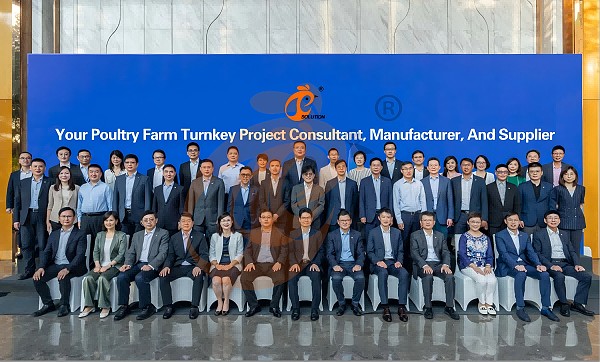
Contact Us To Received Your Customized Poultry Farm Plan
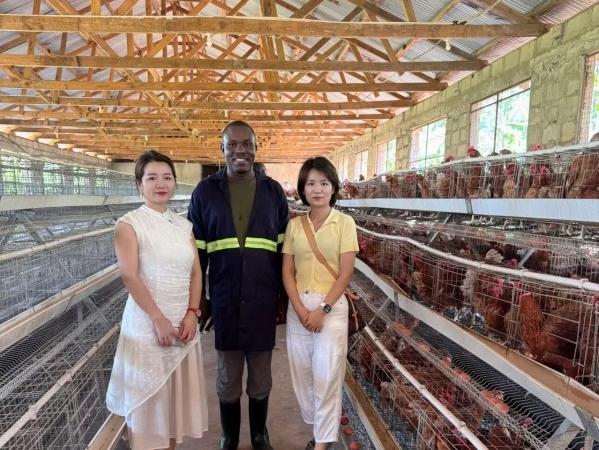
Headquarters And Branchs

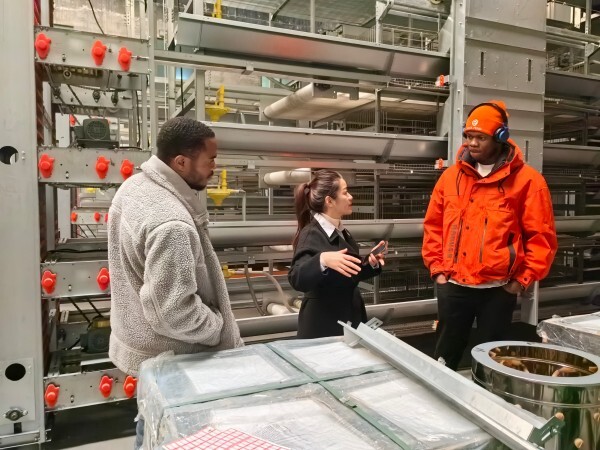
Hong Kong Headquarter Management Team
Hong Kong Headquarter Taiyu Industrial Group CO., LTD
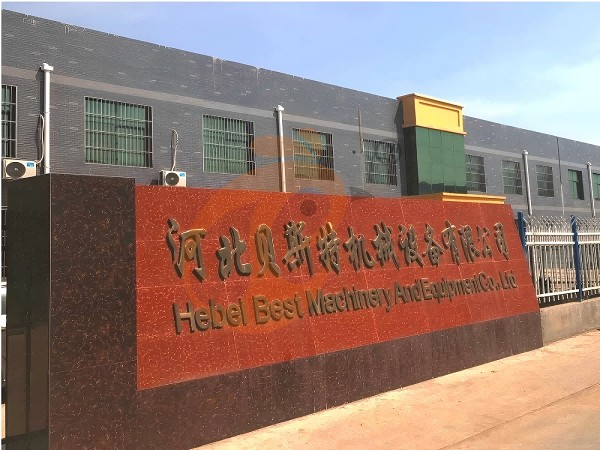
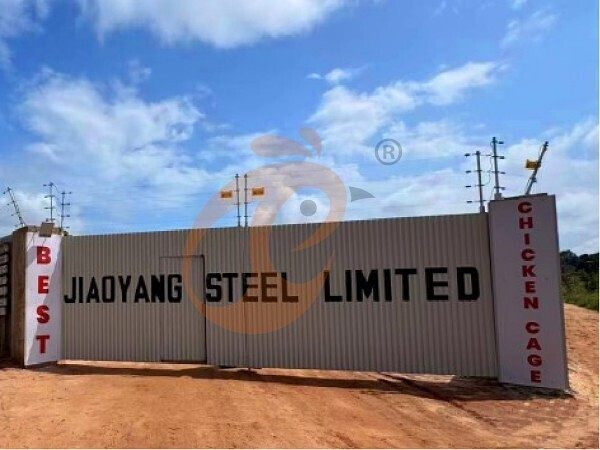
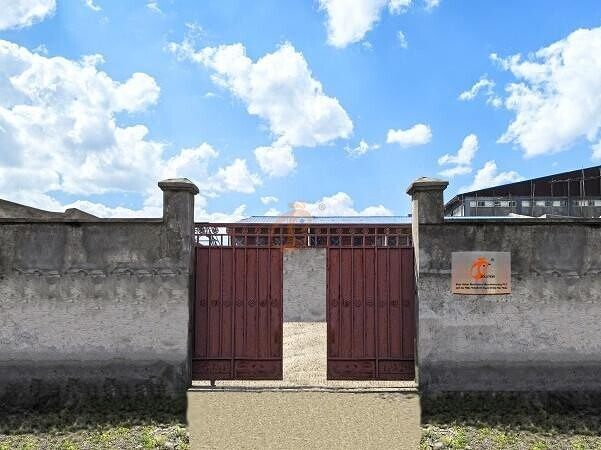
China Hebei Best Machinery And Equipment CO., LTD
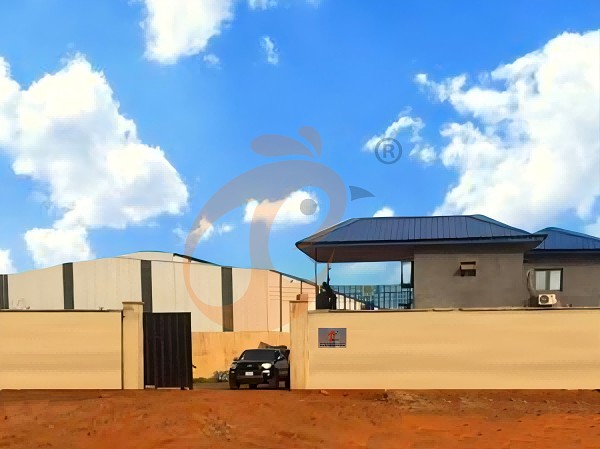
Nigeria Vanke Machinery And Equipment CO., LTD
Tanzania Best Machinery And Equipment CO., LTD
Ethiopia Best Hebei Machinery Manufacturing PLC
Reception /24 WhatsApp NO. : +8618830120193
PRODUCTS RECOMMENDED
 China Branch Manufacture Poultry Farm EquipmentRead More
 Ethiopia Branch Manufacture Poultry Farm EquipmentRead More
 Nigeria Branch Manufacture Poultry Farm EquipmentRead More
 Tanzania Branch Manufacture Poultry Farm EquipmentRead More
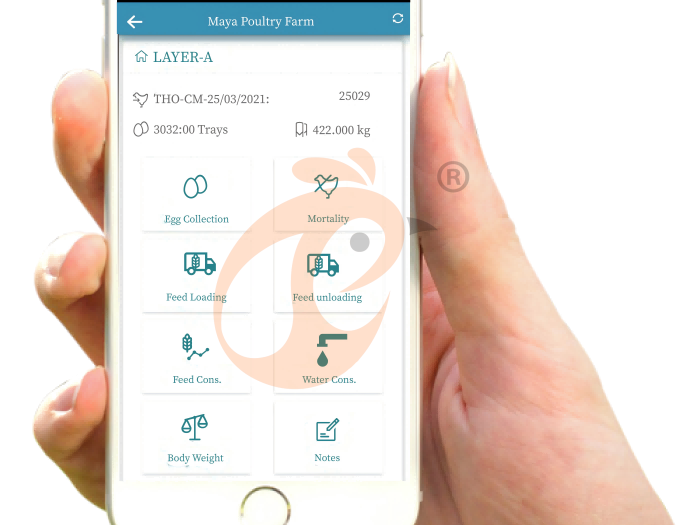
 IoT Smart Poultry FarmRead More
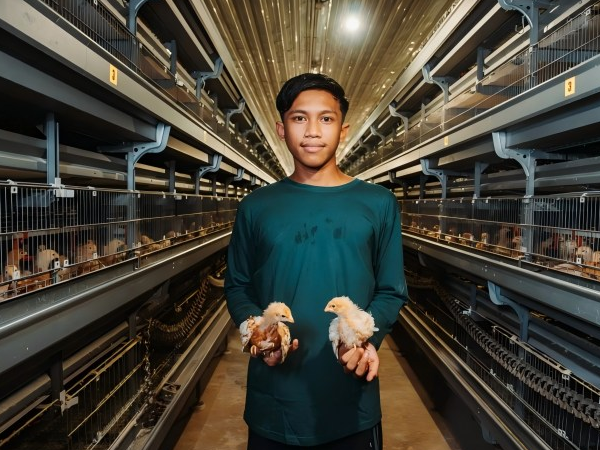
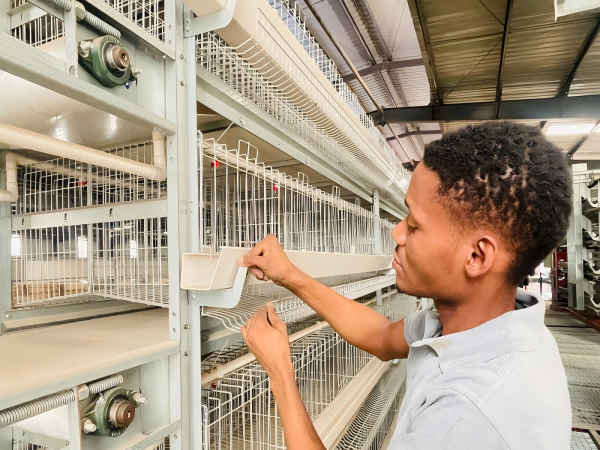
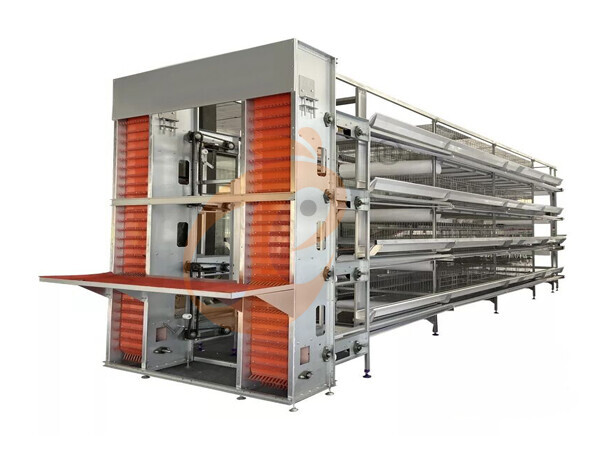
 >30,000 Layers Automatic H Type Battery CageRead More
 10,000 - 30,000 Layers Automatic A Type Battery CageRead More
MESSAGE
NEWS
 How To Choose A Reliable H Type Chicken Cage Supplier For Poultry Farms?Read More
 Floor Rearing System For Layers | Cost, Egg Production And Management TipsRead More
 How To Plan Poultry Farm Equipment Budget | 6 Key FactorsRead More
 How To Reduce Operating Costs With Battery Cage For Layers Systems | 6 TipsRead More