

NEWS
Poultry equipment investment combines automated feeding systems, ventilation equipment, and drinking systems for efficient commercial production
Modern feeding lines deliver approximately 1,200 kg per hour, supporting consistent feed distribution and reducing labor requirements
Climate control equipment maintains airflow speeds near 2.8 m/s, helping stabilize poultry house environmental conditions
Water distribution systems use nipple drinkers, pressure regulators, and filtration equipment to support reliable daily hydration
Integrated poultry equipment packages connect waste management, led lighting, and automation for scalable farm development
Get professional poultry farm construction guidance, equipment selection solutions, and the latest price lists, whatsApp to +8618830120193, click to learn more.
Automated Feeding Systems: Engineering & Capital Overview
Modern poultry equipment relies on automated feeding systems to deliver consistent feed distribution while reducing labor waste.
Commercial broiler feeding systems combine galvanized steel augers, feed pans, and electronic feed sensors for controlled delivery.
Data is for reference only.Swipe horizontally to view full table.
Operating a high-density broiler house requires poultry feeding equipment with sufficient throughput.
A feed line capacity of 1,200 kg per hour helps reduce bottlenecks during peak growth phases.
Advanced Climate Control & Ventilation Engineering
Poultry ventilation equipment regulates airflow, temperature, and humidity to support feed conversion and flock performance.
Tunnel ventilation systems combine exhaust fans, cooling pads, and adjustable air inlets for controlled environmental management.
Tunnel Ventilation Airflow Architecture
Air intake louvers direct incoming air through cooling pads before air moves across the poultry house.
Exhaust fans rated at 420 rpm remove warm air, while inverter-driven ventilation equipment supports variable-speed operation.
Climate Control Equipment Specification Matrix
Commercial poultry equipment requires appropriately sized ventilation fans, evaporative cooling pads, gas brooders, and environmental controllers.
For a 20,000-bird facility, equipment selection should reflect house dimensions, airflow demand, and climate conditions.
Data is for reference only.Swipe horizontally to view full table.
Maintaining a static pressure differential of 25 pa can improve airflow distribution across a 120-meter poultry house.
Proper poultry ventilation equipment sizing also helps reduce stagnant zones where ammonia may accumulate.
Drinking & Water Sanitation Mechanics
Poultry drinking equipment delivers clean water while limiting spillage and contamination throughout commercial production.
Closed nipple drinking systems combine stainless steel trigger pins, pressure regulators, and filtration equipment for consistent water delivery.
Technical Tip Card: Water Line Maintenance
Flush Frequency: Flush water lines every two weeks using an appropriate sanitation protocol to help control biofilm buildup.
Pressure Adjustment: Begin at a 150 mm water column during week one, increasing by 50 mm weekly to a maximum of 350 mm where appropriate for the birds and equipment.
Filtration: Install a dual-stage 5-micron sediment filter upstream of the medicator to help prevent valve clogging.
Automated poultry drinking equipment supports uniform hydration while helping protect litter quality and reduce water wastage.
Water Distribution Hardware & Cost Matrix
Commercial poultry equipment includes drinking pipes, nipple drinkers, pressure regulators, and proportional medicator pumps.
Selecting compatible components helps maintain stable water delivery across different poultry house layouts.
Data is for reference only.Swipe horizontally to view full table.
Winch-operated steel cables keep poultry drinking lines suspended evenly, supporting bird access throughout development.
Automated Manure Removal & Waste Management Workflow
Poultry manure removal equipment helps control accumulated waste, reduce ammonia exposure, and improve routine house sanitation.
Automated manure belts and conveyor augers transport waste toward external collection or composting systems.
Manure Removal Workflow
Daily excretion collection transfers manure onto polypropylene belts with a thickness of 1.0 mm.
A 200 mm cross-conveyor screw auger moves collected material toward an external trailer or composting unit.
Scheduled poultry manure removal helps maintain cleaner housing conditions and supports worker safety.
Waste Management & Biosecurity Equipment Inventory
Commercial poultry equipment for waste management includes manure belts, sanitation washers, carcass incinerators, and carcass grinders.
Equipment capacity, motor requirements, and construction materials should match farm size and biosecurity procedures.
Data is for reference only.Swipe horizontally to view full table.
Dedicated carcass disposal equipment helps manage poultry byproducts and reduce potential disease transmission between agricultural holdings.
Lighting Systems & Photoperiod Automation
Poultry lighting equipment supports controlled photoperiods, feed intake management, and consistent illumination throughout the house.
Agricultural led fixtures with ip67 protection help withstand humid environments and routine washdown conditions.
Engineering Point: IP67 Agricultural Lighting
Poultry house lighting equipment requires sealed enclosures, durable gaskets, and resistance to moisture and cleaning chemicals.
Fixtures designed for environments reaching 95% relative humidity help reduce premature equipment failure.
Programmable dimming systems provide gradual dawn and dusk transitions, supporting controlled lighting schedules for broiler flocks.
Lighting Hardware & Electrical Infrastructure Pricing
Commercial poultry equipment packages integrate led lights, dimming panels, armored cabling, and backup generators.
A 20-lux illumination target provides a reference point for designing lighting distribution at bird level.
Data is for reference only.Swipe horizontally to view full table.
Reliable poultry lighting equipment helps maintain scheduled illumination while backup power supports essential farm operations during outages.
Complete Turnkey Equipment Package Recommendations
Turnkey poultry equipment packages combine feeding, ventilation, drinking, lighting, and waste management systems.
Selecting compatible components helps simplify installation planning, maintenance coordination, and equipment integration.
Package Alpha — Standard broiler, 15,000-bird capacity includes manual-winch feed lines, gravity ventilation shutters, nipple drinkers, and dimmable led lighting for operations prioritizing initial capital control.
Package Beta — Advanced broiler, 30,000-bird capacity combines automated pan feeding, tunnel ventilation, frequency-controlled exhaust fans, computerized climate controllers, and automated manure removal for commercial farms.
Package Gamma — fully automated layer, 50,000-bird capacity integrates multi-tier cage systems, automatic egg collection belts, central manure augers, and negative-pressure evaporative cooling for high-volume egg production.
A coordinated poultry equipment package reduces interface conflicts between machinery and simplifies technician maintenance schedules.
Turnkey Equipment Financial Allocation Matrix
Poultry equipment investment planning helps commercial operators estimate capital requirements, installation schedules, and major cost drivers.
The following allocation provides a reference framework for budgeting a commercial poultry installation.
Data is for reference only.Swipe horizontally to view full table.
European union standard reference only.
Actual poultry equipment costs depend on specifications, supplier quotations, installation conditions, and applicable regional requirements.
The listed allocation percentages total 100%, while the individual cost ranges should be verified against the final project budget.
Frequently Asked Questions
Q1: What poultry equipment is essential for a commercial farm?
A1: Essential poultry equipment includes automated feeding systems, ventilation fans, nipple drinking lines, manure removal systems, and environmental controllers.
A 20,000-bird facility requires equipment sized to its building dimensions, bird density, and local climate.
Q2: How much does poultry equipment cost?
A2: Equipment costs vary by farm capacity, automation level, materials, and installation requirements.
For example, the reference pricing lists exhaust fans at $380 per unit and environmental master controllers at $680 per unit.
European union standard reference only.
Final quotations should confirm shipping, installation, taxes, and project-specific specifications.
Q3: How can farmers reduce long-term poultry equipment costs?
A3: Farmers can compare energy consumption, maintenance intervals, corrosion resistance, and equipment service life before purchasing.
A 10-year total cost of ownership assessment helps compare initial investment against expected operating expenses.
Taiyu (HK) Group - One Of China Toppest Poultry Equipment Manufacturer
Poultry equipment systems integrate feeding, ventilation, drinking, and waste handling for commercial facilities, with reference fan capacities reaching 44,500 cubic meters per hour
Global factory-direct supply supports equipment selection, component coordination, and project-specific technical documentation for international poultry operations
Poultry equipment manufacturing covers automated feeding lines, climate control units, nipple drinkers, manure belts, and agricultural lighting assemblies
Turn-key engineering services coordinate equipment configuration, layout planning, installation guidance, and commissioning requirements for projects ranging from 15,000 to 50,000 birds
Technical project support aligns equipment specifications, electrical requirements, and environmental control parameters with site conditions and operating objectives
Contact Us To Received Your Customized Poultry Farm Plan
Headquarters And Branchs

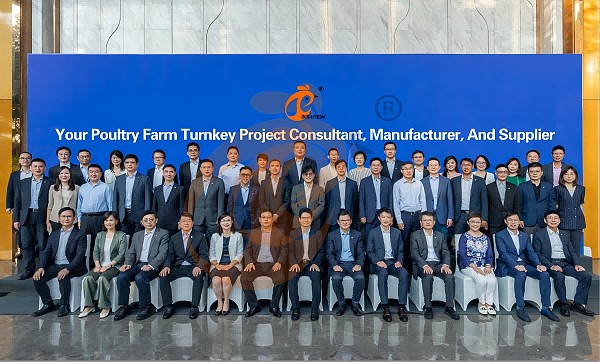
Hong Kong Headquarter Management Team
Hong Kong Headquarter Taiyu Industrial Group CO., LTD
China Hebei Best Machinery And Equipment CO., LTD
Nigeria Vanke Machinery And Equipment CO., LTD
Tanzania Best Machinery And Equipment CO., LTD
Ethiopia Best Hebei Machinery Manufacturing PLC




Reception /24 WhatsApp NO. : +8618830120193
PRODUCTS RECOMMENDED
 China Branch Manufacture Poultry Farm EquipmentRead More
 Ethiopia Branch Manufacture Poultry Farm EquipmentRead More
 Nigeria Branch Manufacture Poultry Farm EquipmentRead More
 Tanzania Branch Manufacture Poultry Farm EquipmentRead More
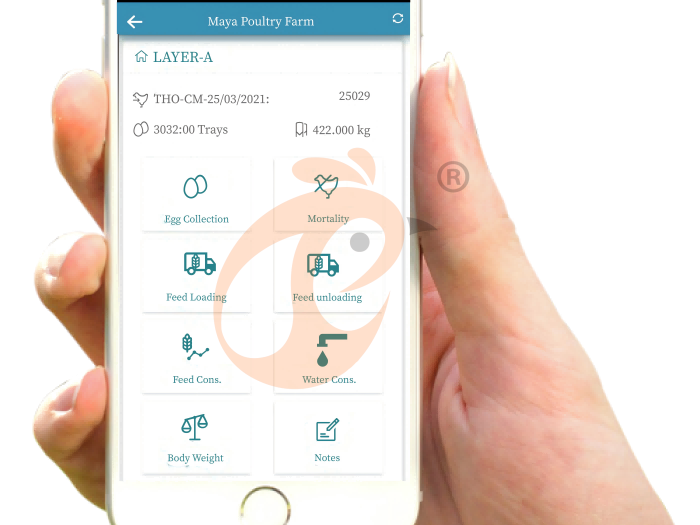
 IoT Smart Poultry FarmRead More
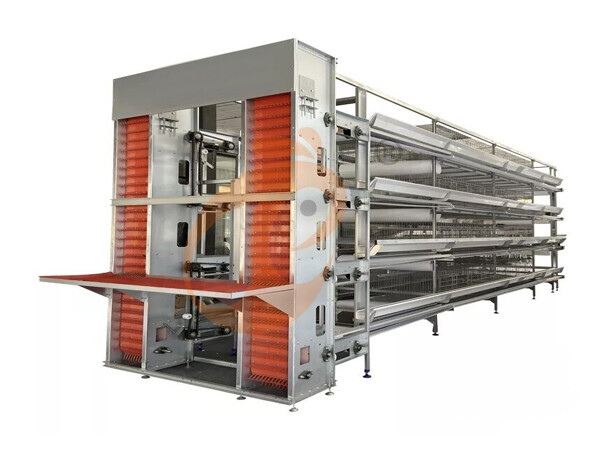
 >30,000 Layers Automatic H Type Battery CageRead More
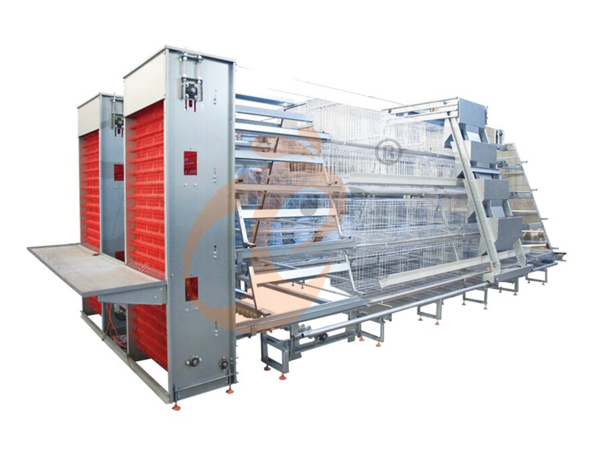
 10,000 - 30,000 Layers Automatic A Type Battery CageRead More
MESSAGE
NEWS
 50,000 - 100,000 chickens/house: poultry farm solution, chicken cage, poultry farm equipment, AI smart managementRead More
 30,000 - 50,000 chickens/house: poultry farm solution, chicken cage, poultry farm equipment, AI smart managementRead More
 10,000 - 30,000 chickens/house: poultry farm solution, chicken cage, poultry farm equipment, AI smart managementRead More
 100 - 10,000 chickens/house: poultry farm solution, chicken cage, poultry farm equipment, AI smart managementRead More