

NEWS
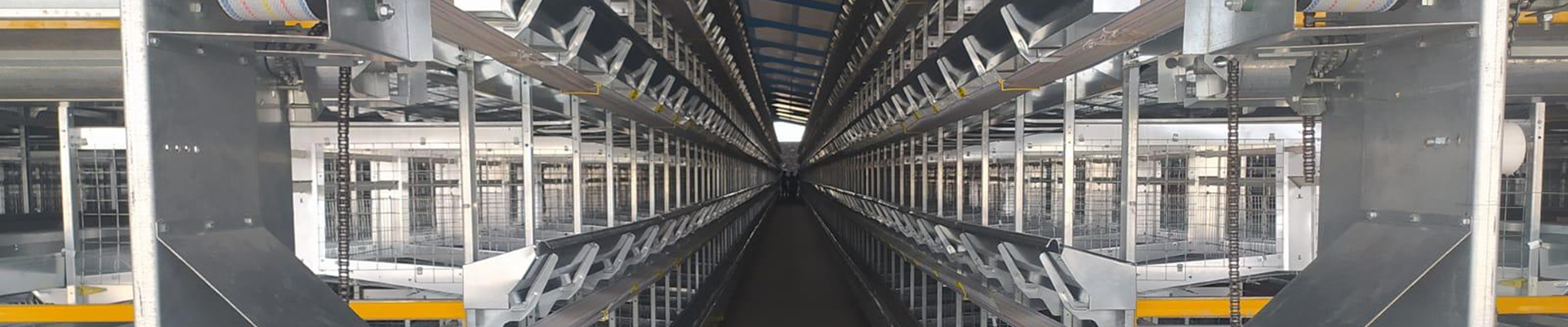
Battery cage for layers systems support commercial egg production through durable steel construction, efficient feeding, and controlled housing configurations.
Galvanized steel with zinc coatings up to 275 grams per square meter helps improve corrosion protection and equipment service life.
Automated feeding, nipple drinking lines, and manure removal systems streamline daily farm operations while reducing repetitive labor requirements.
Four-, five-, and six-tier configurations offer different housing capacities, with tier heights reaching 4200 millimeters.
Reliable battery cage manufacturers provide installation guidance, ventilation integration, spare parts, and technical support for long-term operational planning.
Get professional poultry farm construction guidance, equipment selection solutions, and the latest price lists, whatsApp to +8618830120193, click to learn more.
Global Steel Grade Comparison For Cage Frames
Data is for reference only.Swipe horizontally to view full table.
Evaluate Manufacturing Engineering Standards
Engineering Focus Points
Structural load distribution battery cage for layers frameworks should undergo load testing at the planned tier height, with six-tier configurations reaching 4200 millimeters.
Welding integrity automated poultry cage manufacturing requires consistent weld quality and documented joint testing; the proposed shear strength target exceeds 310 mpa and should be verified against the actual design.
Wire spacing precision layer cage systems require carefully controlled wire spacing; the specified longitudinal interval is 22 millimeters to help reduce foot entrapment and support safe movement.
Layer Cage Dimensional Specifications
Data is for reference only.Swipe horizontally to view full table.
Inspect Material Durability And Corrosion Protection
Corrosion Defense Specifications
Coating method battery cage for layers systems benefit from corrosion protection selected for farm conditions; post-fabrication hot-dip galvanizing can protect exposed edges when properly processed.
Salt spray resistance galvanized layer cage components may be evaluated through a 720-hour salt spray test, with coating condition and acceptance criteria documented before procurement.
Ammonia tolerance poultry cage equipment should withstand routine exposure to poultry-house gases; evaluate coating performance under the specified 25 ppm ammonia condition and confirm suitability through material testing.
Automated Feeding And Watering Mechanism Parameters
Data is for reference only.Swipe horizontally to view full table.
Analyze Supply Chain Logistics And Installation Support
Implementation Workflow
Site blueprint assessment battery cage for layers installation begins with a site survey covering building dimensions, service access, and ventilation requirements, including a proposed 12-meter clearance span between ventilation curtains.
Modular prefabrication layer cage equipment should arrive pre-drilled and grouped by installation sequence; the specified dimensional tolerance is ±0.5 millimeters, subject to supplier drawings and quality inspection.
On-site supervision poultry farm equipment installation requires controlled bolting and alignment, with the proposed fastening torque set at 45 newton-meters where approved by the engineering specification.
Commissioning and testing battery cage for layers systems should complete a documented dry run lasting 3.5 hours to check motor alignment, sensor calibration, and feeding-line operation before stocking.
Manure Removal And Waste Management Efficiency
Data is for reference only.Swipe horizontally to view full table.
Review Environmental Control And Ventilation Integration
Integrated Equipment Package Recommendations
Primary air intake battery cage for layers facilities need coordinated air inlets and exhaust capacity; the proposed side-wall shutter opening area is 1.8 square meters per wall section.
Negative pressure exhaust poultry ventilation fans should be selected using verified airflow at the required static pressure, with 44,000 cubic meters per hour specified as the target delivery volume.
Cooling pad media layer cage ventilation systems can incorporate 150-millimeter cross-fluted cellulose cooling pads, with actual cooling performance depending on humidity, water distribution, and airflow.
Climate automation panel battery cage for layers climate controls should coordinate fan staging and temperature sensors, using the proposed operating window of plus or minus 0.8 degrees celsius as a commissioning target.
Egg Collection And Sorting Performance Metrics
Data is for reference only.Swipe horizontally to view full table.
Verify Post-Purchase Warranty And Spare Parts Availability
Supplier Support Protocol
Structural warranty coverage battery cage for layers procurement should specify warranty scope, exclusions, and inspection procedures; a proposed 15-year structural warranty requires explicit contractual confirmation from the manufacturer.
Critical component backup automated poultry equipment suppliers should maintain accessible drive gears and sensors, with a target dispatch turnaround of under 48 hours where local inventory is available.
Technical troubleshooting layer cage automation benefits from remote diagnostics, documented fault codes, and direct engineering support through compatible telemetry modules.
Investment Return Analysis And Operational Metrics
Data is for reference only.Swipe horizontally to view full table.
Frequently Asked Questions
Q1: What should buyers check when selecting a battery cage for layers manufacturer?
A1: Evaluate steel coating specifications, frame stability, wire spacing, feeding automation, installation support, and spare-parts availability.
Confirm that the proposed cage dimensions, including 600-millimeter cell widths and 450-millimeter depths, match the approved engineering drawings.
Q2: Which galvanized steel specification is suitable for layer cage equipment?
A2: Selection depends on humidity, cleaning practices, and exposure to corrosive gases.
Compare coating mass, substrate thickness, and corrosion-test documentation; the listed z275 specification indicates a nominal zinc coating designation that should be verified against the supplier's material certificate.
Q3: How can automated poultry equipment improve farm operating efficiency?
A3: Integrated feeding, nipple drinking, manure removal, and egg collection systems can reduce repetitive labor and simplify daily management.
Actual performance depends on flock size, equipment layout, maintenance, and operating conditions, so verify projected savings against farm-specific data.
Taiyu (HK) Group - One Of China’s Biggest Battery Cage Manufacturers
Engineering configuration battery cage for layers systems integrate galvanized steel frames, multi-tier housing, and automated feeding, with configurations reaching 4200 millimeters in overall tier height, subject to approved project specifications.
Global factory direct supply taiyu (HK) Group supplies poultry equipment through factory-direct project coordination, covering equipment selection, manufacturing specifications, and export documentation for international customers.
Poultry equipment Integration project packages can coordinate layer cages, feeding lines, nipple drinking systems, manure conveyors, ventilation equipment, and egg collection machinery according to farm requirements.
Turn-key engineering delivery turn-key poultry projects can include site assessment, layout planning, equipment fabrication, installation coordination, commissioning, and operator training, with scope confirmed in the project contract.
Technical support and spare parts battery cage for layers projects require documented maintenance procedures, compatible replacement components, and defined service-response arrangements to support equipment reliability throughout operation.
Contact Us To Received Your Customized Poultry Farm Plan
Headquarters And Branchs

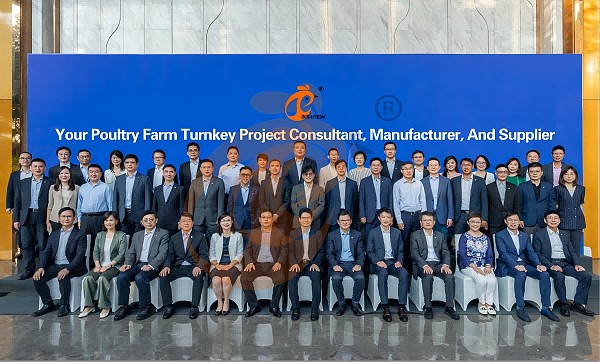
Hong Kong Headquarter Management Team
Hong Kong Headquarter Taiyu Industrial Group CO., LTD
China Hebei Best Machinery And Equipment CO., LTD
Nigeria Vanke Machinery And Equipment CO., LTD
Tanzania Best Machinery And Equipment CO., LTD
Ethiopia Best Hebei Machinery Manufacturing PLC




Reception /24 WhatsApp NO. : +8618830120193
PRODUCTS RECOMMENDED
 China Branch Manufacture Poultry Farm EquipmentRead More
 Ethiopia Branch Manufacture Poultry Farm EquipmentRead More
 Nigeria Branch Manufacture Poultry Farm EquipmentRead More
 Tanzania Branch Manufacture Poultry Farm EquipmentRead More
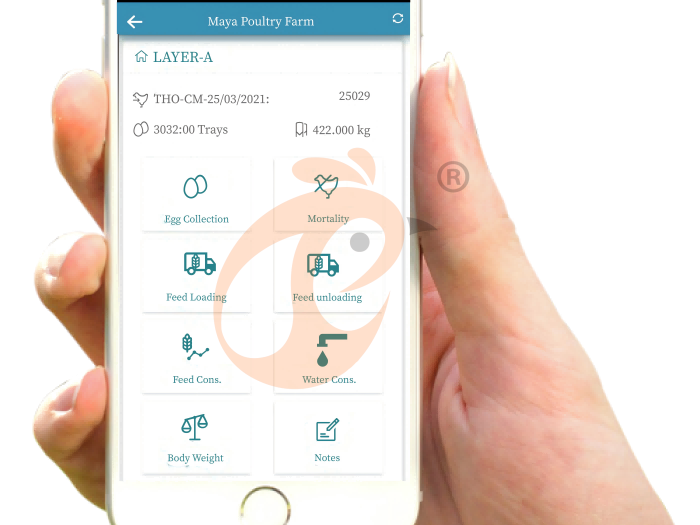
 IoT Smart Poultry FarmRead More
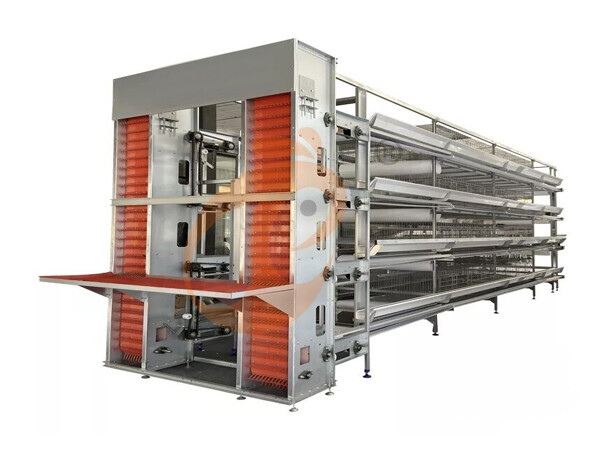
 >30,000 Layers Automatic H Type Battery CageRead More
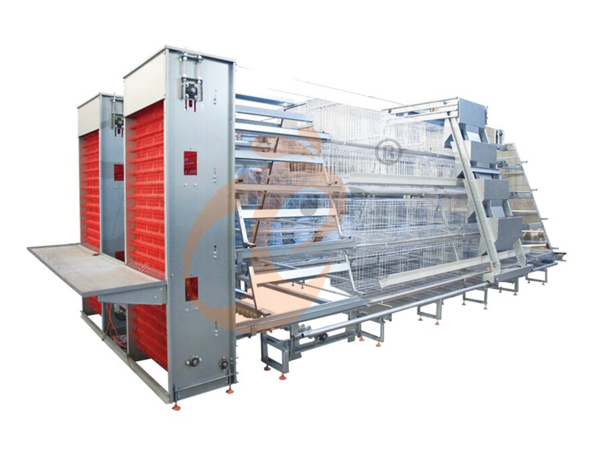
 10,000 - 30,000 Layers Automatic A Type Battery CageRead More
MESSAGE
NEWS
 50,000 - 100,000 chickens/house: poultry farm solution, chicken cage, poultry farm equipment, AI smart managementRead More
 30,000 - 50,000 chickens/house: poultry farm solution, chicken cage, poultry farm equipment, AI smart managementRead More
 10,000 - 30,000 chickens/house: poultry farm solution, chicken cage, poultry farm equipment, AI smart managementRead More
 100 - 10,000 chickens/house: poultry farm solution, chicken cage, poultry farm equipment, AI smart managementRead More