

NEWS
Floor rearing system equipment supports efficient layer management, combining automated feeding, reliable watering, and controlled ventilation for commercial poultry farms with 10,000 hens.
Automatic chicken feeding systems help standardize feed distribution, reduce repetitive labor, and support consistent flock management throughout production.
Poultry nipple drinking systems provide controlled water access, while filtration and pressure regulation support dependable daily operation.
Automatic egg collection systems integrate nest boxes and conveyors, helping streamline handling and reduce unnecessary manual movement.
Integrated poultry equipment combines climate control, manure management, and digital monitoring to support operational efficiency and long-term investment planning.
Get professional poultry farm construction guidance, equipment selection solutions, and the latest price lists, whatsApp to +8618830120193, click to learn more.
Plan Stocking Density And House Layout
Data is for reference only.Swipe horizontally to view full table.
Accurate floor rearing system planning combines usable floor area, layer housing equipment, and poultry house layout engineering before construction begins.
A commercial floor rearing system should include feeder access, drinker positioning, service corridors, and equipment maintenance clearance in the original building drawings.
Install A Balanced Automatic Feeding System
Data is for reference only.Swipe horizontally to view full table.
An automatic chicken feeding system supports a floor rearing system by distributing formulated feed through chain feeders or pan feeders, with silo capacity matched to the farm's delivery schedule.
Engineering Note
A complete layer feeding equipment package should include drive units, feed-level sensors, protected motors, and accessible inspection points, with mechanical sections designed for safe isolation during maintenance.
Secure Reliable Drinking-Water Delivery
Data is for reference only.Swipe horizontally to view full table.
A poultry nipple drinker system provides controlled water access in a floor rearing system, while filtration and pressure regulators help maintain dependable water delivery.
Equipment Selection Tip
Specify layer drinking equipment as a complete assembly containing nipples, regulators, suspension hardware, filters, and flushing connections, with water quality checked against the applicable drinking-water requirements.
Control Ventilation, Temperature, And Lighting
Engineering Control Points
Ventilation
A poultry ventilation system uses variable-speed fans, adjustable air inlets, and environmental sensors to manage air movement, humidity, carbon dioxide, and ammonia in a floor rearing system.
Temperature Management
Commercial layer management guidance commonly references approximately 21–27°c under suitable conditions, but poultry climate control settings must account for bird age, humidity, air speed, and regional weather.
Lighting Control
Programmable led poultry lighting and gradual dimming help maintain a consistent photoperiod in a floor rearing system, with schedules adjusted to breed guidance and production objectives.
An integrated poultry house climate controller connects temperature and humidity sensors to fans, alarms, and backup power, with commissioning checks covering sensor accuracy, fan rotation, and emergency responses.
Optimize Nest Boxes And Egg Collection
Data is for reference only.Swipe horizontally to view full table.
An automatic egg collection system integrates layer nest boxes, conveyor belts, and transfer equipment to reduce manual handling and support efficient egg movement in a floor rearing system.
Commercial Equipment Recommendation
For farms seeking automated egg handling, combine roll-away nest boxes, longitudinal egg conveyors, transfer belts, and a central collection line, with equipment geometry matched to the building layout and packing workflow.
Maintain Litter, Manure, And Biosecurity
Daily Management Workflow
Inspect The House
Check bird distribution, litter condition, ventilation, and alarm status before routine equipment operation.
Verify Equipment
Inspect feed delivery, waterline operation, motors, belts, and sensors in the floor rearing system.
Clean And Collect
Collect floor eggs, remove wet litter, and operate poultry manure removal equipment according to the maintenance plan.
Record And Respond
Document exceptions, assign corrective actions, and verify completion through the farm management system.
A poultry manure removal system should be supported by controlled entry procedures, dedicated footwear, pest monitoring, and documented sanitation, with clear responsibility for cleaning and equipment maintenance.
Monitor Flock Performance With Digital Records
Data is for reference only.Swipe horizontally to view full table.
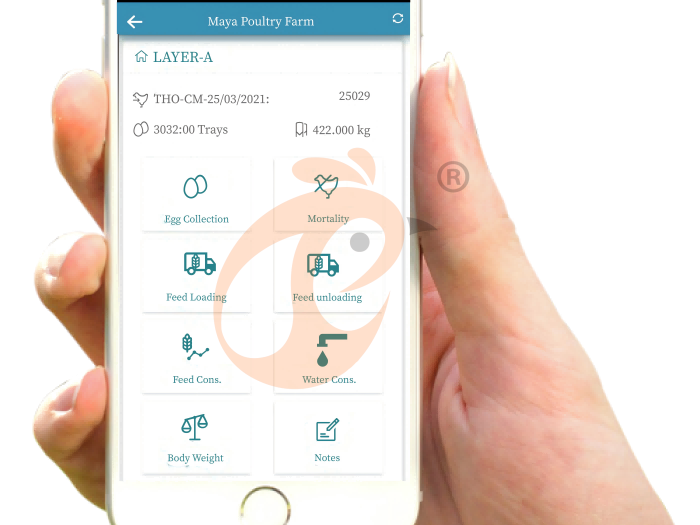
A poultry farm management system combines production records with floor rearing system equipment data, helping managers identify deviations and coordinate corrective actions.
For example, a change in water consumption alongside declining egg output should trigger a coordinated flock and equipment inspection rather than an immediate assumption that machinery has failed.
Select An Integrated Equipment Package
Data is for reference only.Swipe horizontally to view full table.
Supplier Recommendation
An integrated floor rearing system should match automatic chicken feeding systems, poultry nipple drinkers, and automatic egg collection systems to the customer's building dimensions, automation objectives, and service requirements.
New farms can specify a coordinated installation, while existing facilities can prioritize upgrades according to documented operating problems and available investment budgets.
Troubleshoot Equipment Before Performance Declines
Troubleshooting Card A — Feed Delivery
If feed distribution becomes uneven, inspect augers, chain tension, drive motors, and feed-level sensors in the floor rearing system.
Compare motor current with the manufacturer's rated specification before restarting repeatedly overloaded equipment.
Troubleshooting Card B — Drinking Lines
If birds appear reluctant to drink, check the poultry nipple drinker system, filters, regulators, and water quality.
Compare inlet and end-of-line readings to identify potential pressure loss or pipeline obstruction.
Troubleshooting Card C — Climate Equipment
If ventilation alarms occur, inspect fan belts, shutters, inlet actuators, electrical connections, and backup power.
Verify emergency-control sequences and document corrective actions before returning the poultry ventilation system to normal operation.
A professional poultry equipment supplier can support a floor rearing system through commissioning, operator training, spare parts, and scheduled technical service, with maintenance intervals determined by equipment manuals and operating conditions.
Evaluate Equipment Investment And Operating Costs
Data is for reference only.Swipe horizontally to view full table.
A floor rearing system investment assessment should compare poultry equipment purchase costs with verified labor savings, egg-handling losses, maintenance expenses, and operating requirements.
All financial figures are illustrative assumptions in us dollars, with European union standard reference only for relevant comparison purposes, and exclude financing, tax, depreciation, residual value, and other cash-flow effects.
Frequently Asked Questions
Q1: How many hens can a floor rearing system accommodate?
A1: Capacity depends on usable floor area, housing design, breed requirements, and applicable welfare regulations, with stocking calculations completed before purchasing layer housing equipment.
Q2: Which equipment is essential for a floor rearing system?
A2: Core equipment includes automatic chicken feeding systems, poultry nipple drinkers, ventilation controls, nest boxes, and egg collection equipment, with specifications matched to the building design.
Q3: How can automatic poultry equipment reduce operating costs?
A3: A poultry farm management system can track equipment performance and labor requirements, while a documented investment analysis estimates payback using verified annual savings and installation costs.
Taiyu (HK) Group - One Of China's Largest Floor Rearing System Suppliers
Floor rearing system solutions integrate feeding, drinking, ventilation, and egg collection equipment, with layouts engineered around flock capacity and building dimensions.
Global factory-direct sales provide poultry equipment configurations, component specifications, and quotation support for commercial farms across international markets.
Turn-key poultry engineering covers preliminary design, equipment selection, installation coordination, and commissioning based on project requirements.
Customized poultry equipment packages include automatic feeders, nipple drinkers, egg conveyors, and climate-control systems with compatible interfaces.
Technical support covers installation documentation, spare-parts planning, operator training, and maintenance procedures for long-term equipment operation.
Contact Us To Received Your Customized Poultry Farm Plan
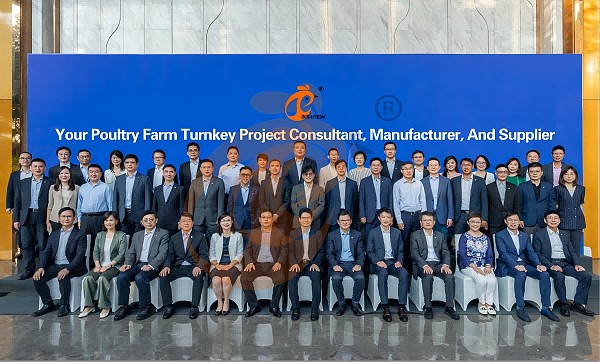
Headquarters And Branchs

Hong Kong Headquarter Management Team
Hong Kong Headquarter Taiyu Industrial Group CO., LTD
China Hebei Best Machinery And Equipment CO., LTD
Nigeria Vanke Machinery And Equipment CO., LTD
Tanzania Best Machinery And Equipment CO., LTD
Ethiopia Best Hebei Machinery Manufacturing PLC




Reception /24 WhatsApp NO. : +8618830120193
PRODUCTS RECOMMENDED
 China Branch Manufacture Poultry Farm EquipmentRead More
 Ethiopia Branch Manufacture Poultry Farm EquipmentRead More
 Nigeria Branch Manufacture Poultry Farm EquipmentRead More
 Tanzania Branch Manufacture Poultry Farm EquipmentRead More
 IoT Smart Poultry FarmRead More
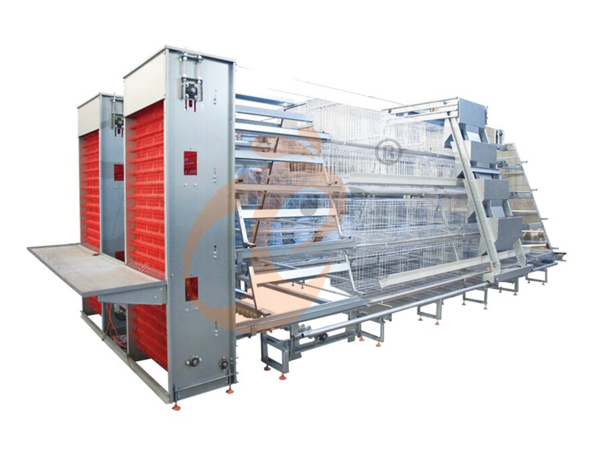
 >30,000 Layers Automatic H Type Battery CageRead More
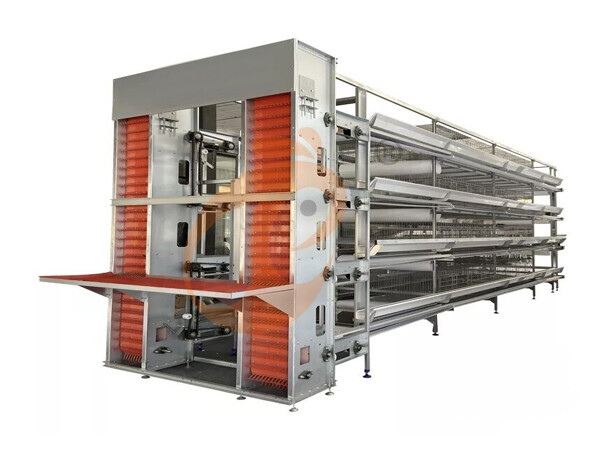
 10,000 - 30,000 Layers Automatic A Type Battery CageRead More
MESSAGE
NEWS
 50,000 - 100,000 chickens/house: poultry farm solution, chicken cage, poultry farm equipment, AI smart managementRead More
 30,000 - 50,000 chickens/house: poultry farm solution, chicken cage, poultry farm equipment, AI smart managementRead More
 10,000 - 30,000 chickens/house: poultry farm solution, chicken cage, poultry farm equipment, AI smart managementRead More
 100 - 10,000 chickens/house: poultry farm solution, chicken cage, poultry farm equipment, AI smart managementRead More