

NEWS
Free range layer systems combine poultry equipment, efficient housing, and practical flock management for sustainable egg production
Professional layer cages alternatives, automatic feeding systems, and nipple drinkers support consistent daily operations across commercial farms
Outdoor range planning, balanced nutrition, and biosecurity protect flock welfare while improving production stability
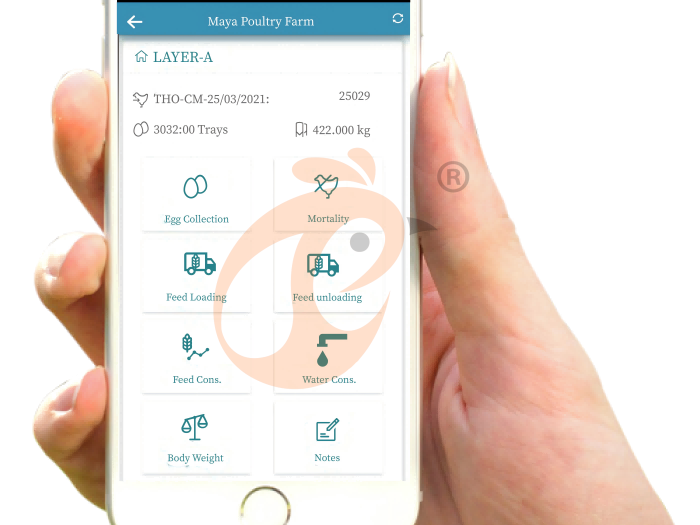
Data driven monitoring tracks feed consumption, egg quality, water usage, and operational costs across production cycles
Integrated poultry equipment solutions help farms optimize labor, strengthen traceability, and develop profitable egg production with measurable performance targets
Get professional poultry farm construction guidance, equipment selection solutions, and the latest price lists, whatsApp to +8618830120193, click to learn more.
Professional Housing Parameter Table
Data is for reference only.Swipe horizontally to view full table.
These values are preliminary planning examples, not universal legal limits.
Indoor stocking allowances, nest provision, perch dimensions, and pop-hole requirements must be checked against the applicable certification scheme, local regulations, and equipment specifications.
Position nests away from strong drafts and excessive disturbance.
Arrange feeders and drinkers to reduce congestion, and establish a maintenance route that allows workers to inspect equipment without repeatedly disturbing resting birds.
An effective housing layout also separates clean storage, egg handling, and waste-management activities.
This separation reduces cross-contamination risks and simplifies staff training.
Engineer A Consistent Feeding And Nutrition Program
Nutrition directly influences egg formation, shell integrity, body condition, and flock productivity.
Although hens can consume vegetation and invertebrates outdoors, the nutritional contribution of these resources changes with season, pasture condition, and weather.
Engineering Points
Formulate For Production Stage: Use a complete ration designed for the flock's age, genetic strain, and laying status
Control Ingredient Consistency: Work with a qualified feed supplier and review formulation changes before implementation
Prevent Contamination: Keep feed protected from moisture, rodents, wild birds, and chemical exposure
Monitor Physical Condition: Combine feed records with body-weight trends, shell quality, and observed flock behavior
Introduce Changes Progressively: Follow a planned transition procedure when changing feed formulations
Calcium, digestible amino acids, available phosphorus, vitamins, and trace minerals must be balanced rather than managed as isolated ingredients.
The appropriate formulation depends on expected egg output, feed intake, bird size, and the manufacturer's nutritional guidance.
Outdoor foraging should complement, not replace, a nutritionally complete ration.
Regular feed-intake analysis helps identify problems associated with feeder access, wastage, formulation changes, or environmental stress.
Maintain A Reliable Water Delivery System
Water delivery is a critical infrastructure requirement because interruptions can rapidly affect feed consumption and flock comfort.
A reliable system includes a tested water source, suitable filtration, pressure regulation, accessible drinkers, and a documented sanitation procedure.
Professional Water-System Parameter Table
Data is for reference only.Swipe horizontally to view full table.
These specifications are illustrative starting points for system planning.
Actual water demand depends on temperature, feed composition, production stage, drinker design, and bird health.
Pressure settings must follow the drinker manufacturer's instructions, while water-quality limits and sampling frequencies should be established with qualified professionals.
For example, a flock of 1,200 hens using 0.25 liters per bird daily would require 300 liters of water per day under the stated planning assumption.
A storage reserve should account for the consequences of supply interruption, not merely average daily use.
Record water consumption consistently and investigate unexplained deviations.
Leaking fittings, blocked nipples, damaged regulators, and microbial contamination can undermine an otherwise well-managed poultry operation.
Manage The Outdoor Range Through Structured Rotation
Outdoor range management must balance bird access with vegetation recovery, drainage, soil protection, and biosecurity.
Unmanaged access can concentrate activity around pop-holes, produce bare patches, and increase manure accumulation.
Range-Management Workflow
Survey → Divide → Allocate → Monitor → Recover
Survey: Map drainage patterns, vegetation cover, shade, fencing, and predator exposure
Divide: Create manageable sections that can be opened or rested independently
Allocate: Direct birds toward suitable ground while maintaining convenient access to shelter
Monitor: Inspect vegetation damage, erosion, mud formation, and manure concentration
Recover: Reseed or repair damaged sections before restoring normal access
Professional Outdoor-Range Parameter Table
Data is for reference only.Swipe horizontally to view full table.
These figures are planning references rather than universal requirements.
Outdoor area allowances and access arrangements must comply with the relevant production standard, while fence design must account for local predators and site conditions.
Trees, shrubs, and purpose-built shelters can encourage birds to use more of the available range.
Select planting materials carefully, avoiding toxic species and maintaining visibility where predator surveillance is necessary.
Rotational management should respond to actual ground conditions instead of following a rigid calendar.
Record observations from each section and adjust access when vegetation recovery or drainage becomes inadequate.
Improve Egg Collection, Sorting, And Traceability
Egg quality depends on nest condition, collection discipline, equipment hygiene, and appropriate storage.
A consistent handling procedure reduces breakage, contamination, and unnecessary product rejection.
Practical Techniques Card
Technique A — Standardize Collection
Assign responsibility for collection rounds and require staff to record unusual nest conditions, broken eggs, and equipment faults.
Technique B — Separate Product Categories
Use clearly identified containers for intact eggs, cracked eggs, and eggs requiring further assessment.
Prevent rejected products from returning to the saleable inventory.
Technique C — Protect Handling Equipment
Clean conveyor belts, collection trays, reusable containers, and contact surfaces according to a documented sanitation procedure.
Technique D — Maintain Traceability
Connect each production batch with its flock, collection date, handling records, and destination.
Technique E — Verify Storage Conditions
Follow the applicable food-safety framework for temperature control, cleaning, packaging, transport, and labeling.
Professional Egg-Handling Parameter Table
Data is for reference only.Swipe horizontally to view full table.
The table provides operational design targets, not a substitute for validated equipment instructions or local food-safety requirements.
In particular, acceptable egg-storage conditions depend on the intended market, processing method, and applicable regulations.
Where washing or refrigeration is required, establish the process in accordance with local rules and validated procedures.
Staff should understand that condensation, damaged shells, and contaminated handling surfaces can compromise product integrity.
Strengthen Biosecurity And Flock Health Monitoring
Free-range hens can encounter wild birds, insects, soil organisms, and other potential disease sources.
Biosecurity must therefore extend beyond the poultry house to include access routes, outdoor facilities, feed storage, and staff movement.
Biosecurity Action Cards
Visitor Management: Maintain an entry register, restrict unnecessary access, and provide dedicated protective clothing and footwear
New-Bird Introduction: Establish a veterinarian-approved quarantine protocol before introducing birds to the resident flock
Sick-Bird Response: Isolate suspected cases where appropriate, document clinical signs, and obtain veterinary assessment
Wildlife Exclusion: Protect feed stores, inspect water sources, and maintain suitable barriers against unwanted animal access
Carcass Management: Remove and dispose of carcasses through approved procedures that limit environmental contamination
Professional Biosecurity Parameter Table
Data is for reference only.Swipe horizontally to view full table.
The appropriate quarantine period, disease-testing requirements, vaccination program, and medication decisions depend on veterinary advice and local disease risks.
The stated timing values are management examples and must be adapted to the farm's circumstances.
Train workers to recognize abnormal respiratory sounds, reduced activity, changes in droppings, lameness, and unexpected mortality.
Early reporting improves the opportunity for timely investigation and limits the spread of potentially serious disease.
Build A Data-Driven Flock Monitoring Dashboard
A reliable management dashboard connects daily observations with production, quality, and financial outcomes.
Managers should use consistent definitions so that changes across weeks and production cycles can be compared accurately.
Professional Performance-Indicator Table
Data is for reference only.Swipe horizontally to view full table.
Use automated counters and meters where they improve data quality, but validate readings against physical counts and equipment checks.
An incorrect sensor reading can create false confidence and distort management decisions.
For example, compare production results with flock age, weather conditions, feed changes, and health observations before attributing a performance change to one intervention.
A dashboard becomes valuable when it supports diagnosis and corrective action rather than merely accumulating numbers.
Establish A Repeatable Daily Management Routine
Daily routines reduce missed tasks, improve accountability, and make performance more consistent across different shifts.
Operational Sequence
Morning: Inspect And Prepare
Confirm that feed and water systems are functioning
Check bird behavior, ventilation, litter condition, and visible health concerns
Complete the first scheduled egg collection
Record equipment defects requiring immediate attention
Midday: Verify And Correct
Inspect range conditions and outdoor shelter
Review water and feed records for unexpected changes
Check nest cleanliness and remove damaged eggs
Correct minor maintenance problems before they escalate
Afternoon: Consolidate And Secure
Complete the remaining collection rounds
Reconcile egg counts, mortality records, and supply usage
Confirm that perimeter barriers and housing access points are secure
Hand over unresolved tasks to the responsible supervisor
Each task should have a named owner, a defined completion criterion, and a recording method.
Digital checklists are particularly useful when several workers share responsibility for the same flock.
Select Equipment Combinations That Match Farm Requirements
Equipment should be selected according to flock size, building configuration, maintenance capacity, labor availability, and expected production volume.
Automation is valuable when it solves a defined operational problem rather than adding unnecessary complexity.
Equipment Combination Recommendation Table
Data is for reference only.Swipe horizontally to view full table.
European union standard reference only.
The budget ranges are illustrative planning allowances, not supplier quotations.
Actual capital costs depend on location, building construction, automation level, electrical infrastructure, installation labor, and whether land and housing are included.
Before purchasing, request a detailed bill of materials and confirm equipment compatibility.
Evaluate spare-parts availability, warranty conditions, maintenance training, and service response times.
A staged purchasing strategy can reduce initial capital exposure.
Many farms benefit from installing reliable water delivery and egg-handling equipment before investing in more complex automation.
Improve Financial Control And Measure Return On Investment
Operational improvements should be assessed by their effect on saleable output, labor efficiency, maintenance expenses, and customer requirements.
A farm may produce more eggs without improving profitability if feed costs, rejection rates, or operating expenses increase at the same time.
Professional Cost-Control Parameter Table
Data is for reference only.Swipe horizontally to view full table.
European union standard reference only.
Use consistent accounting boundaries when comparing production periods.
For instance, exclude one-time building costs from routine operating comparisons unless the purpose is to calculate full ownership cost.
When introducing a new feeder, collection system, or range-management practice, establish a baseline and document the intervention.
Evaluate results alongside feed prices, labor availability, weather, flock age, and market conditions.
This approach helps managers distinguish measurable improvements from temporary fluctuations and prioritize investments that deliver durable commercial value.
Conclusion — Turn Better Layer Management Into Sustainable Growth
Managing layers in a free-range system requires coordinated decisions across housing, nutrition, water delivery, outdoor range management, egg handling, and flock health.
No single equipment purchase can compensate for weak daily routines or unreliable performance records.
The six practical tips in this guide establish a management framework for improving operational consistency and protecting egg quality.
Data-driven monitoring, suitable equipment, and clearly assigned responsibilities allow farmers to identify bottlenecks and implement targeted improvements.
Start by auditing the existing operation, selecting one measurable problem, and testing a practical solution.
Review the results before expanding the investment, and involve qualified poultry, engineering, and food-safety professionals whenever technical or regulatory requirements demand specialist input.
Sustainable free-range production comes from combining responsible animal care, reliable operating systems, and evidence-based commercial decisions.
Frequently Asked Questions
Q1: What equipment is essential for a free-range layer system?
A1: Essential poultry equipment includes feeders, drinkers, nest boxes, ventilation systems, secure fencing, and egg-handling supplies.
Equipment selection should reflect flock size, applicable welfare requirements, and local climate.
Q2: How can farmers improve free-range egg production?
A2: Consistent feeding, reliable water delivery, clean nests, and effective range rotation support flock performance.
Daily monitoring of production, feed consumption, and rejected eggs helps identify problems before they create substantial losses.
Q3: Is automated poultry equipment suitable for small farms?
A3: Automation can benefit small farms when equipment reduces repetitive labor or prevents costly operational interruptions.
Compare installation costs, maintenance requirements, and expected savings before selecting an automated system.
Taiyu (HK) Group - One Of China Largest Poultry Equipment Manufacturer
Free-range layer systems integrate poultry housing, automatic feeding, drinking lines, egg collection, and environmental control equipment for commercial projects with configurable capacities from 500 to 100,000 birds
Global factory-direct supply supports equipment selection, technical drawings, component specifications, and project-based manufacturing coordination
Poultry equipment solutions cover feeding systems, drinking systems, ventilation equipment, nest boxes, egg conveyors, and farm accessories
Turn-key engineering services coordinate layout planning, equipment integration, installation guidance, commissioning procedures, and operational training
Project support includes equipment configuration, spare-parts planning, technical documentation, and after-sales service for international poultry production facilities
Contact Us To Received Your Customized Poultry Farm Plan
Headquarters And Branchs

Hong Kong Headquarter Management Team
Hong Kong Headquarter Taiyu Industrial Group CO., LTD
China Hebei Best Machinery And Equipment CO., LTD
Nigeria Vanke Machinery And Equipment CO., LTD
Tanzania Best Machinery And Equipment CO., LTD
Ethiopia Best Hebei Machinery Manufacturing PLC




Reception /24 WhatsApp NO. : +8618830120193
PRODUCTS RECOMMENDED
 China Branch Manufacture Poultry Farm EquipmentRead More
 Ethiopia Branch Manufacture Poultry Farm EquipmentRead More
 Nigeria Branch Manufacture Poultry Farm EquipmentRead More
 Tanzania Branch Manufacture Poultry Farm EquipmentRead More
 IoT Smart Poultry FarmRead More
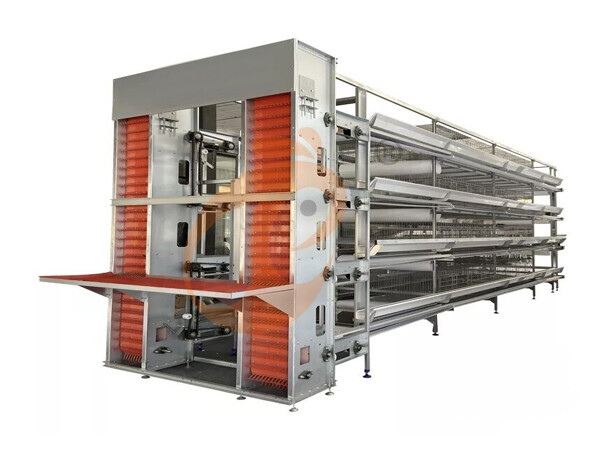
 >30,000 Layers Automatic H Type Battery CageRead More
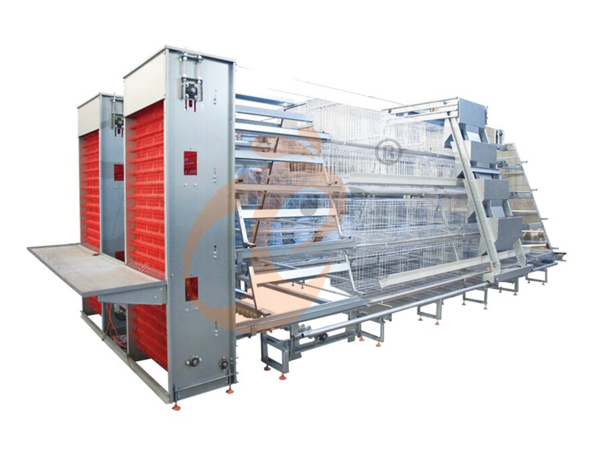
 10,000 - 30,000 Layers Automatic A Type Battery CageRead More
MESSAGE
NEWS
 50,000 - 100,000 chickens/house: poultry farm solution, chicken cage, poultry farm equipment, AI smart managementRead More
 30,000 - 50,000 chickens/house: poultry farm solution, chicken cage, poultry farm equipment, AI smart managementRead More
 10,000 - 30,000 chickens/house: poultry farm solution, chicken cage, poultry farm equipment, AI smart managementRead More
 100 - 10,000 chickens/house: poultry farm solution, chicken cage, poultry farm equipment, AI smart managementRead More