

NEWS
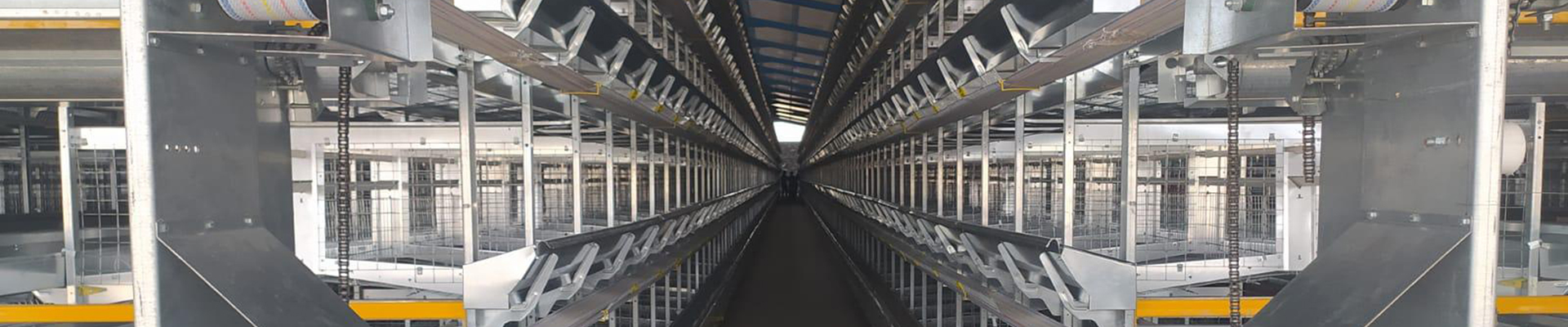
- Poultry cage price depends on cage configuration, project scale, logistics, automation, and engineering, with commercial houses commonly planned around 10,000–100,000 layers and 3–5 production tiers.
Poultry cage system economics also involve labor, installation, maintenance, and energy, while daily operation can include 2–4 feeding cycles and scheduled manure handling.
Layer poultry cage selection must consider house dimensions, climate, flock density, and expansion plans, with building spans commonly reaching 12–24 m for commercial projects.
African and Asian projects can face different freight routes, local installation costs, and infrastructure requirements, while electrical supply may use 220 v or 380 v configurations.
- A technically matched poultry cage package can convert initial equipment spending into measurable production value through engineering compatibility, service planning, and controlled project execution.
Get professional poultry farm construction guidance, equipment selection solutions, and the latest price lists, whatsApp to +8618830120193, click to learn more.
The Price Tag Is Only The Beginning
For commercial layer farms, poultry cage price is influenced by far more than the number quoted for one cage unit, with project quotations often covering equipment packages exceeding 10,000 birds and installation areas above 1,000 m².
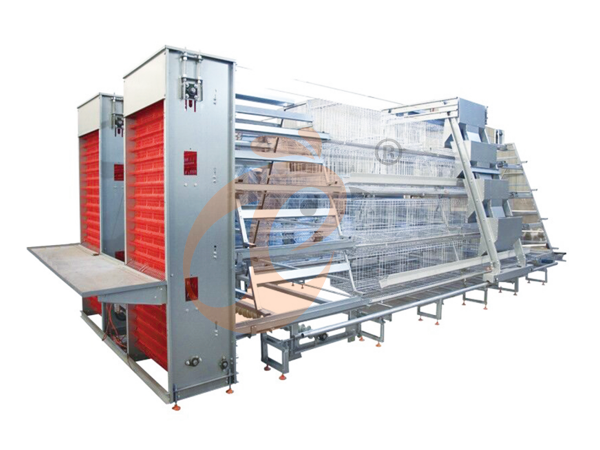
A complete poultry cage system normally includes cage rows, feeding, drinking, manure handling, ventilation, electrical control, transportation, and installation, while commercial projects may operate 16–18 hours of equipment activity daily.
The same layer poultry cage specification can also generate different project costs in Africa and Asia because freight distance, local labor, import procedures, and farm infrastructure are different, while project delivery can involve several separate logistics stages.
Our approach is to calculate equipment around the production target for example, a 30,000-bird poultry cage project may require separate zoning for brooding, laying, storage, and service access, with maintenance corridors commonly planned around 1.0–1.5 m.
Cost Difference #1 — Cage Structure And Material Specification
Data is for reference only.Swipe horizontally to view full table.
The first major poultry cage price difference comes from what is actually inside the cage quotation, while a complete commercial project may contain more than 50 individual equipment components.
A quotation based on 128 birds per unit cannot be directly compared with one based on 96 birds per unit, especially when project service life is planned around 10 years.
Likewise, galvanized wire at 3.2 mm should not be evaluated against a 2.5 mm specification simply by comparing the final package price, because structural loading and corrosion exposure can differ substantially across farm locations.
For African poultry cage projects operating under humid conditions, material selection becomes particularly important, while ambient humidity above 75% can increase the importance of corrosion-control planning.
Don't Compare Cages By Unit Price Alone
Consider a procurement calculation rather than a sales slogan, with a commercial poultry cage system often requiring coordinated civil, mechanical, and electrical preparation before delivery.
Quoted cage price → equipment quantity → installation requirement → operating cost → production cycle.
A poultry cage costing usd 100 per unit may look cheaper than a usd 130 unit, but the comparison is meaningless if the first system accommodates 96 birds and the second accommodates 128 birds.
For this reason, our technical team normally starts with the farm capacity, house dimensions, and target stocking plan, while a 90 × 15 m house can require different service access from a 120 × 20 m building.
Cost Difference #2 — Automation Changes The Investment
Data is for reference only.Swipe horizontally to view full table.
Automation is one of the clearest reasons why two poultry cage price quotations can differ substantially, while automated equipment can operate continuously through multiple daily production tasks.
A manual feeding system requires workers to transport feed through the house, while an automatic chain can distribute feed along an entire row with controlled timing.
The economic effect becomes more visible as the flock expands, because a 20,000-bird farm can have a substantially different labor requirement from a 100,000-bird farm.
For large poultry cage systems, automation should therefore be selected according to flock size rather than added as an unnecessary accessory, with equipment layouts commonly requiring dedicated service clearances around drive assemblies.
Think Like A Farm Manager, Not Only A Buyer
Buyer perspective
"Which supplier gives me the lowest poultry cage price?"
Farm-manager perspective
"How many workers will the system require each day, how much feed can the system distribute per cycle, and how quickly can routine manure removal be completed?"
For example, an automatic feeding line operating at approximately 30–40 m/min can change daily management efficiency compared with manual feed distribution, while feed delivery may be scheduled at intervals of 4–6 hours.
The correct poultry cage system therefore has to match the farm's production workflow, including operator access, cleaning routes, and equipment inspection frequency.
Our cage systems combine structural design with feeding, drinking, manure management, and environmental equipment so that customers can evaluate the project as one integrated production system, with control cabinets commonly positioned within 5–15 m of major equipment zones.
Cost Difference #3 — Shipping And Project Logistics
Data is for reference only.Swipe horizontally to view full table.
International logistics can materially change the landed cost of poultry cage price, with export projects commonly requiring several weeks between production completion and farm arrival.
A cage system manufactured in Asia may require ocean freight, port handling, customs clearance, and inland delivery before reaching an African farm, while inland transport can cover hundreds of kilometers.
Container planning should therefore begin before production, because standardized package dimensions can simplify handling during loading and unloading.
Our export engineering process includes component classification, package dimensions, and loading calculations so customers can review transportation requirements before placing a production order, with loading documentation normally finalized before dispatch.
Don't Let Freight Destroy A Good Quotation
A factory poultry cage price quotation is only one part of the procurement calculation, while total project scheduling may include 30–45 production days before shipment.
Suppose equipment production takes 30–45 days; the project schedule must then account for ocean transit, customs processing, inland transportation, and installation, with site preparation ideally completed before equipment arrival.
This is especially important for remote African farms where the distance from the destination port to the farm may exceed 500 km, creating additional handling requirements for heavy steel components.
Our team can prepare packing lists and loading plans according to the poultry cage configuration, helping customers calculate the expected landed investment instead of relying only on an ex-factory number.
Cost Difference #4 — Installation And Technical Support
Data is for reference only.Swipe horizontally to view full table.
A poultry cage system is a mechanical production platform, so installation accuracy affects operation, while equipment alignment should be checked at every structural connection point.
For example, feeding-line alignment should be controlled during installation, while drinking lines require appropriate height adjustment for the flock, with inspection intervals commonly set around 7–14 days during commissioning.
After-sales service also matters when a poultry cage farm is located far from the manufacturing center, because technical documents can reduce delays caused by basic troubleshooting.
We therefore treat technical support as part of the equipment package rather than an optional sales promise, with remote technical sessions commonly lasting 30–60 minutes per operating issue.
What Should You Actually Compare?
Use this four-question procurement test for every poultry cage price quotation, while requesting technical documents in pdf or cad format before final approval.
1. Specification: what are the wire diameter, steel grade, cage dimensions, tier number, and bird capacity?
2. Automation: what are the motor ratings, feed distribution method, manure-removal method, and egg-collection configuration?
3. Logistics: how many containers are required, and what are the package dimensions?
4. Service: what drawings, commissioning support, training, and spare-parts documentation are included?
A quotation that answers these four questions is far more useful than a single figure such as "usd xxx per poultry cage," especially when procurement quantities exceed 100 cage units.
A Smarter Purchasing Checklist
Data is for reference only.Swipe horizontally to view full table.
A professional poultry cage price comparison should put equivalent technical parameters side by side, while procurement teams can also verify equipment quantities against the approved bill of materials.
If one supplier quotes a complete H-type system while another quotes only cage frames, the prices are not commercially comparable, particularly when installation labor exceeds 100 working hours.
Our quotations can be structured around equipment lists and project drawings, allowing buyers to evaluate exactly what they are paying for and maintain document control through each project stage.
Africa Vs Asia: Which Market Gets The Better Deal?
Data is for reference only.Swipe horizontally to view full table.
There is no universal "African price" or "Asian price" for poultry cage price, because final investment depends on engineering conditions and procurement scope.
For example, a four-tier H-type system with automatic feeding and manure belts represents a fundamentally different investment from a three-tier manual system, while house roof clearance may differ by more than 600 mm.
Comparing only the total quotation would hide these engineering differences, particularly when electrical infrastructure and foundation preparation are not included.
A professional poultry cage supplier should adapt the cage system to the customer's building, climate, capacity, budget, and production strategy, with project design revisions typically completed before fabrication.
Turn Cage Investment Into Production Value
Data is for reference only.Swipe horizontally to view full table.
The best poultry cage price is not necessarily the lowest quotation, because lifecycle value also depends on maintenance frequency and equipment utilization.
For African and Asian poultry investors, the smarter approach is to compare technical specifications, automation, logistics, installation, and lifecycle requirements before making the final purchasing decision, with project evaluation commonly extending beyond a single production cycle.
Our poultry cage system solutions are designed for commercial layer projects, covering cage systems, automatic feeding, nipple drinking, manure removal, egg collection, ventilation, and environmental control, while project documentation can include multiple engineering drawings.
With project-based engineering, we help customers move from a simple layer poultry cage purchase to a complete poultry production system, with commissioning plans coordinated before commercial operation.
Frequently Asked Questions
Q1: What causes poultry cage price differences between Africa and Asia?
A1: Poultry cage price changes mainly with equipment specification, automation, freight, installation, and service scope, while project capacity above 20,000 birds can make automation economics more significant.
Q2: How should buyers compare different poultry cage quotations?
A2: Compare identical poultry cage system specifications, including cage structure, automation, logistics, installation, and documentation, rather than comparing a single usd unit figure.
Q3: Is a higher poultry cage price always more expensive long-term?
A3: Not necessarily, because a correctly engineered layer poultry cage can reduce manual workload and maintenance exposure, while a 10-year planning horizon gives buyers a better lifecycle perspective.
Taiyu (HK) Group - One Of China Toppest Poultry Cage Supplier
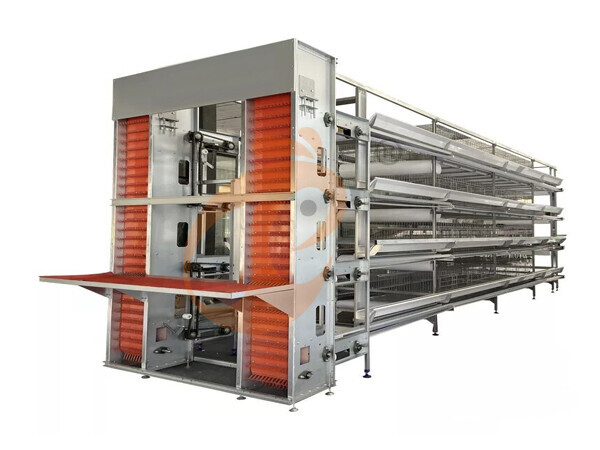
Poultry cage systems use engineered multi-tier structures, supporting commercial layer projects with configurations reaching 5 tiers and integrated feeding, drinking, manure, and egg-handling equipment.
Global factory-direct manufacturing integrates poultry equipment production, engineering drawings, component inspection, packing control, and export coordination within one project workflow.
Turn-key engineering covers poultry cage system design, equipment matching, electrical coordination, installation guidance, commissioning documentation, and operational training for international farm projects.
Project procurement can combine cage systems with feeding, drinking, ventilation, manure removal, egg collection, and environmental-control equipment under one coordinated poultry equipment package.
International customers receive factory engineering support from quotation through shipment and commissioning, with project documentation structured around capacity, house dimensions, equipment lists, and technical specifications.
Contact Us To Received Your Customized Poultry Farm Plan
Headquarters And Branchs

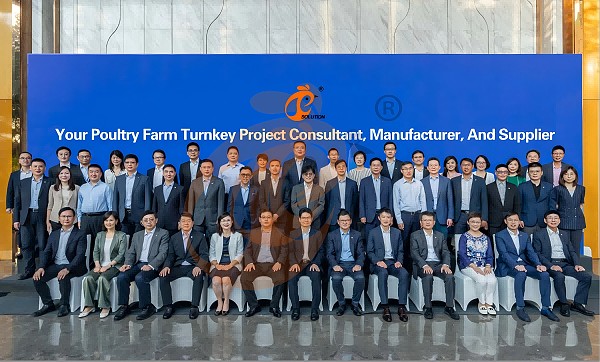
Hong Kong Headquarter Management Team
Hong Kong Headquarter Taiyu Industrial Group CO., LTD
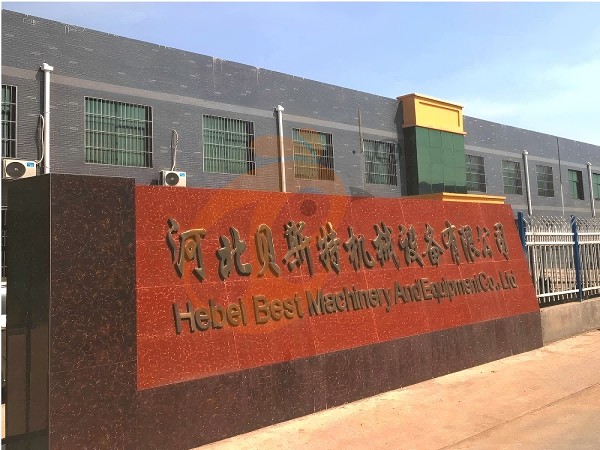
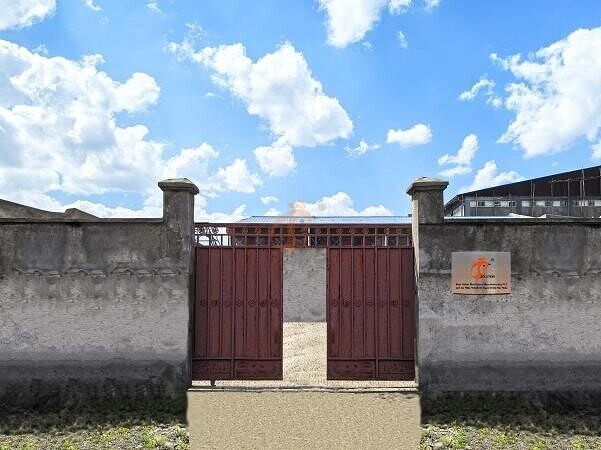
China Hebei Best Machinery And Equipment CO., LTD
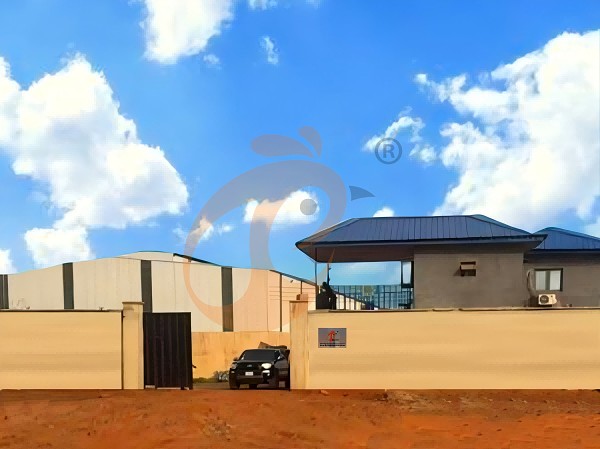
Nigeria Vanke Machinery And Equipment CO., LTD
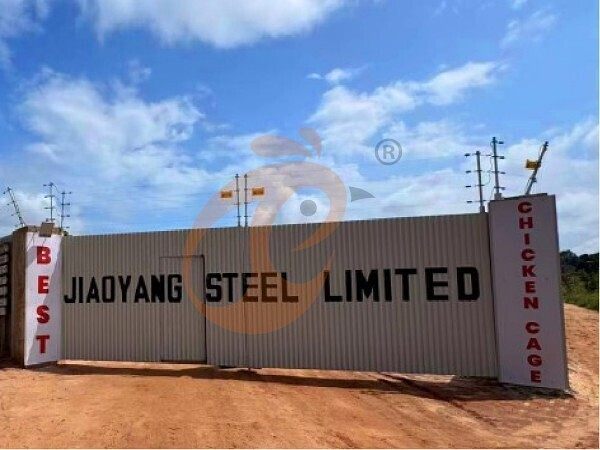
Tanzania Best Machinery And Equipment CO., LTD
Ethiopia Best Hebei Machinery Manufacturing PLC
Reception /24 WhatsApp NO. : +8618830120193
PRODUCTS RECOMMENDED
 China Branch Manufacture Poultry Farm EquipmentRead More
 Ethiopia Branch Manufacture Poultry Farm EquipmentRead More
 Nigeria Branch Manufacture Poultry Farm EquipmentRead More
 Tanzania Branch Manufacture Poultry Farm EquipmentRead More
 IoT Smart Poultry FarmRead More
 >30,000 Layers Automatic H Type Battery CageRead More
 10,000 - 30,000 Layers Automatic A Type Battery CageRead More
MESSAGE
NEWS
 50,000 - 100,000 chickens/house: poultry farm solution, chicken cage, poultry farm equipment, AI smart managementRead More
 30,000 - 50,000 chickens/house: poultry farm solution, chicken cage, poultry farm equipment, AI smart managementRead More
 10,000 - 30,000 chickens/house: poultry farm solution, chicken cage, poultry farm equipment, AI smart managementRead More
 100 - 10,000 chickens/house: poultry farm solution, chicken cage, poultry farm equipment, AI smart managementRead More