

BLOG
Feed pellet machine reduces dependency on commercial feed and stabilizes production cost structure
Pellet mill price varies based on motor load, die material, and throughput efficiency
Feed pellet production integrates grinding, conditioning, and compression into one controlled system
Operational performance depends on moisture, particle size, and compression ratio alignment
Financial return is driven by feed conversion ratio optimization and waste reduction efficiency
Get professional poultry farm construction guidance, equipment selection solutions, and the latest price lists, whatsApp to +8618830120193, click to learn more:
Pellet Machine Price And 2026 Investment Structure
Feed pellet machine pricing is primarily determined by power system stability and die wear resistance rather than machine size alone.
Machines using higher chromium alloy dies reduce replacement frequency under continuous load conditions.
Throughput scaling is nonlinear, meaning capacity increase requires exponential motor and structural reinforcement.
European union standard reference only.
Data is for reference only.Swipe horizontally to view full table.
Thermal Processing And Microbial Load Reduction
Feed pellet production introduces controlled thermal stress during compression, which alters microbial survival conditions.
At compression temperatures near 85°C, pathogen survival probability drops sharply due to protein denaturation mechanisms.
Reduction efficiency depends more on residence time than peak temperature alone.
Data is for reference only.Swipe horizontally to view full table.
Moisture Control And System Stability
Moisture content directly influences friction coefficient between die and raw material interface.
When conditioning exceeds optimal range, slip increases and reduces volumetric compression efficiency.
Below-threshold moisture increases mechanical resistance and accelerates die wear rate.
Data is for reference only.Swipe horizontally to view full table.
Particle Size Distribution And Structural Integrity
Pellet durability is governed by surface bonding area created during grinding phase.
Reducing particle size increases binding probability but raises specific energy consumption per ton processed.
Mechanical efficiency declines when particle size drops below 500 microns due to excessive power draw.
Data is for reference only.Swipe horizontally to view full table.
Compression Ratio And Species-Specific Efficiency
Compression ratio defines internal density gradient and structural cohesion of feed pellets.
Higher ratios increase pellet hardness but reduce throughput efficiency under fibrous feed conditions.
Lower ratios improve flow rate but reduce water stability in aquaculture applications.
Data is for reference only.Swipe horizontally to view full table.
Roller Dynamics And Contact Efficiency
Roller surface geometry determines shear force distribution across die surface.
Higher friction coefficients increase material intake rate but accelerate surface wear under high-fat formulations.
Excessive roller gap increases bypass flow and reduces compression consistency.
Data is for reference only.Swipe horizontally to view full table.
Cooling Phase And Structural Stabilization
Cooling determines final moisture equilibrium and mechanical hardness of pellets after extrusion.
Rapid temperature reduction stabilizes starch retrogradation and reduces post-production deformation.
Insufficient cooling increases long-term microbial risk in storage environments.
Data is for reference only.Swipe horizontally to view full table.
Feed Conversion Ratio And Economic Efficiency
Feed conversion ratio directly reflects energy transfer efficiency from feed input to biomass gain.
Pellet structure reduces selective feeding behavior, improving nutrient absorption consistency.
Economic gain is driven by reduced feed waste rather than increased intake volume.
Data is for reference only.Swipe horizontally to view full table.
Operational Strategy For Scaling Feed Pellet Production
Farm operators should align feed pellet production capacity with actual livestock demand instead of focusing only on machine size.
A phased upgrade approach reduces financial pressure and improves investment efficiency over time.
Selecting equipment that matches daily feed consumption prevents energy waste and production bottlenecks.
Automation in batching and feeding systems improves formulation accuracy and reduces manual labor requirements.
Proper planning between throughput capacity and farm growth cycle ensures stable output and predictable operating cost control.
Frequently Asked Questions
Q1: What determines pellet machine price in industrial feed systems?
Price is primarily determined by motor power rating, die metallurgy, and sustained throughput capacity under load conditions.
Higher structural reinforcement is required for high-capacity systems, increasing total investment cost.
Q2: Why does feed pellet production improve livestock growth efficiency?
Pelleting improves nutrient uniformity and reduces selective feeding behavior at trough level.
This leads to more consistent digestion efficiency across livestock populations.
Q3: Can small farms benefit from pellet systems economically?
Small farms benefit when equipment capacity is matched precisely with daily feed demand.
Overcapacity systems reduce return on investment efficiency due to unnecessary energy consumption.
Taiyu (HK) Group - One Of China Biggest Feed Pellet Machine Manufacturer
Feed pellet machine systems provide efficient livestock feed production with global factory direct supply of poultry equipment, poultry cage systems, and Turn-key engineering projects for modern automated poultry farming operations worldwide.
Advanced pelletizing technology integrates grinding, conditioning, and compression to improve feed stability, reduce waste, and optimize overall production cost efficiency.
Precision-engineered die and roller systems ensure stable compression ratio, improved pellet durability, and consistent feed conversion ratio performance across different livestock applications.
Proper control of moisture, particle size, and thermal conditioning significantly enhances pellet quality while reducing microbial load and improving storage stability.
Taiyu engineering support provides scalable solutions, equipment customization, and export services for integrated poultry feed production systems and large-scale farm development projects.
Contact Us To Received Your Customized Poultry Farm Plan
Headquarters And Branchs

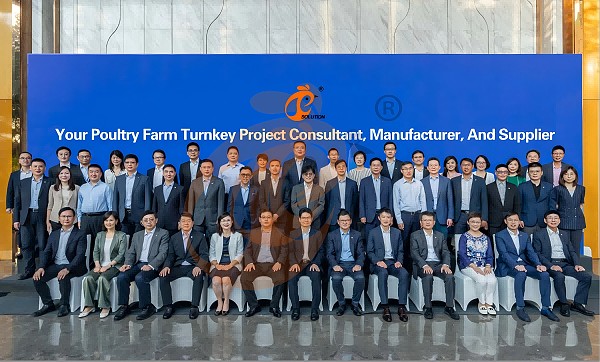
Hong Kong Headquarter Management Team
Hong Kong Headquarter Taiyu Industrial Group CO., LTD
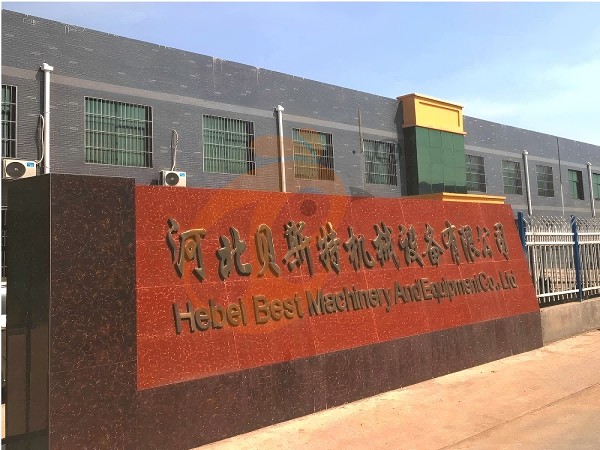
China Hebei Best Machinery And Equipment CO., LTD
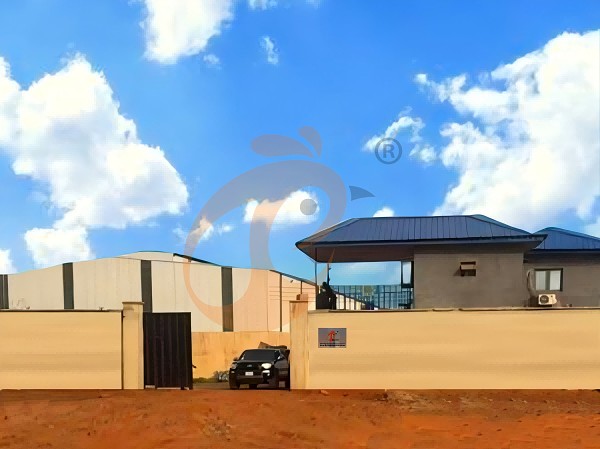
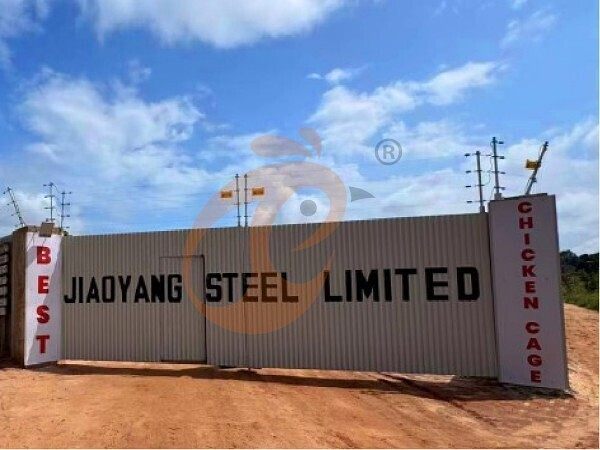
Nigeria Vanke Machinery And Equipment CO., LTD
Tanzania Best Machinery And Equipment CO., LTD
Ethiopia Best Hebei Machinery Manufacturing PLC

Reception /24 WhatsApp NO. : +8618830120193
PRODUCTS RECOMMENDED
 China Branch Manufacture Poultry Farm EquipmentRead More
 Ethiopia Branch Manufacture Poultry Farm EquipmentRead More
 Nigeria Branch Manufacture Poultry Farm EquipmentRead More
 Tanzania Branch Manufacture Poultry Farm EquipmentRead More
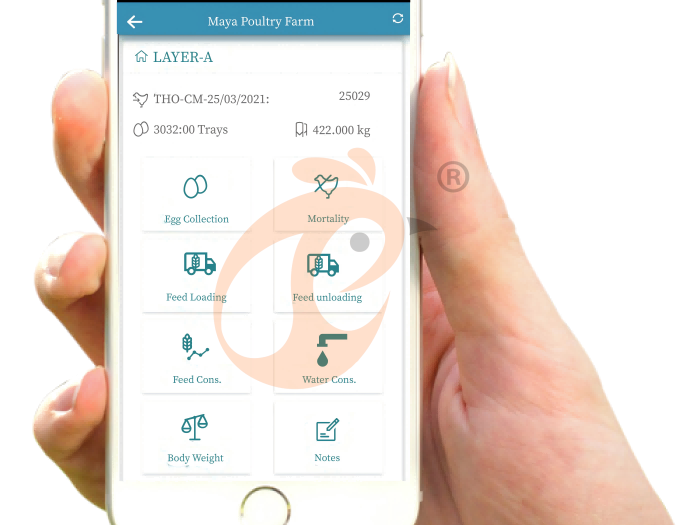
 IoT Smart Poultry FarmRead More
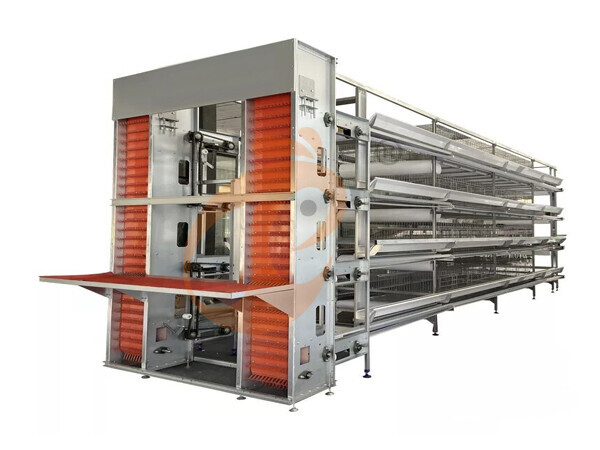
 >30,000 Layers Automatic H Type Battery CageRead More
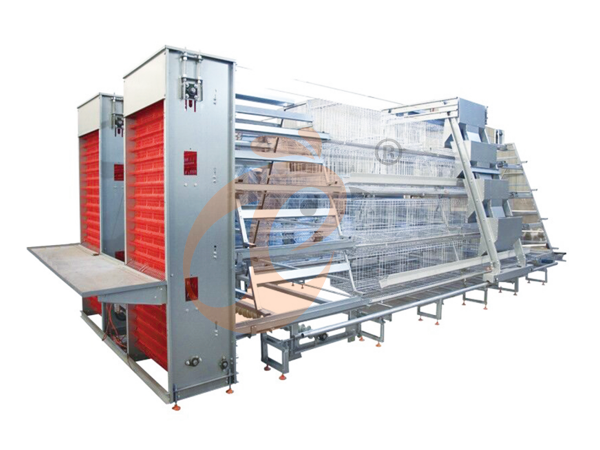
 10,000 - 30,000 Layers Automatic A Type Battery CageRead More
MESSAGE
NEWS
 What Makes A Factory-Direct A Type Chicken Battery Cage More Cost-Effective? 4 ReasonsRead More
 Deep Litter System For Broilers Vs Cage | Which Is More Profitable?Read More
 Free Range Broiler System Vs Intensive Farming | Which Is More Profitable?Read More
 Broiler Floor Rearing System Cost | 6 Factors Affecting PriceRead More