

BLOG
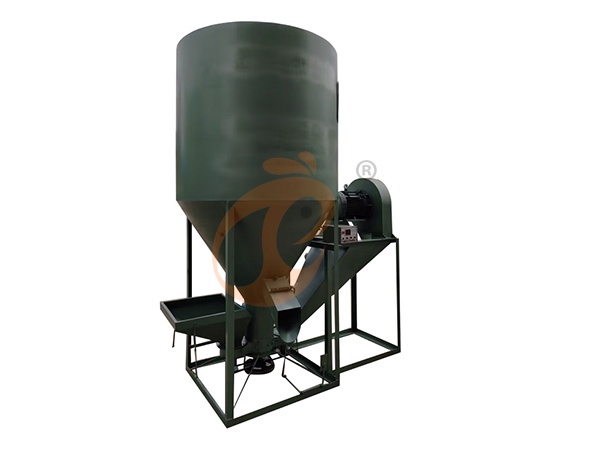
Feed mill price analysis poultry farm equipment efficiency 11 kW hammer mill 3.0 t/h production stability and return on investment optimization strategies applied to modern poultry farming systems.
This article explains feed mixer selection feed mill configuration particle size control maintenance planning environmental safety standards and cost reduction models in poultry production.
Covers feed mill and feed mixer pricing structure mixing uniformity CV control hammer mill operation feed conversion ratio optimization and automated poultry feeding integration systems.
Get professional poultry farm construction guidance, equipment selection solutions, and the latest price lists, whatsApp to +8618830120193, click to learn more:
Tips For Poultry Farms
In modern poultry farming, feed costs typically account for 65% to 75% of total operating expenses.
For farm owners pursuing large-scale and precision management, transitioning from purchasing complete feed to building an in-house feed production system is an essential step to reduce costs and control Feed Conversion Ratio (FCR).
However, faced with a wide range of crushers and mixers on the market, how to avoid low-end equipment traps and select a high-return on investment configuration becomes the primary challenge during farm expansion.
In-Depth Breakdown Of Market Prices And Technical Specifications
The price of feed machinery is not determined by its external shell, but by rotor dynamic balance precision, hammer material quality, and mixing chamber volume utilization efficiency.
Small farms often opt for low-cost equipment but overlook hidden costs caused by poor mixing uniformity, which can lead to delayed flock development—far exceeding initial equipment savings.
Core Processing Equipment Technical Parameters & Reference Budget
Data is for reference only.Swipe horizontally to view full table.
Matching Farm Capacity To Poultry Feed Mill System Output
One of the biggest issues in farming is mismatch between equipment capacity and poultry feed intake demand.
Undersized equipment leads to continuous operation cycles increasing labor consumption and motor thermal stress.
Oversized equipment increases start-stop frequency and affects power stability in feed mill production systems.
Daily Feed Intake & Processing Schedule For 100,000-Layer Farm
Data is for reference only.Swipe horizontally to view full table.
Feed Mill Feed Mixer Mixing Performance And Nutrition Stability
During mixing process, micro-ingredients including premix usually account for 1%–5% of total formulation.
Inadequate mixing uniformity directly increases risk of nutritional imbalance and affects flock metabolic stability.
Mixer Performance Comparison (500 Kg Batch Test)
Data is for reference only.Swipe horizontally to view full table.
Particle Size Control And Feed Mill Efficiency Optimization
A common mistake is uniform grinding strategy across all poultry stages.
Different poultry categories require different particle size control to stabilize digestion efficiency and feed conversion ratio (FCR).
Incorrect particle size increases feed waste or digestive system burden.
Screen Size Standards By Poultry Type
Data is for reference only.Swipe horizontally to view full table.
Feed Mill Wear Parts And Operational Cost Control
In poultry farm feed mill operation, downtime cost is a critical risk factor.
Hammer and screen durability directly determines production continuity and maintenance scheduling efficiency.
Use of tungsten carbide materials significantly extends operational lifespan and reduces replacement frequency.
Maintenance Parameters Of Key Components
Data is for reference only.Swipe horizontally to view full table.
Environmental Control And Feed Mill Safety System Standards
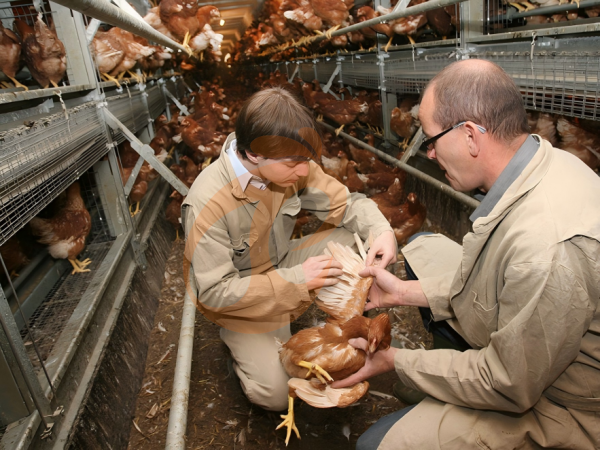
Dust accumulation directly impacts feed loss rate and poultry respiratory health conditions.
Installing dust removal systems improves operational hygiene and reduces long-term veterinary cost exposure.
Workshop Environment And Safety Standards
Data is for reference only.Swipe horizontally to view full table.
Dynamic Return On Investment Analysis Of Feed Mill Investment
Feed mill and feed mixer investment significantly changes poultry production cost structure.
Self-produced feed reduces dependence on commercial supply chains and improves cost control flexibility.
Feed conversion ratio optimization becomes directly linked to feed formulation accuracy and equipment stability.
Cost Comparison (USD Per Ton) European union standard reference only
Data is for reference only.Swipe horizontally to view full table.
Feed Mill Automation Integration With Poultry Housing Systems
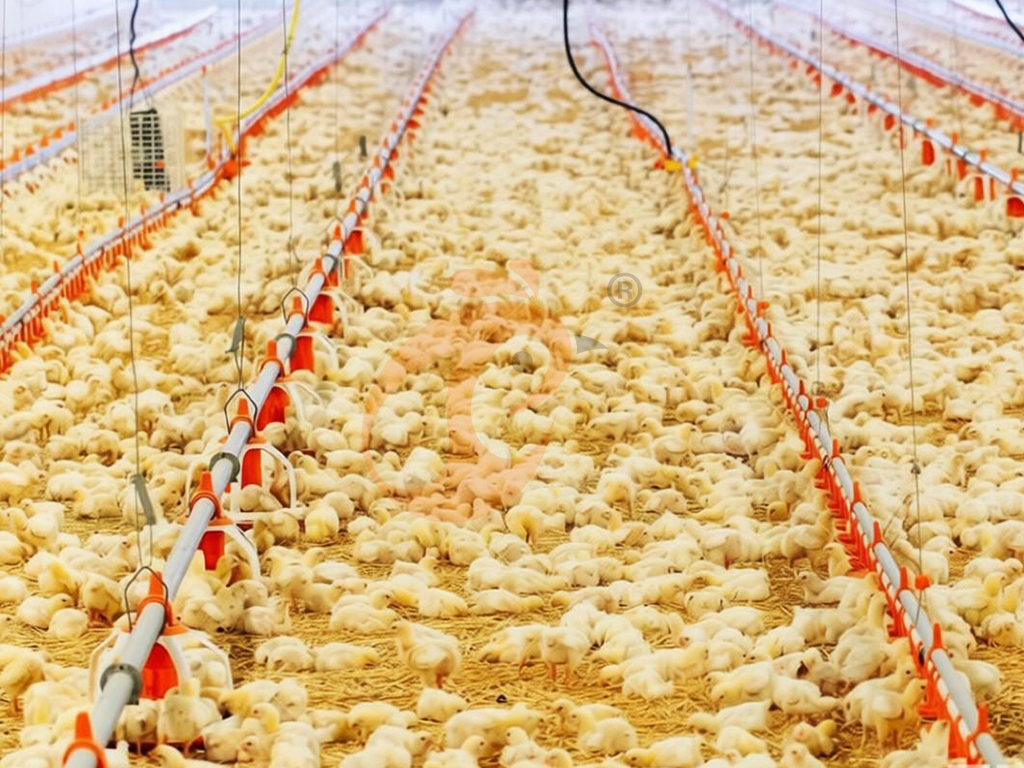
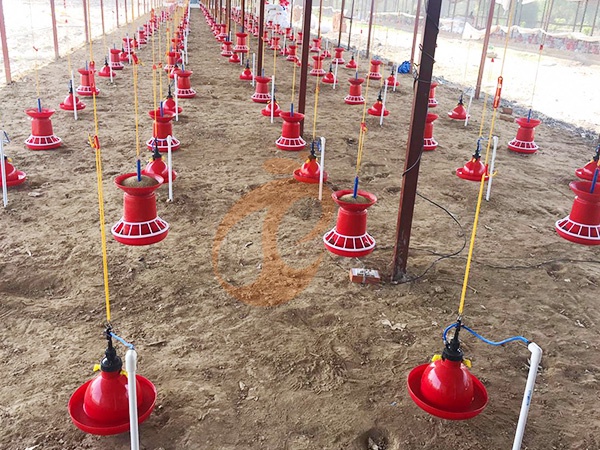
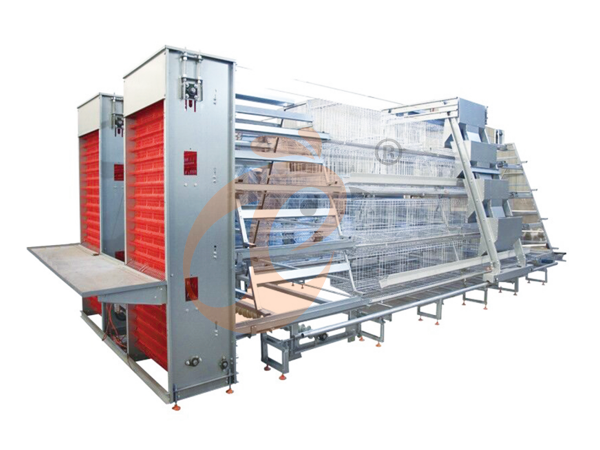
Modern poultry farms integrate feed mills with automated conveying systems.
Chain feeders and auger conveyors directly connect feed production units with cage systems.
This closed-loop design reduces contamination risk and improves biosecurity conditions in poultry housing environments.
Seasonal Raw Material Flexibility In Feed Mill Operations
Feed mill ownership enables flexible formulation adjustment based on seasonal ingredient pricing.
Corn, soybean meal, and agricultural by-products can be substituted dynamically depending on availability.
This flexibility improves resilience against commodity market volatility in poultry production systems.
Frequently Asked Questions
Q1: What is the ideal feed mill capacity for poultry farms?
Feed mill capacity should match daily feed intake demand and flock size.
A mismatch leads to energy inefficiency or production bottlenecks in continuous operation systems.
Q2: How does feed mixer performance affect poultry growth?
Mixing uniformity directly impacts nutrient distribution consistency across feed batches.
Poor CV values may cause uneven growth and reduced production efficiency in poultry flocks.
Q3: What maintenance factors most affect feed mill downtime?
Hammer wear rate, screen integrity, and belt transmission condition are primary downtime drivers.
Scheduled replacement improves production continuity and reduces unexpected equipment failure risk.
Feed mill systems and feed mixer integrated solutions provide efficient poultry production support with global factory direct supply of poultry equipment, poultry cage systems, and Turn-key engineering projects for modern large-scale poultry farming operations. Advanced hammer mill and mixer configuration ensures stable particle size control, improved mixing uniformity, and optimized feed conversion ratio performance for commercial poultry farm systems. Precision-engineered designs reduce energy consumption per ton, improve production stability, and support long-term return on investment optimization in intensive poultry feeding environments. Proper maintenance planning and wear-part management significantly extend equipment lifespan while reducing downtime and operational risks in continuous feed mill production systems. Taiyu engineering services deliver scalable poultry farm solutions including layout design, system integration, and export support for global automated poultry production projects.Taiyu (HK) Group - One Of China Biggest Feed Mill Supplier
Contact Us To Received Your Customized Poultry Farm Plan
Headquarters And Branchs

Hong Kong Headquarter Management Team
Hong Kong Headquarter Taiyu Industrial Group CO., LTD
China Hebei Best Machinery And Equipment CO., LTD
Nigeria Vanke Machinery And Equipment CO., LTD
Tanzania Best Machinery And Equipment CO., LTD
Ethiopia Best Hebei Machinery Manufacturing PLC




Reception /24 WhatsApp NO. : +8618830120193
PRODUCTS RECOMMENDED
 China Branch Manufacture Poultry Farm EquipmentRead More
 Ethiopia Branch Manufacture Poultry Farm EquipmentRead More
 Nigeria Branch Manufacture Poultry Farm EquipmentRead More
 Tanzania Branch Manufacture Poultry Farm EquipmentRead More
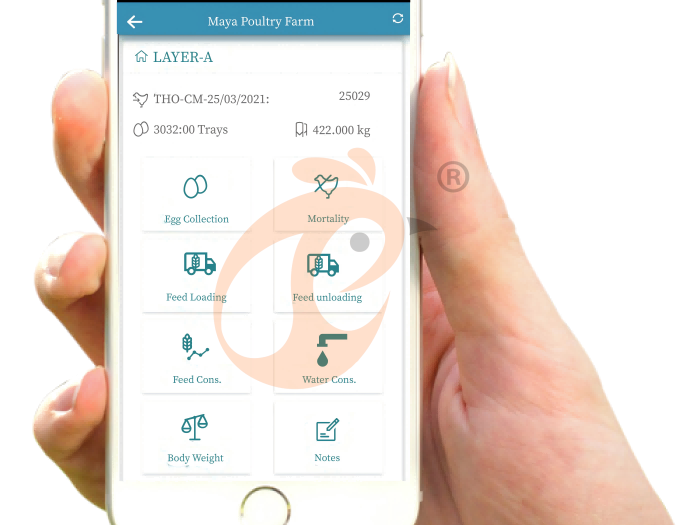
 IoT Smart Poultry FarmRead More
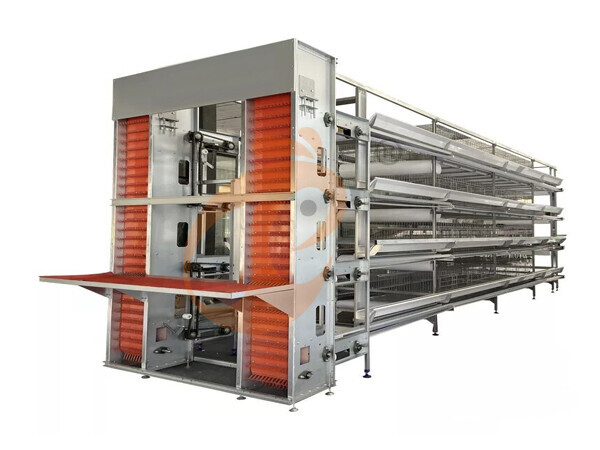
 >30,000 Layers Automatic H Type Battery CageRead More
 10,000 - 30,000 Layers Automatic A Type Battery CageRead More
MESSAGE