

NEWS
Pellet mill energy consumption directly influences operating costs, production stability, equipment utilization, and long-term manufacturing profitability.
Biomass processing conditions affect compression resistance, material flow characteristics, and finished pellet consistency across production cycles.
Mechanical components such as dies, rollers, motors, and feeders contribute differently to overall electrical demand.
Process optimization methods improve output efficiency while supporting predictable maintenance schedules and equipment reliability.
Industrial monitoring technologies provide actionable operating data for energy reduction and sustainable manufacturing performance.
Get professional poultry farm construction guidance, equipment selection solutions, and the latest price lists, whatsApp to +8618830120193, click to learn more:
Understanding Pellet Machine Efficiency
Pellet machine efficiency is commonly evaluated through the relationship between electrical input and finished pellet output.
Specific energy consumption is generally measured in kilowatt-hours per ton of pellets produced.
Wood Pellet Production facilities often use this indicator to benchmark equipment performance and identify optimization opportunities.
Data is for reference only. Swipe horizontally to view full table.
Ring die equipment generally requires lower electricity demand per ton because material movement and compression characteristics are more efficient.
Why Energy Efficiency Matters
Lower energy consumption creates measurable economic advantages throughout the production cycle.
Electricity expenditure frequently represents between 20% and 40% of pellet manufacturing operating costs.
A reduction of only 8 KWh/T can generate significant annual savings for medium and large production facilities.
For example, a facility producing 40,000 tons annually may reduce electricity expenses by approximately $38,400 annually when electricity costs are $0.12/KWh.
European union standard reference only.
Data is for reference only. Swipe horizontally to view full table.
Control Raw Material Moisture
Moisture content directly influences pellet mill energy consumption.
Material containing excessive moisture creates additional resistance during compression.
Insufficient moisture may increase friction between biomass particles and die surfaces.
Many industrial operations maintain feedstock moisture between 12% and 16% to support stable pellet formation and efficient energy utilization.
Data is for reference only. Swipe horizontally to view full table.
Science Behind Pellet Compression
Pellet formation occurs when biomass particles are compressed through die channels under controlled pressure and temperature conditions.
Natural lignin softens and functions as a binding material during pellet formation.
Compression force, retention time, particle geometry, and temperature collectively determine pellet durability and power consumption.
Research indicates that process conditions significantly affect both pellet quality and energy demand during production.
Maintain Proper Particle Size
Particle size distribution influences compression efficiency and material flow behavior.
Oversized particles increase resistance inside die channels.
Excessively fine particles may reduce feeding consistency and airflow characteristics.
Data is for reference only. Swipe horizontally to view full table.
Uniform particle preparation improves production consistency and reduces unnecessary electrical demand.
Optimize Die And Roller Conditions
The die and roller assembly forms the core compression system of a pellet mill.
Surface wear, hole deformation, and bearing deterioration gradually increase resistance during pellet formation.
As resistance increases, electrical demand rises while production output declines.
Routine inspection helps maintain stable operating conditions and supports efficient energy utilization.
Data is for reference only. Swipe horizontally to view full table.
Recommended inspection activities include roller shell evaluation, die hole cleaning, bearing lubrication verification, and compression ratio assessment.
Proper maintenance minimizes unnecessary mechanical resistance and extends component lifespan.
Improve Feeding Stability
Consistent feeding remains one of the most effective methods for reducing electrical fluctuations.
Material surges create unstable motor loads and increase overall power demand.
Modern pellet plants frequently employ variable frequency drives, automated feeders, and level control sensors to improve process stability.
Data is for reference only. Swipe horizontally to view full table.
Stable feed rates improve equipment utilization and reduce transient electrical loads throughout production cycles.
Upgrade To Efficient Motors
Motor efficiency significantly affects overall pellet mill operating costs.
Modern industrial motors convert a larger percentage of electrical energy into useful mechanical power.
Many facilities achieve measurable savings after replacing older equipment with premium-efficiency motors.
Data is for reference only. Swipe horizontally to view full table.
Motor upgrades become increasingly valuable in facilities operating multiple production shifts.
Implement Preventive Maintenance
Preventive maintenance programs reduce unexpected downtime and improve long-term production efficiency.
Mechanical wear develops gradually and often increases energy demand before visible equipment failures occur.
Structured maintenance schedules help identify problems before productivity is affected.
Data is for reference only. Swipe horizontally to view full table.
Preventive maintenance supports stable production quality while reducing emergency repair requirements.
Digital Monitoring And Smart Control
Digital monitoring systems provide continuous visibility into production performance.
Operators can track process variables and identify abnormal conditions before efficiency losses become significant.
Common monitoring parameters include motor current, die temperature, bearing temperature, moisture content, pellet durability, and throughput.
Data is for reference only. Swipe horizontally to view full table.
Real-time analytics help manufacturers maintain production consistency while supporting continuous energy optimization.
Frequently Asked Questions
Q1: What moisture content produces better pelletizing results?
Most biomass materials perform efficiently between 12% and 16% moisture content.
Stable moisture reduces compression resistance and supports consistent pellet density during production.
Q2: How often should pellet mill dies be replaced?
Replacement intervals depend on feedstock abrasiveness, operating conditions, and production volume.
Many industrial facilities inspect die wear after approximately 1,200 to 1,800 operating hours.
Q3: Can variable frequency drives reduce power consumption?
Yes.Variable frequency drives help maintain steady feeding rates and reduce motor load fluctuations.
Many facilities observe energy reductions ranging from 4% to 12% after proper optimization and commissioning.
Taiyu (HK) Group - One Of China Largest Pellet Machine Manufacturer
Pellet machine project solutions support biomass fuel processing facilities, agricultural residue recycling plants, and commercial pellet manufacturing operations across multiple industrial sectors.
Global factory-direct supply systems improve manufacturing consistency, spare parts availability, logistics coordination, and equipment delivery schedules for international customers.
Poultry equipment product portfolios include feeding systems, drinking systems, ventilation systems, environmental control systems, and integrated livestock housing solutions.
Turn-key engineering capabilities cover process design, equipment fabrication, installation supervision, commissioning services, performance verification, and operator training programs.
Technical teams provide production planning assistance, equipment selection guidance, energy efficiency assessments, and customized engineering recommendations according to project requirements.
Contact Us To Received Your Customized Poultry Farm Plan
Headquarters And Branchs

Hong Kong Headquarter Management Team
Hong Kong Headquarter Taiyu Industrial Group CO., LTD
China Hebei Best Machinery And Equipment CO., LTD
Nigeria Vanke Machinery And Equipment CO., LTD
Tanzania Best Machinery And Equipment CO., LTD
Ethiopia Best Hebei Machinery Manufacturing PLC
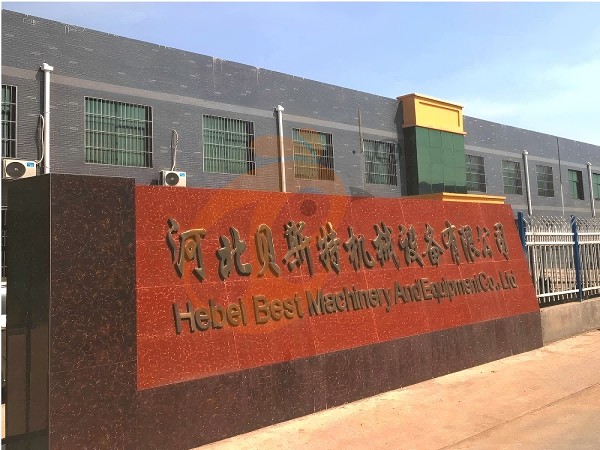
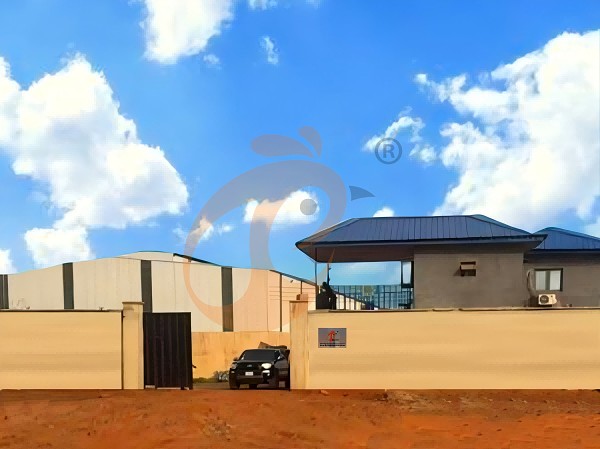
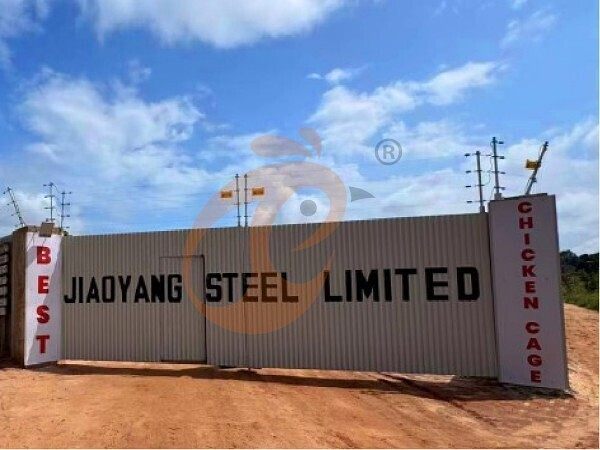

Reception /24 WhatsApp NO. : +8618830120193
PRODUCTS RECOMMENDED
 China Branch Manufacture Poultry Farm EquipmentRead More
 Ethiopia Branch Manufacture Poultry Farm EquipmentRead More
 Nigeria Branch Manufacture Poultry Farm EquipmentRead More
 Tanzania Branch Manufacture Poultry Farm EquipmentRead More
 IoT Smart Poultry FarmRead More
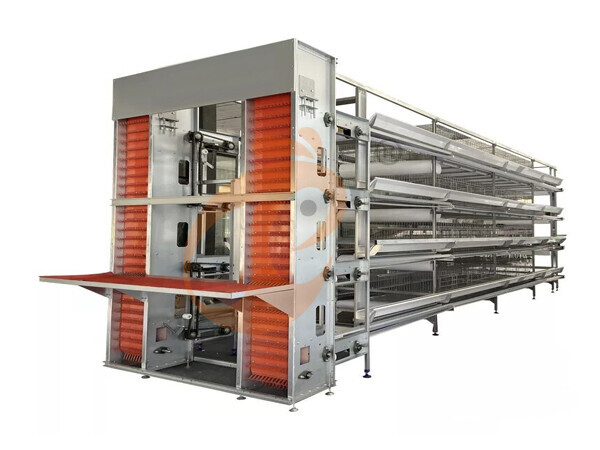
 >30,000 Layers Automatic H Type Battery CageRead More
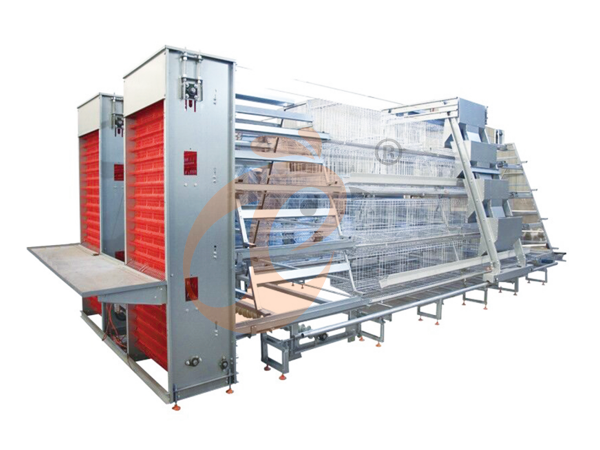
 10,000 - 30,000 Layers Automatic A Type Battery CageRead More
MESSAGE
NEWS
 50,000 - 100,000 chickens/house: poultry farm solution, chicken cage, poultry farm equipment, AI smart managementRead More
 30,000 - 50,000 chickens/house: poultry farm solution, chicken cage, poultry farm equipment, AI smart managementRead More
 10,000 - 30,000 chickens/house: poultry farm solution, chicken cage, poultry farm equipment, AI smart managementRead More
 100 - 10,000 chickens/house: poultry farm solution, chicken cage, poultry farm equipment, AI smart managementRead More