

NEWS
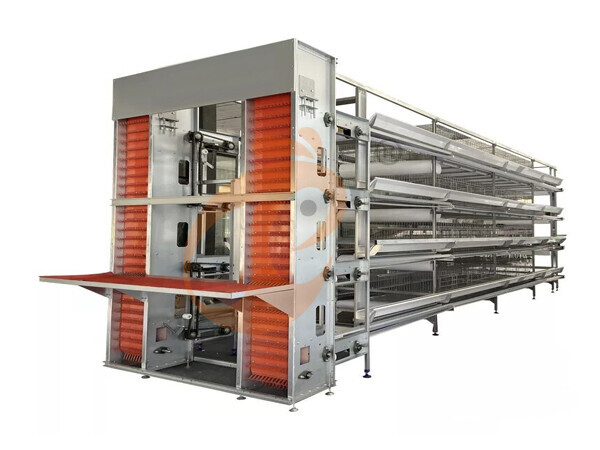
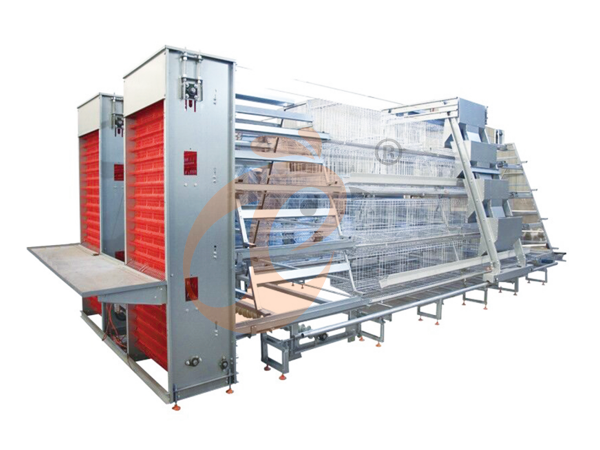
Layer chicken cage system technology helps poultry farms improve housing efficiency, flock management, production consistency, and facility utilization across different project scales.
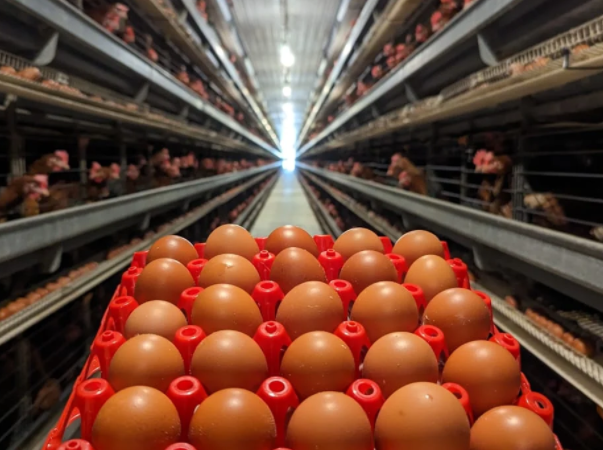
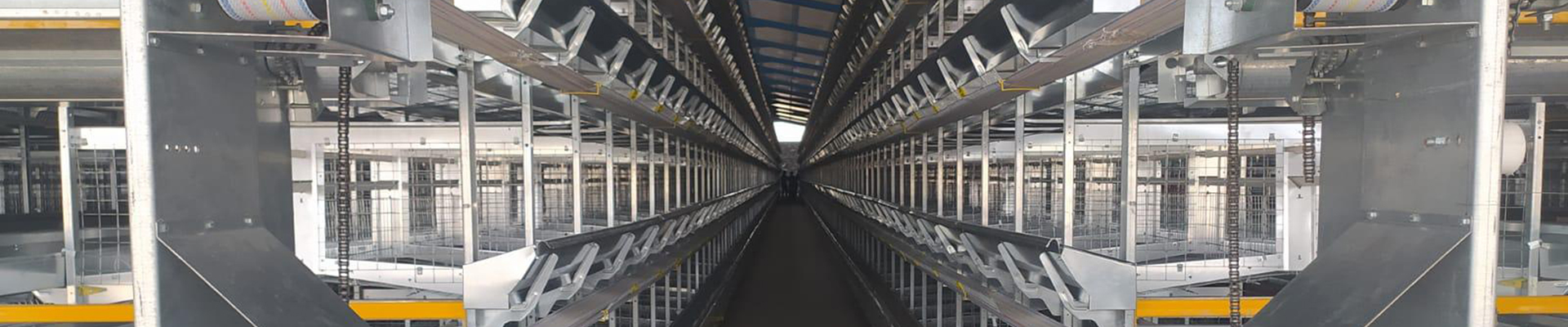
Automatic layer cage equipment supports precise feeding, watering, egg collection, and manure handling while reducing daily labor requirements.
Commercial egg production equipment contributes to stable operational performance through integrated automation and environmental management solutions.
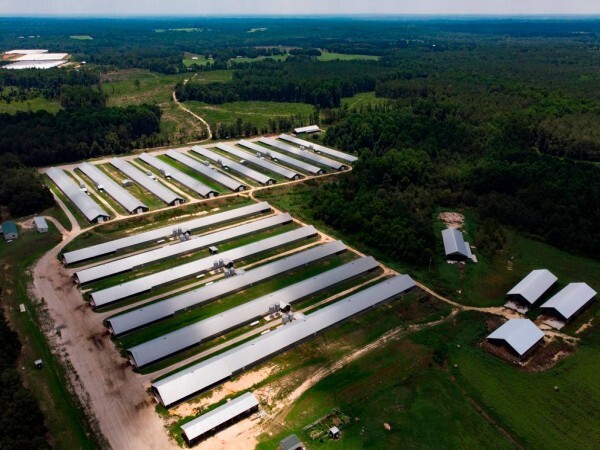
Proper project planning involves building design, equipment selection, ventilation configuration, and future expansion considerations.
Long-term profitability depends on reliable engineering layouts, preventive maintenance programs, biosecurity implementation, and data-driven production management.
Get professional poultry farm construction guidance, equipment selection solutions, and the latest price lists, whatsApp to +8618830120193, click to learn more:
Implement Environmental Control Systems
Environmental management directly affects flock productivity, feed utilization, and housing stability.
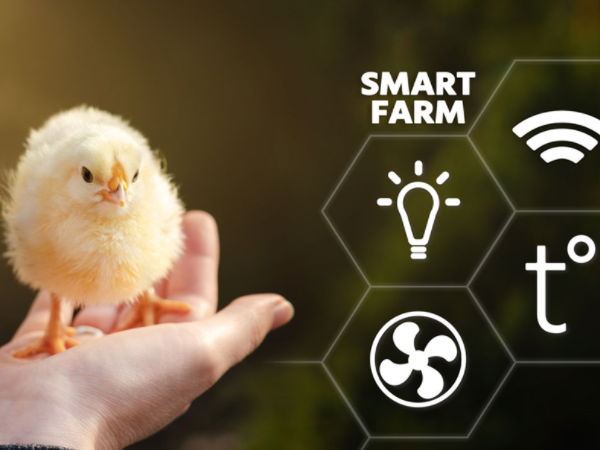
Modern H type facilities commonly integrate ventilation fans, cooling systems, lighting controllers, and environmental monitoring equipment into a centralized control platform.
Data is for reference only.Swipe horizontally to view full table.
Stable environmental conditions help laying hens maintain consistent physiological performance throughout the production cycle.
Poultry Science Fact
Research indicates that controlled lighting programs support reproductive hormone regulation in commercial laying hens.
Consistent light schedules are commonly associated with more stable production curves.
Establish Biosecurity Procedures
Biosecurity management reduces disease transmission risks and supports long-term production stability.
A complete program should cover personnel access control, vehicle sanitation, rodent prevention, vaccination implementation, and equipment disinfection.
Data is for reference only.Swipe horizontally to view full table.
Effective biosecurity often costs significantly less than disease recovery programs.
Monitor Production Performance
Performance monitoring allows managers to identify operational trends and make timely management decisions.
Production records should be collected daily and reviewed regularly.
Data is for reference only.Swipe horizontally to view full table.
Reliable production records provide valuable information for optimizing management strategies.
Frequently Asked Questions
Q1: How many birds can a six-tier system accommodate?
A six-tier configuration can generally house between 10,000 and 40,000 laying hens depending on building dimensions, cage specifications, and aisle arrangements.
Q2: What is the recommended manure removal frequency?
Many commercial farms operate manure belt systems every 2 to 4 days.
A removal interval of approximately 72 hours is commonly used to help maintain acceptable indoor air conditions.
Q3: How long does galvanized cage equipment typically last?
Hot-dip galvanized structures with coating weights around 275 g/m² often achieve service lives exceeding 15 years under proper maintenance and operating conditions.
Taiyu (HK) Group - One Of China Largest H Type Layer Chicken Cage Manufacturer
H type layer chicken cage systems are supplied for commercial egg production projects ranging from 5,000 to over 100,000 laying hens across different climate regions and production objectives.
Factory-direct production supports consistent manufacturing control for poultry equipment including cages, feeding systems, drinking systems, manure removal systems, and environmental control equipment.
Engineering teams provide turn-key project solutions covering layout planning, equipment configuration, installation guidance, commissioning, and operational training.
International project execution includes customized specifications according to building dimensions, utility conditions, production targets, and local management requirements.
Integrated poultry equipment packages are designed to improve operational efficiency, reduce labor dependency, and support long-term commercial production performance.
Contact Us To Received Your Customized Poultry Farm Plan
Headquarters And Branchs

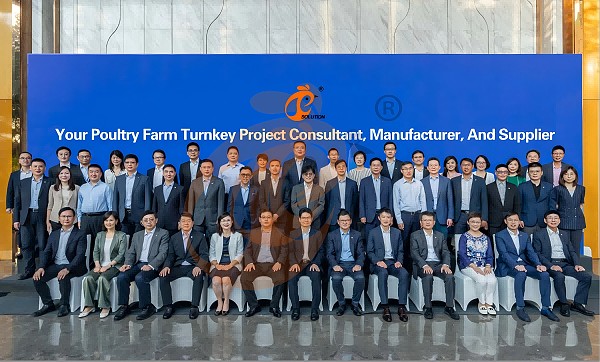
Hong Kong Headquarter Management Team
Hong Kong Headquarter Taiyu Industrial Group CO., LTD
China Hebei Best Machinery And Equipment CO., LTD
Nigeria Vanke Machinery And Equipment CO., LTD
Tanzania Best Machinery And Equipment CO., LTD
Ethiopia Best Hebei Machinery Manufacturing PLC




Reception /24 WhatsApp NO. : +8618830120193
PRODUCTS RECOMMENDED
 China Branch Manufacture Poultry Farm EquipmentRead More
 Ethiopia Branch Manufacture Poultry Farm EquipmentRead More
 Nigeria Branch Manufacture Poultry Farm EquipmentRead More
 Tanzania Branch Manufacture Poultry Farm EquipmentRead More
 IoT Smart Poultry FarmRead More
 >30,000 Layers Automatic H Type Battery CageRead More
 10,000 - 30,000 Layers Automatic A Type Battery CageRead More
MESSAGE
NEWS
 50,000 - 100,000 chickens/house: poultry farm solution, chicken cage, poultry farm equipment, AI smart managementRead More
 30,000 - 50,000 chickens/house: poultry farm solution, chicken cage, poultry farm equipment, AI smart managementRead More
 10,000 - 30,000 chickens/house: poultry farm solution, chicken cage, poultry farm equipment, AI smart managementRead More
 100 - 10,000 chickens/house: poultry farm solution, chicken cage, poultry farm equipment, AI smart managementRead More