

NEWS
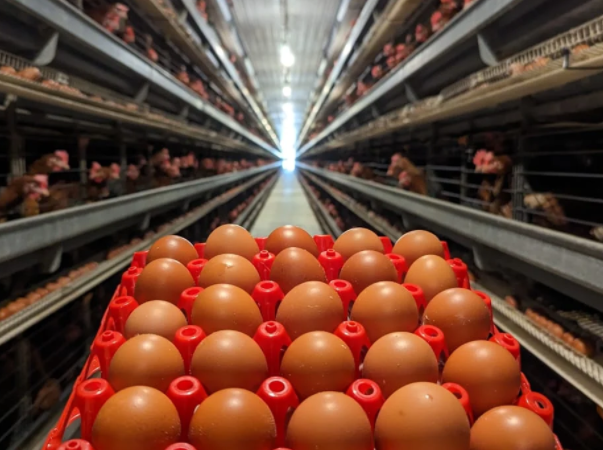
A type battery cage for layers system improves commercial egg output through structured housing engineering, controlled feeding precision, ventilation stability, and flock health coordination across intensive poultry environments
Egg production optimization in layer cage housing focuses environmental stability, lighting rhythm control, nutrition balancing, stress reduction strategies for maximizing laying consistency across industrial farms
Automatic poultry cage farming equipment integrates automated manure removal, feeding lines, water delivery systems, reducing manual workload while improving production uniformity across cage tiers
Commercial poultry enterprises benefit from controlled microclimate regulation, genetic performance expression, metabolic efficiency, and reproductive cycle synchronization inside modern cage frameworks
Structured cage farming methodology enhances egg quality stability, shell integrity consistency, feed utilization efficiency, and long-term operational profitability across production cycles
Get professional poultry farm construction guidance, equipment selection solutions, and the latest price lists, whatsApp to +8618830120193, click to learn more:
Understanding Cage Structural Engineering System
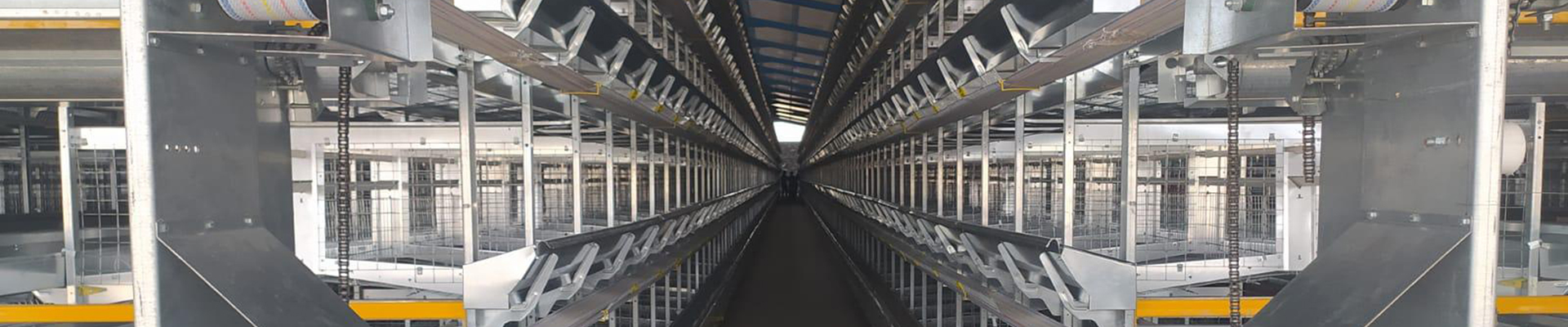
A type cage architecture defines spatial efficiency, airflow direction, manure discharge efficiency, and feed access uniformity.
Engineering precision directly impacts hen comfort index and laying rhythm stability.
Data is for reference only.Swipe horizontally to view full table.
Spatial distribution uniformity reduces competitive feeding stress and improves egg-laying consistency across flock segments.
Biological Regulation Of Egg Formation
Egg formation depends on endocrine signaling between hypothalamus and ovarian follicle development.
Hormonal synchronization determines ovulation rhythm and shell formation speed.
Calcium mobilization supports shell matrix crystallization during nocturnal metabolic phase.
Nutrient absorption efficiency inside intestinal villi supports albumen synthesis and yolk deposition.
Stress hormone suppression improves reproductive stability inside confined cage environments.
Microclimate Stability Control System
Environmental equilibrium inside cage houses determines respiration efficiency, immune response stability, and metabolic energy allocation toward egg production.
Data is for reference only.Swipe horizontally to view full table.
Stable air exchange improves oxygen uptake efficiency and reduces respiratory fatigue in dense housing systems.
Photoperiod Regulation And Lighting System
Lighting configuration influences reproductive endocrine rhythm, follicular activation, and laying cycle synchronization.
Uniform illumination distribution ensures equal stimulation across multi-tier cage structure.
Data is for reference only.Swipe horizontally to view full table.
Photostimulation consistency supports hormonal rhythm stabilization and reduces laying interruptions.
Nutritional Formulation Balance System
Feed formulation determines egg mass, yolk pigmentation, and shell mineral density.
Amino acid balance ensures protein synthesis efficiency in reproductive tissues.
Data is for reference only.Swipe horizontally to view full table.
Balanced feed structure enhances albumen density and shell strength consistency.
Water Delivery And Hydration Control
Hydration system regulates digestion speed, nutrient transport, and egg synthesis efficiency.
Nipple drinker precision ensures contamination reduction and stable intake.
Data is for reference only.Swipe horizontally to view full table.
Hydration consistency directly influences laying frequency and metabolic efficiency.
Production Performance Cycle Analysis
Flock productivity depends on age synchronization, genetic strain efficiency, and environmental stability.
Peak laying phase requires balanced nutrient intake and stress minimization.
Data is for reference only.Swipe horizontally to view full table.
Efficient cycle management ensures sustained productivity across commercial production windows.
Disease Prevention And Hygiene Protocols
Biosecurity strategy controls pathogen exposure, microbial buildup, and respiratory disease risk inside cage environments.
Structured sanitation cycles maintain flock stability.
Data is for reference only.Swipe horizontally to view full table.
Hygiene consistency reduces disease outbreak probability in high-density farming systems.
Economic Efficiency Evaluation
Commercial viability depends on cost balance between input resources and egg yield output.
Financial modeling supports long-term investment planning.
Data is for reference only.Swipe horizontally to view full table.
Efficient resource allocation improves profitability stability across production cycles.
Five Practical Ways To Improve Egg Production
Optimize stocking density by maintaining balanced bird allocation across cage compartments for reducing competition pressure and improving uniform feeding behavior.
Stabilize lighting rhythm through controlled photoperiod transitions ensuring endocrine synchronization and consistent ovulation cycles.
Refine nutrient absorption efficiency by adjusting amino acid ratios aligned with reproductive peak demand stages inside flock metabolism.
Improve water delivery systems using pressure-stable pipelines ensuring continuous hydration intake and metabolic efficiency support.
Strengthen biosecurity cycles through structured disinfection scheduling reducing microbial load accumulation inside cage environments.
Frequently Asked Questions
Q1: How does cage design affect egg output?
Cage geometry influences airflow, feeding access, and stress distribution.
Proper spacing around 640 mm depth improves behavioral comfort and supports stable laying rhythm around 92 percent output levels.
Q2: What nutrition adjustment improves shell strength?
Calcium concentration near 4.2 percent combined with balanced phosphorus improves shell mineralization.
Methionine at 0.44 percent supports protein matrix formation inside shell structure.
Q3: How often should lighting be adjusted?
Photoperiod adjustment every 3 days ensures endocrine stability.
Sudden variation disrupts ovulation cycle, gradual change maintains consistent laying pattern.
Taiyu (HK) Group - One Of China Largest Battery Cage Manufacturer
Structured cage system deployed inside high-density poultry farms requiring automated feeding, ventilation coordination, and egg collection integration.
Global factory direct supply chain ensures standardized production quality and engineering consistency across international poultry equipment projects.
Specialized poultry equipment manufacturing supports battery cage, broiler cage, and automated manure removal systems for commercial farming operations.
Turn-key engineering solutions include farm design, installation guidance, and full system commissioning for large-scale egg production facilities.
Technical support framework covers layout optimization, equipment calibration, and lifecycle maintenance services for continuous production efficiency.
Contact Us To Received Your Customized Poultry Farm Plan
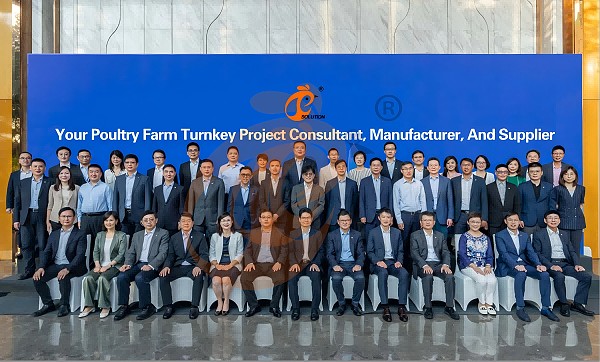
Headquarters And Branchs

Hong Kong Headquarter Management Team
Hong Kong Headquarter Taiyu Industrial Group CO., LTD
China Hebei Best Machinery And Equipment CO., LTD
Nigeria Vanke Machinery And Equipment CO., LTD
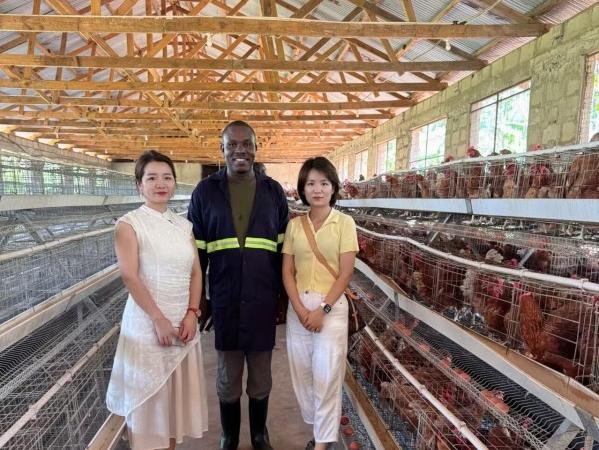
Tanzania Best Machinery And Equipment CO., LTD
Ethiopia Best Hebei Machinery Manufacturing PLC




Reception /24 WhatsApp NO. : +8618830120193
PRODUCTS RECOMMENDED
 China Branch Manufacture Poultry Farm EquipmentRead More
 Ethiopia Branch Manufacture Poultry Farm EquipmentRead More
 Nigeria Branch Manufacture Poultry Farm EquipmentRead More
 Tanzania Branch Manufacture Poultry Farm EquipmentRead More
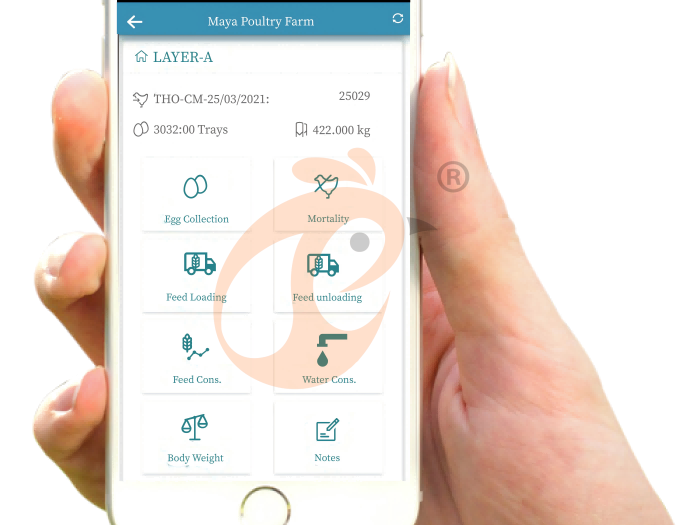
 IoT Smart Poultry FarmRead More
 >30,000 Layers Automatic H Type Battery CageRead More
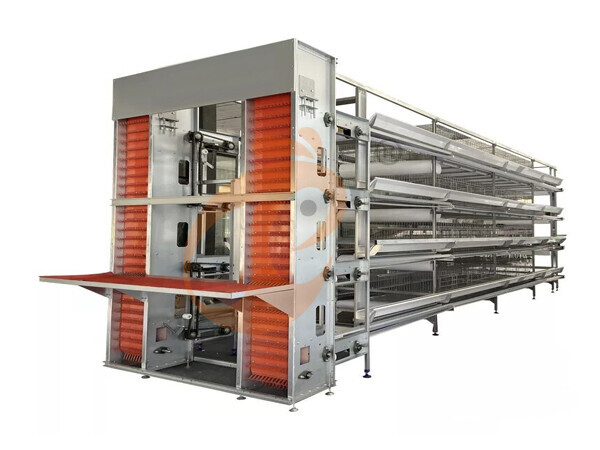
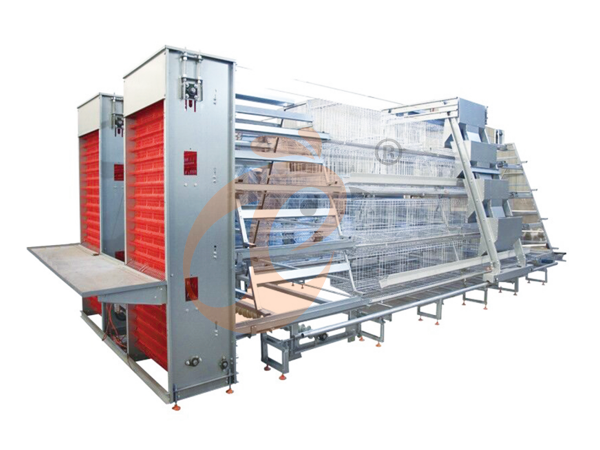
 10,000 - 30,000 Layers Automatic A Type Battery CageRead More
MESSAGE
NEWS
 50,000 - 100,000 chickens/house: poultry farm solution, chicken cage, poultry farm equipment, AI smart managementRead More
 30,000 - 50,000 chickens/house: poultry farm solution, chicken cage, poultry farm equipment, AI smart managementRead More
 10,000 - 30,000 chickens/house: poultry farm solution, chicken cage, poultry farm equipment, AI smart managementRead More
 100 - 10,000 chickens/house: poultry farm solution, chicken cage, poultry farm equipment, AI smart managementRead More