

NEWS
Deep litter poultry farming system profitability depends on feed efficiency housing design manure conversion and flock health integration.
Modern poultry production evaluates cost balance between infrastructure labor and biological performance across scalable farm sizes.
Deep litter systems create controlled microbial bedding environments supporting ammonia reduction and improved bird welfare conditions.
Commercial farms assess revenue stability through mortality control feed conversion ratio and fertilizer byproduct utilization.
Poultry farm profitability analysis highlights system adaptability across small medium and industrial production models under varied climate conditions.
Get professional poultry farm construction guidance, equipment selection solutions, and the latest price lists, whatsApp to +8618830120193, click to learn more:
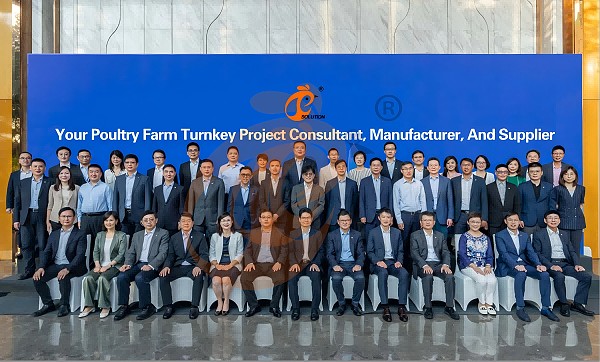
Deep Litter Poultry Farming System Overview
The deep litter poultry farming system is based on floor rearing using organic bedding materials that gradually decompose.
Birds remain in continuous contact with litter which acts as both insulation layer and waste processing medium.
System design influences ventilation hygiene moisture control and ammonia regulation inside enclosed poultry houses.
Data is for reference only.Swipe horizontally to view full table.
Core Design And Materials
Structural configuration determines long-term stability of poultry house performance and biological safety efficiency.
Material selection impacts insulation capacity pathogen resistance and maintenance frequency within production cycles.
Proper integration of litter and airflow systems stabilizes internal temperature fluctuations.
Data is for reference only.Swipe horizontally to view full table.
Economics Overview
Economic structure evaluates capital expenditure operational cost and output revenue balance per production cycle.
Feed remains dominant cost driver affecting overall financial return across broiler batches.
European union standard reference only applies to benchmark cost modeling for comparative farm evaluation systems.
Data is for reference only.Swipe horizontally to view full table.
Poultry Farm Profitability Analysis
Poultry farm profitability analysis measures output efficiency through mortality feed conversion and sale price structure.
Revenue depends on carcass weight consistency and market timing strategy alignment.
Operational optimization reduces cost leakage across feeding and disease management phases.
Data is for reference only.Swipe horizontally to view full table.
Productivity Performance
Productivity depends on environmental control litter quality and genetic strain selection.
Stable bedding conditions reduce stress behavior and improve uniform growth distribution.
Temperature regulation directly influences metabolic energy utilization efficiency in broilers.
Data is for reference only.Swipe horizontally to view full table.
Broiler Deep Litter Housing System Management
Broiler deep litter housing system requires continuous litter aeration and moisture balancing operations.
Ammonia suppression improves respiratory health and reduces veterinary intervention frequency.
Management discipline determines biological stability across repeated production cycles.
Data is for reference only.Swipe horizontally to view full table.
Feed Efficiency Metrics
Feed efficiency determines final profitability outcome across poultry production systems.
Nutritional formulation must align with protein energy ratio requirements for rapid muscle development.
Conversion efficiency improvements directly reduce cost per kilogram meat output.
Data is for reference only.Swipe horizontally to view full table.
Disease And Biosecurity
Disease control represents critical risk factor influencing mortality and financial stability.
Biosecurity protocols reduce pathogen entry through controlled access and sanitation barriers.
Litter management directly influences microbial population balance inside poultry environment.
Data is for reference only.Swipe horizontally to view full table.
Environmental Control And Microclimate Stability
Internal air exchange rate is maintained at 3.2 m³ per kg live bird per hour to stabilize heat dispersion inside housing systems
Relative humidity is controlled within a 58–72 percent operational band to reduce microbial overgrowth risk in bedding layers
Ammonia concentration is kept below 18 ppm through coordinated ventilation and litter aeration scheduling strategy
Air velocity is adjusted at 0.18–0.25 m/s to support uniform temperature distribution across bird density zones
Thermal consistency at 24–27°C range improves metabolic stability and reduces energy loss during growth cycles
Waste Compost Value
Organic waste conversion increases secondary revenue stream for poultry farming operations.
Spent litter functions as nutrient rich fertilizer for crop production systems.
Composting improves circular resource utilization efficiency within agricultural ecosystems.
Data is for reference only.Swipe horizontally to view full table.
Labor And Operation Planning
Labor structure influences operational consistency and long-term system reliability.
Task distribution requires balanced scheduling across feeding hygiene and monitoring activities.
Automation integration remains limited in small scale deep litter systems.
Data is for reference only.Swipe horizontally to view full table.
Frequently Asked Questions
Q1: What is the ideal litter depth for profitability?
Optimal litter depth ranges between 20 to 30 centimeters supporting microbial balance and moisture control efficiency around 28 days cycle stabilization period.
Q2: Can deep litter systems compete with cage systems financially?
Yes when feed cost remains controlled and mortality stays below 5 percent total return becomes comparable under standard market pricing.
Q3: What is the main risk factor in deep litter farming?
Moisture imbalance leading to ammonia buildup represents primary risk affecting respiratory health and reducing growth performance efficiency.
Taiyu (HK) Group - One Of China Largest Broiler Deep Litter Housing System Manufacturer
Broiler deep litter housing system project integration supports commercial poultry farm development across controlled environment infrastructure design and installation stages.
Global factory direct supply chain ensures standardized poultry equipment delivery with optimized cost structure and technical consistency.
Turn-key engineering service covers layout design ventilation configuration and automated feeding system integration for scalable production units.
Poultry equipment manufacturing includes housing frames litter systems feeders and environmental control assemblies.
Project execution focuses on commercial farm efficiency lifecycle stability and long-term operational scalability.
Contact Us To Received Your Customized Poultry Farm Plan
Headquarters And Branchs

Hong Kong Headquarter Management Team
Hong Kong Headquarter Taiyu Industrial Group CO., LTD
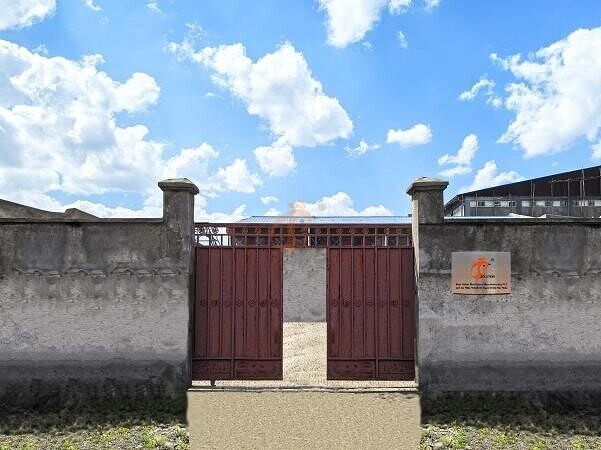
China Hebei Best Machinery And Equipment CO., LTD
Nigeria Vanke Machinery And Equipment CO., LTD
Tanzania Best Machinery And Equipment CO., LTD
Ethiopia Best Hebei Machinery Manufacturing PLC
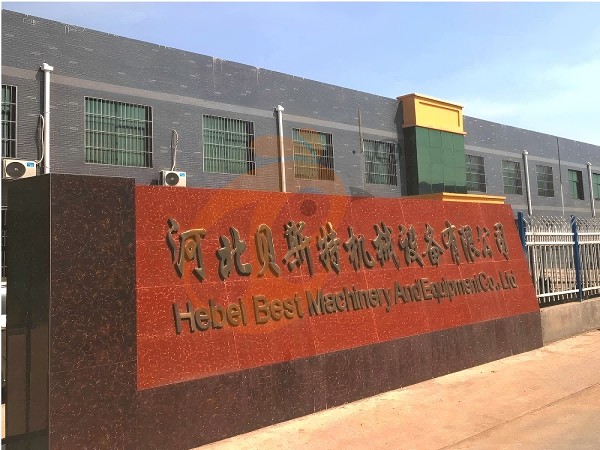
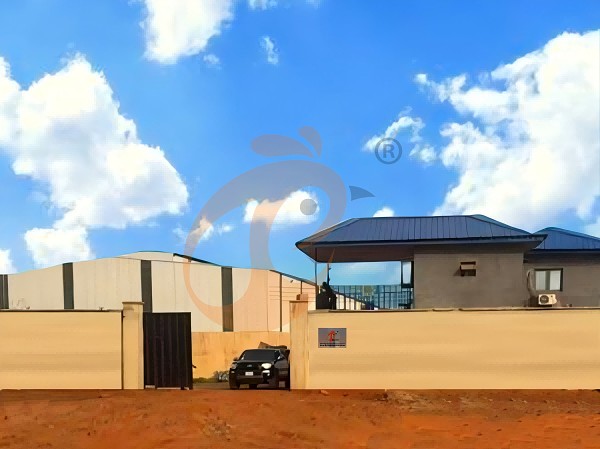
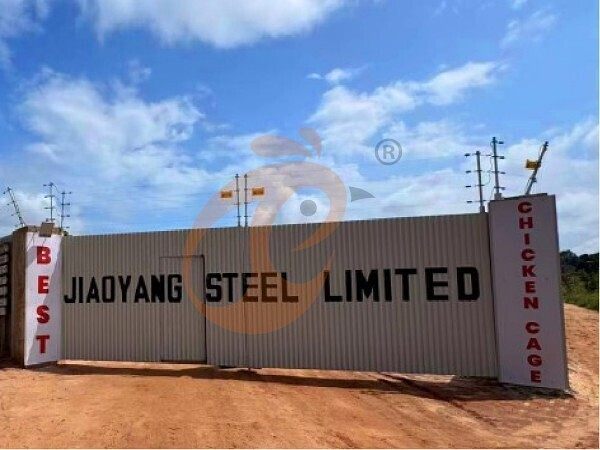
Reception /24 WhatsApp NO. : +8618830120193
PRODUCTS RECOMMENDED
 China Branch Manufacture Poultry Farm EquipmentRead More
 Ethiopia Branch Manufacture Poultry Farm EquipmentRead More
 Nigeria Branch Manufacture Poultry Farm EquipmentRead More
 Tanzania Branch Manufacture Poultry Farm EquipmentRead More
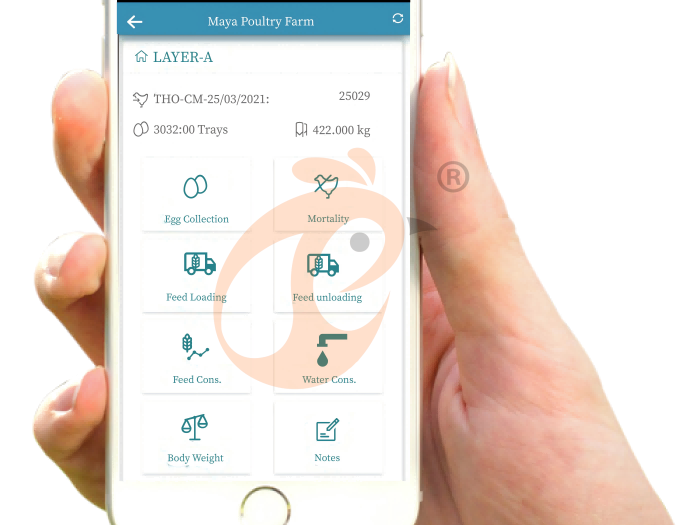
 IoT Smart Poultry FarmRead More
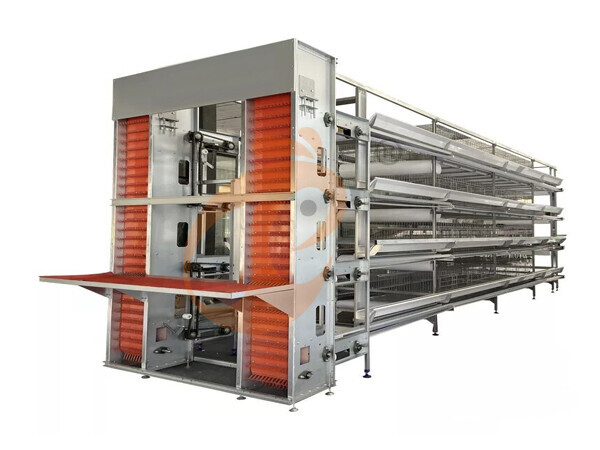
 >30,000 Layers Automatic H Type Battery CageRead More
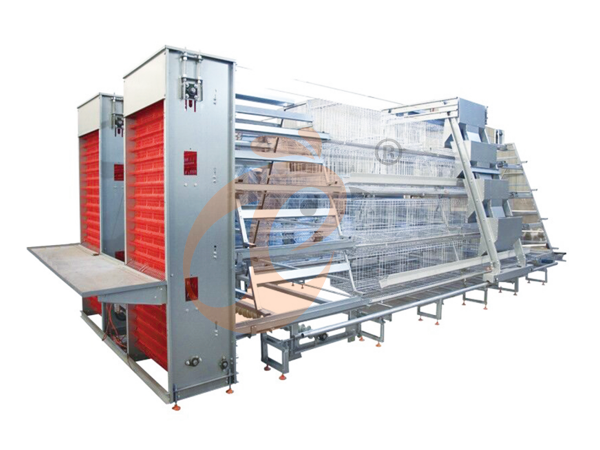
 10,000 - 30,000 Layers Automatic A Type Battery CageRead More
MESSAGE
NEWS
 50,000 - 100,000 chickens/house: poultry farm solution, chicken cage, poultry farm equipment, AI smart managementRead More
 30,000 - 50,000 chickens/house: poultry farm solution, chicken cage, poultry farm equipment, AI smart managementRead More
 10,000 - 30,000 chickens/house: poultry farm solution, chicken cage, poultry farm equipment, AI smart managementRead More
 100 - 10,000 chickens/house: poultry farm solution, chicken cage, poultry farm equipment, AI smart managementRead More