

NEWS
Poultry equipment improves poultry farming efficiency through feeding automation, water system control, ventilation optimization, and digital monitoring systems.
Modern poultry farming integrates poultry equipment systems to reduce operational losses and stabilize production cycles across broiler and layer operations.
Environmental regulation systems enhance bird health conditions by controlling airflow, gas concentration, and humidity balance inside poultry houses.
Automated poultry equipment supports labor reduction, improves flock uniformity, and stabilizes production output under intensive farming conditions.
Investment in poultry equipment solutions enables measurable improvements in feed utilization, mortality reduction, and long-term production efficiency across commercial farms.
Get professional poultry farm construction guidance, equipment selection solutions, and the latest price lists, whatsApp to +8618830120193, click to learn more:
Why Poultry Equipment Matters For Farm Productivity
Every stage of poultry production relies on equipment.
Feed delivery, water distribution, climate control, manure handling, and data collection all influence flock performance.
Even small inefficiencies can accumulate into significant losses over an entire production cycle.
For example, minor feed wastage, uneven water access, or poor airflow can negatively affect growth rates and increase production costs.
Data is for reference only.Swipe horizontally to view full table.
When equipment operates efficiently, these production targets become easier to achieve.
Practical Method Upgrade To Automatic Feeding Systems
Feed represents the largest expense in poultry production.
Even a small reduction in feed waste can generate substantial savings over time.
Automatic feeding systems distribute feed uniformly throughout the poultry house, ensuring consistent access for all birds.
Data is for reference only.Swipe horizontally to view full table.
Birds tend to compete less when feed is distributed evenly.
Reduced competition lowers stress levels, supports stronger immune function, and contributes to more consistent weight gain throughout the flock.
Practical Method Install Efficient Drinking Systems
Water is involved in nearly every biological process inside a bird's body, including digestion, nutrient transport, temperature regulation, and waste removal.
Modern drinking systems improve water availability while reducing contamination and wastage.
Data is for reference only.Swipe horizontally to view full table.
Science Insight
Poor water quality can significantly reduce feed intake. Birds typically consume 1.6–2.0 times more water than feed weight ratio, making water system stability a core production factor.
Practical Method Optimize Ventilation And Climate Control
Environmental conditions directly influence poultry health and production performance.
Modern ventilation systems regulate airflow, remove excess heat, reduce airborne contaminants, and maintain suitable house conditions.
Data is for reference only.Swipe horizontally to view full table.
Excess carbon dioxide reduces oxygen availability inside poultry houses.
Stable air exchange systems maintain respiratory efficiency and improve metabolic performance.
Practical Method Use Automated Egg Collection Systems
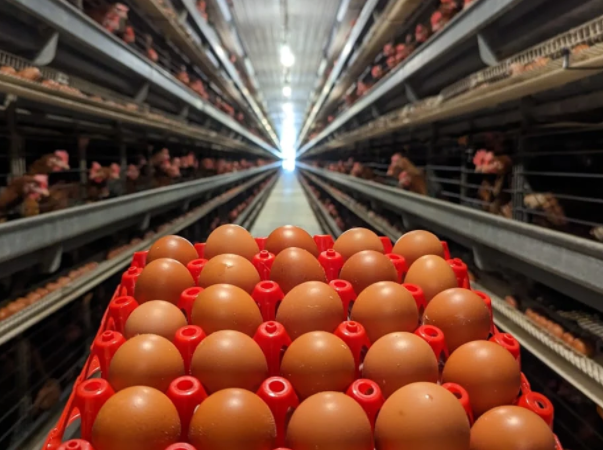
Egg collection can become labor-intensive and time-consuming, especially in large layer operations.
Automated egg collection systems transport eggs directly to centralized processing areas while minimizing handling.
Data is for reference only.Swipe horizontally to view full table.
Automated systems are particularly beneficial for farms housing more than 20,000 laying hens.
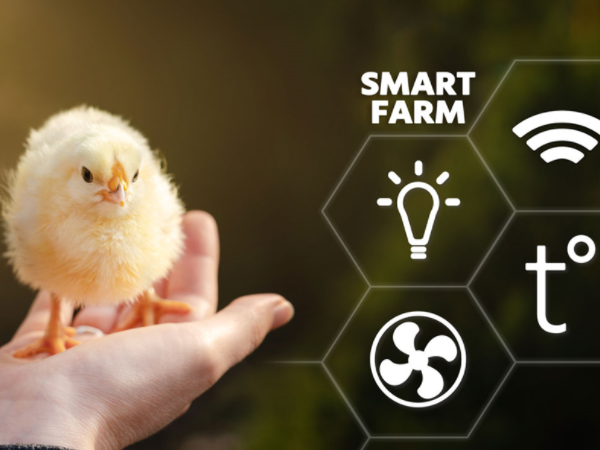
Practical Method Adopt Smart Monitoring Technologies
Precision livestock farming is becoming increasingly common across the poultry industry.
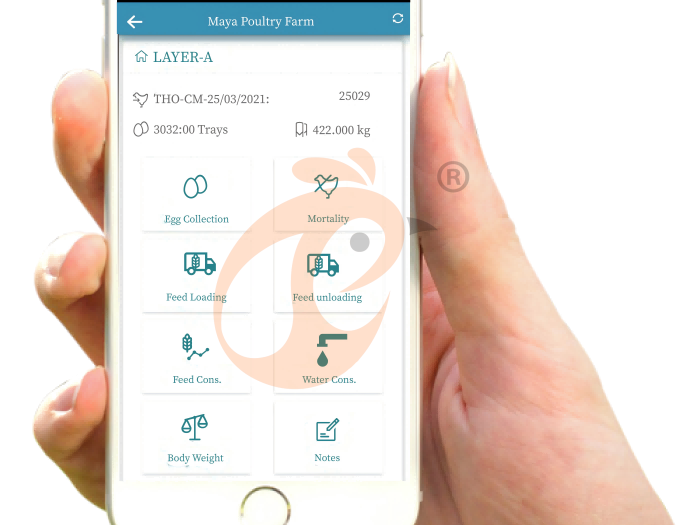
Sensors and monitoring devices provide real-time information that helps farmers identify issues before they affect production.
Data is for reference only.Swipe horizontally to view full table.
Real-time information enables faster decision-making and reduces the likelihood of unnoticed equipment failures.
Practical Method Establish Preventive Maintenance Program
Equipment performance declines when maintenance is neglected.
Preventive maintenance minimizes unexpected breakdowns and extends equipment lifespan.
Data is for reference only.Swipe horizontally to view full table.
Regular maintenance improves reliability and reduces emergency repair expenses.
Frequently Asked Questions
Q1: How does poultry equipment improve production stability?
Equipment stabilizes feed delivery and environmental conditions.
Broiler systems maintaining 1.55 FCR often show consistent growth curves across cycles.
Q2: What is the most important poultry equipment for efficiency improvement?
Feeding and drinking systems contribute most to efficiency gains.
Combined systems can reduce operational loss by 18–22 percent per cycle.
Q3: How often should poultry equipment be maintained?
Critical systems require weekly or monthly inspection cycles.
Ventilation fans typically require servicing every 30 operational days.
Taiyu (HK) Group - One Of China Biggest Poultry Equipment Manufacturer
Poultry equipment integrated system supports broiler and layer farm automation projects with controlled engineering standards.
Global factory direct supply chain supports cost optimization and stable equipment delivery scheduling for international projects.
Turn-key poultry equipment engineering services include design, installation, commissioning, and operational training support systems.
Advanced poultry equipment manufacturing capability ensures scalable production for large commercial farming infrastructure development projects.
Export-oriented poultry equipment solutions cover Asia, Middle East, and South America market requirements with technical compliance.
Contact Us To Received Your Customized Poultry Farm Plan
Headquarters And Branchs
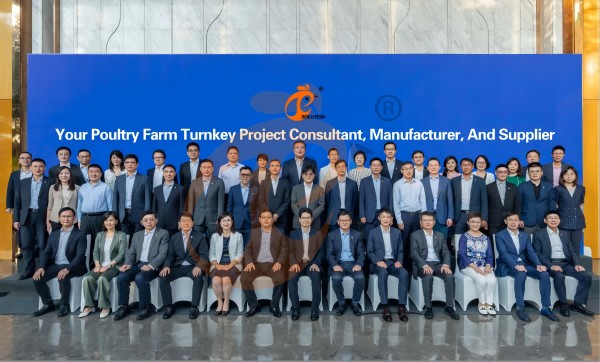
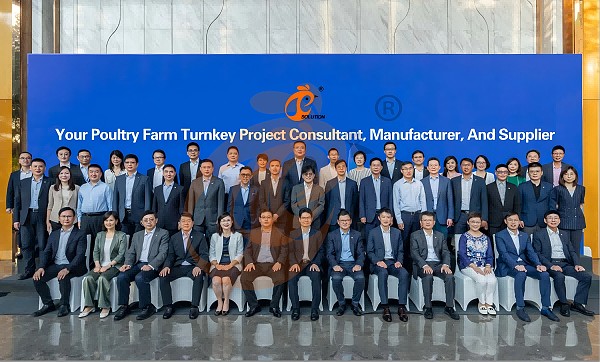
Hong Kong Headquarter Management Team
Hong Kong Headquarter Taiyu Industrial Group CO., LTD
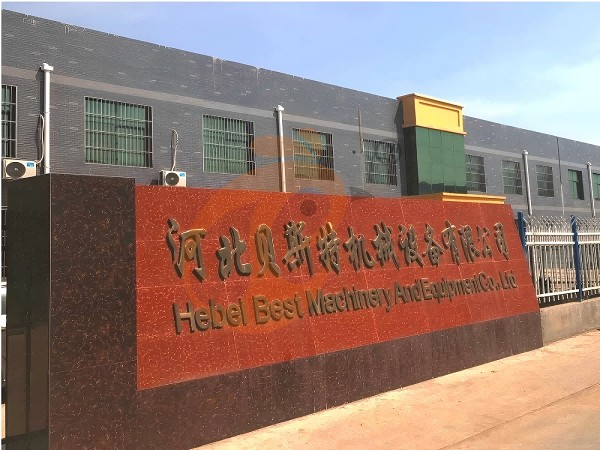
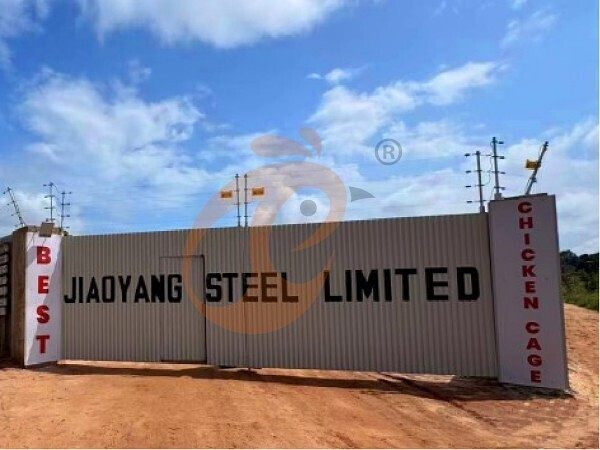
China Hebei Best Machinery And Equipment CO., LTD
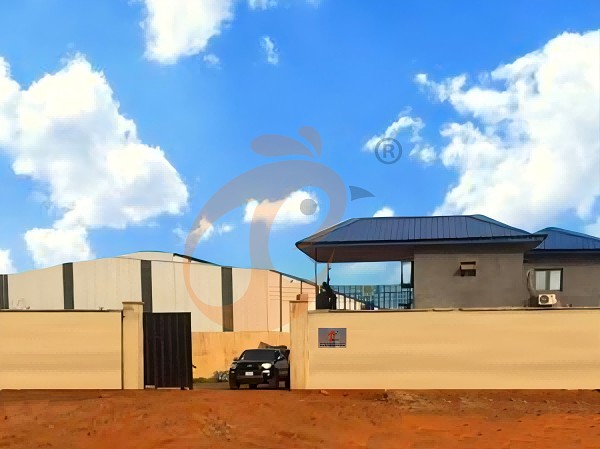
Nigeria Vanke Machinery And Equipment CO., LTD
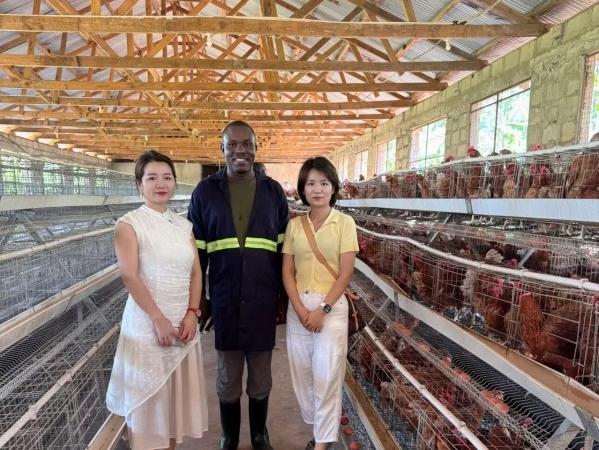
Tanzania Best Machinery And Equipment CO., LTD
Ethiopia Best Hebei Machinery Manufacturing PLC

Reception /24 WhatsApp NO. : +8618830120193
PRODUCTS RECOMMENDED
 China Branch Manufacture Poultry Farm EquipmentRead More
 Ethiopia Branch Manufacture Poultry Farm EquipmentRead More
 Nigeria Branch Manufacture Poultry Farm EquipmentRead More
 Tanzania Branch Manufacture Poultry Farm EquipmentRead More
 IoT Smart Poultry FarmRead More
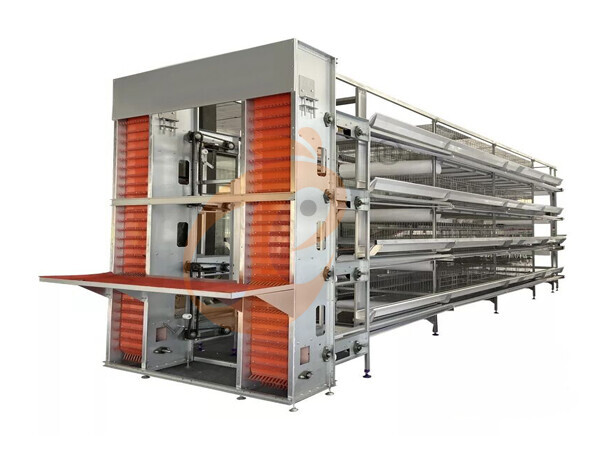
 >30,000 Layers Automatic H Type Battery CageRead More
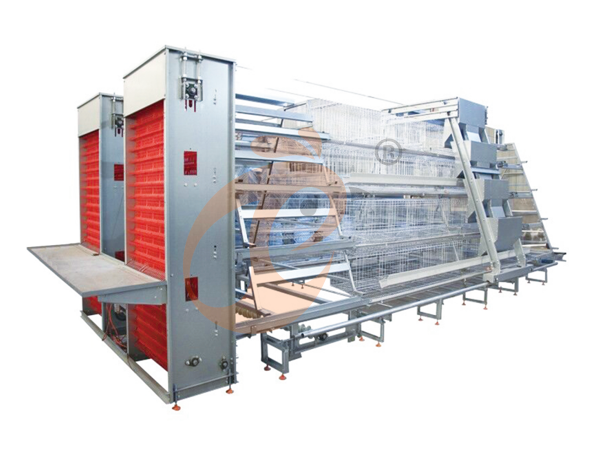
 10,000 - 30,000 Layers Automatic A Type Battery CageRead More
MESSAGE
NEWS
 50,000 - 100,000 chickens/house: poultry farm solution, chicken cage, poultry farm equipment, AI smart managementRead More
 30,000 - 50,000 chickens/house: poultry farm solution, chicken cage, poultry farm equipment, AI smart managementRead More
 10,000 - 30,000 chickens/house: poultry farm solution, chicken cage, poultry farm equipment, AI smart managementRead More
 100 - 10,000 chickens/house: poultry farm solution, chicken cage, poultry farm equipment, AI smart managementRead More