

NEWS
Floor rearing system lighting, poultry lighting system, and LED poultry lighting solutions improve flock welfare, environmental consistency, and production efficiency throughout every growth stage.
Balanced illumination programs help regulate feeding behavior, resting cycles, movement patterns, and environmental adaptation under floor rearing conditions.
Practical lighting parameters, measurable operational values, and equipment specifications provide reliable guidance for daily poultry house management.
Coordinated lighting, ventilation, and facility planning contribute to healthier birds, improved uniformity, and long-term production stability.
Technical recommendations throughout every section assist producers in developing sustainable management strategies supported by measurable operating data.
Get professional poultry farm construction guidance, equipment selection solutions, and the latest price lists, whatsApp to +8618830120193, click to learn more:
Understand The Role Of Lighting In Floor Rearing
Birds use light as a signal to regulate feeding, drinking, resting, and hormone secretion.
During early life, longer light exposure encourages chicks to locate feeders and drinkers more easily.
As birds mature, carefully controlled dark periods become equally important because adequate rest supports skeletal development, muscle recovery, and immune function.
Unlike humans, chickens can perceive ultraviolet wavelengths and detect subtle changes in light flicker.
Stable illumination helps reduce unnecessary movement and minimizes stress caused by sudden environmental changes.
Data is for reference only. Swipe horizontally to view full table.
Select An Appropriate Light Intensity
Light intensity affects bird activity levels throughout the production cycle.
Excessive brightness may increase movement, feather pecking, and energy consumption, while insufficient illumination can reduce feeding frequency and lead to uneven flock growth.
Many commercial farms begin brooding with brighter lighting to encourage chick activity before gradually reducing intensity as birds become familiar with their environment.
Consistent LED poultry lighting solutions also improve illumination stability across the poultry lighting system and reduce unnecessary bird congregation beneath individual fixtures.
Consistency across the entire house is equally important because uneven illumination often causes birds to gather in brighter locations, creating overcrowding and uneven litter conditions.
Data is for reference only. Swipe horizontally to view full table.
Educational Insight
Light uniformity is just as important as brightness.
Shadows around feeders or drinkers may discourage weaker birds from accessing resources, increasing body weight variation within the flock.
Develop A Stable Photoperiod Schedule
Poultry require both active and resting periods to maintain healthy metabolism.
Continuous lighting throughout the day was once common in commercial production, but research has demonstrated that scheduled darkness improves leg strength, reduces metabolic disorders, and encourages more natural resting behavior.
Rather than making sudden changes, lighting duration should be adjusted gradually over several days.
Automatic lighting controllers help maintain consistent timing and reduce human error.
Data is for reference only. Swipe horizontally to view full table.
A stable lighting schedule also simplifies daily management because feeding, ventilation, and environmental monitoring can be synchronized with predictable bird activity.
Reliable poultry lighting system programming also reduces unnecessary environmental fluctuations during every production cycle.
Choose Suitable LED Lighting Equipment
LED technology has become the preferred lighting solution for modern poultry houses because of its energy efficiency, long service life, and flexible brightness adjustment.
Compared with older incandescent or fluorescent lamps, LEDs generate less heat while delivering more consistent illumination.
Many commercial fixtures also support dimming functions that allow gradual sunrise and sunset simulation, helping birds transition smoothly between active and resting periods.
Data is for reference only. Swipe horizontally to view full table.
Educational Insight
Gradual dimming over several minutes allows birds to settle naturally before darkness.
Abrupt lights-off events may trigger panic flights, increasing the risk of piling and injury.
Maintain Uniform Light Distribution
Even if average light intensity meets production targets, poor distribution can create management problems.
Uneven lighting encourages birds to cluster beneath brighter fixtures while avoiding darker sections of the house.
Lighting layout should be planned together with feeder lines, drinker lines, and ventilation equipment.
Ceiling height, reflector design, and fixture spacing all influence final light distribution across the litter surface.
Routine monitoring with a calibrated lux meter at multiple locations helps identify dark zones before they affect flock performance.
Data is for reference only. Swipe horizontally to view full table.
Maintaining balanced illumination encourages birds to spread evenly throughout the house, reducing localized litter moisture and improving environmental conditions.
Monitor Lighting Performance Regularly
Lighting systems require routine inspection throughout every production cycle.
Dust accumulation on lamp covers, electrical aging, and damaged fixtures gradually reduce light output even when lamps remain operational.
Regular cleaning and scheduled maintenance help preserve illumination consistency and reduce unexpected equipment failures.
Producers should verify lighting performance using portable measuring instruments rather than relying solely on visual observation.
Daily inspections should also include checking automatic timers, dimming controllers, emergency backup systems, and wiring connections to ensure uninterrupted operation.
A preventive maintenance schedule minimizes production risks while extending the service life of lighting equipment, ultimately lowering operating costs.
Investment in replacement components may range from USD 35 to USD 120 depending on equipment specifications.
European union standard reference only.
Coordinate Lighting With Ventilation And Temperature
Air quality, temperature, and ventilation all influence how birds respond to illumination.
For example, brighter conditions generally increase bird activity, which also raises oxygen demand and heat production.
If ventilation rates remain unchanged during periods of increased activity, litter moisture and ammonia concentration may rise.
Managers should synchronize lighting schedules with environmental control systems so that fresh air exchange matches bird movement.
During warmer seasons, ventilation capacity often needs to increase shortly before lights reach full intensity because birds become more active after the transition from darkness.
Data is for reference only. Swipe horizontally to view full table.
Reduce Stress Through Gradual Light Transitions
Sudden changes in lighting can startle poultry, causing unnecessary movement, collisions, and piling.
Modern lighting controllers allow producers to create smooth sunrise and sunset simulations by gradually adjusting brightness over several minutes.
Gradual transitions encourage birds to finish feeding, find resting areas, and settle naturally before darkness.
This approach is especially beneficial in large floor-rearing houses where thousands of birds respond simultaneously to lighting changes.
Data is for reference only. Swipe horizontally to view full table.
Regularly testing dimming programs ensures that lighting changes remain smooth throughout the production cycle.
Adapt Lighting Programs To Different Production Goals
Different poultry operations require different lighting strategies.
Broilers are typically managed to support efficient body weight gain, while replacement pullets require lighting programs that encourage uniform skeletal development before the laying period.
Commercial egg production also depends heavily on photoperiod management because reproductive hormones respond directly to day length.
Therefore, lighting schedules should always be adjusted according to production objectives rather than applying a single program to every flock.
Data is for reference only. Swipe horizontally to view full table.
Lighting influences endocrine activity through the bird's visual system.
Consistent daily schedules help maintain predictable physiological responses and improve flock uniformity.
Evaluate Lighting Performance With Production Indicators
The effectiveness of a lighting program should be evaluated using measurable production data instead of relying only on visual observations.
Recording flock performance allows managers to identify trends and optimize future lighting adjustments.
Useful indicators include feed conversion, body weight consistency, mortality, and water consumption.
Comparing these values across multiple production cycles provides valuable insight into whether lighting management is supporting overall performance.
Data is for reference only. Swipe horizontally to view full table.
Consistent recordkeeping enables evidence-based management decisions and helps identify opportunities for continuous improvement.
Common Lighting Management Mistakes
Even well-designed poultry houses can experience performance losses when lighting management is overlooked.
One common mistake is failing to clean light fixtures, which gradually reduces illumination without being immediately noticeable.
Another issue is inconsistent timer settings caused by power interruptions or controller errors.
Small daily variations in lighting schedules may disrupt bird routines over time.
Other avoidable problems include uneven fixture spacing, blocked lamps caused by dust accumulation, and delayed replacement of aging LED units.
Routine inspections throughout each flock cycle help prevent these issues before production performance declines.
Data is for reference only. Swipe horizontally to view full table.
Preventive maintenance is generally more economical than correcting production losses after lighting problems have already affected flock performance.
Future Trends In Floor Rearing Lighting Systems
Lighting technology continues to evolve alongside precision poultry farming.
Intelligent LED systems can now integrate with environmental controllers, allowing automatic adjustment based on bird age, production stage, and management schedules.
Some commercial facilities also use centralized monitoring platforms that record lighting performance together with ventilation, temperature, and energy consumption.
Future developments are expected to focus on data-driven lighting strategies that further enhance animal welfare, production efficiency, and energy conservation without increasing management complexity.
Frequently Asked Questions
Q1: What light intensity is suitable during the brooding period?
A1: Newly placed chicks generally respond well to approximately 35 lux during the first three days, followed by gradual adjustment according to age and management objectives.
Q2: Why should lighting transitions be gradual instead of immediate?
A2: A transition period of around 12–18 minutes allows birds to settle naturally, reducing sudden movement and improving overall flock stability.
Q3: How often should illumination levels be measured?
A3: Measuring illumination approximately every 30 days with a calibrated lux meter helps maintain consistent operating conditions throughout each production cycle.
Taiyu (HK) Group - One Of China Largest Floor Rearing System Lighting Manufacturer
Floor rearing system Lighting solutions include programmable LED fixtures, intelligent dimming controllers, waterproof electrical components, and integrated lighting layouts for modern poultry facilities.
Global factory-direct manufacturing supports stable product quality, efficient project delivery, and competitive engineering solutions for customers in multiple international markets.
Complete poultry equipment systems include feeding, drinking, ventilation, environmental control, manure removal, and automated monitoring technologies.
Professional Turn-key engineering services cover technical consultation, equipment configuration, installation guidance, commissioning, and after-sales operational support for commercial poultry projects.
Experienced engineering teams provide customized facility planning, electrical integration, production optimization, and lifecycle technical assistance for poultry farms of various capacities.
Contact Us To Received Your Customized Poultry Farm Plan
Headquarters And Branchs
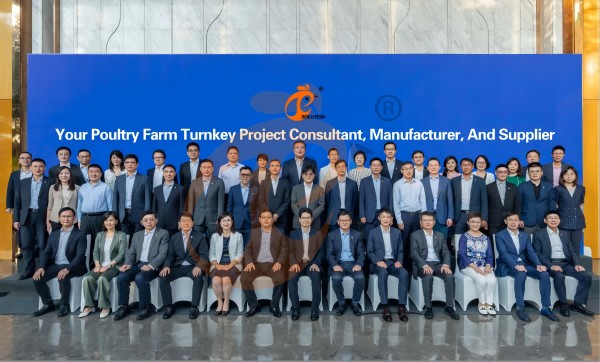
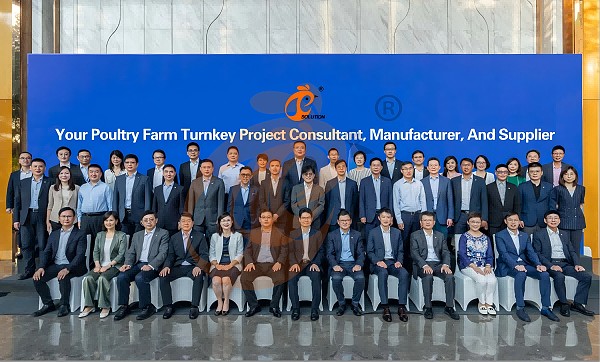
Hong Kong Headquarter Management Team
Hong Kong Headquarter Taiyu Industrial Group CO., LTD
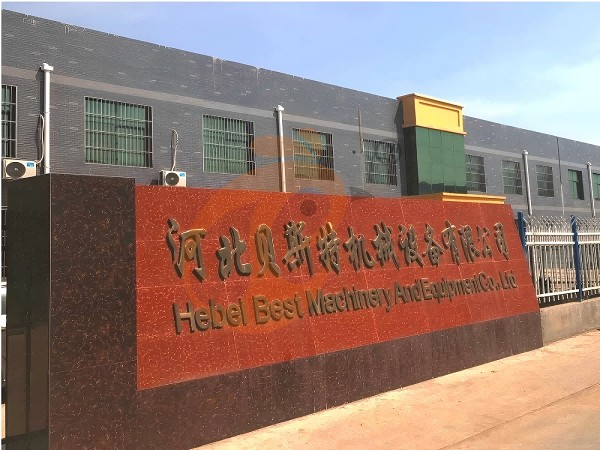
China Hebei Best Machinery And Equipment CO., LTD
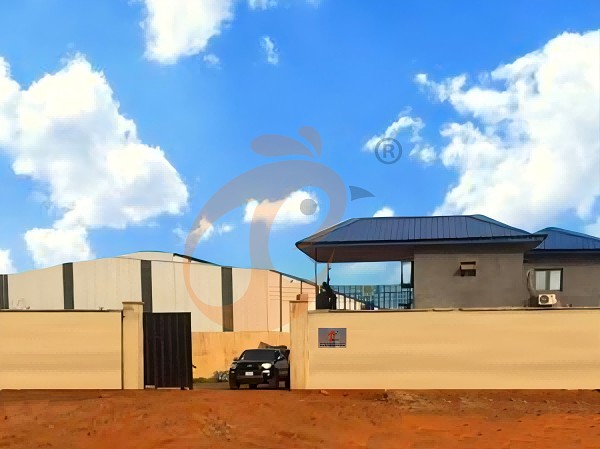
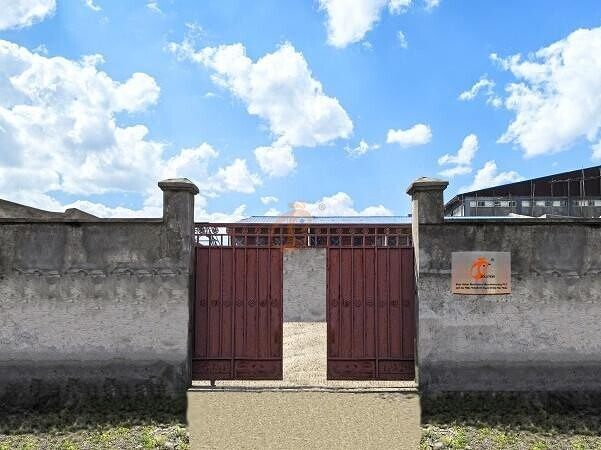
Nigeria Vanke Machinery And Equipment CO., LTD
Tanzania Best Machinery And Equipment CO., LTD
Ethiopia Best Hebei Machinery Manufacturing PLC

Reception /24 WhatsApp NO. : +8618830120193
PRODUCTS RECOMMENDED
 China Branch Manufacture Poultry Farm EquipmentRead More
 Ethiopia Branch Manufacture Poultry Farm EquipmentRead More
 Nigeria Branch Manufacture Poultry Farm EquipmentRead More
 Tanzania Branch Manufacture Poultry Farm EquipmentRead More
 IoT Smart Poultry FarmRead More
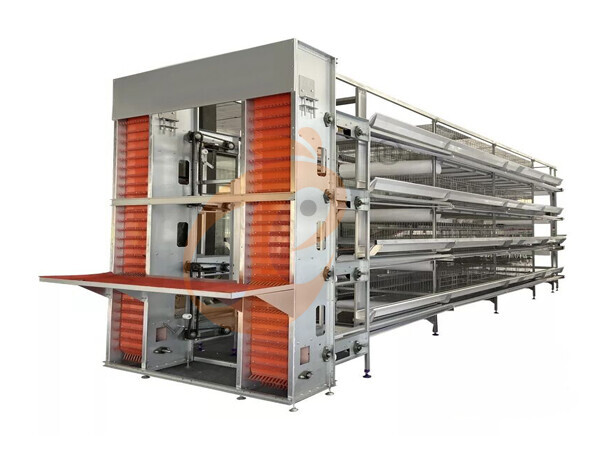
 >30,000 Layers Automatic H Type Battery CageRead More
 10,000 - 30,000 Layers Automatic A Type Battery CageRead More
MESSAGE
NEWS
 50,000 - 100,000 chickens/house: poultry farm solution, chicken cage, poultry farm equipment, AI smart managementRead More
 30,000 - 50,000 chickens/house: poultry farm solution, chicken cage, poultry farm equipment, AI smart managementRead More
 10,000 - 30,000 chickens/house: poultry farm solution, chicken cage, poultry farm equipment, AI smart managementRead More
 100 - 10,000 chickens/house: poultry farm solution, chicken cage, poultry farm equipment, AI smart managementRead More