

NEWS
- Broiler chicken cages define commercial production efficiency, with 2–4 cage levels supporting scalable layouts and 20–35 kg/m² stocking density.
Multi-tier broiler cages convert unused building height into production space, with 4.5–7.0 m recommended house height and 1.0–3.5 m vertical installation zones.
Automatic broiler cage systems reduce repetitive operations through controlled feeding and drinking, with 4–10 feeding cycles daily and 1.5–3.0 bar water pressure.
Structural quality influences operating reliability, with q235/q345 steel and 60–100 μm galvanized coatings supporting demanding poultry-house environments.
- Complete poultry equipment engineering connects cages, feeding, drinking, manure handling, ventilation, and controls into one scalable production platform for commercial farms worldwide.
Get professional poultry farm construction guidance, equipment selection solutions, and the latest price lists, whatsApp to +8618830120193, click to learn more:
Production Capacity Comparison
Data is for reference only.Swipe horizontally to view full table.
Space Utilization: Where Multi-Tier Systems Win
Data is for reference only.Swipe horizontally to view full table.
The Equipment Makes The Difference
System formula
Broiler chicken cages + automatic feeding + nipple drinking + manure removal + environmental control = integrated production equipment.
Automatic feeding can use a 60–100 mm feed-trough width, while nipple drinking lines can be positioned according to cage configuration and bird requirements.
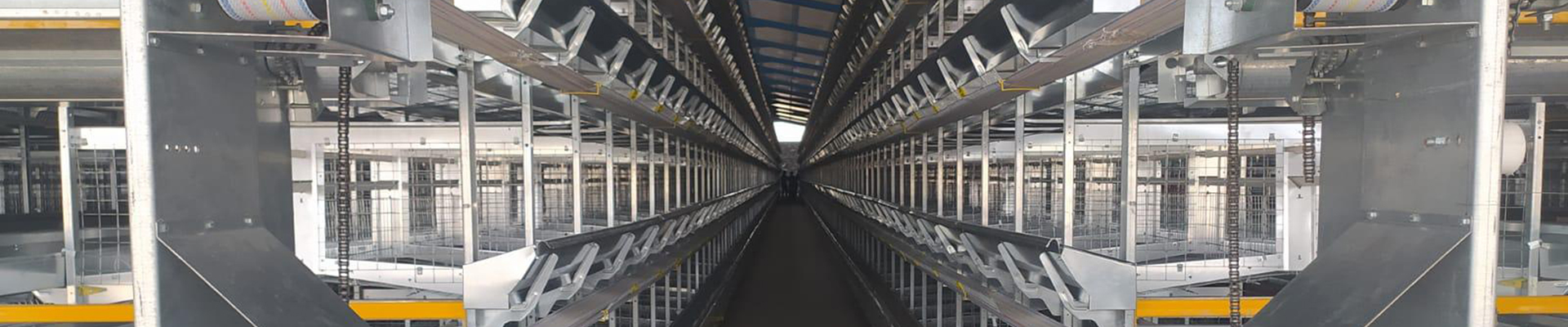
A complete automatic broiler cage system can combine feeding lines, drinking systems, manure belts, ventilation, cooling, controllers, lighting, and weighing equipment within one project.
Equipment checklist
Automatic feeding lines
Nipple drinking systems
Manure removal belts
Ventilation equipment
Cooling systems
Environmental controllers
Lighting systems
Automatic weighing equipment
Automation Comparison: Which System Saves More Labor?
Data is for reference only.Swipe horizontally to view full table.
Automation becomes increasingly valuable as cage levels increase, because centralized systems can service multiple levels without equivalent manual movement.
For commercial broiler chicken cages, centralized electrical cabinets can coordinate feeding, drinking, ventilation, and environmental functions from one operating point.
Investment: Is Multi-Tier More Expensive?
Cost lens
Initial equipment → structural investment → automation configuration → operating efficiency → long-term production value.
Multi-tier systems normally require additional structural frames, drive components, manure-management equipment, and installation work, with q235 structural steel providing a commonly specified commercial material grade.
The investment decision should therefore consider production capacity, labor requirements, maintenance frequency, and equipment service life rather than purchase price alone.
European union standard reference only: any project involving European-market equipment should also verify applicable local electrical, structural, machinery, and animal-welfare requirements.
Investment And Structural Specification
Data is for reference only.Swipe horizontally to view full table.
Why Cage Material Matters More Than It Looks
Engineering note
A commercial cage operates under moisture, dust, manure, feed particles, and repeated cleaning conditions, making material treatment an important part of broiler chicken cages engineering.
A zinc coating of approximately 60–100 g/m² can improve corrosion resistance, while automated welding with ±1.0 mm dimensional tolerance helps maintain consistent cage-panel geometry.
Manufacturing focus
Wire diameter → welding accuracy → galvanizing quality → structural alignment → component interchangeability.
These manufacturing controls help automatic broiler cage systems maintain predictable assembly and replacement requirements across repeated production cycles.
A Simple Decision Matrix For Farm Owners
Data is for reference only.Swipe horizontally to view full table.
Why Choose A Professional Broiler Cage Manufacturer?
Project engineering sequence
House drawing → capacity calculation → broiler chicken cages configuration → feeding layout → drinking layout → manure system → ventilation coordination → installation.
An engineering team can calculate airflow requirements using an air-exchange target of 0.5–1.5 m/s, while cooling equipment can be selected according to climate and building conditions.
For automatic broiler cage systems, manufacturing precision also simplifies installation and future replacement of feeders, nipples, belts, motors, and structural components.
The commercial objective is a customized equipment configuration rather than forcing every poultry house into one standard cage layout.
Final Verdict: Which Cage System Boosts Production?
Data is for reference only.Swipe horizontally to view full table.
Decision
For commercial farms seeking greater output from a fixed building footprint, multi-tier broiler chicken cages provide a scalable equipment solution.
Single-tier systems remain appropriate where building height or project complexity is restricted, while multi-tier configurations better support expansion-oriented operations.
The final selection should combine cage configuration with feeding, drinking, manure handling, ventilation, and automation requirements rather than comparing cage purchase prices alone.
Frequently Asked Questions
Q1: What is the main advantage of multi-tier broiler cages?
A1: Multi-tier broiler chicken cages use vertical building volume through 2–4 cage levels, allowing production capacity to expand without automatically expanding the floor footprint.
Q2: Are single-tier broiler cages suitable for commercial farms?
A2: Yes, single-tier broiler chicken cages remain practical for projects using approximately 3.0–4.0 m building heights and requiring simpler equipment arrangements.
Q3: What equipment should be integrated with broiler cage systems?
A3: An automatic broiler cage system should coordinate feeding, nipple drinking, manure removal, ventilation, cooling, and environmental control, with feeder delivery commonly configured around 18–36 m/min.
Taiyu (HK) Group - One Of China Toppest Broiler Chicken Cages Manufacturer
Broiler chicken cages use engineered galvanized structures, with 2–4 levels and 400–500 mm cage height per level for scalable commercial broiler production.
Global factory-direct supply covers poultry equipment manufacturing, component integration, quality inspection, and international project coordination under one technical supply structure.
Turn-key engineering supports house layout analysis, equipment configuration, automatic feeding, nipple drinking, manure handling, ventilation, cooling, and environmental-control integration.
Project delivery can cover equipment production, loading coordination, installation guidance, commissioning support, and technical documentation for overseas poultry-house projects.
Customized engineering aligns cage dimensions, automation configuration, electrical requirements, building geometry, and target capacity with specific farm investment plans.
Contact Us To Received Your Customized Poultry Farm Plan
Headquarters And Branchs

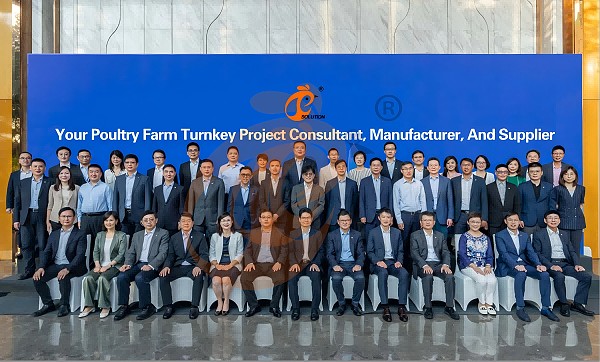
Hong Kong Headquarter Management Team
Hong Kong Headquarter Taiyu Industrial Group CO., LTD
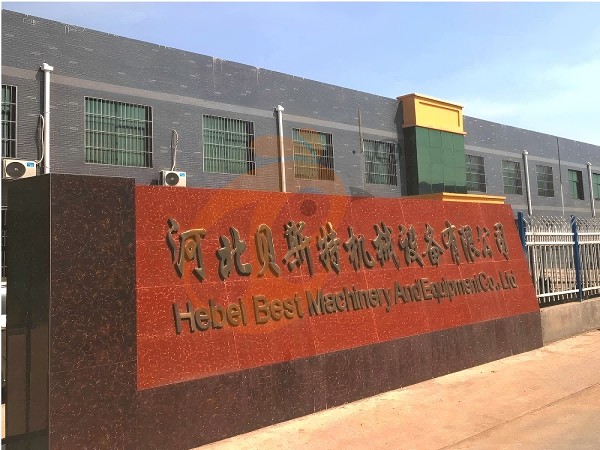
China Hebei Best Machinery And Equipment CO., LTD
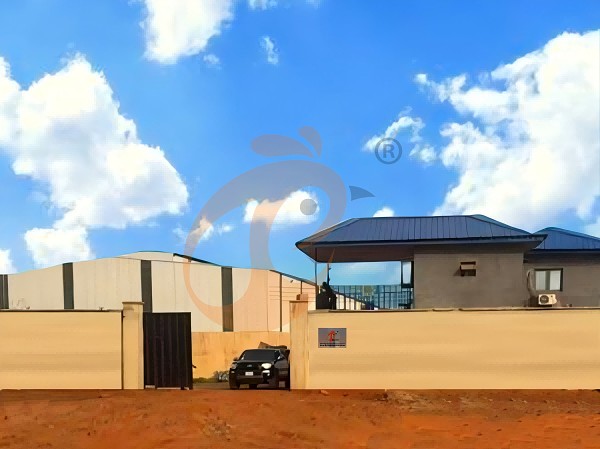
Nigeria Vanke Machinery And Equipment CO., LTD
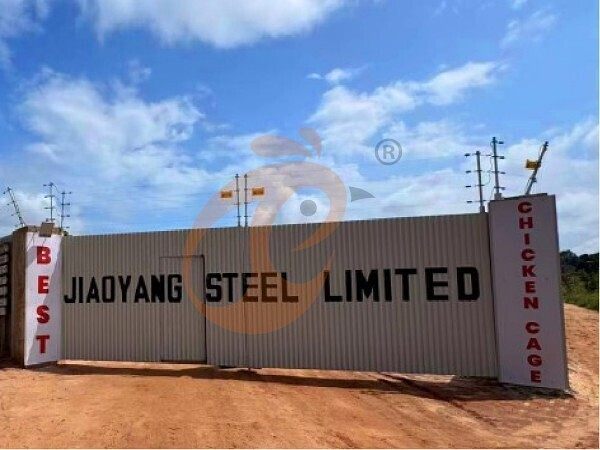
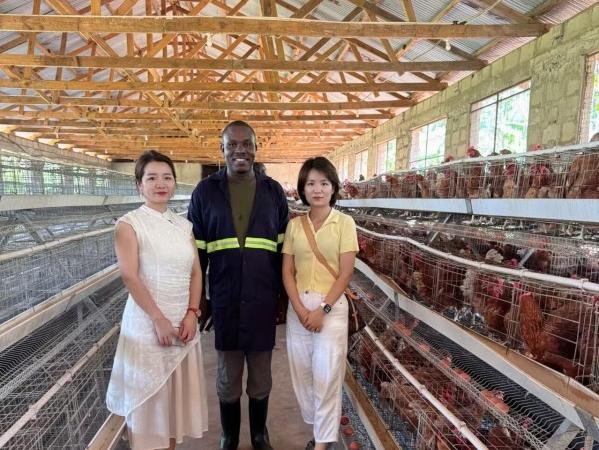
Tanzania Best Machinery And Equipment CO., LTD
Ethiopia Best Hebei Machinery Manufacturing PLC
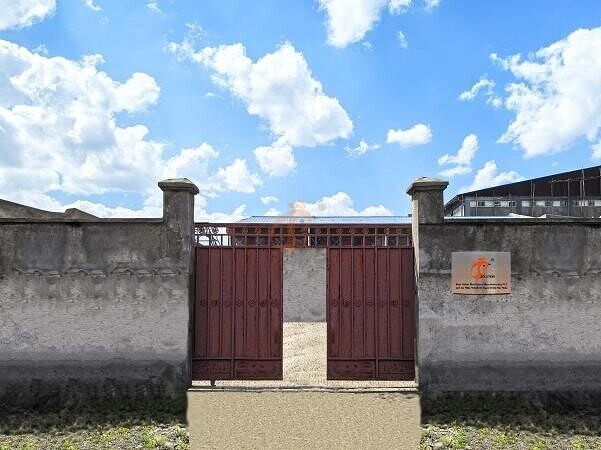
Reception /24 WhatsApp NO. : +8618830120193
PRODUCTS RECOMMENDED
 China Branch Manufacture Poultry Farm EquipmentRead More
 Ethiopia Branch Manufacture Poultry Farm EquipmentRead More
 Nigeria Branch Manufacture Poultry Farm EquipmentRead More
 Tanzania Branch Manufacture Poultry Farm EquipmentRead More
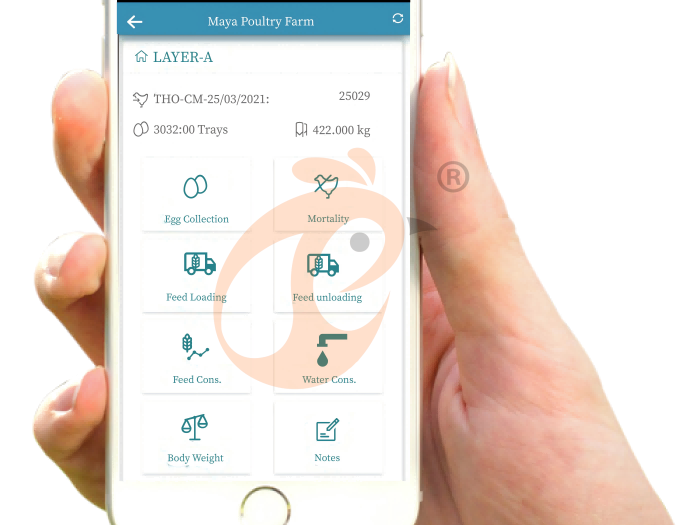
 IoT Smart Poultry FarmRead More
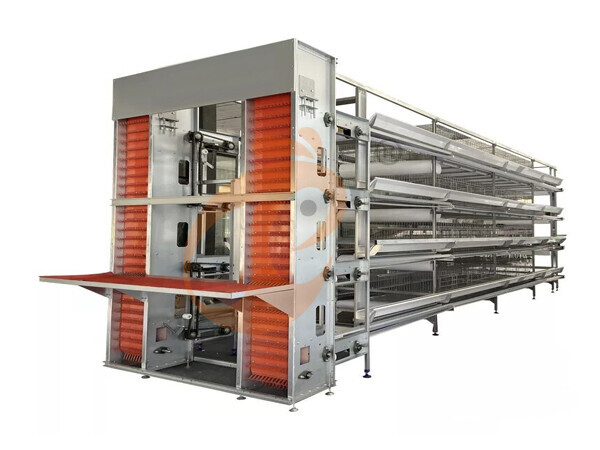
 >30,000 Layers Automatic H Type Battery CageRead More
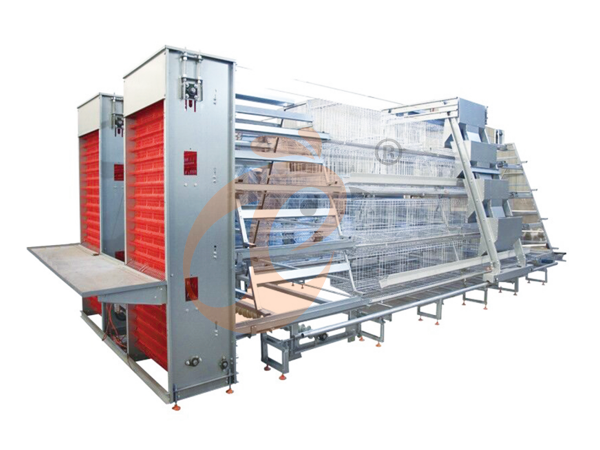
 10,000 - 30,000 Layers Automatic A Type Battery CageRead More
MESSAGE
NEWS
 50,000 - 100,000 chickens/house: poultry farm solution, chicken cage, poultry farm equipment, AI smart managementRead More
 30,000 - 50,000 chickens/house: poultry farm solution, chicken cage, poultry farm equipment, AI smart managementRead More
 10,000 - 30,000 chickens/house: poultry farm solution, chicken cage, poultry farm equipment, AI smart managementRead More
 100 - 10,000 chickens/house: poultry farm solution, chicken cage, poultry farm equipment, AI smart managementRead More