

NEWS
- Deep litter broiler farming equipment connects feeding, drinking, ventilation, cooling, heating, lighting, and environmental control into one commercial production system, with house widths commonly reaching 8–20 m.
Automatic broiler feeding equipment converts repetitive manual handling into scheduled delivery, supporting consistent feed access while commercial houses can extend 50–150 m.
Broiler ventilation equipment directly influences electrical consumption, litter condition, and climate stability, making airflow engineering important for houses operating across multiple seasonal conditions.
Broiler poultry equipment also links nipple drinking, cooling, sensors, alarms, and controllers, creating coordinated management around flock requirements and daily operating targets.
- Proper equipment selection therefore turns deep litter investment into an integrated engineering decision covering capacity, labor, energy, maintenance, and long-term production efficiency.
Get professional poultry farm construction guidance, equipment selection solutions, and the latest price lists, whatsApp to +8618830120193, click to learn more.
Cost Map: Where The Money Actually Goes
Data is for reference only.Swipe horizontally to view full table.
Deep litter broiler farming equipment planning must connect house construction, automation, and operating requirements, while a 1,000 m² floor area creates a different equipment budget from a 2,500 m² facility.
Reference figures remain project-dependent, while commercial broiler equipment can be configured around regional labor rates, climate requirements, and production schedules.
House Design Sets The Equipment Budget
Planning sequence
House drawing → bird capacity → equipment layout → power design → installation → commissioning
Deep litter broiler farming equipment should be positioned before civil construction, allowing 4–6 m service clearances around critical maintenance zones.
Automatic broiler feeding equipment, drinking lines, exhaust fans, sensors, and controllers require coordinated openings, electrical routes, and water pipelines before concrete installation.
Commercial systems can also accommodate 220/380 v configurations and multi-stage environmental control, reducing later modification requirements.
House Investment Table: Structure + Climate Shell
Data is for reference only.Swipe horizontally to view full table.
Deep litter broiler farming equipment depends on structural planning that accommodates installation, inspection, and future replacement without major rebuilding.
Broiler ventilation equipment requires reserved fan openings and service routes, while feed-silo positioning can be planned around vehicle access distances of approximately 6–12 m.
Factor #1 — House Design Sets The Equipment Budget
A commercial poultry house should be treated as an equipment platform rather than simply a building shell.
Automatic broiler feeding equipment, nipple drinking systems, tunnel fans, cooling pads, sensors, and controllers each require defined operating zones and installation routes.
A 1,200 m² house and a 3,000 m² house demand different line arrangements, power distribution, and equipment quantities.
Deep litter broiler farming equipment becomes more economical when equipment positioning is finalized before roofing, wall openings, and electrical conduits are completed.
Ventilation Equipment Table: Match Airflow To The House
Data is for reference only.Swipe horizontally to view full table.
Broiler ventilation equipment can be selected around a house length of 60–150 m and requires airflow distribution to match building geometry.
Deep litter broiler farming equipment should use staged ventilation during cooler periods and coordinated tunnel ventilation during warmer production conditions.
Automatic broiler feeding equipment also benefits from stable house airflow because consistent environmental conditions support predictable flock management.
Factor #2 — Ventilation Is An Operating-Cost Lever
Annual ventilation cost = fan operating hours × installed electrical load × electricity tariff
Broiler ventilation equipment should not simply maximize fan capacity, because excessive runtime can increase unnecessary electrical demand during transitional conditions.
A staged system can coordinate minimum ventilation, tunnel airflow, cooling pads, and inlet movement according to changing flock requirements.
Deep litter broiler farming equipment therefore treats airflow as an operating variable, with controller response intervals commonly measured in seconds rather than manual hourly adjustments.
The equipment selection question becomes straightforward: can automatic controls match airflow demand without requiring continuous manual intervention?
Feeding Automation Converts Labor Into Capacity
Buyer test
Feed delivery → scheduled operation → consistent access → reduced handling → system monitoring
Automatic broiler feeding equipment changes repetitive feed handling into scheduled mechanical operation, making labor allocation more predictable across multiple houses.
Commercial feed-line systems can operate around 0.75–1.5 kw motor configurations, while suitable line arrangements depend on house length and hopper positioning.
Deep litter broiler farming equipment should combine silo, hopper, auger, drive motor, pan arrangement, and controller as one engineered feeding package.
Feeding Equipment Table: Capacity Determines Automation Value
Data is for reference only.Swipe horizontally to view full table.
Automatic broiler feeding equipment should be calculated around feed-line geometry, flock size, and silo placement rather than motor power alone.
Deep litter broiler farming equipment can use multiple feed lines when house width exceeds approximately 14 m, helping distribute feed delivery across separate operating zones.
Broiler poultry equipment selection should also consider feed characteristics, auger routing, maintenance access, and electrical protection.
Factor #3 — Feeding Automation Converts Labor Into Capacity
Manual feeding may appear inexpensive during small-scale production, but repetitive handling increases as flock numbers and house count expand.
Automatic broiler feeding equipment can operate through timers and sensors, shifting labor toward inspection, maintenance, and flock management.
A multi-house project may use 4–12 feed lines depending on building dimensions and bird capacity.
Deep litter broiler farming equipment becomes more valuable when feeding automation is engineered together with bulk storage rather than purchased as isolated machinery.
Drinking Equipment Protects Both Water Supply And Litter
Deep litter broiler farming equipment must treat water management as both a supply function and a litter-management function.
Nipple drinking equipment can reduce unnecessary floor wetting when pressure, line height, filtration, and water delivery are properly coordinated.
Commercial nipple systems commonly use stainless-steel components and adjustable pressure systems, while water pipelines can be divided into 2–6 independent sections.
Automatic broiler feeding equipment and drinking equipment should be positioned together during layout planning to simplify inspection and daily flock management.
Drinking System Table: Engineer The Water Line
Data is for reference only.Swipe horizontally to view full table.
Broiler poultry equipment water design should account for pipeline length, elevation differences, and cleaning intervals rather than relying only on nipple quantity.
Deep litter broiler farming equipment can divide water distribution into multiple zones, with independent pressure adjustment helping maintain consistent delivery across longer houses.
Automatic broiler feeding equipment should remain accessible for inspection without obstructing water-line maintenance paths.
Factor #4 — Drinking Equipment Protects Both Water Supply And Litter
Water management chain
Filtration → pressure regulation → nipple delivery → floor condition → litter management
Deep litter broiler farming equipment should minimize dripping through stable pressure management and correctly adjusted drinker-line height.
Broiler poultry equipment can incorporate dosing, filtration, pressure regulation, and independent water sections, creating a more controllable daily management process.
A well-planned drinking system can separate technical inspection into 20–40 m service sections, making fault identification more practical in long houses.
Climate Automation Determines Daily Stability
Temperature change → controller response → equipment activation → house condition → litter condition → labor requirement
Broiler ventilation equipment works most effectively when fans, inlets, cooling pads, sensors, and alarms operate through coordinated control logic.
Deep litter broiler farming equipment can integrate environmental sensors with multi-stage controllers, allowing operating decisions to follow measured house conditions rather than manual estimates.
Automatic broiler feeding equipment also benefits from stable climate conditions because predictable environmental management supports consistent daily production routines.
Climate Equipment Table: Build The Control Package
Data is for reference only.Swipe horizontally to view full table.
Broiler ventilation equipment should be customized according to house geometry, climate conditions, and production targets rather than copied from another installation.
Deep litter broiler farming equipment can integrate climate control across 8 or more operating stages, allowing equipment activation to follow measured environmental changes.
Automatic broiler feeding equipment should be included within the overall electrical and control architecture so maintenance teams can inspect connected systems efficiently.
Final Cost Strategy: Buy The System, Not The Components
Five-point engineering check
- House :can the structure support the planned equipment configuration?
- Ventilation: can airflow be staged according to flock requirements?
- Feeding: can feed delivery operate automatically with minimum manual handling?
- Drinking: can water delivery remain stable without creating unnecessary litter moisture?
- Climate: can fans, cooling, heating, sensors, and alarms work as one control system?
Deep litter broiler farming equipment should therefore be evaluated through capacity, automation, energy use, maintenance, and production management rather than purchase price alone.
Broiler poultry equipment becomes commercially valuable when feeding, drinking, ventilation, cooling, heating, lighting, and environmental control are engineered as one package.
Project quotations should include equipment layouts, electrical schedules, airflow calculations, water-line designs, control logic, spare-parts lists, and commissioning requirements.
All monetary figures above are European union standard reference only and should be recalculated against local construction, electricity, labor, and installation conditions.
Frequently Asked Questions
Q1: What is the main cost driver in deep litter broiler farming?
A1: Deep litter broiler farming equipment can influence several operating categories simultaneously, especially ventilation, feeding, drinking, and climate control.
A commercial house may require multiple automated systems, so equipment configuration should be calculated from floor area, flock capacity, and house geometry.
Q2: How does automatic feeding affect broiler farm cost?
A2: Automatic broiler feeding equipment converts repeated manual operations into scheduled mechanical delivery.
A system using 4–12 feed lines can significantly change labor organization across multi-house projects, although final configuration depends on building dimensions and flock size.
Q3: Why is ventilation equipment important for deep litter houses?
A3: Broiler ventilation equipment controls airflow distribution and works together with cooling, inlets, and environmental sensors.
Proper staging can prevent unnecessary equipment runtime while supporting stable house conditions during different production periods.
Taiyu (HK) Group - One Of China Toppest Deep Litter Broiler Farming Equipment Manufacturer
Deep litter broiler farming equipment integrates automatic feeding, nipple drinking, ventilation, cooling, heating, lighting, and environmental control, with commercial systems engineered around 8–20 m house widths and project-specific production capacity.
Global factory-direct poultry equipment is engineered through coordinated mechanical, electrical, water, ventilation, and control specifications, supporting standardized manufacturing for international farm projects.
Turn-key poultry equipment engineering covers project layout, equipment selection, installation planning, commissioning, and technical coordination from initial house drawings through production operation.
Poultry equipment manufacturing supports customized feeding lines, ventilation systems, drinking systems, cooling equipment, and climate controllers according to local voltage, climate, building dimensions, and production requirements.
Global project supply combines factory production, technical documentation, spare-parts planning, installation guidance, and after-sales engineering support for commercial broiler farm development.
Contact Us To Received Your Customized Poultry Farm Plan
Headquarters And Branchs

Hong Kong Headquarter Management Team
Hong Kong Headquarter Taiyu Industrial Group CO., LTD
China Hebei Best Machinery And Equipment CO., LTD
Nigeria Vanke Machinery And Equipment CO., LTD
Tanzania Best Machinery And Equipment CO., LTD
Ethiopia Best Hebei Machinery Manufacturing PLC




Reception /24 WhatsApp NO. : +8618830120193
PRODUCTS RECOMMENDED
 China Branch Manufacture Poultry Farm EquipmentRead More
 Ethiopia Branch Manufacture Poultry Farm EquipmentRead More
 Nigeria Branch Manufacture Poultry Farm EquipmentRead More
 Tanzania Branch Manufacture Poultry Farm EquipmentRead More
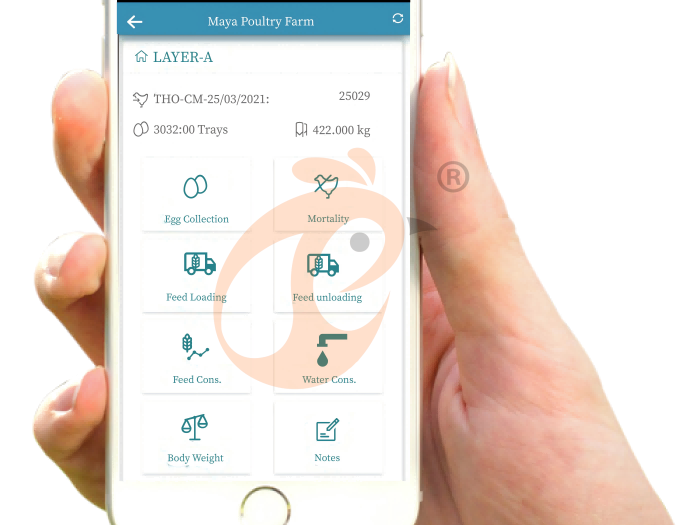
 IoT Smart Poultry FarmRead More
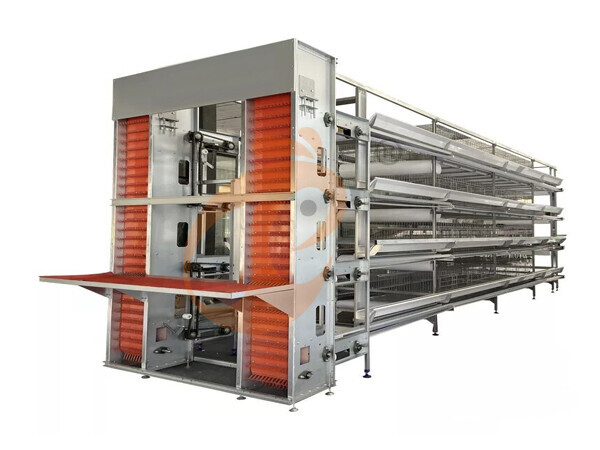
 >30,000 Layers Automatic H Type Battery CageRead More
 10,000 - 30,000 Layers Automatic A Type Battery CageRead More
MESSAGE
NEWS
 50,000 - 100,000 chickens/house: poultry farm solution, chicken cage, poultry farm equipment, AI smart managementRead More
 30,000 - 50,000 chickens/house: poultry farm solution, chicken cage, poultry farm equipment, AI smart managementRead More
 10,000 - 30,000 chickens/house: poultry farm solution, chicken cage, poultry farm equipment, AI smart managementRead More
 100 - 10,000 chickens/house: poultry farm solution, chicken cage, poultry farm equipment, AI smart managementRead More