

NEWS
- Battery cage for layers combines cage capacity, automation, and building utilization into one production decision, with projects often planned around 60,000 layers and 52,800 eggs daily.
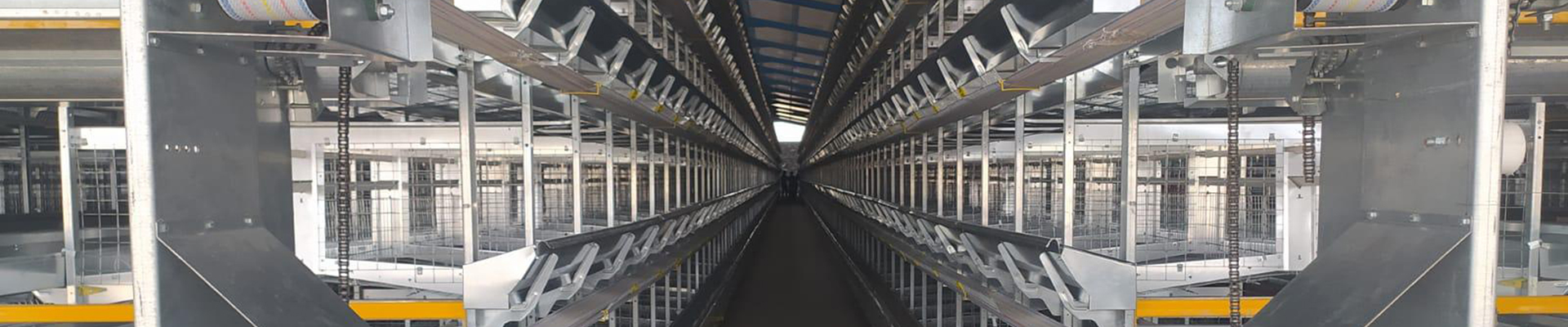
Multi-tier layer cage converts vertical house volume into additional production positions, while 96 m building lengths demonstrate how equipment layout affects commercial capacity.
Single-tier layer cage supports straightforward access and installation, with 3.2 m internal equipment clearance suitable for selected smaller-scale projects.
Feeding, watering, egg collection, manure handling, and controls determine operational efficiency, with 18-minute feed cycles and 4-hour inspection intervals illustrating integrated management.
- Structural design, automation, installation, and service planning ultimately determine equipment value, making battery cage for layers selection a technical commercial decision rather than a simple cage comparison.
Get professional poultry farm construction guidance, equipment selection solutions, and the latest price lists, whatsApp to +8618830120193, click to learn more.
Core Cage Structure Comparison
Data is for reference only.Swipe horizontally to view full table.
Battery cage for layers structure determines installation stability and long-term operating alignment, while a commercial frame may use a 3.0 mm base plate and m12 expansion bolts for floor fixation.
Multi-tier layer cage projects require coordinated structural engineering because multiple production levels transfer loads through connected support frames.
Single-tier layer cage installations generally involve fewer vertical connections, making site assembly more direct while retaining compatibility with automated poultry equipment.
The Footprint Challenge: One Floor, More Production Positions
A poultry house with a fixed internal width gives battery cage for layers equipment a defined spatial boundary, while a 15 m internal width can influence row arrangement and service planning.
Multi-tier layer cage equipment introduces vertical production planning above existing row footprints, allowing building volume to become part of the capacity calculation.
Single-tier layer cage equipment expands primarily through additional horizontal rows or building length, while a 1.2 m service clearance can support maintenance access around selected equipment zones.
Layer Capacity Configuration
Data is for reference only.Swipe horizontally to view full table.
Battery cage for layers capacity should begin with flock objectives, while a 32,000-bird house and an 85,000-bird house can require substantially different equipment configurations.
Multi-tier layer cage planning should also include future expansion and equipment access, with 1.2 m service clearance providing practical room around designated maintenance areas.
Feed Distribution: Turn The Cage Into A Continuous Supply Line
Feed storage → transport line → distribution hopper → feed trough → bird access
Battery cage for layers feeding systems must deliver material consistently across production positions, while one programmed cycle may operate within 18 minutes.
Multi-tier layer cage automation can connect chain feeding, hoppers, drives, and control panels, while a 12-tonne storage unit can support scheduled feed replenishment.
Single-tier layer cage projects can use simpler feed routing, although automated distribution remains valuable when flock size and daily operating frequency increase.
Egg Collection System Specifications
Data is for reference only.Swipe horizontally to view full table.
Battery cage for layers egg handling should protect product movement throughout the collection route, while 48,000 saleable eggs daily represents a substantial material flow for centralized equipment.
Multi-tier layer cage systems can route eggs from several production levels toward common collection equipment, while three collection cycles can distribute operating activity throughout a working day.
Single-tier layer cage systems can simplify egg movement because production positions remain within one operating plane, supporting direct inspection and collection procedures.
Manure Removal Is An Engineering Schedule, Not An Afterthought
Tier discharge → manure belt → cross conveyor → transfer point → storage area
Battery cage for layers manure equipment must coordinate belt movement and discharge timing, while a 3.8 m/min belt speed can be specified according to the installation design.
Multi-tier layer cage systems require synchronized manure removal across multiple production levels, while a 2.2 kw drive motor can support a designated cross-conveyor configuration.
Single-tier layer cage layouts can concentrate manure handling closer to floor-level infrastructure, simplifying certain inspection and cleaning routes.
Water Supply And Drinking Parameters
Data is for reference only.Swipe horizontally to view full table.
Battery cage for layers drinking equipment requires stable distribution through every cage position, while 8 operating hours of reserve planning can strengthen water-supply continuity.
Multi-tier layer cage installations require organized vertical pipe routing, with 30-minute monitoring intervals supporting routine pressure and water-flow checks.
Single-tier layer cage installations can use more direct pipe arrangements, while filtration and flushing procedures remain important for dependable nipple operation.
Labor Workflow: Replace Repetition With Equipment Control
Old workflow
Walk → feed → collect eggs → remove manure → inspect → repeat.
Automated workflow
Monitor → adjust → inspect → maintain.
Battery cage for layers automation changes labor allocation from repeated physical movement toward equipment supervision, while one inspection circuit may cover approximately 420 m.
Multi-tier layer cage systems can centralize operational control, while routine visual checks scheduled every 4 hours provide a practical management rhythm.
Single-tier layer cage systems can retain direct physical access, making inspection routes straightforward where automation requirements are limited.
Electrical And Automation Specifications
Data is for reference only.Swipe horizontally to view full table.
Battery cage for layers automation can coordinate feeding, collection, manure handling, alarms, and environmental equipment, while an Ip55 control cabinet can suit demanding poultry-house environments.
Multi-tier layer cage control architecture can use centralized logic, while a 24 v safety control line supports dedicated emergency-circuit design.
Single-tier layer cage projects can use appropriately scaled electrical systems, allowing automation investment to follow actual production requirements.
Which Farm Should Choose Which System?
Single-tier layer cage → direct access → simpler layout → selected smaller projects
A battery cage for layers project with 8,500 layers and 3.2 m equipment clearance can be evaluated around a single-level production arrangement.
Multi-tier layer cage → vertical utilization → integrated automation → larger commercial projects
A battery cage for layers project designed for 75,000 layers and 7.8 m equipment clearance can support a vertically integrated production layout.
The final selection should follow a site survey covering building dimensions, flock targets, power conditions, climate equipment, and expansion requirements.
Final Equipment Comparison And Selection Matrix
Data is for reference only.Swipe horizontally to view full table.
Battery cage for layers selection should match the customer's building, flock, labor, and automation strategy, while a 45-day installation schedule can represent a defined project execution target.
Multi-tier layer cage equipment provides a stronger platform for vertical production when the project prioritizes integrated automation and substantial flock capacity.
Single-tier layer cage equipment remains practical where direct access, lower building requirements, and simplified installation align with the farm's production model.
The commercial equipment package can combine cage structure, feeding, drinking, egg collection, manure removal, controls, installation, and technical support into one coordinated system.
Frequently Asked Questions
Q1: Can multi-tier battery cage equipment increase layer-house capacity?
A1: Yes, vertical cage levels can use existing building volume more efficiently, while a 75,000-layer project can be engineered around a multi-level equipment layout.
Q2: Is single-tier battery cage equipment suitable for commercial farms?
A2: Yes, single-tier systems can suit smaller or lower buildings, while a 3.2 m clearance can accommodate selected single-level configurations.
Q3: What should be included in a complete layer cage project?
A3: A complete battery cage for layers project should coordinate cages, feeding, drinking, egg collection, manure removal, electrical control, installation, and commissioning, with a 72-hour commissioning procedure available for defined project schedules.
Taiyu (HK) Group - One Of China Toppest Multi-Tier Battery Cage Manufacturer
Battery cage for layers provides an integrated commercial production platform combining cage structures with feeding, drinking, egg collection, and manure handling, with configurations engineered for projects exceeding 100,000 layers.
Global factory direct sales connect poultry equipment production with project engineering, allowing equipment specifications, drawings, installation planning, and component supply to be coordinated from one manufacturing source.
Poultry equipment packages can integrate cage systems, automatic feeding, nipple drinking, egg conveyors, manure belts, ventilation, environmental control, and electrical automation according to project requirements.
Turn-key engineering covers site assessment, equipment layout, manufacturing, shipment, installation, commissioning, operator guidance, and technical support for complete commercial poultry-house projects.
Project-based supply supports overseas farms through engineering documentation, equipment configuration, replacement components, and coordinated technical communication for different building dimensions and production targets.
Contact Us To Received Your Customized Poultry Farm Plan
Headquarters And Branchs

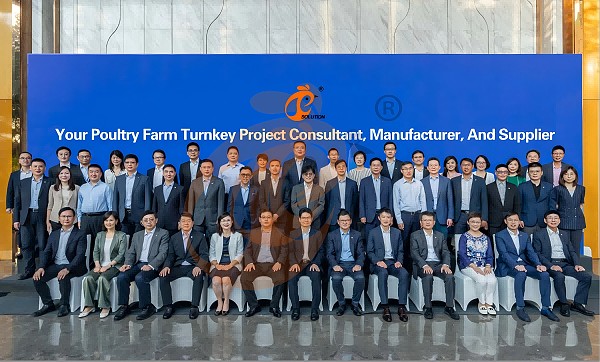
Hong Kong Headquarter Management Team
Hong Kong Headquarter Taiyu Industrial Group CO., LTD
China Hebei Best Machinery And Equipment CO., LTD
Nigeria Vanke Machinery And Equipment CO., LTD
Tanzania Best Machinery And Equipment CO., LTD
Ethiopia Best Hebei Machinery Manufacturing PLC




Reception /24 WhatsApp NO. : +8618830120193
PRODUCTS RECOMMENDED
 China Branch Manufacture Poultry Farm EquipmentRead More
 Ethiopia Branch Manufacture Poultry Farm EquipmentRead More
 Nigeria Branch Manufacture Poultry Farm EquipmentRead More
 Tanzania Branch Manufacture Poultry Farm EquipmentRead More
 IoT Smart Poultry FarmRead More
 >30,000 Layers Automatic H Type Battery CageRead More
 10,000 - 30,000 Layers Automatic A Type Battery CageRead More
MESSAGE
NEWS
 50,000 - 100,000 chickens/house: poultry farm solution, chicken cage, poultry farm equipment, AI smart managementRead More
 30,000 - 50,000 chickens/house: poultry farm solution, chicken cage, poultry farm equipment, AI smart managementRead More
 10,000 - 30,000 chickens/house: poultry farm solution, chicken cage, poultry farm equipment, AI smart managementRead More
 100 - 10,000 chickens/house: poultry farm solution, chicken cage, poultry farm equipment, AI smart managementRead More