

NEWS
Broiler chicken cages define durable poultry housing, with galvanized steel offering 35–100 μm zinc protection across engineered components.
Hot-dip galvanized broiler chicken cages resist humid production conditions through bonded metallic protection and sacrificial zinc action.
Painted broiler chicken cages depend on surface preparation, coating adhesion, curing control, and continuous film integrity during service.
Commercial cage selection also considers drainage, cleaning exposure, structural design, repair requirements, and repeated handling across production cycles.
- Equipment buyers can compare coating architecture, manufacturing processes, lifecycle costs, inspection parameters, and practical durability before selecting suitable cage systems.
Get professional poultry farm construction guidance, equipment selection solutions, and the latest price lists, whatsApp to +8618830120193, click to learn more.
The Decision Starts With The Cage Environment
A broiler chicken cages system does not operate in a neutral steel environment.
Manure, wash water, condensation, feed dust, and ammonia continuously challenge exposed metal surfaces.
For equipment buyers, the real question is not simply which finish looks better, but which protection system can preserve cage integrity throughout repeated production cycles.
Hot-dip galvanizing creates a metallurgically bonded zinc layer around steel, while paint depends on an organic film remaining intact.
Our broiler chicken cages are engineered around production environments reaching 30–35°c and approximately 60–80% relative humidity.
Coating Architecture — What Actually Protects The Steel?
Data is for reference only.Swipe horizontally to view full table.
The distinction becomes important when broiler chicken cages components are cut, welded, assembled, transported, and washed.
A zinc coating is not merely decorative; coating adhesion can reach approximately 24.6 mpa in suitable bonded systems, while fabrication accuracy can remain within 1–2 mm according to component requirements.
Why Broiler Houses Are Especially Demanding
Think in cycles, not calendar years.
Every production cycle introduces contamination, humidity, cleaning, drying, and mechanical contact.
Cage doors, partitions, supports, feeder brackets, and lower structural members can therefore experience different corrosion stresses inside the same house.
For broiler chicken cages designed for commercial production, we engineer drainage paths around a minimum 2° slope and keep enclosed steel sections vented where practical.
Those details reduce moisture retention before corrosion protection even has to perform, with cleaning intervals commonly planned around 7–14 days.
Zinc Thickness: The First Purchasing Check
Data is for reference only.Swipe horizontally to view full table.
Astm a123/a123m assigns different minimum coating grades according to steel category and thickness, including 35, 50, 65, 75, and 100 μm levels.
For broiler chicken cages procurement, asking only for "galvanized steel" is insufficient.
Buyers should request coating grade, inspection method, and applicable standard, while our production control can maintain bath immersion duration around 3–8 minutes according to component geometry.
Manufacturing Comparison: Where The Processes Diverge
Data is for reference only.Swipe horizontally to view full table.
The galvanizing bath operates at approximately 450°c, and zinc reacts with steel to form bonded alloy layers.
For broiler chicken cages manufacturing, fabrication sequence therefore matters, while weld preparation can use approximately 2–3 mm controlled joint allowance according to structural requirements.
The Scratch Test: A Real Farm Scenario
Imagine a worker moving a broiler chicken cages component during installation.
A sharp contact creates a small damaged area.
Paint response exposed steel beneath damaged film becomes a corrosion site unless the area is properly repaired.
Galvanized response surrounding zinc can provide sacrificial electrochemical protection to exposed steel over limited damaged areas.
Our cage designs therefore combine galvanized structural protection with rounded contact points and controlled edge finishing, using an r1.5 mm minimum edge target and approximately 3 mm assembly contact clearance.
Corrosion-Resistance Design Matrix
Data is for reference only.Swipe horizontally to view full table.
A coating system should be selected together with geometry.
Our broiler chicken cages engineering therefore uses 8 mm minimum drainage openings in appropriate hollow components and designs access zones around cleaning requirements.
Five Questions Procurement Teams Should Ask
Before accepting a quotation, ask
1 — What is the coating standard?
A supplier should identify the applicable specification rather than simply writing "anti-rust," with documentation retained for at least 5 years.
2 — What is the measured coating value?
Request inspection records rather than relying on appearance, and require sampling from at least 5 distributed positions where applicable.
3 — When is galvanizing performed?
For fabricated broiler chicken cages structures, post-fabrication galvanizing can protect weld zones and previously bare surfaces.
4 — How are damaged areas repaired?
A defined repair procedure is essential for installation and service, with repair areas cleaned over approximately 50 mm beyond visible damage.
5 — What steel specification supports the cage load?
Corrosion protection cannot compensate for an under-designed structure.
Our cage systems can be engineered around q195/q235-class steel selections according to component and project requirements, with wire diameters commonly selected around 2.5–4.0 mm.
Lifecycle Cost: Look Beyond The Purchase Order
Data is for reference only.Swipe horizontally to view full table.
The economic advantage of galvanized broiler chicken cages is not simply that zinc lasts longer.
A protective system can reduce maintenance-dependent interventions over equipment lifecycle, while annual inspection planning can be scheduled around 1–2 service visits.
What "Longer Lasting" Should Mean
Data is for reference only.Swipe horizontally to view full table.
A serious broiler chicken cages comparison should combine corrosion protection with structural engineering.
Our manufacturing approach evaluates steel grade, wire geometry, welding, galvanizing, fastening, installation, cleaning access, and replacement logistics.
The Practical Verdict: Build The Cage Around Durability
Data is for reference only.Swipe horizontally to view full table.
For broiler chicken cages operating in humid, ammonia-containing, frequently washed environments, properly manufactured hot-dip galvanized steel is generally the stronger long-life choice than conventional painted steel.
Zinc provides both physical barrier protection and sacrificial electrochemical protection, while paint primarily depends on maintaining an intact organic film.
Our broiler chicken cages follow that engineering principle from material selection through fabrication, with production inspection checkpoints commonly established at 4 major stages.
Frequently Asked Questions
Q1: Why are hot-dip galvanized broiler chicken cages preferred for demanding poultry houses?
A1: Hot-dip galvanizing combines barrier and sacrificial protection, while suitable cage geometry limits moisture accumulation through controlled drainage and ventilation.
Q2: Can painted broiler chicken cages still be used commercially?
A2: Yes.
Painted systems can perform effectively when pretreatment, coating chemistry, curing, and maintenance are tightly controlled, with periodic inspection commonly scheduled every 6–12 months.
Q3: What should buyers request before ordering galvanized cages?
A3: Buyers should request steel specifications, applicable galvanizing standards, coating measurements, welding requirements, dimensional tolerances, and repair procedures before approving broiler chicken cages.
Taiyu (HK) Group - One Of China Largest Broiler Chicken Cages Manufacturer
Broiler chicken cages use engineered galvanized steel structures, with configurable wire diameters from 2.5–4.0 mm for commercial production requirements
Global factory-direct supply integrates poultry equipment manufacturing, quality inspection, export packaging, and project-based technical coordination
Poultry equipment solutions cover cage systems, feeding, drinking, manure handling, ventilation, environmental control, and farm automation
Turn-key engineering coordinates equipment selection, layout planning, installation guidance, commissioning procedures, and production-stage technical support
International projects can be configured for different house dimensions, flock capacities, electrical standards, installation conditions, and operating requirements
Contact Us To Received Your Customized Poultry Farm Plan
Headquarters And Branchs

Hong Kong Headquarter Management Team
Hong Kong Headquarter Taiyu Industrial Group CO., LTD
China Hebei Best Machinery And Equipment CO., LTD
Nigeria Vanke Machinery And Equipment CO., LTD
Tanzania Best Machinery And Equipment CO., LTD
Ethiopia Best Hebei Machinery Manufacturing PLC




Reception /24 WhatsApp NO. : +8618830120193
PRODUCTS RECOMMENDED
 China Branch Manufacture Poultry Farm EquipmentRead More
 Ethiopia Branch Manufacture Poultry Farm EquipmentRead More
 Nigeria Branch Manufacture Poultry Farm EquipmentRead More
 Tanzania Branch Manufacture Poultry Farm EquipmentRead More
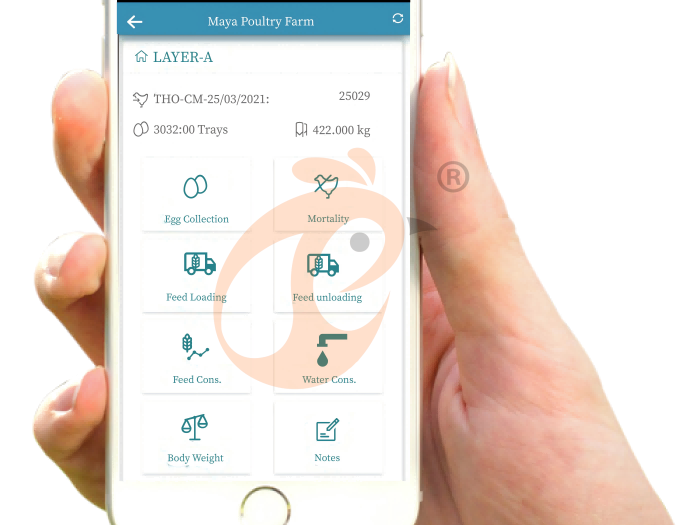
 IoT Smart Poultry FarmRead More
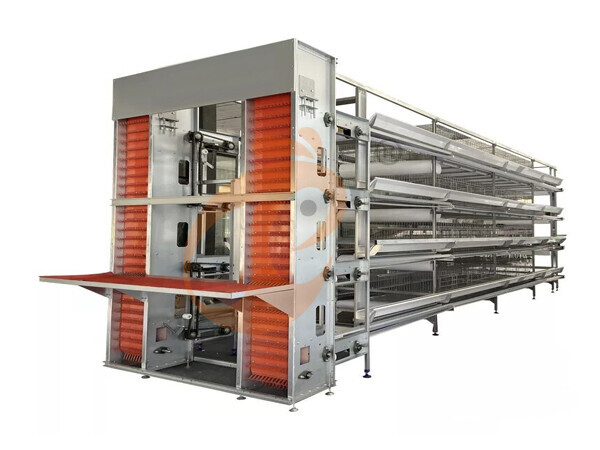
 >30,000 Layers Automatic H Type Battery CageRead More
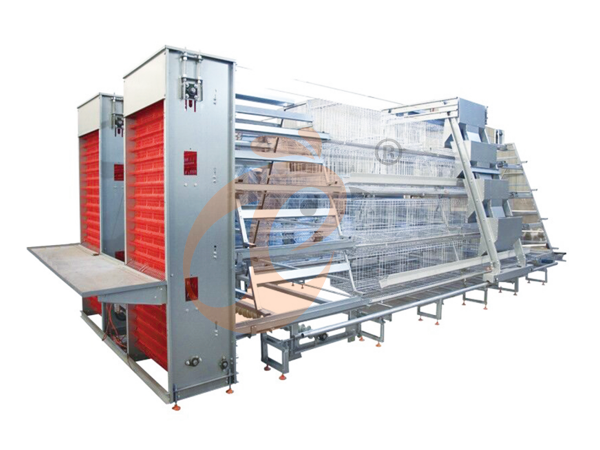
 10,000 - 30,000 Layers Automatic A Type Battery CageRead More
MESSAGE
NEWS
 50,000 - 100,000 chickens/house: poultry farm solution, chicken cage, poultry farm equipment, AI smart managementRead More
 30,000 - 50,000 chickens/house: poultry farm solution, chicken cage, poultry farm equipment, AI smart managementRead More
 10,000 - 30,000 chickens/house: poultry farm solution, chicken cage, poultry farm equipment, AI smart managementRead More
 100 - 10,000 chickens/house: poultry farm solution, chicken cage, poultry farm equipment, AI smart managementRead More