

NEWS
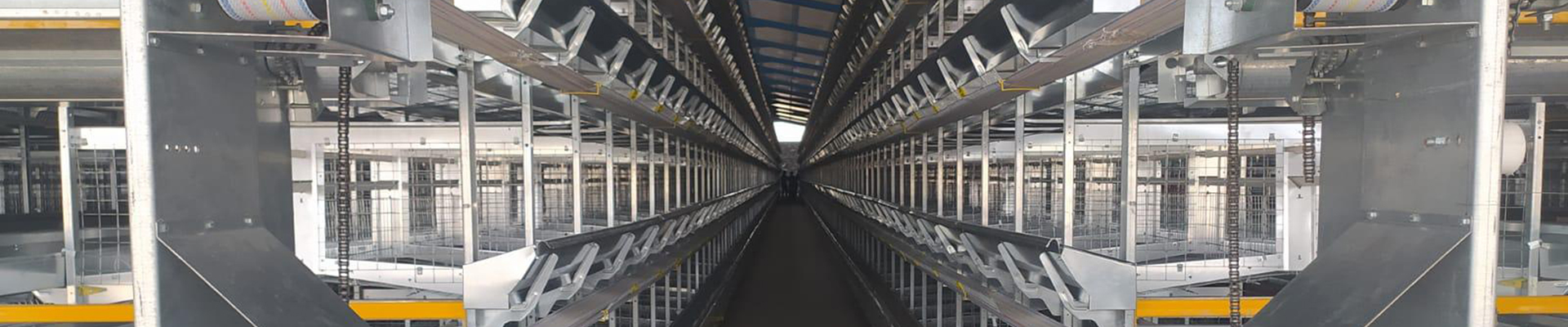
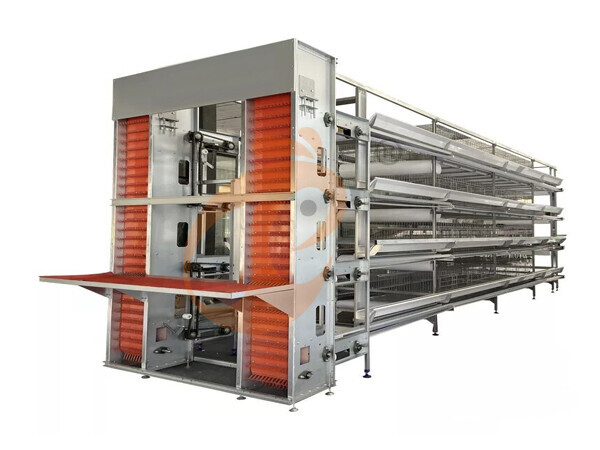
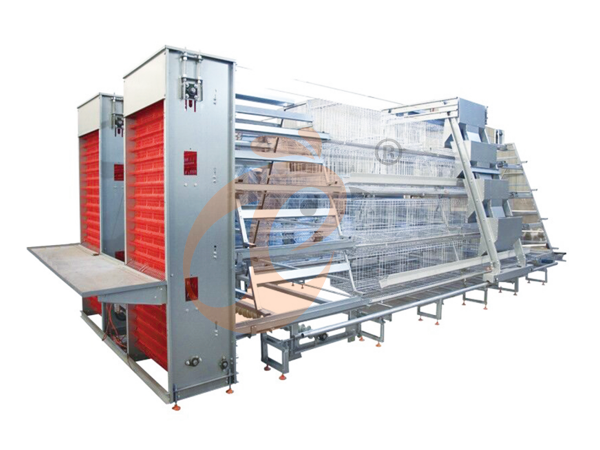
H type chicken cage systems combine vertical capacity, automation, and structured flock management for commercial egg production.
Multi-tier engineering can reach 16 tiers, creating scalable cage capacity while supporting efficient poultry-house planning.
H type layer cage system designs connect feeding, drinking, egg collection, and manure handling into coordinated equipment lines.
Compared with conventional layouts, automated equipment can reduce repeated manual movement across production areas while improving workflow consistency.
Automatic layer cage system solutions provide a practical equipment foundation for farms targeting standardized production, expansion, and centralized management.
Get professional poultry farm construction guidance, equipment selection solutions, and the latest price lists, whatsApp to +8618830120193, click to learn more:
Vertical Structure Changes Farm Layout
Data is for reference only.Swipe horizontally to view full table.
H type layer cage system equipment places cage rows vertically, creating a compact equipment footprint while increasing usable cage positions.
Traditional A-type cages use a stepped arrangement, making access straightforward but requiring a wider equipment layout for comparable flock capacity.
Vertical H-type projects can use 60 cm cage length as part of standardized internal cage planning.
Equipment Integration Determines Daily Workflow
Data is for reference only.Swipe horizontally to view full table.
The commercial advantage of an automatic layer cage system is not one individual component.
Feed delivery, drinking, egg transfer, manure removal, ventilation, lighting, and environmental control can be designed as one equipment package.
Centralized equipment planning can incorporate automatic timing control, helping coordinate repeated production operations across the poultry house.
Manure Management Becomes An Equipment Process
Data is for reference only.Swipe horizontally to view full table.
For a commercial farm, manure handling affects more than cleaning.
A dedicated belt beneath each H-type tier separates manure movement from routine bird management and can transport waste toward a designated discharge
point.
H type layer cage system layouts can organize waste movement through dedicated discharge routes, reducing cross-traffic between different production
processes.
Engineering Comparison: Where The Automation Actually Sits
Data is for reference only.Swipe horizontally to view full table.
The key point is integration.
A modern automatic layer cage system can connect mechanical equipment to a centralized control architecture, allowing feeding, watering, egg collection, manure removal, lighting, and environmental equipment to operate according to a planned schedule.
Project engineering can also coordinate multi-line equipment synchronization, creating a structured interface between cage rows and auxiliary poultry equipment.
Space Planning: The Numbers Behind Equipment Density
Data is for reference only.Swipe horizontally to view full table.
This comparison shows why H type layer cage system equipment is attractive for farms where building dimensions or land availability constrain expansion.
The equipment can use a compact cage-cell arrangement while increasing production through vertical expansion.
Each bird is provided with approximately 488 cm² of cage floor area, giving the system a defined space allocation for equipment planning and flock management.
Construction Specification: Steel Quality Is Part Of The Business Case
Data is for reference only.Swipe horizontally to view full table.
For equipment expected to operate continuously, structural treatment deserves attention.
H type chicken cage systems are commonly manufactured from galvanized steel, with structural components selected to support multi-tier installation.
The cage layout also maintains a 48 cm internal cage height, providing a standardized dimension for coordinating cage doors, feeding equipment, and drinking systems.
Specification Checklist For An H Type Chicken Cage Project
Data is for reference only.Swipe horizontally to view full table.
These values should be treated as equipment-design references rather than universal standards because cage dimensions must be matched with bird breed, local welfare requirements, house dimensions, and the selected automation package.
For automatic layer cage system projects, cage-cell arrangements can be combined with selected tier quantities and automation equipment to create a
complete production-line specification.
Project planning should also verify building clearance requirements before final equipment production begins.
The Equipment Decision: Build For Today Or Scale For Tomorrow?
PROJECT DECISION
If the project is a small farm where operators prefer straightforward mechanical access, a traditional layer cage can remain a practical option.
But when the objective is to build a mechanized egg-production facility, H type chicken cage equipment offers a more complete equipment architecture.
Our H-type chicken cage solutions can integrate feeding, drinking, egg collection, manure removal, ventilation, lighting, and environmental control into a coordinated poultry-house system.
The right question is therefore not simply “Which cage costs less?”
It is: Which equipment system gives your farm the operating structure required for its next production stage?
For commercial layer farms planning expansion, automation, and centralized management, an H type layer cage system provides an equipment foundation for structured production growth.
Frequently Asked Questions
Q1: What is the main advantage of an H type chicken cage?
An H-type system uses vertical cage tiers to increase production capacity within a structured equipment layout.
Configurations can reach 16 tiers, depending on building design and project requirements.
Q2: How does an H type layer cage system support automation?
Equipment can integrate feeding, drinking, egg collection, manure removal, and environmental-control interfaces into a coordinated production system.
Centralized operation can reduce repetitive manual handling across cage rows.
Q3: How should farmers select the correct H type cage configuration?
Selection should consider building height, target flock capacity, automation requirements, bird specifications, and local regulations.
Available configurations can range from 4 tiers to 16 tiers, allowing equipment capacity to match different project scales.
Taiyu (HK) Group - One Of China Toppest H Type Chicken Cages Manufacturer
H type chicken cage systems provide vertically structured housing equipment integrating cage units with automated feeding, watering, egg collection, and manure-management interfaces.
Global factory-direct production supplies standardized poultry equipment for commercial layer farms, supporting project-specific cage configurations and equipment integration.
Turn-key engineering covers equipment planning, production, delivery, installation coordination, commissioning, and technical project support.
Project execution can combine layer cages, environmental-control equipment, feeding systems, drinking systems, egg collection, and manure removal into one coordinated production solution.
Factory engineering teams support international poultry projects with configuration calculations, equipment matching, technical documentation, and scalable production-line planning.
Contact Us To Received Your Customized Poultry Farm Plan
Headquarters And Branchs
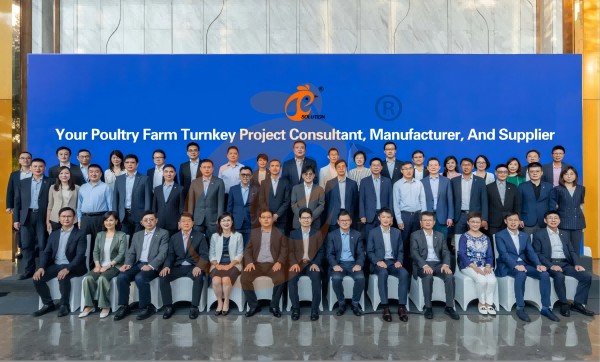
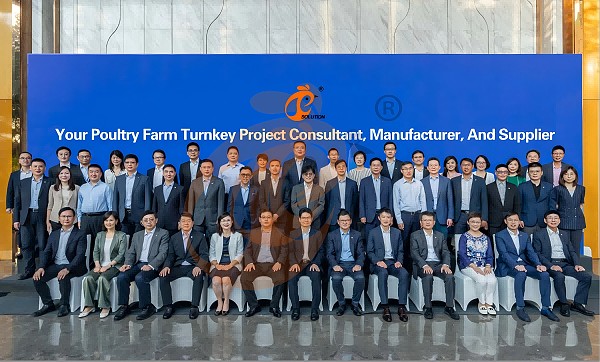
Hong Kong Headquarter Management Team
Hong Kong Headquarter Taiyu Industrial Group CO., LTD
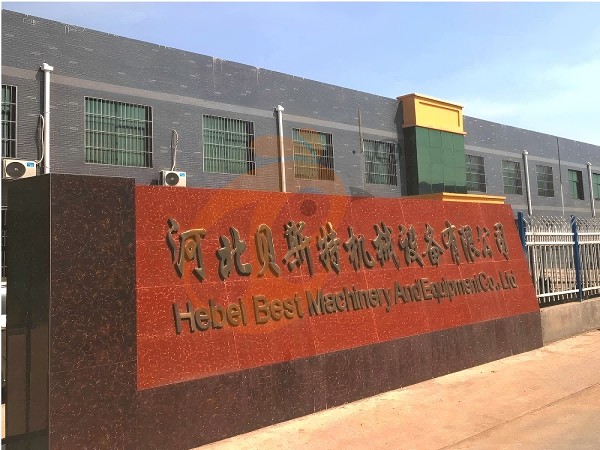
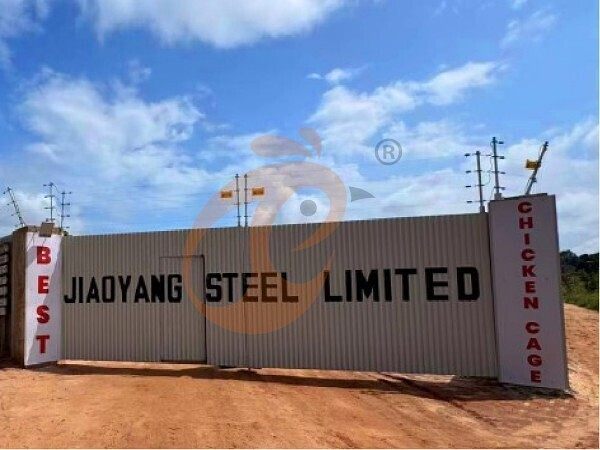
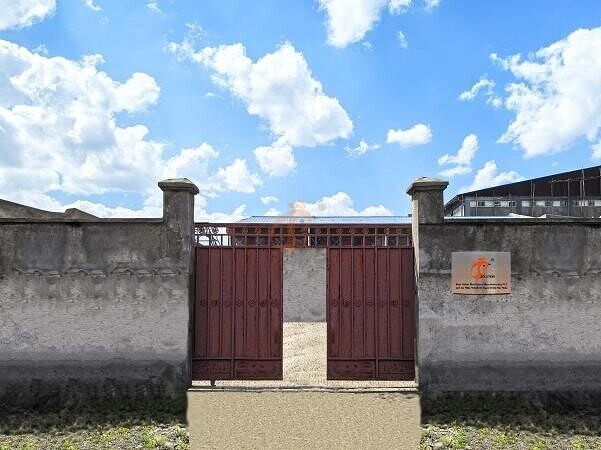
China Hebei Best Machinery And Equipment CO., LTD
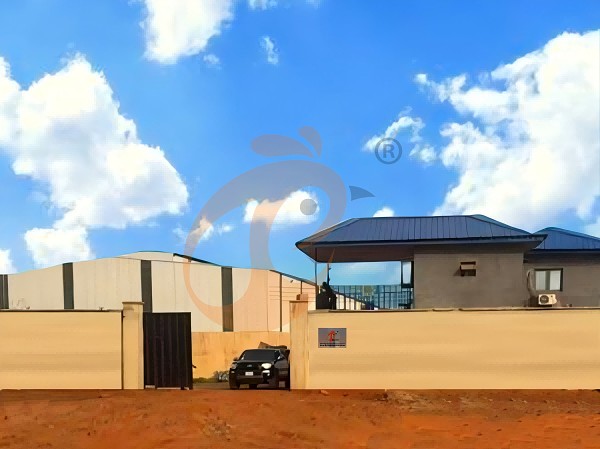
Nigeria Vanke Machinery And Equipment CO., LTD
Tanzania Best Machinery And Equipment CO., LTD
Ethiopia Best Hebei Machinery Manufacturing PLC
Reception /24 WhatsApp NO. : +8618830120193
PRODUCTS RECOMMENDED
 China Branch Manufacture Poultry Farm EquipmentRead More
 Ethiopia Branch Manufacture Poultry Farm EquipmentRead More
 Nigeria Branch Manufacture Poultry Farm EquipmentRead More
 Tanzania Branch Manufacture Poultry Farm EquipmentRead More
 IoT Smart Poultry FarmRead More
 >30,000 Layers Automatic H Type Battery CageRead More
 10,000 - 30,000 Layers Automatic A Type Battery CageRead More
MESSAGE
NEWS
 50,000 - 100,000 chickens/house: poultry farm solution, chicken cage, poultry farm equipment, AI smart managementRead More
 30,000 - 50,000 chickens/house: poultry farm solution, chicken cage, poultry farm equipment, AI smart managementRead More
 10,000 - 30,000 chickens/house: poultry farm solution, chicken cage, poultry farm equipment, AI smart managementRead More
 100 - 10,000 chickens/house: poultry farm solution, chicken cage, poultry farm equipment, AI smart managementRead More