

NEWS
Floor rearing broiler farming depends on coordinated equipment that stabilizes climate, feeding, drinking, and flock movement from placement through market age.
A properly engineered broiler poultry house can combine automated feeding, controlled ventilation, cooling, heating, and monitoring into one operating platform.
Automatic pan feeding systems improve feed delivery consistency while reducing repeated manual handling across long commercial houses.
Tunnel ventilation equipment manages heat removal through calculated airflow, helping maintain productive conditions during changing outdoor temperatures.
A complete poultry equipment configuration can connect sensors, controllers, fans, feeders, drinkers, and alarms into one scalable farm infrastructure.
Get professional poultry farm construction guidance, equipment selection solutions, and the latest price lists, whatsApp to +8618830120193, click to learn more:
Start With The House, Not The Flock
Successful floor rearing begins before the first chick arrives, because broiler poultry house equipment determines how efficiently farmers can manage temperature, ventilation, feeding, drinking, lighting, and litter conditions.
A modern broiler house should function as an integrated production system rather than simply a covered space for birds.
Reliable automatic poultry equipment can coordinate several operating functions while reducing repeated manual intervention.
For commercial farms, the valuable investment is a complete equipment system that works together rather than isolated machines.
Automatic feeding lines, nipple drinking systems, ventilation fans, cooling pads, heating systems, environmental controllers, and litter-management solutions can transform a conventional house into a controlled production environment.
The objective is simple: give every bird consistent access to feed, water, fresh air, and a comfortable climate.
Data is for reference only.Swipe horizontally to view full table.
Five Management Priorities At A Glance
Data is for reference only.Swipe horizontally to view full table.
Tip #1 — Win The First Seven Days
The first week is a race against three management problems
- unstable temperature
- poor water and feed access
- uneven chick distribution
If chicks crowd together, the house may require adjustment to heating distribution or air movement.
If birds remain excessively distant from heating equipment, farmers should verify the actual floor environment before changing settings.
An automated environmental control system becomes especially valuable when temperature readings are collected from multiple positions rather than one manual checkpoint.
For example, a broiler poultry house can use four or more sensing locations to identify temperature differences that a single sensor could miss.
A properly designed house gives chicks a stable environment from arrival, while early flock uniformity establishes a stronger foundation for later performance.
Data is for reference only.Swipe horizontally to view full table.
A professional broiler equipment package should be designed according to house dimensions, insulation structure, local climate, bird placement density, and heating load.
Equipment capacity should be calculated from project requirements instead of copied from another farm.
Tip #2 — Make Feed Distribution A System
Imagine two houses with the same number of broilers.
In House A, workers carry feed manually and refill feeding points repeatedly.
In House B, an automatic pan feeding system distributes feed through multiple pans along the house.
Feed delivery can be controlled through a central drive unit, hopper, auger, sensors, and automatic poultry feeders.
A commercial system can also use scheduled feeding periods to reduce unnecessary motor operation and organize daily labor.
The equipment objective is not merely labor reduction.
Consistent feed presentation also supports more organized flock movement and easier daily inspection.
Data is for reference only.Swipe horizontally to view full table.
For farms planning expansion, automatic pan feeding is particularly attractive because equipment lines can be configured around projected house capacity rather
than only today's flock size.
Tip #3 — Water Quality Is A Production Tool
Feed receives considerable attention, but water management directly affects bird access and floor conditions.
A broiler house should provide clean water through correctly positioned drinking points and a stable pipeline system.
Poorly adjusted drinkers can produce unnecessary leakage, wet litter, restricted access, and additional management pressure.
A properly designed nipple drinking system combines nipples, regulators, filters, water lines, and flushing components into one controlled water-delivery network.
Drinker height should be adjusted as birds grow, while pipeline condition should be checked throughout the house.
A good drinking system should deliver water to the bird—not to the litter.
Data is for reference only.Swipe horizontally to view full table.
A reliable drinking system represents a controlled component of the overall house investment and can support more consistent daily flock management.
Tip #4 — Ventilation Is Your House's ''Lung''
A broiler house can have advanced feeders and drinkers and still perform poorly when ventilation is incorrectly configured.
Watch for these measurable warning signals:
Birds panting → inspect house temperature and airflow distribution.
Wet litter → inspect humidity sources and air exchange.
Strong ammonia odor → inspect ventilation performance and litter condition.
Birds avoiding certain areas → inspect directional airflow and thermal distribution.Dust accumulation → inspect air movement and house-management practices.
Modern tunnel ventilation equipment creates controlled airflow rather than depending only on doors and windows.
High-capacity exhaust fans, air inlets, tunnel systems, cooling pads, sensors, and controllers can operate as one coordinated climate-control package.
The important point is not simply to move air.
The system must move air through a calculated path that matches house length, bird age, and seasonal requirements.
Data is for reference only.Swipe horizontally to view full table.
For hot-climate broiler production, tunnel ventilation combined with evaporative cooling can become one of the most important systems in the entire poultry house.
Tip #5 — Turn Daily Management Into Data-Driven Management
A modern broiler house should not depend entirely on workers walking through the building and making subjective decisions.
Instead, establish a simple management loop
Measure → Compare → Adjust → Record → Improve
Temperature, humidity, ventilation status, water consumption, feed consumption, and equipment alarms can provide useful information about flock performance.
Environmental controllers make the process more practical by connecting sensors with fans, heating systems, cooling systems, lighting, and alarms.
Farmers can establish operating parameters and allow the control platform to respond automatically when conditions change.
This approach also reduces management variation between different workers and production cycles.
When equipment provides reliable operating records, management becomes more predictable and easier to standardize.
Build A Complete Broiler House, Not A Collection Of Machines
Data is for reference only.Swipe horizontally to view full table.
The best floor-reared broiler farms are built around integration.
Instead of purchasing isolated machines, farmers should consider how feeding, drinking, ventilation, cooling, heating, lighting, and environmental control interact
inside the house.
A complete poultry equipment supplier can design the system around house dimensions, flock capacity, climate, automation requirements, and future expansion
plans.
For farmers, the goal is more than installing equipment.
The goal is to create a stable, efficient, labor-saving production environment that supports consistent flock management from placement to market.
When the house works as one system, farmers gain better control over bird comfort, labor efficiency, environmental stability, and production consistency.
The right equipment does not replace good management—it makes good management easier to achieve.
Frequently Asked Questions
Q1: What equipment is essential for floor rearing broilers?
Core equipment normally includes automatic pan feeding systems, nipple drinking lines, ventilation fans, cooling pads, heating units, LED lighting, and environmental controllers.
A commercial house may require multiple ventilation stages according to flock age and seasonal conditions.
Q2: Why use automatic pan feeding for broiler houses?
Automatic pan feeding distributes feed through a fixed line and allows centralized operation.
A properly configured line can cover commercial houses with multiple feeding circuits while reducing repeated manual feed handling.
Q3: How does tunnel ventilation support broiler management?
Tunnel ventilation creates directional airflow through the poultry house and works with cooling pads during hot periods.
A correctly engineered system considers fan capacity, inlet area, house dimensions, and bird population rather than selecting fans by quantity alone.
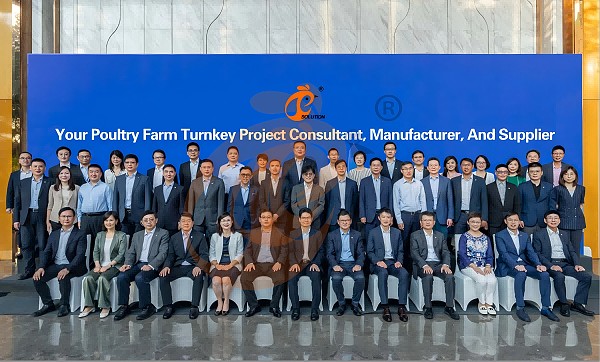
Taiyu (HK) Group - One Of China Toppest Broiler Equipment Supplier
Broiler equipment integrates automatic feeding, nipple drinking, environmental control, ventilation, cooling, heating, and lighting into coordinated poultry-house infrastructure.
Global factory direct supply provides equipment manufacturing, component integration, inspection, packaging, and international shipment through a centralized production process.
Poultry equipment projects can be configured for commercial farms with defined house dimensions, flock capacity, climate conditions, automation requirements, and expansion plans.
Turn-key engineering covers equipment selection, system layout, production coordination, installation guidance, commissioning support, and technical documentation for complete farm projects.
International project support aligns equipment specifications with customer operating conditions, electrical requirements, house structures, and production-management objectives.
Contact Us To Received Your Customized Poultry Farm Plan
Headquarters And Branchs

Hong Kong Headquarter Management Team
Hong Kong Headquarter Taiyu Industrial Group CO., LTD
China Hebei Best Machinery And Equipment CO., LTD
Nigeria Vanke Machinery And Equipment CO., LTD
Tanzania Best Machinery And Equipment CO., LTD
Ethiopia Best Hebei Machinery Manufacturing PLC




Reception /24 WhatsApp NO. : +8618830120193
PRODUCTS RECOMMENDED
 China Branch Manufacture Poultry Farm EquipmentRead More
 Ethiopia Branch Manufacture Poultry Farm EquipmentRead More
 Nigeria Branch Manufacture Poultry Farm EquipmentRead More
 Tanzania Branch Manufacture Poultry Farm EquipmentRead More
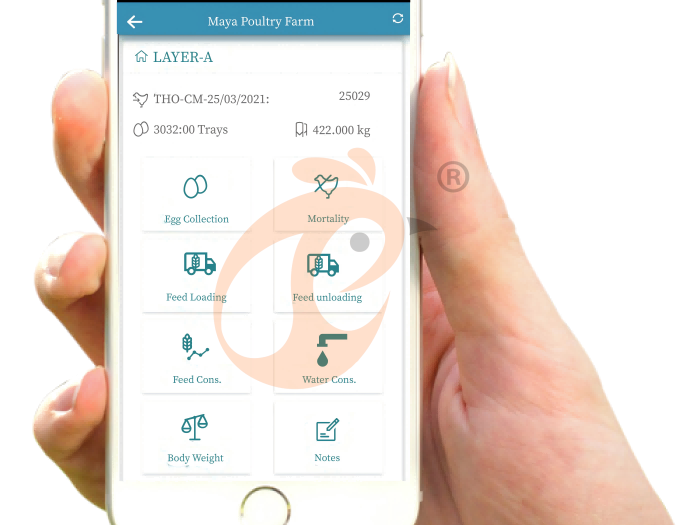
 IoT Smart Poultry FarmRead More
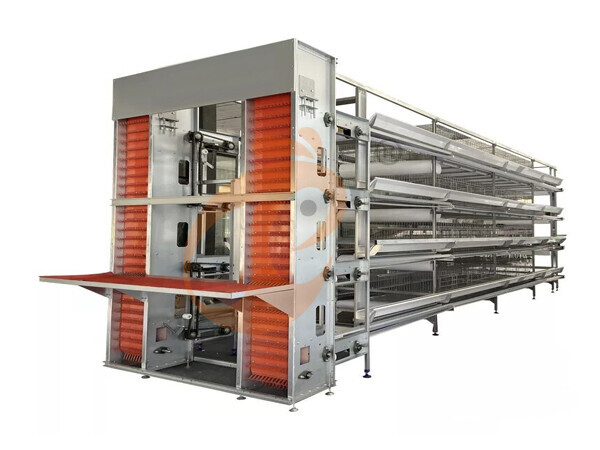
 >30,000 Layers Automatic H Type Battery CageRead More
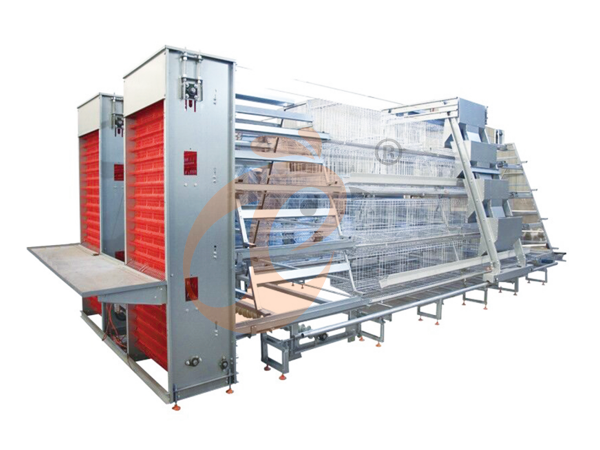
 10,000 - 30,000 Layers Automatic A Type Battery CageRead More
MESSAGE
NEWS
 50,000 - 100,000 chickens/house: poultry farm solution, chicken cage, poultry farm equipment, AI smart managementRead More
 30,000 - 50,000 chickens/house: poultry farm solution, chicken cage, poultry farm equipment, AI smart managementRead More
 10,000 - 30,000 chickens/house: poultry farm solution, chicken cage, poultry farm equipment, AI smart managementRead More
 100 - 10,000 chickens/house: poultry farm solution, chicken cage, poultry farm equipment, AI smart managementRead More