

NEWS
Feed pellet machine production success depends on efficient storage methods that preserve pellet durability, nutritional consistency, and transportation performance throughout every processing stage.
Proper cooling, moisture management, warehouse planning, packaging selection, and inventory rotation work together to reduce product deterioration and maintain commercial feed quality.
Scientific explanations throughout each section describe environmental influences, material characteristics, and operational factors affecting storage performance under practical production conditions.
Multiple reference tables provide measurable operating values supporting warehouse management, quality inspection, packaging decisions, and transportation preparation for different production capacities.
Get professional poultry farm construction guidance, equipment selection solutions, and the latest price lists, whatsApp to +8618830120193, click to learn more:
Cool Feed Pellets Before Packaging
Fresh pellets normally leave the pellet machine with elevated temperatures because steam conditioning transfers both heat and moisture into the feed mixture.
Packaging pellets immediately after production traps warm air inside bags, allowing condensation to develop once temperatures decline.
Water droplets inside packaging gradually reduce pellet strength and encourage microbial activity.
Proper cooling is therefore the first protective step before long-term feed pellet storage or transportation.
Counterflow cooling systems gradually remove sensible heat while lowering moisture to stable storage conditions.
Production managers should verify discharge temperatures before transferring finished products into storage warehouses or transport vehicles.
Data is for reference only. Swipe horizontally to view full table.
Proper cooling also minimizes pellet cracking during conveying, loading, and unloading operations, helping maintain product appearance and nutritional consistency from production to final use.
Understand Why Moisture Changes Pellet Quality
Moisture movement is one of the primary reasons feed quality changes during storage.
Feed ingredients naturally exchange water vapor with surrounding air until moisture equilibrium is reached.
When warehouse humidity fluctuates, pellets continuously absorb or release moisture, changing their physical characteristics and storage stability.
Scientific Background
Corn meal, soybean meal, wheat bran, and rice bran are hygroscopic agricultural materials.
Their internal moisture content changes according to surrounding environmental conditions instead of remaining constant.
Even small atmospheric changes influence pellet hardness, mechanical durability, and microbial activity.
Stable warehouse environments therefore contribute significantly to preserving finished feed quality after feed pellet machine production.
Data is for reference only. Swipe horizontally to view full table.
Maintaining balanced environmental conditions reduces moisture migration and supports more consistent pellet performance throughout extended storage periods.
Select Suitable Packaging Materials
Packaging protects finished feed from environmental exposure during warehouse storage and transportation.
Material selection should match transportation distance, storage duration, and handling frequency.
Short domestic deliveries may use woven polypropylene bags, while export shipments often require additional moisture barriers to reduce environmental influence.
Packaging strength also determines resistance against puncture, tearing, and compression during stacking.
Proper sealing further minimizes dust penetration, moisture entry, and unwanted odors.
Data is for reference only. Swipe horizontally to view full table.
Selecting appropriate packaging materials reduces handling damage while supporting product integrity during warehouse storage and commercial distribution.
Store Pellets Inside A Controlled Warehouse
Warehouse management directly influences storage performance after production.
Clean floors, effective ventilation, controlled sunlight exposure, and organized stacking practices all contribute to maintaining pellet quality.
Bags should never contact exterior walls because condensation frequently develops on cooler structural surfaces.
Adequate spacing between storage areas allows natural airflow and simplifies warehouse inspections.
Routine cleaning also prevents contamination from accumulated dust and spilled feed materials.
Data is for reference only. Swipe horizontally to view full table.
Warehouse environmental monitoring systems require modest operating costs, typically around USD 420 annually for a medium-sized storage facility, supporting continuous temperature and humidity supervision.
European union standard reference only.
Prevent Biological Contamination
Biological contamination can gradually reduce feed quality even when storage conditions appear acceptable.
Rodents, insects, birds, fungi, and bacteria consume nutrients, contaminate finished products, and shorten usable storage periods.
Regular sanitation programs and scheduled inspections help prevent contamination before it affects commercial feed performance.
Cleaning should include floors, wall corners, ventilation openings, pallets, loading areas, and storage equipment.
Feed residues should never remain inside warehouses because accumulated organic material attracts insects and rodents within a short period.
Scientific Background
Storage insects generate metabolic heat while feeding on agricultural products.
As insect populations increase, localized heat pockets develop inside stacked bags.
Temperature differences accelerate microbial reproduction and increase moisture migration within the storage area.
Early inspection interrupts this chain reaction before visible damage occurs.
Data is for reference only. Swipe horizontally to view full table.
Consistent biological control protects feed quality while reducing unnecessary product losses during long-term feed pellet storage.
Stack Feed Bags Correctly
Correct stacking protects pellets from unnecessary compression and mechanical damage.
Excessive stacking height increases pressure on lower bags, creating broken pellets and excessive fines that reduce commercial value.
Proper stacking also improves warehouse safety and simplifies inventory management.
Cross-stacking techniques distribute pressure more evenly while increasing stack stability.
Workers should maintain sufficient clearance around storage areas to allow air circulation and convenient inspections.
Data is for reference only. Swipe horizontally to view full table.
Well-organized stacking minimizes handling damage while maintaining consistent product appearance throughout warehouse storage.
Apply The First-In, First-Out (FIFO) Principle
Older production batches should always leave storage before newly manufactured products.
Organized inventory management reduces unnecessary storage duration while improving traceability throughout commercial distribution.
Every production batch should include manufacturing records, identification codes, production dates, ingredient formulations, and warehouse locations.
Digital inventory systems simplify retrieval while minimizing human recording errors.
Data is for reference only. Swipe horizontally to view full table.
Applying FIFO procedures helps manufacturers maintain stable product quality while supporting efficient warehouse operations.
Monitor Nutritional Stability During Storage
Vitamins, enzymes, and lipid components gradually change when exposed to oxygen, moisture, and temperature fluctuations.
Regular laboratory analysis helps manufacturers verify that finished feed continues meeting formulation specifications before delivery.
Scientific Background
Fat oxidation begins when oxygen reacts with unsaturated fatty acids naturally present in feed ingredients.
Oxidation progresses gradually, producing compounds that influence nutritional quality and product odor.
Stable environmental conditions, controlled storage periods, and suitable packaging materials slow oxidation and improve long-term storage performance.
Routine laboratory sampling provides valuable information for quality assurance programs while supporting consistent commercial production standards.
Regular monitoring also allows manufacturers to identify storage-related changes before they influence livestock feeding efficiency.
Protect Feed During Transportation
Transportation is the final stage of storage management before feed reaches farms or distributors.
Even properly stored products may experience quality reduction if transportation conditions are not carefully controlled.
Vehicles should remain clean, dry, and free from chemical residues before loading.
During rainy weather, waterproof coverings should completely protect the cargo from external moisture.
Loading and unloading should be completed efficiently to minimize unnecessary environmental exposure.
Drivers should also avoid sudden braking and rough road conditions whenever possible because repeated vibration increases pellet breakage.
Data is for reference only. Swipe horizontally to view full table.
Transportation management expenses generally remain around USD 165 per scheduled regional shipment for routine logistics planning.
European union standard reference only.
Proper transportation extends warehouse management practices and helps maintain consistent feed quality until final delivery.
Use Routine Quality Inspection Procedures
Quality inspection should continue throughout storage rather than ending after pellet production.
Scheduled inspections identify physical changes before they become significant quality problems.
Operators should evaluate pellet appearance, odor, moisture condition, particle integrity, and storage records during every inspection cycle.
Scientific Background
Pellet durability testing simulates handling conditions by exposing samples to controlled mechanical movement.
The percentage of intact pellets remaining after testing reflects resistance to transportation and warehouse handling.
Repeated testing provides measurable quality trends for production management.
Data is for reference only. Swipe horizontally to view full table.
Routine inspection supports stable production quality while reducing customer complaints and unnecessary product replacement.
Common Storage Mistakes To Avoid
Many storage problems result from routine operational mistakes rather than equipment limitations.
Identifying these situations helps manufacturers maintain stable storage conditions and reduce unnecessary losses.
Common mistakes include
- Packaging pellets before complete cooling.
- Placing feed beside fertilizers, chemicals, or fuel.
- Blocking warehouse ventilation passages.
- Ignoring roof leakage after rainfall.
- Mixing newly produced batches with older inventory.
- Exceeding recommended pallet loading capacity.
- Recording incomplete production information.
- Allowing birds or rodents unrestricted warehouse access.
Correcting these operational details improves storage performance without requiring major equipment upgrades.
Frequently Asked Questions
Q1: What is the recommended storage duration for feed pellets?
Under stable warehouse conditions with approximately 24°C ambient temperature and 56% relative humidity, finished feed pellets are commonly managed within 35 days to maintain consistent physical quality and nutritional performance.
Q2: Why should pellets be completely cooled before packaging?
Warm pellets release moisture after packaging.
Condensation forms inside bags when temperatures decrease, increasing the possibility of microbial growth and reducing pellet durability during storage and transportation.
Q3: How often should warehouse quality inspections be performed?
Routine visual inspections are commonly scheduled every 2 to 5 days, while complete warehouse sanitation and detailed quality verification should follow planned maintenance intervals according to production volume and storage capacity.
Taiyu (HK) Group - One Of China Largest Pellet Machine Manufacturer
Feed pellet machine solutions are engineered for poultry, livestock, aquatic feed, biomass processing, and integrated production lines with reliable operating performance and stable manufacturing precision.
Global factory-direct supply supports customers with competitive project planning, standardized manufacturing, and efficient international delivery for different production capacities.
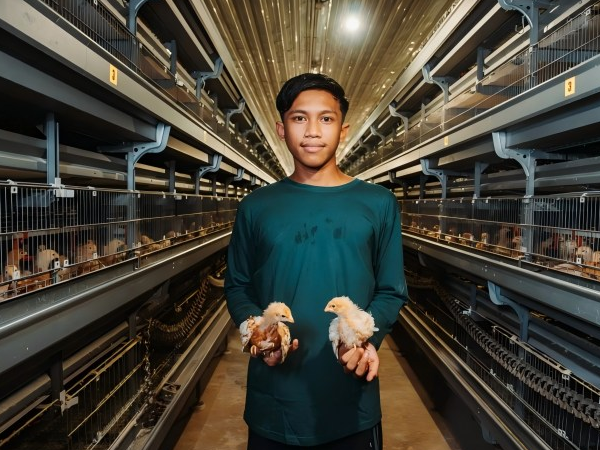
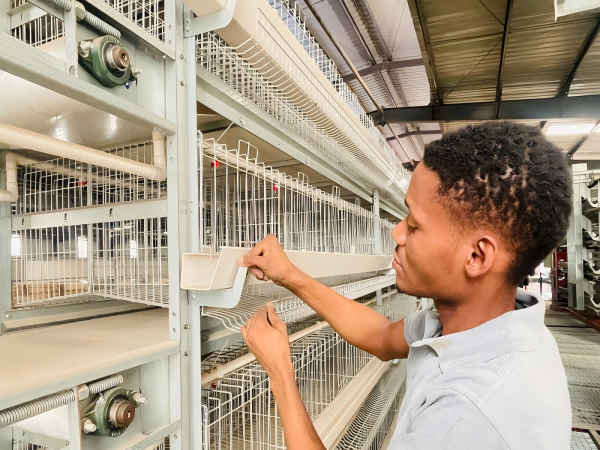
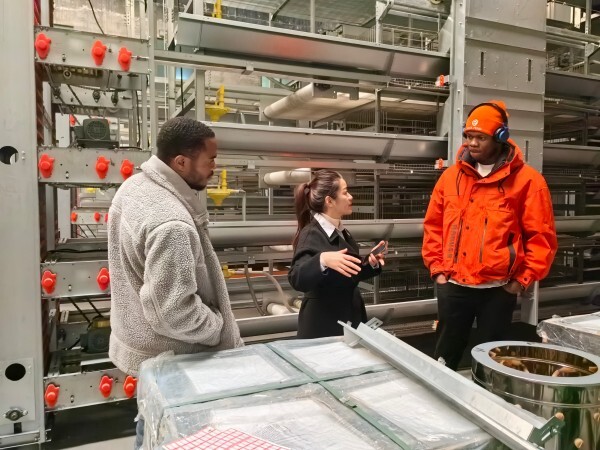
Professional poultry equipment systems include feeding, drinking, ventilation, manure removal, environmental control, and automatic management solutions for modern farming applications.
Complete Turn-key engineering services cover plant layout, equipment manufacturing, installation guidance, commissioning support, operator training, and long-term technical assistance.
Technical engineering teams provide customized commercial specifications, process optimization, production consultation, spare parts support, and lifecycle service for international feed production projects.
Contact Us To Received Your Customized Poultry Farm Plan
Headquarters And Branchs
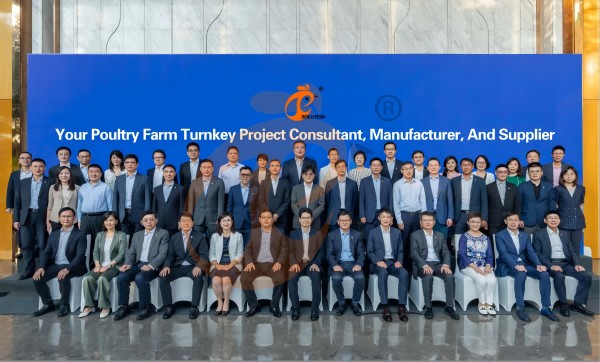
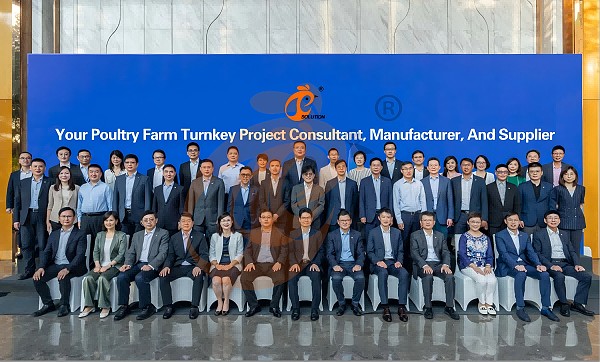
Hong Kong Headquarter Management Team
Hong Kong Headquarter Taiyu Industrial Group CO., LTD
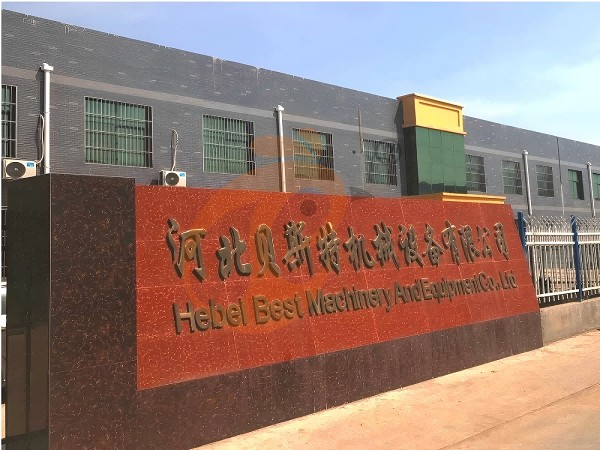
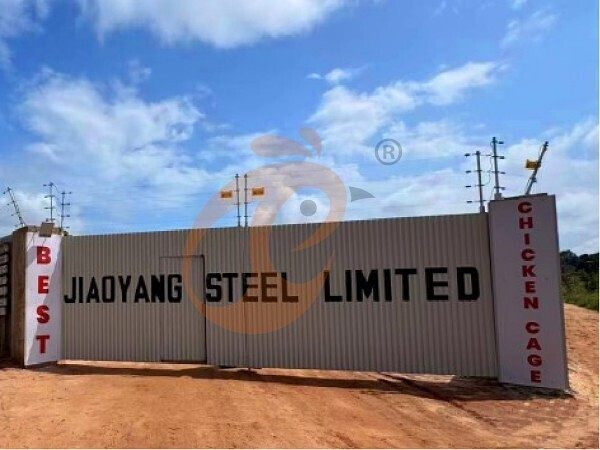
China Hebei Best Machinery And Equipment CO., LTD
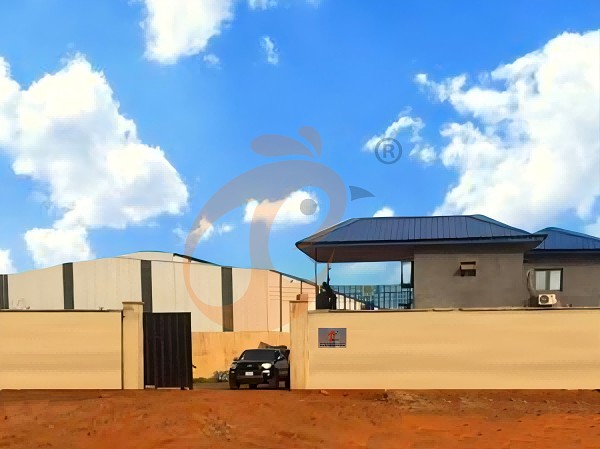
Nigeria Vanke Machinery And Equipment CO., LTD
Tanzania Best Machinery And Equipment CO., LTD
Ethiopia Best Hebei Machinery Manufacturing PLC

Reception /24 WhatsApp NO. : +8618830120193
PRODUCTS RECOMMENDED
 China Branch Manufacture Poultry Farm EquipmentRead More
 Ethiopia Branch Manufacture Poultry Farm EquipmentRead More
 Nigeria Branch Manufacture Poultry Farm EquipmentRead More
 Tanzania Branch Manufacture Poultry Farm EquipmentRead More
 IoT Smart Poultry FarmRead More
 >30,000 Layers Automatic H Type Battery CageRead More
 10,000 - 30,000 Layers Automatic A Type Battery CageRead More
MESSAGE
NEWS
 50,000 - 100,000 chickens/house: poultry farm solution, chicken cage, poultry farm equipment, AI smart managementRead More
 30,000 - 50,000 chickens/house: poultry farm solution, chicken cage, poultry farm equipment, AI smart managementRead More
 10,000 - 30,000 chickens/house: poultry farm solution, chicken cage, poultry farm equipment, AI smart managementRead More
 100 - 10,000 chickens/house: poultry farm solution, chicken cage, poultry farm equipment, AI smart managementRead More