

NEWS
Optimized feed mills reduce feed loss efficiently in modern feed production systems focusing on grain handling accuracy, pelleting stability, and storage control across industrial facilities.
Article explains feed mill optimization from receiving to distribution covering equipment performance, process stability, and material conservation methods.
Content analyzes grinding, mixing, pelleting, and dust control systems improving production efficiency and reducing operational waste across manufacturing lines.
Discussion includes automation systems, maintenance scheduling, and digital monitoring improving consistency in large scale feed production environments.
Final scope presents engineering practices for reducing feed loss through structured industrial workflow optimization and controlled material handling systems.
Get professional poultry farm construction guidance, equipment selection solutions, and the latest price lists, whatsApp to +8618830120193, click to learn more:
Feed Loss Distribution Overview
Feed loss in industrial mills originates from multiple interconnected processes rather than a single production stage.
Understanding distribution flow helps engineers design correction strategies that reduce material waste across the full system.
Loss control requires measurement at receiving points, mechanical processing stages, and packaging terminals.
Data is for reference only.Swipe horizontally to view full table.
Raw Material Receiving Optimization
Efficient receiving systems reduce contamination and mechanical spillage during unloading operations.
Controlled intake systems improve material integrity and reduce early-stage degradation.
Key installations include automated intake pits, dust extraction systems, and magnetic separation units.
These systems stabilize raw material flow before processing begins.
Proper calibration of receiving conveyors ensures stable transfer rates and reduces overflow incidents.
Data is for reference only.Swipe horizontally to view full table.
Grinding System Optimization
Grinding systems determine particle size uniformity and directly influence feed digestibility and downstream pellet quality.
Stable milling conditions reduce fines and improve energy utilization efficiency.
Hammer wear condition, rotor balance, and screen configuration define grinding performance.
Consistent maintenance cycles ensure particle size distribution remains within controlled limits for improved production output.
Data is for reference only.Swipe horizontally to view full table.
Mixing Precision Enhancement
Mixing systems ensure nutrient uniformity across batches in industrial feed production.
Accurate batching improves formulation consistency and reduces material segregation during downstream processing.
Micro-ingredient dosing systems and automated weighing platforms improve measurement precision.
Controlled mixing cycles maintain stable homogeneity across large production volumes.
Data is for reference only.Swipe horizontally to view full table.
Pellet Quality Control
Pellet production reduces feed dust and improves transportation stability.
Conditioning temperature and steam quality significantly influence pellet binding strength.
Proper die selection and cooling control stabilize pellet structure and reduce breakage during handling operations.
Data is for reference only.Swipe horizontally to view full table.
Dust Control Engineering
Dust control systems reduce airborne material loss and improve workplace environmental safety.
Industrial filtration units capture fine particles during grinding, conveying, and packaging stages.
Cyclone separators and pulse jet filters stabilize air quality and prevent product loss through airborne dispersion.
Data is for reference only.Swipe horizontally to view full table.
Storage System Management
Warehouse systems protect finished feed from moisture absorption and biological contamination.
Controlled storage environments maintain product stability during inventory cycles.
Humidity regulation and ventilation systems ensure feed quality retention over extended storage periods.
Stock rotation systems prevent material aging and nutrient degradation.
Data is for reference only.Swipe horizontally to view full table.
Frequently Asked Questions
Q1: What causes feed loss in feed mills?
Feed loss originates from grinding inefficiency, pellet breakage, and material handling imbalance during transfer stages affecting total production yield stability.
Q2: How can pellet quality reduce feed waste?
Higher pellet durability reduces fines generation during transport and improves structural stability under mechanical vibration conditions in logistics systems.
Q3: What is ideal grinding particle size range?
Optimal particle size typically ranges between 650 µm and 750 µm depending on raw material composition and animal nutrition requirements.
Taiyu (HK) Group - One Of China Toppest Grinding System Exporter
Industrial feed grinding system designed for high efficiency particle size control in large scale feed mill production environments.
Global factory direct supply ensuring stable manufacturing capacity and consistent equipment quality control systems.
Poultry equipment integration with automated processing lines supporting broiler and layer feed production systems worldwide.
Turn-key engineering solutions covering design, installation, commissioning and after-sales technical service support structure.
International export network delivering industrial feed machinery to Asia, Europe, Middle East and South America markets.
Contact Us To Received Your Customized Poultry Farm Plan
Headquarters And Branchs
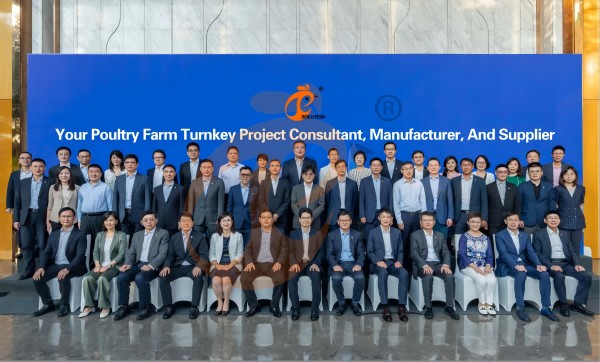
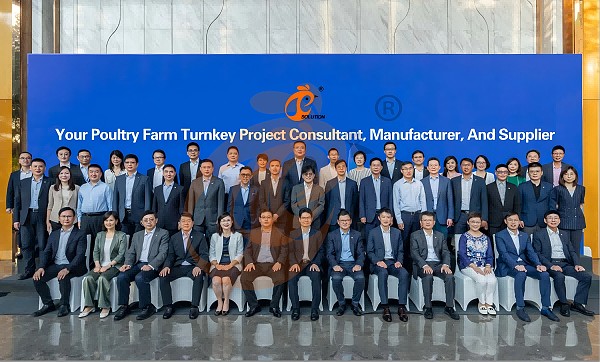
Hong Kong Headquarter Management Team
Hong Kong Headquarter Taiyu Industrial Group CO., LTD
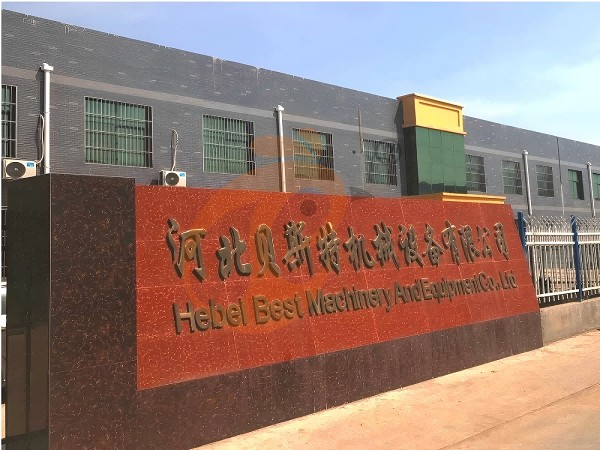
China Hebei Best Machinery And Equipment CO., LTD
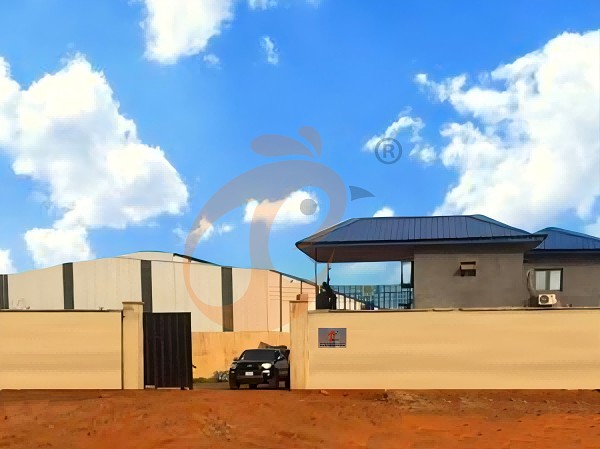
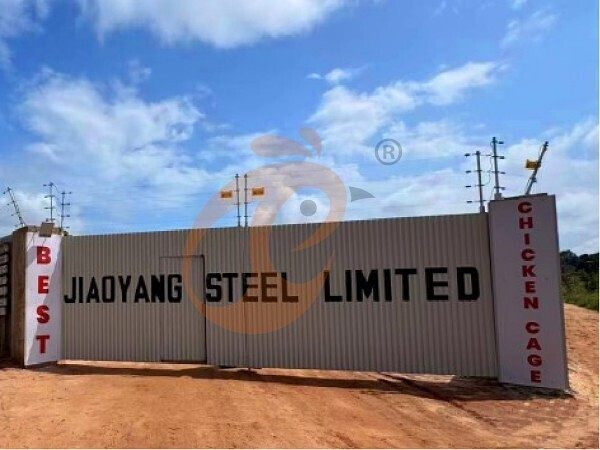
Nigeria Vanke Machinery And Equipment CO., LTD
Tanzania Best Machinery And Equipment CO., LTD
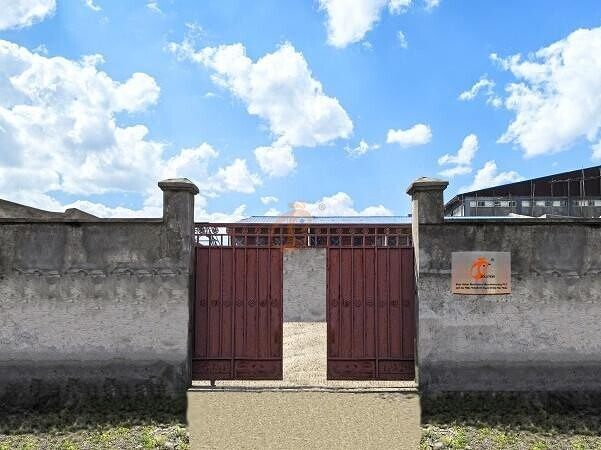
Ethiopia Best Hebei Machinery Manufacturing PLC
Reception /24 WhatsApp NO. : +8618830120193
PRODUCTS RECOMMENDED
 China Branch Manufacture Poultry Farm EquipmentRead More
 Ethiopia Branch Manufacture Poultry Farm EquipmentRead More
 Nigeria Branch Manufacture Poultry Farm EquipmentRead More
 Tanzania Branch Manufacture Poultry Farm EquipmentRead More
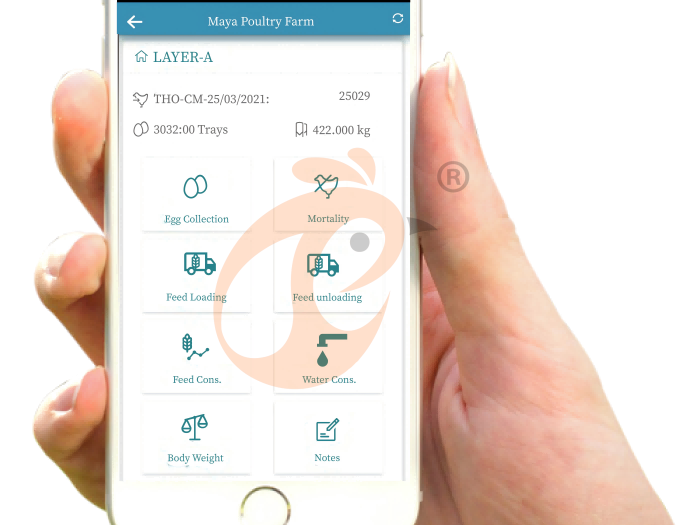
 IoT Smart Poultry FarmRead More
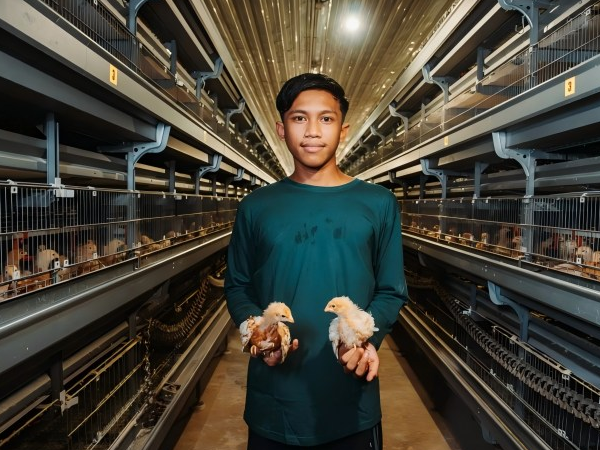
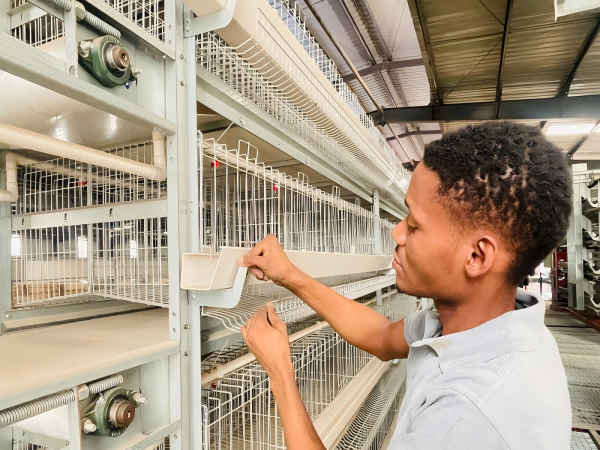
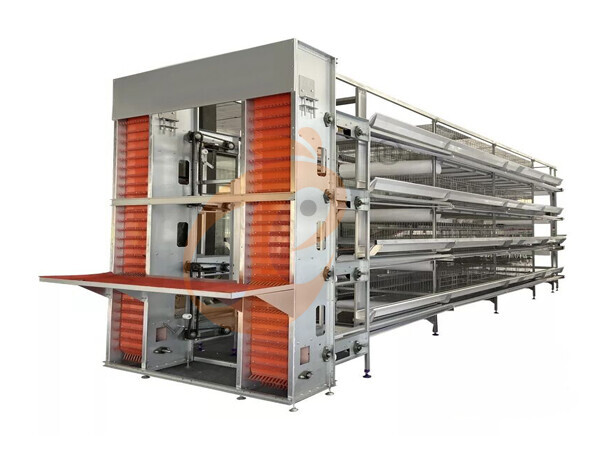
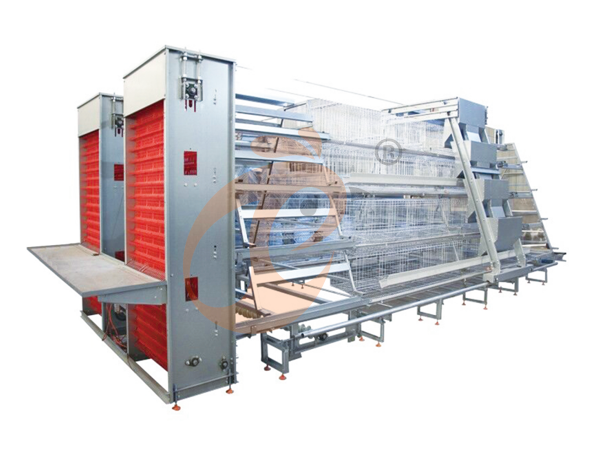
 >30,000 Layers Automatic H Type Battery CageRead More
 10,000 - 30,000 Layers Automatic A Type Battery CageRead More
MESSAGE
NEWS
 50,000 - 100,000 chickens/house: poultry farm solution, chicken cage, poultry farm equipment, AI smart managementRead More
 30,000 - 50,000 chickens/house: poultry farm solution, chicken cage, poultry farm equipment, AI smart managementRead More
 10,000 - 30,000 chickens/house: poultry farm solution, chicken cage, poultry farm equipment, AI smart managementRead More
 100 - 10,000 chickens/house: poultry farm solution, chicken cage, poultry farm equipment, AI smart managementRead More