

NEWS
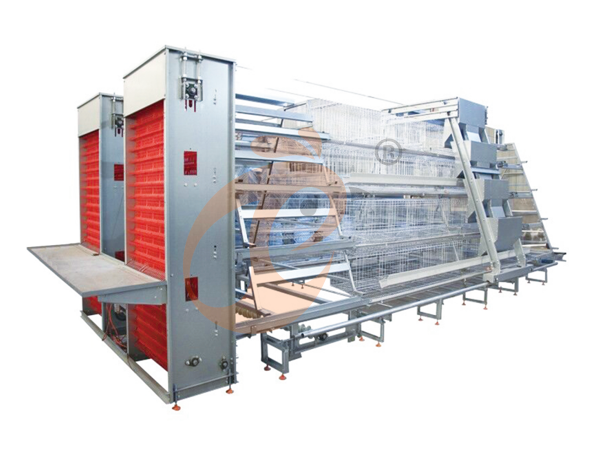
How to reduce poultry cage investment cost begins with practical purchasing strategies that lower capital spending while improving long-term production efficiency across commercial poultry farms.
Discover equipment comparison methods, engineering planning ideas, and investment decisions that create stronger returns while supporting sustainable poultry production and future business expansion.
Learn scientific knowledge about galvanized steel, automation, ventilation coordination, and housing design through concise explanations supported by practical industry references and measurable values.
Compare multiple purchasing options using structured data tables that simplify equipment evaluation, helping buyers select reliable poultry house systems with greater confidence.
- Build profitable poultry projects through integrated poultry cages, intelligent poultry equipment, and professional manufacturer support designed for modern layer farming operations.
Get professional poultry farm construction guidance, equipment selection solutions, and the latest price lists, whatsApp to +8618830120193, click to learn more:
Choose Durable Materials Instead Of Frequent Replacement
Corrosion remains one of the primary reasons for premature equipment replacement inside poultry houses.
Ammonia concentrations exceeding 20 ppm for extended periods accelerate metal deterioration, making material selection more important than simply reducing initial investment.
Many commercial farms now prefer poultry farming equipment manufactured with hot-dip galvanized components because long service intervals reduce shutdown frequency.
Data is for reference only. Swipe horizontally to view full table.
Match Automation With Farm Development
Automation should match production scale rather than follow the highest available configuration.
A farm employing six workers may recover investment differently from a project requiring only two operators after automation upgrades.
Equipment selection should reflect production objectives, labor availability, and future expansion planning.
Data is for reference only. Swipe horizontally to view full table.
Scientific Knowledge About Equipment Investment
Equipment quality affects productivity through engineering rather than appearance.
Research indicates that maintaining indoor airflow around 5–7 m³/h per hen helps stabilize environmental conditions during normal production.
Proper feeder alignment can also reduce feed loss to approximately 2%, supporting better feed conversion throughout the flock.
Reliable cage structures improve equipment stability while reducing maintenance interruptions over multiple production cycles.
Purchase Complete Solutions From One Manufacturer
Buying cages, ventilation equipment, drinking systems, feeding machines, and manure removal equipment from different suppliers often creates installation inconsistencies.
Integrated engineering solutions simplify commissioning, spare-part management, and future upgrades.
Data is for reference only. Swipe horizontally to view full table.
Evaluate Supplier Capability Beyond Quotations
Competitive quotations should be evaluated together with engineering capability.
Manufacturers providing layout design, structural calculations, installation guidance, and commissioning support usually reduce project risks before production begins.
A complete technical proposal often delivers greater value than selecting equipment solely because of a lower purchase price.
Data is for reference only. Swipe horizontally to view full table.
Common Purchasing Mistakes That Increase Investment
Many poultry farms lose money before production even starts because equipment selection is based only on quotations.
Ignoring ventilation compatibility, cage dimensions, or installation tolerances often increases modification costs after delivery.
A layout deviation greater than 15 mm between equipment sections may require on-site adjustment, extending installation schedules.
Data is for reference only. Swipe horizontally to view full table.
Improve Return On Investment Through Engineering Design
Modern poultry farms achieve stronger profitability by combining efficient equipment with scientific engineering design.
Reasonable aisle widths, coordinated ventilation, balanced feeding lines, and reliable manure removal systems create smoother daily operation.
Projects using integrated poultry house equipment commonly reduce installation complexity while improving production consistency throughout multiple laying cycles.
Equipment designed with modular structures also shortens future expansion periods without replacing existing production lines.
Data is for reference only. Swipe horizontally to view full table.
Conclusion
Reducing poultry cage investment cost requires more than negotiating a lower quotation.
Successful poultry projects begin with accurate planning, durable materials, compatible automation, and experienced engineering support.
Selecting integrated poultry cages together with poultry house equipment helps reduce maintenance costs, improve operational efficiency, and create stable production over many years.
Long-term value always comes from reliable equipment, professional design, and complete technical service rather than the lowest purchase price.
Frequently Asked Questions
Q1: How much should poultry cage investment represent in a new project?
Most commercial projects allocate approximately 30%–40% of total construction investment to cage systems and supporting poultry equipment, depending on automation level and production capacity.
Q2: Which cage material offers better long-term value?
Hot-dip galvanized steel with around 275 g/m² zinc coating generally provides longer service life in poultry house environments where moisture and ammonia are continuously present.
Q3: Is full automation necessary for every poultry farm?
Not always.
Automation should match flock size, labor availability, and expansion plans.
Many farms begin with automatic feeding and drinking systems, then later add egg collection and manure removal equipment as production increases.
Taiyu (HK) Group - One Of China Largest Poultry Cage Manufacturer
Professional manufacturer specializing in layer cages, broiler cages, breeder cages, and complete poultry house equipment for commercial farming projects.
Global factory direct sales support customized poultry equipment manufacturing with standardized production, quality inspection, and export packaging.
Complete Turn-key poultry farm engineering includes project design, equipment manufacturing, installation guidance, commissioning, and operator training.
Technical teams provide poultry house layout optimization, environmental control integration, automatic feeding solutions, ventilation systems, manure removal equipment, and egg collection systems.
Commercial projects have been delivered to customers across multiple international markets with stable equipment performance, engineering consistency, and long-term spare parts support.
Contact Us To Received Your Customized Poultry Farm Plan
Headquarters And Branchs
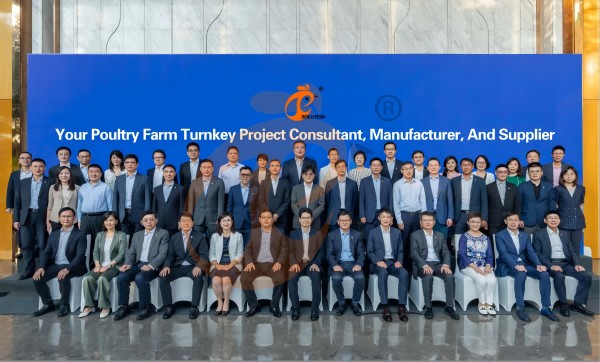
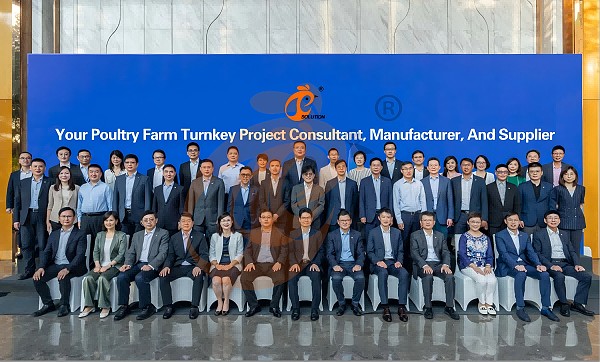
Hong Kong Headquarter Management Team
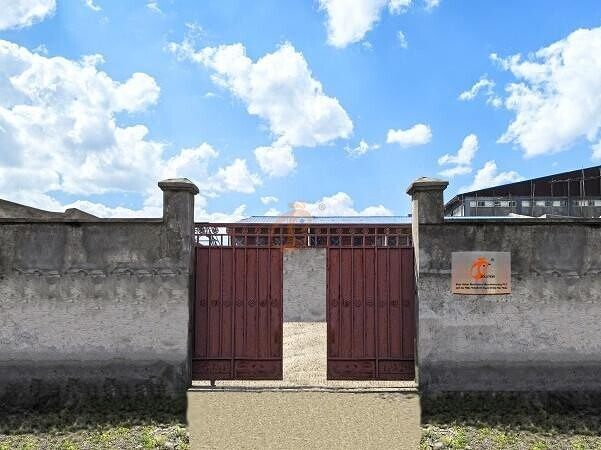
Hong Kong Headquarter Taiyu Industrial Group CO., LTD
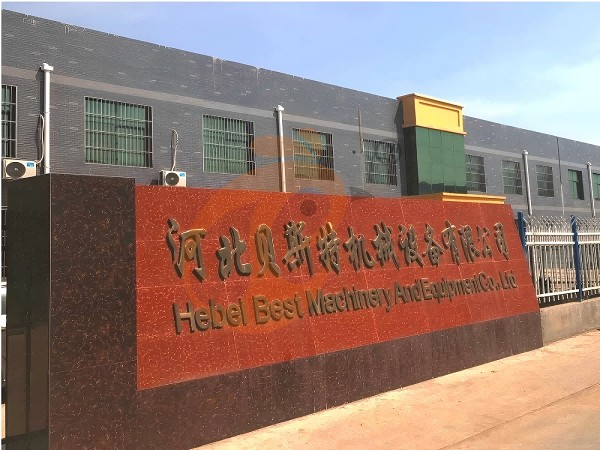
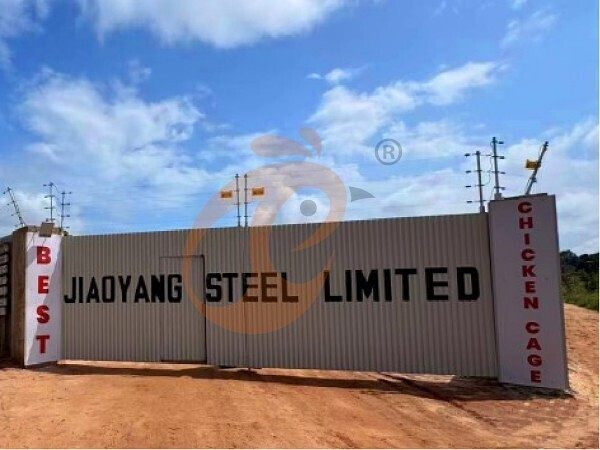
China Hebei Best Machinery And Equipment CO., LTD
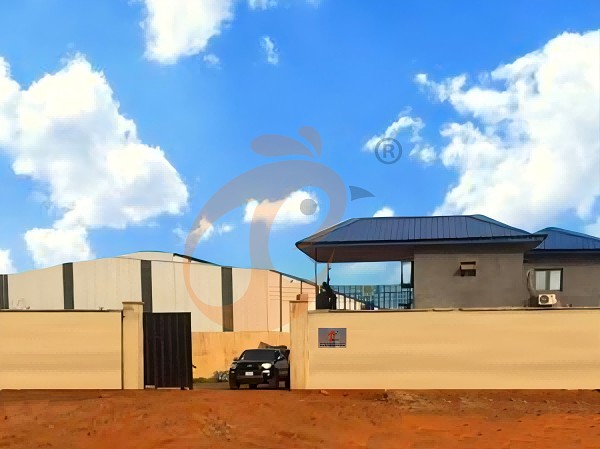
Nigeria Vanke Machinery And Equipment CO., LTD
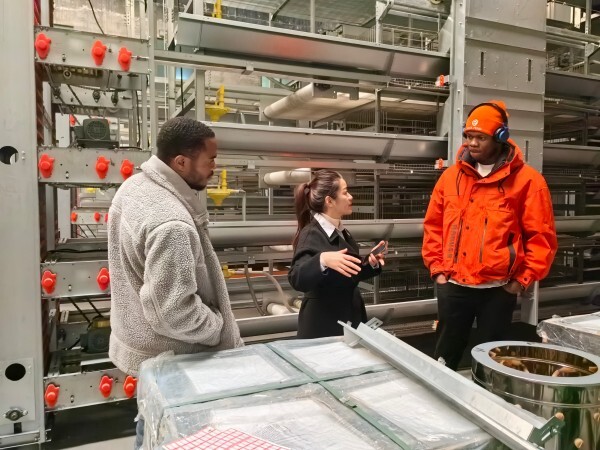
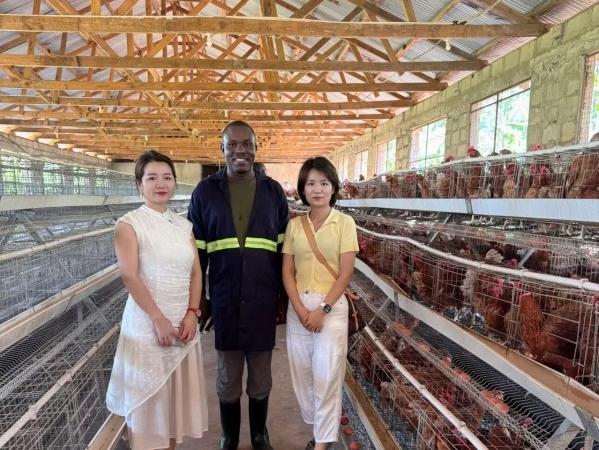
Tanzania Best Machinery And Equipment CO., LTD
Ethiopia Best Hebei Machinery Manufacturing PLC
Reception /24 WhatsApp NO. : +8618830120193
PRODUCTS RECOMMENDED
 China Branch Manufacture Poultry Farm EquipmentRead More
 Ethiopia Branch Manufacture Poultry Farm EquipmentRead More
 Nigeria Branch Manufacture Poultry Farm EquipmentRead More
 Tanzania Branch Manufacture Poultry Farm EquipmentRead More
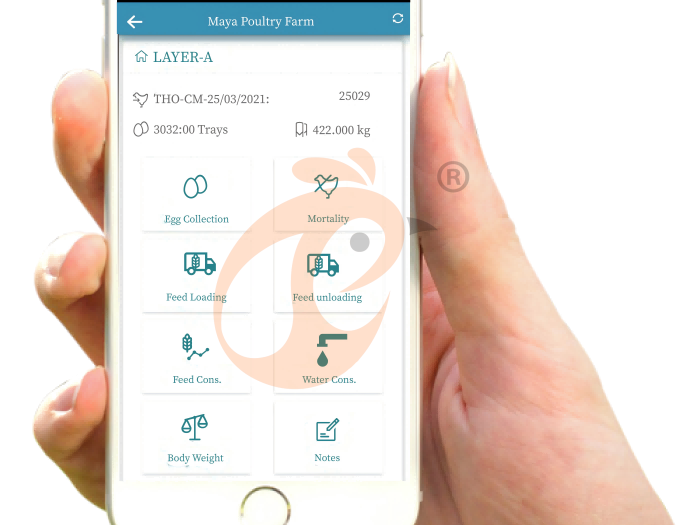
 IoT Smart Poultry FarmRead More
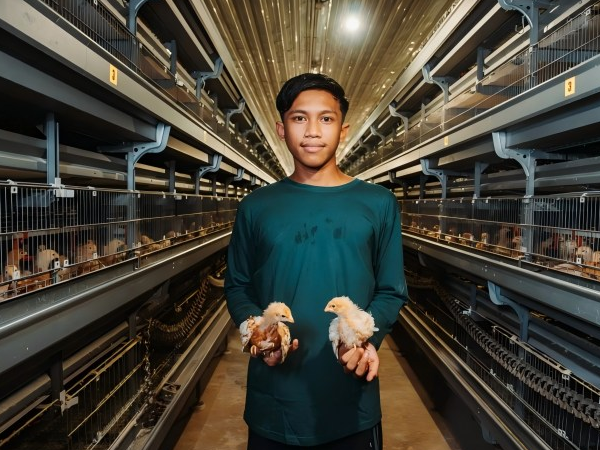
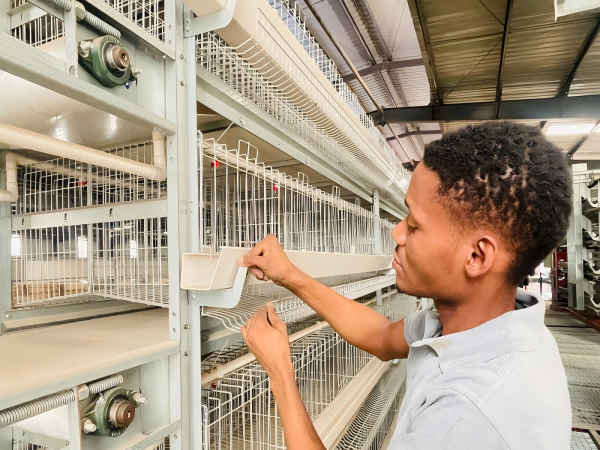
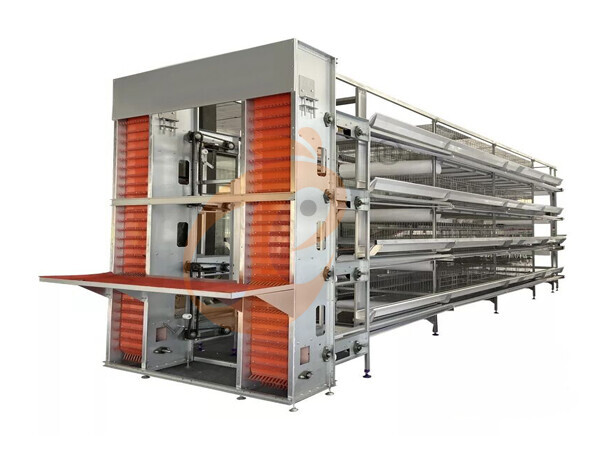
 >30,000 Layers Automatic H Type Battery CageRead More
 10,000 - 30,000 Layers Automatic A Type Battery CageRead More
MESSAGE
NEWS
 50,000 - 100,000 chickens/house: poultry farm solution, chicken cage, poultry farm equipment, AI smart managementRead More
 30,000 - 50,000 chickens/house: poultry farm solution, chicken cage, poultry farm equipment, AI smart managementRead More
 10,000 - 30,000 chickens/house: poultry farm solution, chicken cage, poultry farm equipment, AI smart managementRead More
 100 - 10,000 chickens/house: poultry farm solution, chicken cage, poultry farm equipment, AI smart managementRead More