

NEWS
Deep litter poultry farming offers beginners an economical method for raising healthy chickens while improving manure management and reducing daily labor through proper poultry house planning and reliable poultry equipment.
Learn practical housing design, litter management, feeding, ventilation, biosecurity, and equipment selection from both technical and commercial perspectives for sustainable poultry production.
Modern poultry farms achieve better productivity by combining scientific management with durable chicken cages, automatic feeding systems, and efficient environmental control equipment.
Every section includes practical reference data, helping farmers compare important parameters before planning investments and expanding production capacity.
Suitable equipment selection from experienced manufacturers supports higher flock performance, longer service life, and stronger business profitability with controlled operating costs.
Get professional poultry farm construction guidance, equipment selection solutions, and the latest price lists, whatsApp to +8618830120193, click to learn more:
Build A Proper Poultry House
Successful deep litter farming begins with a poultry house designed for airflow, insulation, drainage, and easy maintenance.
Concrete flooring prevents moisture penetration, while adequate roof height improves natural air circulation.
Many growing farms also combine deep litter areas with automatic poultry feeding system installations to reduce labor input and improve feeding consistency.
Data is for reference only. Swipe horizontally to view full table.
A professionally engineered poultry house minimizes maintenance while creating stable production conditions throughout every growing cycle.
Choose Suitable Bedding Materials
Dry litter creates a healthier environment by limiting excessive moisture and supporting beneficial microbial activity.
Materials should remain loose after daily scratching by birds and should be replaced whenever moisture becomes difficult to control.
Data is for reference only. Swipe horizontally to view full table.
Clean bedding also reduces bacterial growth and improves overall flock comfort during production.
Install Efficient Feeding And Drinking Systems
Feed and water account for the largest portion of poultry operating costs.
Reliable equipment ensures every bird receives consistent nutrition while reducing feed loss.
Farms adopting chicken cage system solutions together with automatic feeders often improve labor efficiency when production expands.
Data is for reference only. Swipe horizontally to view full table.
Accurate feeding equipment decreases waste while maintaining stable bird growth across different production stages.
Maintain Ventilation And Temperature
Fresh air removes moisture, carbon dioxide, dust, and ammonia generated inside poultry houses.
Proper ventilation also keeps litter dry and helps chickens remain active during warm seasons.
Exhaust fans and cooling pads should be selected according to building dimensions instead of flock size alone.
Data is for reference only. Swipe horizontally to view full table.
Stable environmental control reduces stress and improves feed conversion throughout the production period.
Apply Practical Biosecurity Management
Biosecurity begins before chicks arrive.
Workers should disinfect footwear, equipment, and transport vehicles while limiting unnecessary visitors.
Daily inspections help identify abnormal behavior before diseases spread throughout the flock.
Data is for reference only. Swipe horizontally to view full table.
Consistent management produces healthier birds while lowering veterinary expenses over the long term.
Select Reliable Poultry Equipment
Modern poultry farms depend on equipment quality as much as management experience.
Choosing durable poultry farm equipment improves production stability, simplifies maintenance, and supports future expansion.
Equipment manufactured with hot-dip galvanized steel generally offers longer service life under humid poultry house conditions.
Data is for reference only. Swipe horizontally to view full table.
Although initial investment may range from USD $4,500 to USD $18,000, reliable equipment normally reduces repair frequency and improves operational efficiency over many production cycles.
European union standard reference only.
Monitor Bird Health Every Day
Healthy chickens remain active, consume feed consistently, and show bright eyes with clean feathers.
Daily observation allows farmers to detect abnormal behavior before production performance declines.
Recording feed intake, water consumption, and mortality creates valuable management data for future production planning.
Data is for reference only. Swipe horizontally to view full table.
Accurate records support better management decisions while reducing unnecessary production risks.
Manage Manure Efficiently
Deep litter naturally converts manure into valuable organic fertilizer when moisture remains controlled.
Turning litter once every several days increases oxygen circulation and encourages microbial activity.
After each production cycle, composted litter can become an additional farm income source instead of a disposal problem.
Data is for reference only. Swipe horizontally to view full table.
Proper manure handling improves environmental performance while supporting sustainable poultry production.
Estimate Investment Before Expansion
Every poultry project should begin with a realistic investment budget covering housing, equipment, utilities, and future maintenance.
Purchasing complete equipment packages usually simplifies installation and reduces compatibility issues between different systems.
Data is for reference only. Swipe horizontally to view full table.
Careful budgeting reduces financial pressure and supports long-term profitability.
European union standard reference only.
Increase Productivity With Modern Equipment
Modern poultry farms rely on integrated engineering instead of manual labor alone.
Automatic feeding, drinking, ventilation, manure removal, and environmental monitoring systems work together to improve production efficiency.
Selecting compatible equipment from one supplier also simplifies installation, maintenance, and future upgrades.
Farmers planning commercial expansion often achieve better management consistency by using complete equipment solutions rather than purchasing individual machines from multiple manufacturers.
Frequently Asked Questions
Q1: What is the ideal litter depth for deep litter poultry farming?
An initial litter depth between 10 cm and 12 cm is suitable for most poultry houses.
Additional bedding can be added gradually to maintain dryness and improve microbial decomposition.
Q2: How often should deep litter be turned?
Under normal management conditions, litter should be turned every 3 to 5 days.
Regular turning improves air circulation, reduces moisture accumulation, and helps maintain ammonia concentrations near 15 ppm.
Q3: Is deep litter better than cage farming?
Both systems have different advantages.
Deep litter farming suits many broiler operations because of lower infrastructure requirements, while chicken cage systems provide higher space utilization and easier flock management for commercial layer production.
Taiyu (HK) Group - One Of China Largest Poultry Equipment Manufacturer
Professional chicken cage, poultry house, and integrated poultry equipment solutions for modern poultry farms.
Global factory direct supply with standardized manufacturing, strict quality inspection, and competitive project pricing.
Complete poultry equipment covering feeding systems, drinking lines, ventilation systems, manure removal equipment, egg collection systems, and environmental control solutions.
Turn-key poultry farm engineering services including project design, equipment manufacturing, installation guidance, commissioning, and technical training.
Experienced international export team supporting commercial poultry projects with customized engineering specifications and long-term after-sales technical assistance.
Contact Us To Received Your Customized Poultry Farm Plan
Headquarters And Branchs

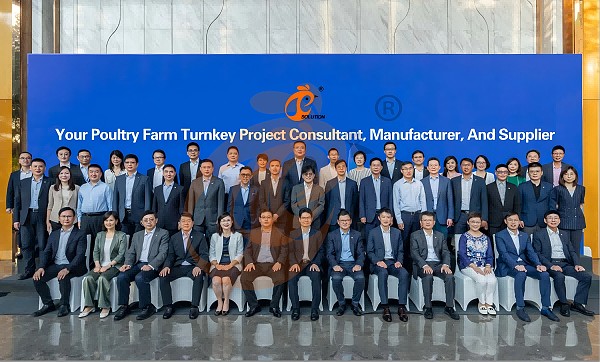
Hong Kong Headquarter Management Team
Hong Kong Headquarter Taiyu Industrial Group CO., LTD
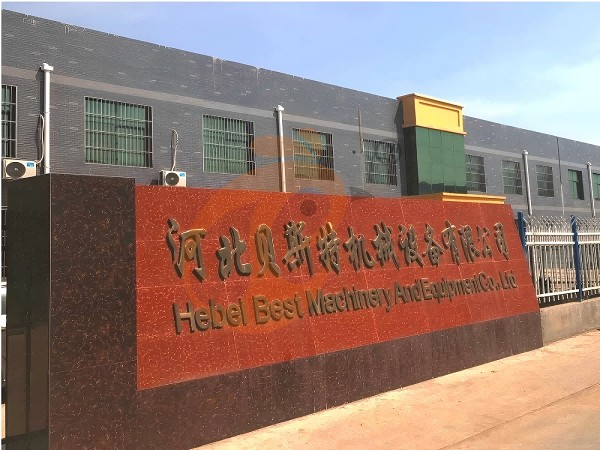
China Hebei Best Machinery And Equipment CO., LTD
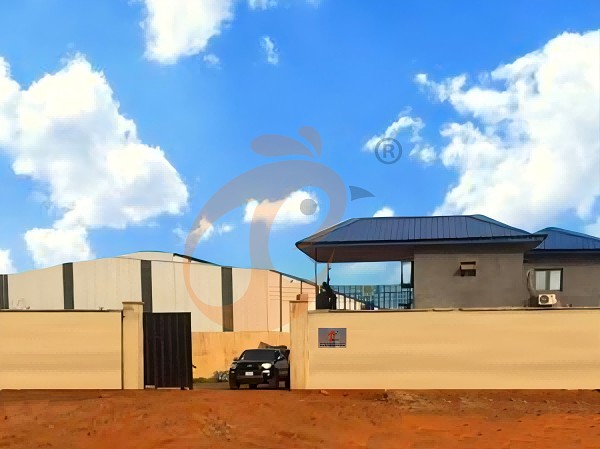
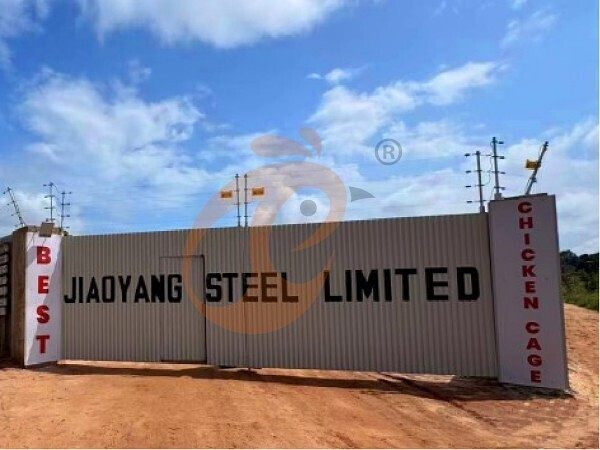
Nigeria Vanke Machinery And Equipment CO., LTD
Tanzania Best Machinery And Equipment CO., LTD
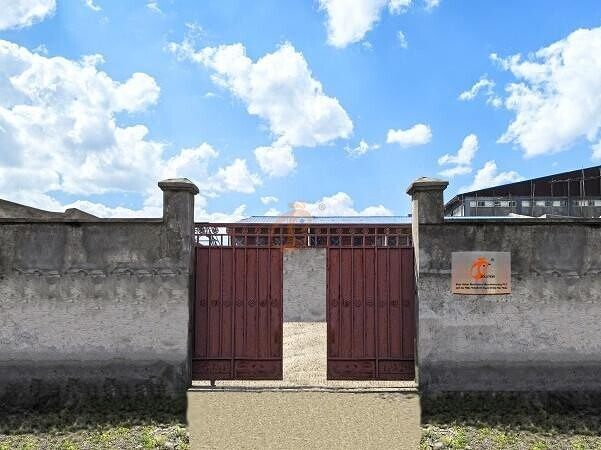
Ethiopia Best Hebei Machinery Manufacturing PLC
Reception /24 WhatsApp NO. : +8618830120193
PRODUCTS RECOMMENDED
 China Branch Manufacture Poultry Farm EquipmentRead More
 Ethiopia Branch Manufacture Poultry Farm EquipmentRead More
 Nigeria Branch Manufacture Poultry Farm EquipmentRead More
 Tanzania Branch Manufacture Poultry Farm EquipmentRead More
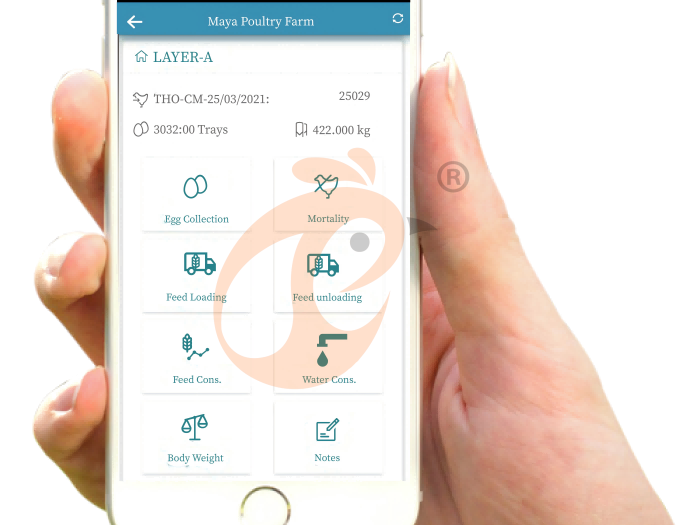
 IoT Smart Poultry FarmRead More
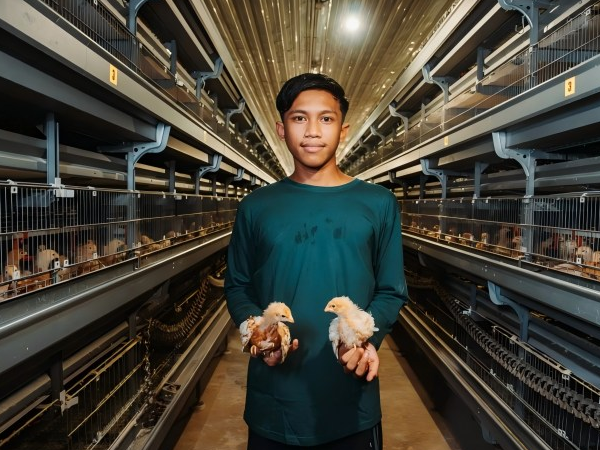
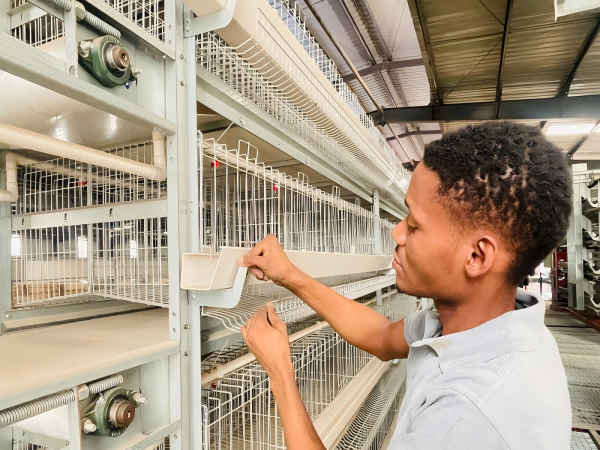
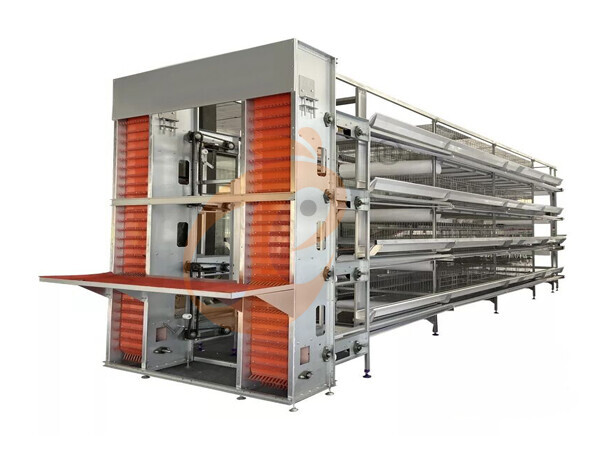
 >30,000 Layers Automatic H Type Battery CageRead More
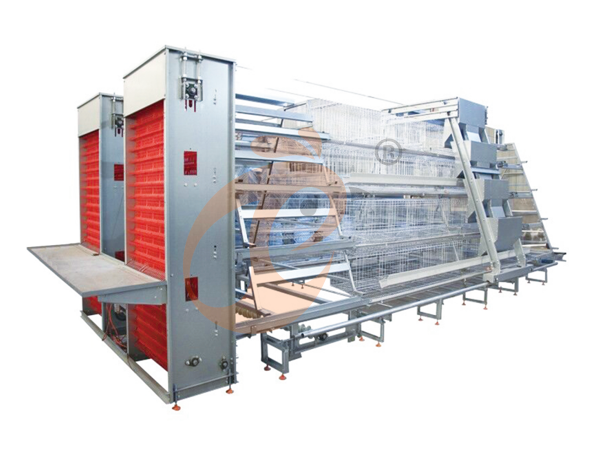
 10,000 - 30,000 Layers Automatic A Type Battery CageRead More
MESSAGE
NEWS
 50,000 - 100,000 chickens/house: poultry farm solution, chicken cage, poultry farm equipment, AI smart managementRead More
 30,000 - 50,000 chickens/house: poultry farm solution, chicken cage, poultry farm equipment, AI smart managementRead More
 10,000 - 30,000 chickens/house: poultry farm solution, chicken cage, poultry farm equipment, AI smart managementRead More
 100 - 10,000 chickens/house: poultry farm solution, chicken cage, poultry farm equipment, AI smart managementRead More