

NEWS
Poultry cage system cost for 10,000 layers determines investment planning, equipment selection, production efficiency, operating budget, and long-term farm profitability with practical purchasing guidance for commercial egg producers.
Commercial poultry projects require balanced decisions covering housing equipment, automation level, labor efficiency, maintenance planning, and future production expansion without unnecessary investment risks.
Modern layer farms achieve stronger economic performance through reliable cage structures, automatic feeding, efficient manure removal, stable ventilation, and intelligent drinking systems supporting continuous egg production.
Equipment quality, galvanized steel durability, factory engineering capability, and installation experience directly influence operating expenses, maintenance frequency, and overall return during every production cycle.
Complete investment analysis helps buyers compare equipment solutions, estimate project budgets, understand operating costs, and choose dependable manufacturing partners for sustainable poultry business development.
Get professional poultry farm construction guidance, equipment selection solutions, and the latest price lists, whatsApp to +8618830120193, click to learn more:
What Determines Poultry Cage System Investment?
Planning a farm for 10,000 laying hens starts with much more than selecting cages.
Building dimensions, automation level, local labor costs, transportation distance, electrical configuration, and production targets all contribute to the final investment.
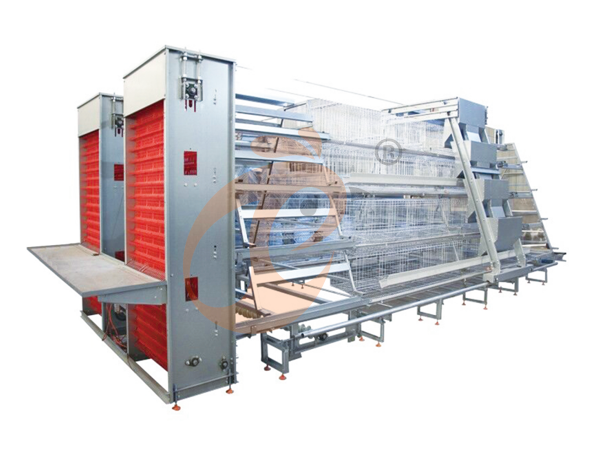
Many commercial farms also compare automatic layer cage system, battery cage system for layers, and commercial poultry equipment before making purchasing decisions.
A cage frame using 275 g/m² galvanized coating and 3.6 mm steel wire generally delivers longer service life while reducing maintenance frequency.
Typical complete equipment investment ranges from USD 28,900 to USD 73,600 depending on configuration.
European union standard reference only.
Data is for reference only.Swipe horizontally to view full table.
Poultry House Size Influences Overall Budget
Housing capacity affects both construction efficiency and equipment layout.
Proper equipment spacing improves airflow while reducing daily management time.
Planning enough clearance around feed lines and manure conveyors also helps lower mechanical wear throughout multiple production cycles.
Data is for reference only.Swipe horizontally to view full table.
Cage Equipment Cost Breakdown
Cage equipment normally represents the largest investment within a commercial egg production project.
Hot-dip galvanized steel structures reduce corrosion while maintaining dimensional stability under continuous production conditions.
A properly engineered frame also decreases vibration during feeding operations and improves equipment lifespan.
Wire tensile strength around 560 MPa and cage depth near 650 mm support comfortable bird movement and efficient egg collection without occupying unnecessary building space.
Data is for reference only.Swipe horizontally to view full table.
Automatic Feeding Reduces Daily Labor
Feed distribution directly influences flock uniformity and egg production consistency.
Automatic chain feeding delivers feed evenly across every cage row while reducing manual labor requirements.
Stable feeding speed and accurate feed delivery help minimize material waste and improve production scheduling during large-scale farm operation.
Data is for reference only.Swipe horizontally to view full table.
Automatic Drinking System Improves Bird Performance
Fresh and stable water supply remains one of the most important factors affecting egg production.
A nipple drinking system maintains cleaner water than open channels while reducing daily maintenance work.
Pressure regulators and filtration units help every drinking line operate consistently throughout the poultry house.
A water flow rate close to 70 mL/min and pipeline pressure around 20 kPa support reliable hydration during peak laying periods.
Data is for reference only.Swipe horizontally to view full table.
Manure Removal Equipment Saves Operating Time
Timely manure removal improves air quality, reduces ammonia accumulation, and creates a healthier production environment.
Automatic manure belts operate on scheduled intervals, helping farms maintain cleaner buildings with fewer labor requirements.
Reliable transmission components also reduce maintenance frequency during continuous operation.
Data is for reference only.Swipe horizontally to view full table.
Ventilation And Environmental Control
Environmental control equipment contributes directly to flock comfort and production stability.
Proper ventilation removes excess moisture while maintaining fresh air throughout the house.
Balanced airflow also helps reduce dust accumulation around cage rows and feeding equipment.
Selecting coordinated ventilation, cooling, and lighting systems creates a more efficient production environment across every laying cycle.
Data is for reference only.Swipe horizontally to view full table.
Installation And Engineering Planning
Professional engineering planning shortens installation time while improving long-term equipment performance.
Accurate foundation positioning, cage alignment, electrical routing, and mechanical calibration reduce commissioning delays.
A complete project normally includes layout drawings, equipment numbering, assembly guidance, and operation training before production begins.
Data is for reference only.Swipe horizontally to view full table.
Operating Cost During Production
Initial investment is only one part of the total project budget.
Daily electricity, feed handling, routine inspection, spare parts, and preventive maintenance determine long-term profitability.
Reliable poultry equipment often reduces unexpected downtime and keeps egg collection operating continuously across multiple production cycles.
Data is for reference only.Swipe horizontally to view full table.
Return On Investment Analysis
A complete poultry cage system should be evaluated by production efficiency rather than purchase price alone.
Long-lasting galvanized structures, automated feeding, stable drinking systems, and efficient manure removal reduce operating expenses over many years.
Lower maintenance frequency and better flock management help commercial farms recover equipment investment more predictably while preparing for future expansion.
Data is for reference only.Swipe horizontally to view full table.
Frequently Asked Questions
Q1: How much should a complete poultry cage system for 10,000 layers cost?
Most commercial projects require different investment levels according to automation configuration, building size, and engineering requirements.
A fully automated solution generally includes cages, feeding, drinking, manure removal, ventilation, and electrical control equipment.
A cage service life of around 20 years can significantly improve long-term investment value.
Q2: Can an existing poultry house be upgraded with automatic equipment?
Yes.
Many existing poultry houses can be renovated by installing automatic feeding, nipple drinking, manure removal, and environmental control systems.
Engineers normally evaluate the building structure, power supply, and internal dimensions before preparing a retrofit solution.
Q3: Why is galvanized poultry cage equipment recommended?
Galvanized steel provides stronger corrosion resistance and maintains structural stability under continuous farm operation.
Steel coating quality, wire processing accuracy, and component consistency help reduce maintenance while supporting reliable daily egg production.
Taiyu (HK) Group - One Of China Largest Poultry Equipment Manufacturer
Professional layer poultry cage systems designed for commercial farms with reliable structural performance and scalable production capacity.
Global factory-direct supply supports competitive procurement, stable manufacturing quality, and efficient international project delivery.
Complete poultry equipment solutions include automatic feeding, nipple drinking, manure removal, egg collection, ventilation, environmental control, and intelligent electrical systems.
Turn-key engineering services cover farm planning, equipment layout, manufacturing, container loading, overseas installation guidance, commissioning, and technical training.
Experienced export team provides commercial specifications, engineering drawings, project customization, quality inspection, spare parts support, and responsive after-sales technical service.
Contact Us To Received Your Customized Poultry Farm Plan
Headquarters And Branchs
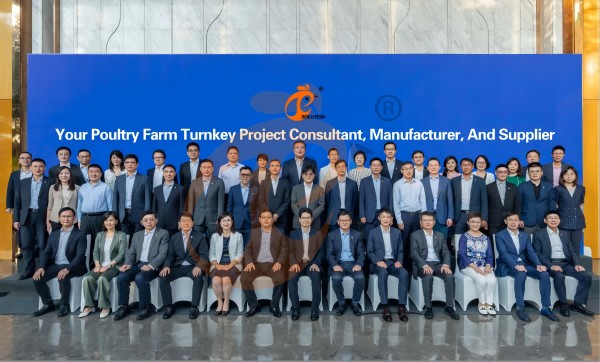
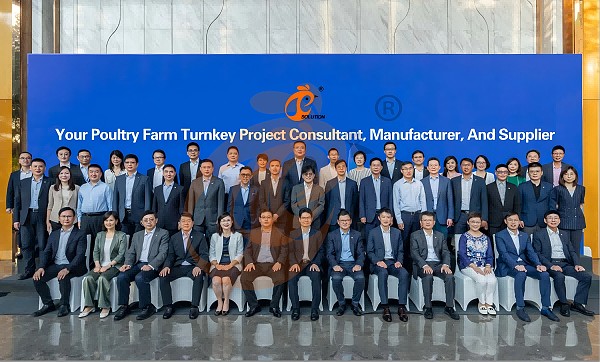
Hong Kong Headquarter Management Team
Hong Kong Headquarter Taiyu Industrial Group CO., LTD
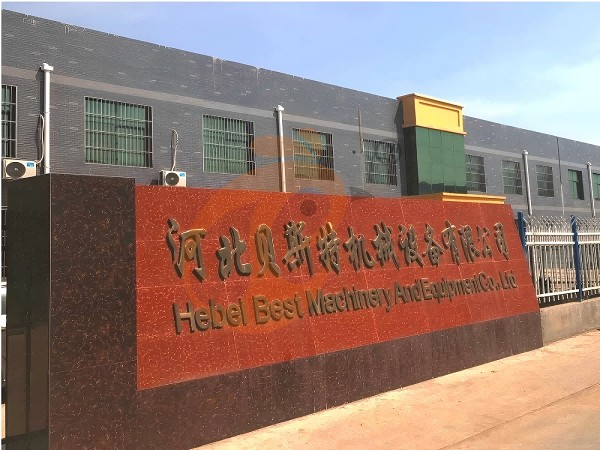
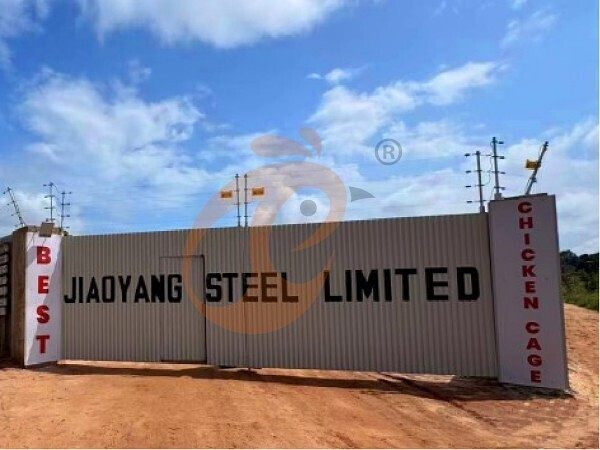
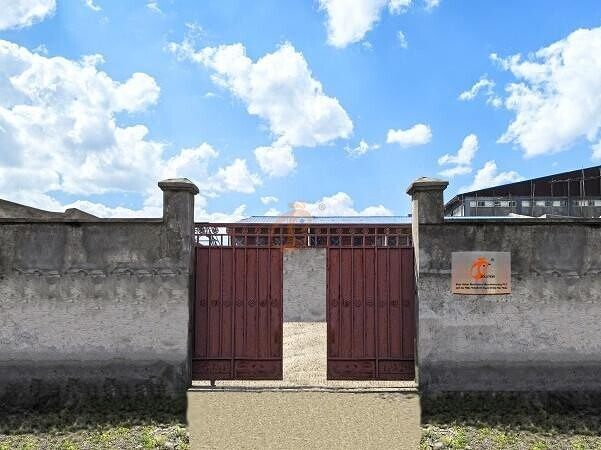
China Hebei Best Machinery And Equipment CO., LTD
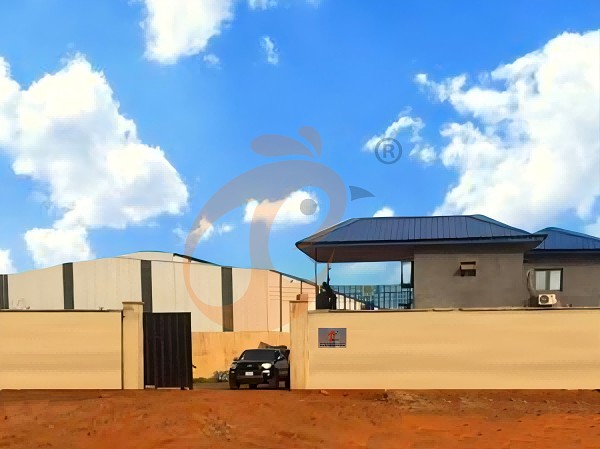
Nigeria Vanke Machinery And Equipment CO., LTD
Tanzania Best Machinery And Equipment CO., LTD
Ethiopia Best Hebei Machinery Manufacturing PLC
Reception /24 WhatsApp NO. : +8618830120193
PRODUCTS RECOMMENDED
 China Branch Manufacture Poultry Farm EquipmentRead More
 Ethiopia Branch Manufacture Poultry Farm EquipmentRead More
 Nigeria Branch Manufacture Poultry Farm EquipmentRead More
 Tanzania Branch Manufacture Poultry Farm EquipmentRead More
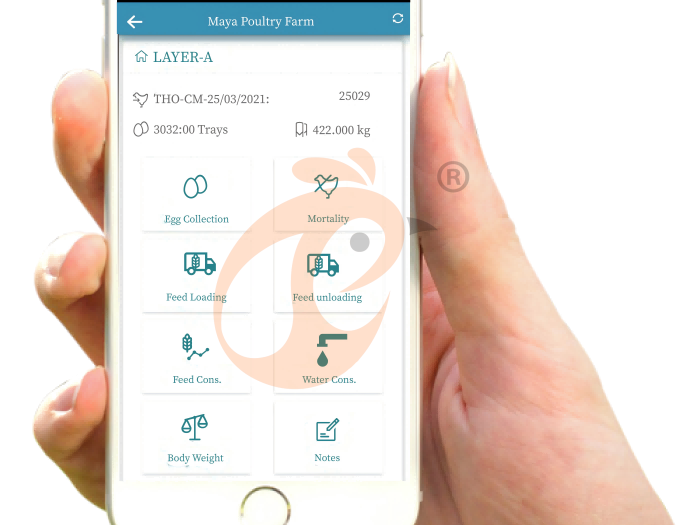
 IoT Smart Poultry FarmRead More
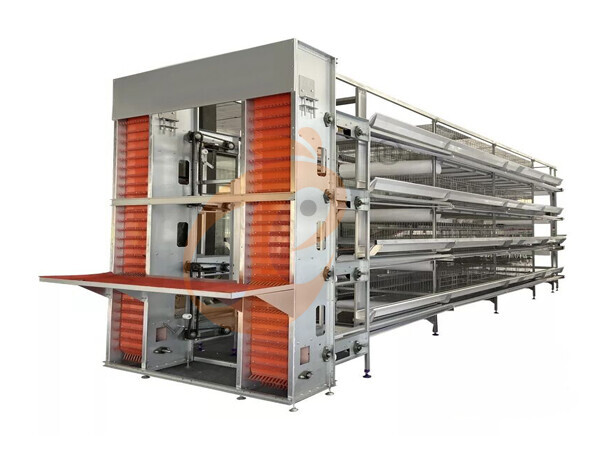
 >30,000 Layers Automatic H Type Battery CageRead More
 10,000 - 30,000 Layers Automatic A Type Battery CageRead More
MESSAGE
NEWS
 50,000 - 100,000 chickens/house: poultry farm solution, chicken cage, poultry farm equipment, AI smart managementRead More
 30,000 - 50,000 chickens/house: poultry farm solution, chicken cage, poultry farm equipment, AI smart managementRead More
 10,000 - 30,000 chickens/house: poultry farm solution, chicken cage, poultry farm equipment, AI smart managementRead More
 100 - 10,000 chickens/house: poultry farm solution, chicken cage, poultry farm equipment, AI smart managementRead More