

BLOG
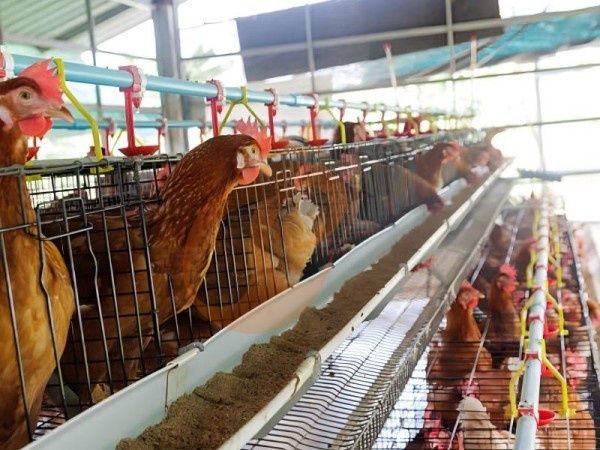
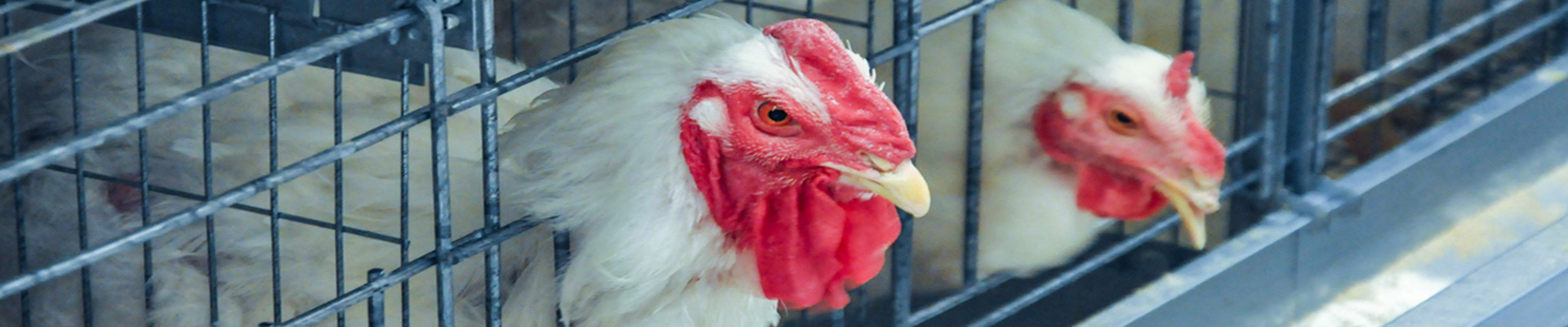
A-type chicken cage installation helps Ethiopian poultry farmers increase egg production efficiency and optimize poultry house space.
Proper cage installation improves bird health, reduces disease transmission, and simplifies manure management.
Structured cage layouts allow higher stocking density compared with traditional floor systems.
Well-installed systems support stable egg collection, feeding distribution, and water supply.
Standardized installation procedures reduce maintenance costs and extend cage service life.
Get professional poultry farm construction guidance, equipment selection solutions, and the latest price lists, whatsApp to +8618830120193, click to learn more:

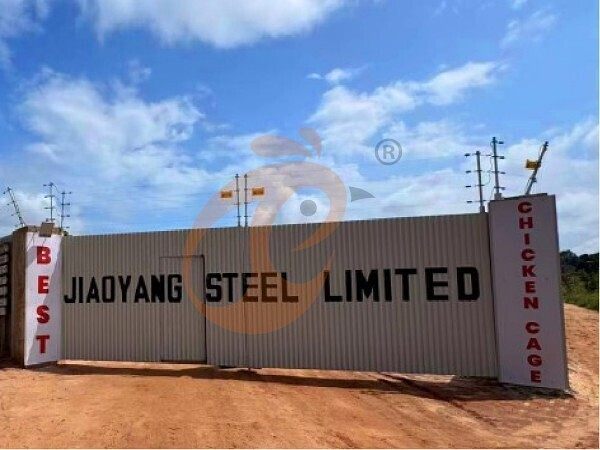
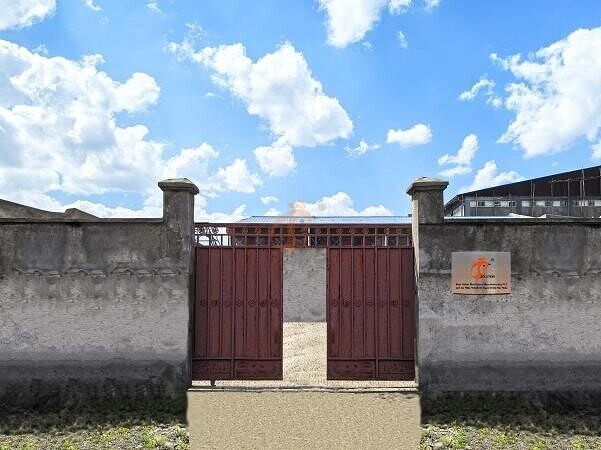
Ethiopia Branch Office And Factory Of Poultry Farm Equipment
The Strategic Importance Of A-Type Cages In Ethiopia
Ethiopia's unique topography ranging from the cool Ethiopian Highlands to the arid Rift Valley requires poultry housing that is both resilient and adaptable.
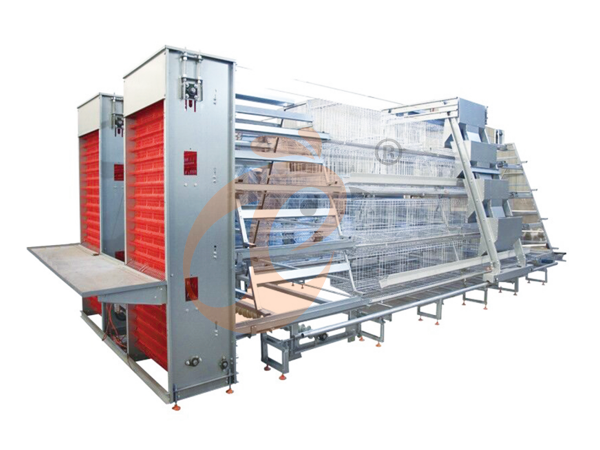
The A-type cage, named for its triangular side profile, is particularly suited for the Ethiopian context.
Unlike H-type cages which often require automated climate control and significant electrical infrastructure, A-type cages excel in naturally
ventilated houses, making them ideal for regions where the power grid may be inconsistent.
Why Choose A-Type For The Ethiopian Market
Natural ventilation: The tiered structure allows for excellent airflow, crucial for managing temperatures in areas like Dire Dawa or Gambela.
Ease of maintenance: Manure falls directly into a pit or onto the floor, which can be manually cleaned.This approach is practical for farms where labor availability is stable.
Durability: High-quality A-type poultry cage systems are hot-dipped galvanized, protecting them against the moisture of the rainy season (Kiremt).
Site Selection And Foundation Preparation
Before the first crate of equipment arrives, the site must be prepared.In Ethiopia, soil types vary significantly.
Whether you are dealing with the ''Red Soil'' (Nitosols) of the highlands or the ''Black Cotton Soil'' (Vertisols) which expands and contracts, a solid foundation is non-negotiable.
Land Leveling And Orientation
The chicken house should be oriented East-to-West.
This prevents direct sunlight from hitting the birds during the hottest parts of the day and reduces heat stress.
Given the heavy rainfall during the Kiremt season, the floor must be raised 30 cm to 50 cm above the ground level to prevent flooding.
Data is for reference only.Swipe horizontally to view full table.
Concrete Flooring
A concrete floor is essential for bio-security.
It allows thorough disinfection between production cycles.
For a standard 3-tier A-type poultry cage installation, the floor must support the weight of cages, birds, and manure accumulation.
Unpacking And Component Inventory
Logistics in Ethiopia can be challenging.Whether equipment arrives via the Port of Djibouti or is trucked from domestic distributors, the first task is a detailed inventory check.
Essential Components
A-frames: Structural support legs of the system.
Cage mesh: Top, bottom, back, and side wire panels.
Feed troughs: Usually PVC or galvanized steel.
Watering system: PVC pipes, nipple drinkers, and pressure regulators.
Fasteners: Specialized M-clips, bolts, and nuts.
Data is for reference only.Swipe horizontally to view full table.
Assembling The Main A-Frame Structure
The A-frame forms the structural skeleton of the poultry cage installation.
If the frame alignment is incorrect, the feeding and watering lines will not function correctly.
Positioning The Frames
Start by marking the floor.A-type cages are typically installed in rows.
In a poultry house measuring 9 meters in width, it is possible to install three rows of cages with two service aisles.
Ensuring Stability
Frames must be anchored into the concrete foundation using expansion bolts.
The spacing between frames should match the length of one cage unit, typically 1.95 meters.
Data is for reference only.Swipe horizontally to view full table.
Installing The Cage Mesh And Tiers
After the frames are secured, the cage mesh and tier sections are mounted.
Bottom Mesh And Egg Slope
The bottom mesh of an A-type cage is installed with a 7° to 8° slope.
This allows eggs to roll gently into the egg collection trough without cracking.
Data is for reference only.Swipe horizontally to view full table.
Connection Points
Using M-clips, the back mesh connects to the top and bottom panels.
No sharp wire ends should remain exposed.
Bird injuries must be prevented during cage occupancy.
Setting Up The Drinking And Feeding Systems
Water is the most critical nutrient in poultry farming.The A-type cage system uses a closed nipple drinking system which significantly reduces disease transmission.
The Watering System
Water tank: Installed at elevated height for gravity pressure supply.
Nipple drinkers: Stainless steel 360° nipple drinkers recommended.
Filtering: A 50-micron filter should be installed to remove sediment from groundwater sources.
The Feeding System
Feeding can be manual or semi-automatic.
In many Ethiopian farms, manual feeding through PVC troughs is widely used.
Data is for reference only.Swipe horizontally to view full table.
Waste Management And Ventilation Controls
Manure management plays a critical role in poultry farm sanitation.
In an A-type poultry cage system, manure falls through cage layers into a pit.
Manure Pits Vs Belts
Some farms use manure belts, while many Ethiopian farms use deep pit manure systems.
Installation tip: the manure pit should be cement-lined to simplify cleaning.
Ventilation curtains made from polyethylene sheets allow airflow regulation during seasonal temperature changes.
Data is for reference only.Swipe horizontally to view full table.
Final Inspection And Bird Placement
Before pullets arrive from hatcheries, a final inspection must be conducted.
Check cage joints for sharp edges.
Test water nipples for stable flow.
Sanitize the poultry house with disinfectant spray.
Confirm cage slope and level alignment.
Data is for reference only.Swipe horizontally to view full table.
The Economic Impact Of A-Type Cages And Poultry Cage Installation
The adoption of A-type poultry cage systems significantly improves poultry production efficiency.
Switching from floor systems to cages can increase bird density by 300% to 400% within the same building footprint.
Higher Egg Quality
Eggs roll directly from the cage floor into collection trays.
This reduces egg contamination and shell damage.
Disease Mitigation
Birds remain separated from manure, reducing parasite exposure and lowering veterinary treatment expenses.
Maintenance And Long-Term Success
Dust accumulation is common during the dry season.
Weekly cleaning of cage wires helps maintain hygiene.
Galvanization And Rust Protection
Hot-dipped galvanized steel cages can operate 25+ years under Ethiopian environmental conditions.
Cold-galvanized cages typically show corrosion after 2 to 3 years.
Frequently Asked Questions
Q1: How long does it take to install an A-type chicken cage system?
A1: Installation for a 5000-bird poultry house usually requires 3 to 5 working days with a team of 4 technicians.
Q2: How many chickens can a 3-tier A-type cage hold?
A2: A standard double-side cage set can accommodate 120 birds per unit, depending on cage dimensions.
Q3: What maintenance is required after installing an A-type poultry cage?
A3: Regular inspection of drinkers, weekly cage cleaning, and structural checks every production cycle are recommended.
Ethiopia Best Hebei Machinery Manufacturing Plc - One Of Ethiopia Largest Poultry Cage Manufacturer
Global factory direct supply of poultry farm equipment including A-type poultry cage systems and feeding equipment.
Professional manufacturing of poultry cage systems with hot-dip galvanized steel thickness 275 g/m² zinc coating and structural lifespan 25+ years.
Full Turn-key poultry farm engineering projects, covering cage design, installation guidance, ventilation layout, and feeding system configuration.
Production capacity exceeding 50000 cage sets per year, supporting farms ranging from 1000 to 50000 birds.
Integrated supply chain for poultry farm equipment, egg collection systems, drinking systems, and manure removal equipment.
Contact Us To Received Your Customized Poultry Farm Plan
Headquarters And Branchs
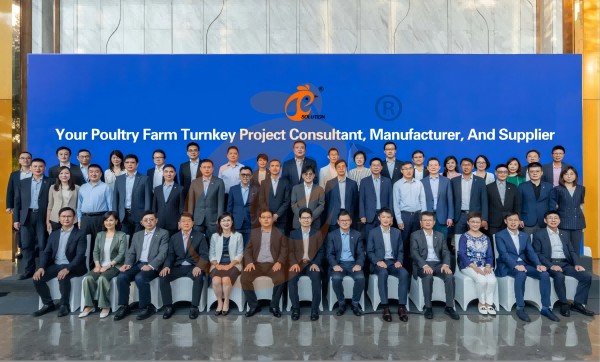
Hong Kong Headquarter Management Team
Hong Kong Headquarter Taiyu Industrial Group CO., LTD
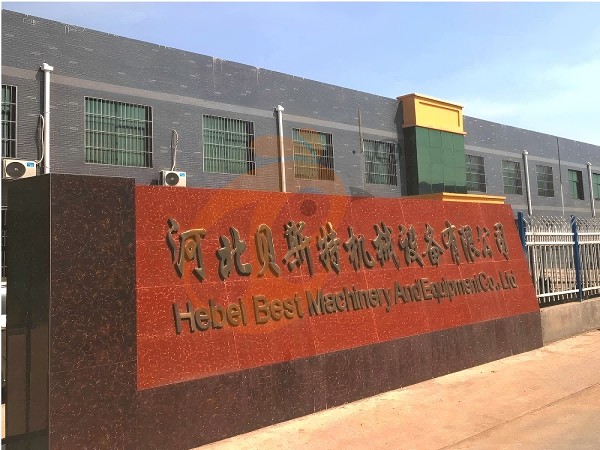
China Hebei Best Machinery And Equipment CO., LTD
Nigeria Vanke Machinery And Equipment CO., LTD
Tanzania Best Machinery And Equipment CO., LTD
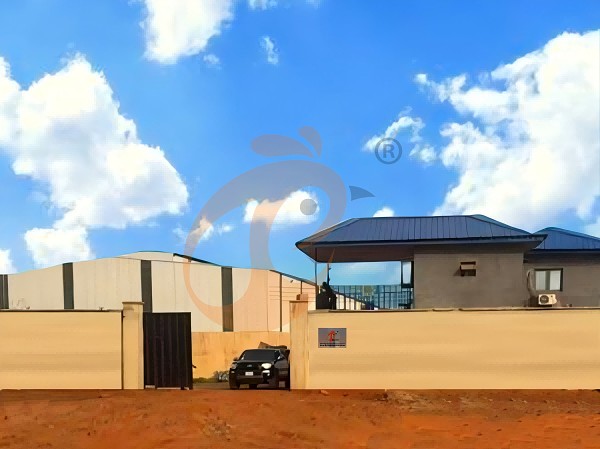
Ethiopia Best Hebei Machinery Manufacturing PLC
Reception /24 WhatsApp NO. : +8618830120193
PRODUCTS RECOMMENDED
 China Branch Manufacture Poultry Farm EquipmentRead More
 Ethiopia Branch Manufacture Poultry Farm EquipmentRead More
 Nigeria Branch Manufacture Poultry Farm EquipmentRead More
 Tanzania Branch Manufacture Poultry Farm EquipmentRead More
 IoT Smart Poultry FarmRead More
 >30,000 Layers Automatic H Type Battery CageRead More
 10,000 - 30,000 Layers Automatic A Type Battery CageRead More
MESSAGE
NEWS
 What Makes A Factory-Direct A Type Chicken Battery Cage More Cost-Effective? 4 ReasonsRead More
 Deep Litter System For Broilers Vs Cage | Which Is More Profitable?Read More
 Free Range Broiler System Vs Intensive Farming | Which Is More Profitable?Read More
 Broiler Floor Rearing System Cost | 6 Factors Affecting PriceRead More