

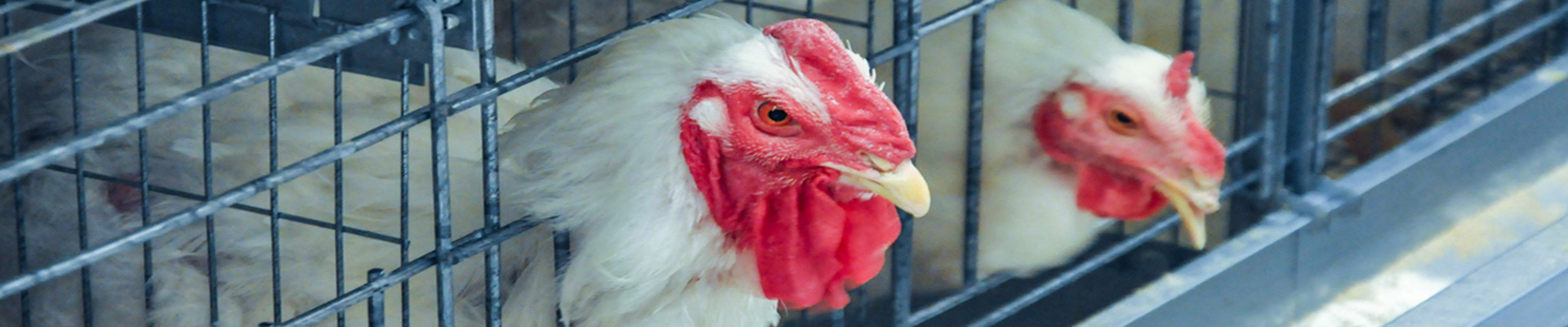
BLOG
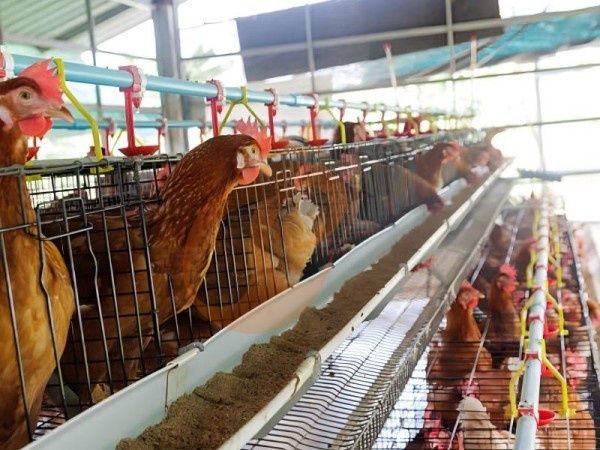
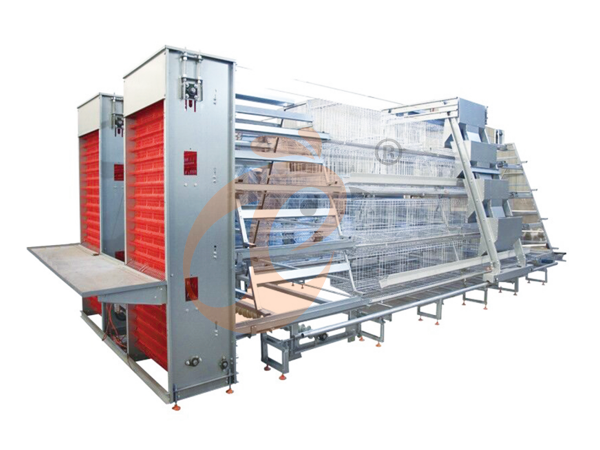
H-type chicken cage Ethiopia supports commercial egg production with multi-tier vertical structures that increase bird capacity within fixed building dimensions.
Commercial poultry farms in Ethiopia require stable housing systems capable of supporting 30,000–100,000 laying hens in closed-house environments.
Automated feeding, egg collection, and manure removal systems reduce labor requirements and maintain stable daily management cycles.
Standard cage steel structures use Q235 bridge steel and hot-dip galvanized surfaces designed for 25+ years operational service life.
Integrated environmental control systems regulate temperature, humidity, ventilation rate, and ammonia concentration inside poultry houses.
Get professional poultry farm construction guidance, equipment selection solutions, and the latest price lists, whatsApp to +8618830120193, click to learn more:

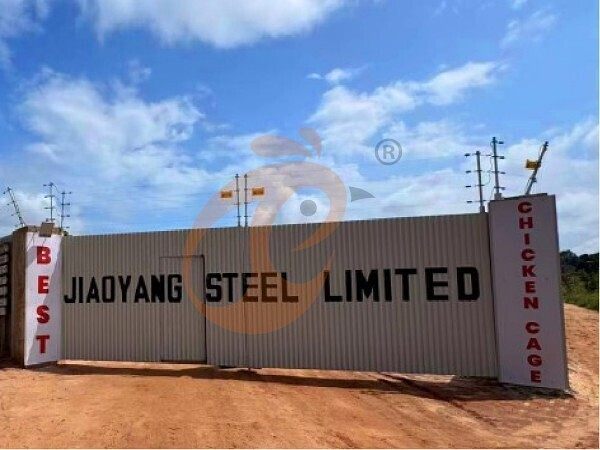
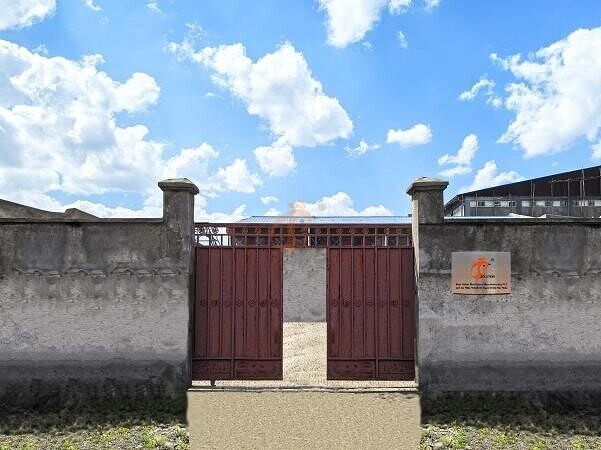
Ethiopia Branch Office And Factory Of Poultry Farm Equipment
The Ethiopian Poultry Context: Why H-Type?
In Ethiopia, land availability for commercial poultry production is limited in rapidly expanding agricultural zones.
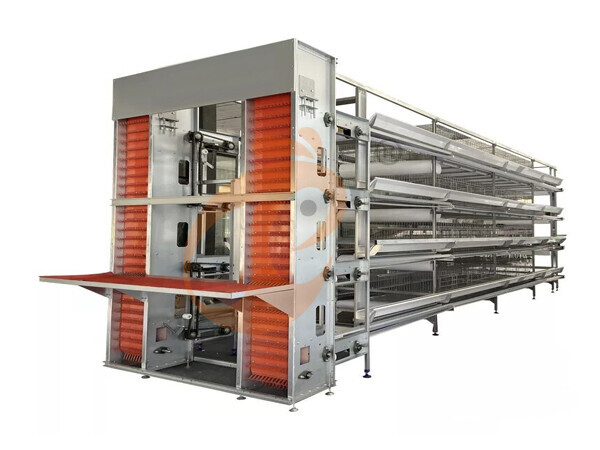
Using H-type layer cage system Ethiopia allows vertical stacking of cage tiers up to 4–16 levels, increasing bird capacity within the same building footprint.
Closed-house poultry buildings are widely used in regions including Oromia and Amhara.
These houses provide controlled temperature and airflow environments, allowing laying breeds such as Bovans Brown and Sasso to maintain stable egg production cycles.
Data is for reference only. Swipe horizontally to view full table.
Key Buying Factor: Durability And Material Science
Inside poultry houses, ammonia produced from manure creates a corrosive environment for steel structures.
Cage systems manufactured with electro-galvanized wire typically show oxidation after approximately 24–36 months in poultry production environments.
Hot-dip galvanization forms a metallurgical zinc coating through immersion of steel components in molten zinc at approximately 450 °C.
The resulting protective layer protects steel from internal and external corrosion.
This protection is important for poultry farms located in regions such as Jimma where humidity and altitude conditions affect equipment longevity.
Hot-dip galvanized poultry cages typically maintain operational durability for 25+ years under normal poultry production environments.
Data is for reference only. Swipe horizontally to view full table.
Key Buying Factor: Spatial Efficiency And Density
One of the main advantages of H-type poultry cage system Ethiopia is its vertical structural design.
Unlike A-type cages which require stepped tiers and wider aisle spacing, H-type cages stack vertically and allow manure belt installation between each tier.
A poultry building measuring 100 m × 15 m can support significantly greater bird numbers when equipped with multi-tier H-type cages.
Commercial poultry farms commonly recommend flock sizes between 30,000 and 100,000 laying hens to maintain stable feed supply logistics, egg collection efficiency, and ventilation control.
Data is for reference only. Swipe horizontally to view full table.
Key Buying Factor: Automation And Labor Efficiency
Managing poultry farms containing more than 50,000 laying hens requires mechanical systems that ensure consistent feeding, egg collection, and manure removal.
Modern H-type cage systems integrate automated equipment forming a coordinated operational system.
Automatic feeding systems distribute feed evenly along trough lines using motor-driven hopper systems.
Manure belts manufactured from polypropylene transport waste outside the poultry building at programmed intervals.
Egg collection systems transfer eggs from cage fronts to central packing areas using conveyor belts designed to reduce shell damage.
Automated H-type poultry systems typically reduce labor requirements by approximately 70–90% compared with manual cage management.
Data is for reference only. Swipe horizontally to view full table.
Key Buying Factor: Environmental Control
Ethiopian poultry farms operate in different climate zones including the Rift Valley and central plateau regions.
Environmental control systems regulate the microclimate inside closed poultry houses.
Tunnel ventilation systems move air through the building at controlled velocity using exhaust fans and evaporative cooling pads.
Maintaining proper temperature, humidity, and ammonia concentration supports stable laying performance and bird health.
Under stable environmental conditions, laying hens can maintain egg production rates between 90–98% during peak laying periods.
Data is for reference only. Swipe horizontally to view full table.
Key Buying Factor: After-Sales Service And Logistics In Ethiopia
Commercial poultry equipment installation involves international transport, customs clearance, and mechanical assembly processes.
Equipment shipped through Djibouti port typically requires inland transport to production areas including Addis Ababa, Bishoftu, and Adama.
Local spare parts storage and technical training help poultry farm staff maintain feeding motors, drinking systems, and conveyor belts.
Data is for reference only. Swipe horizontally to view full table.
Pricing Analysis: The Cost Of Modernization
Pricing for H-type cage systems used in Ethiopian poultry farms is typically calculated according to bird capacity.
Costs include steel structure manufacturing, automated equipment systems, transport, and installation.
The following estimates represent typical investment ranges for multi-tier cage systems.
Data is for reference only. Swipe horizontally to view full table.
Currency values converted to Ethiopian birr based on international market averages.
European union reference standard for price comparison only.
Financial Return: The Ethiopian Egg Advantage
Layer hens raised in floor systems commonly produce 250–270 eggs per bird annually.
In climate-controlled H-type poultry houses, production cycles can reach 310–320 eggs per bird annually.
Feed conversion ratio for commercial laying hens typically ranges between 1.9–2.1 FCR under balanced nutrition programs.
Feed consumption represents approximately 65–70% of poultry production cost.
Specially designed feed trough structures reduce feed scattering by approximately 10–15%.
These operational improvements increase overall production efficiency across large-scale poultry farms.
Frequently Asked Questions
Q1: What capacity can an H-type battery cage system support in Ethiopia poultry farms?
A1: A standard poultry building measuring 100 m × 15 m equipped with 6-tier H-type cages can accommodate approximately 57,000 laying hens depending on cage configuration, and recommended farm scale ranges from 30,000 to 100,000 birds.
Q2: How long does H-type poultry cage equipment operate before replacement?
A2: Hot-dip galvanized cage structures typically operate for 25+ years under normal poultry house environmental conditions.
Q3: What automation equipment is included in H-type poultry cage systems?
A3: Typical systems include automatic feeding machines, manure belt removal equipment, egg collection conveyors, nipple drinking systems, and environmental ventilation systems.
Ethiopia Best Hebei Machinery Manufacturing Plc - One Of Ethiopia Largest Battery Cage Supplier
Global factory direct supply of poultry farm equipment including multi-tier H-type poultry cage systems.
Engineering design and manufacturing for complete poultry houses supporting 30,000–100,000 laying hens per project.
Turn-key poultry farm construction including cage installation, ventilation systems, feeding lines, and manure belt systems.
Technical equipment parameters include Q235 steel cage frames, 80–120 μm hot-dip galvanized coating, and automatic feeding motors rated 0.75–1.5 kW.
Export logistics, installation engineering teams, and training support for poultry farm operation management.
Contact Us To Received Your Customized Poultry Farm Plan
Headquarters And Branchs
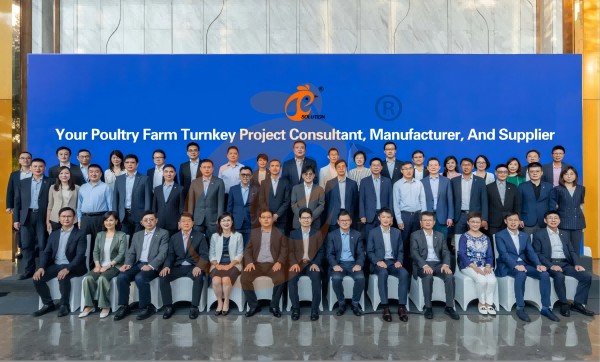
Hong Kong Headquarter Management Team
Hong Kong Headquarter Taiyu Industrial Group CO., LTD
China Hebei Best Machinery And Equipment CO., LTD
Nigeria Vanke Machinery And Equipment CO., LTD
Tanzania Best Machinery And Equipment CO., LTD
Ethiopia Best Hebei Machinery Manufacturing PLC
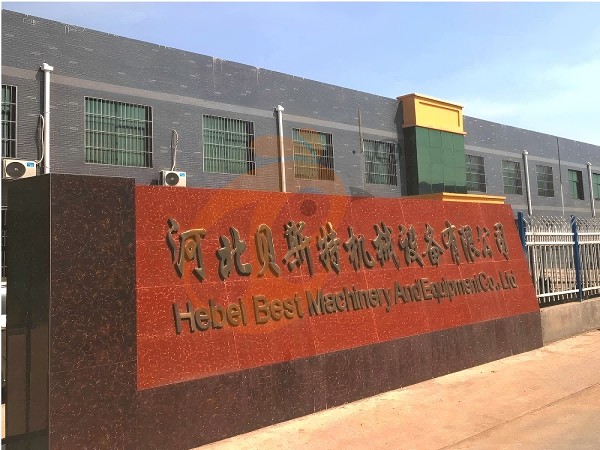
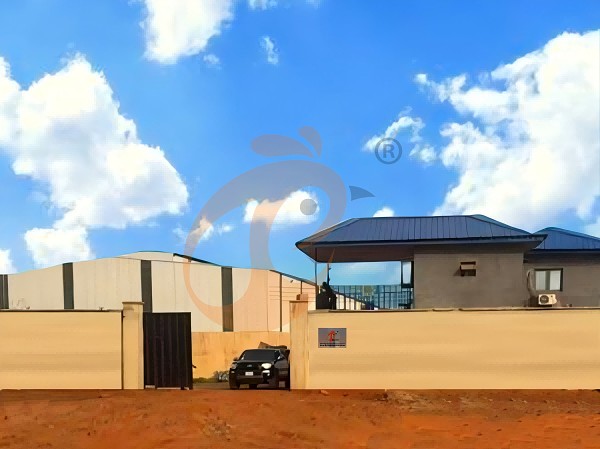
Reception /24 WhatsApp NO. : +8618830120193
PRODUCTS RECOMMENDED
 China Branch Manufacture Poultry Farm EquipmentRead More
 Ethiopia Branch Manufacture Poultry Farm EquipmentRead More
 Nigeria Branch Manufacture Poultry Farm EquipmentRead More
 Tanzania Branch Manufacture Poultry Farm EquipmentRead More
 IoT Smart Poultry FarmRead More
 >30,000 Layers Automatic H Type Battery CageRead More
 10,000 - 30,000 Layers Automatic A Type Battery CageRead More
MESSAGE
NEWS
 What Makes A Factory-Direct A Type Chicken Battery Cage More Cost-Effective? 4 ReasonsRead More
 Deep Litter System For Broilers Vs Cage | Which Is More Profitable?Read More
 Free Range Broiler System Vs Intensive Farming | Which Is More Profitable?Read More
 Broiler Floor Rearing System Cost | 6 Factors Affecting PriceRead More