

NEWS
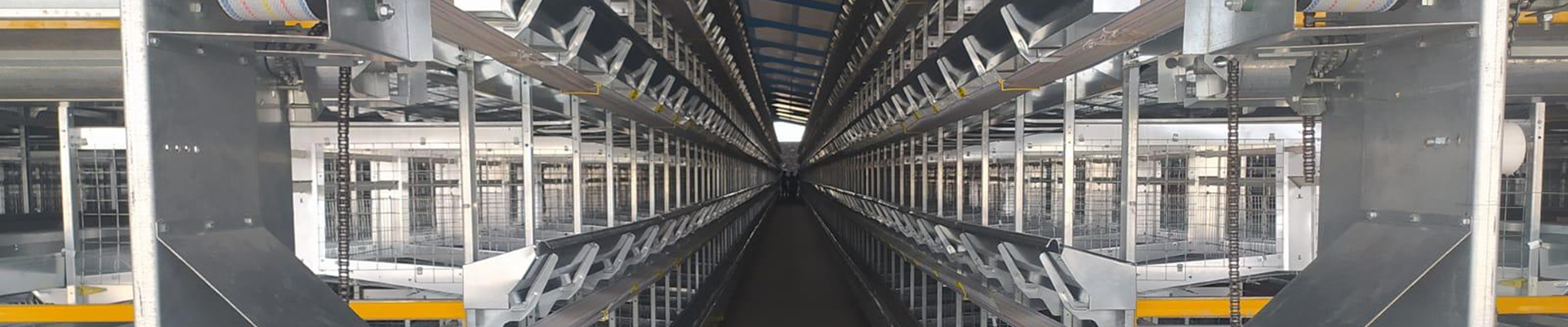
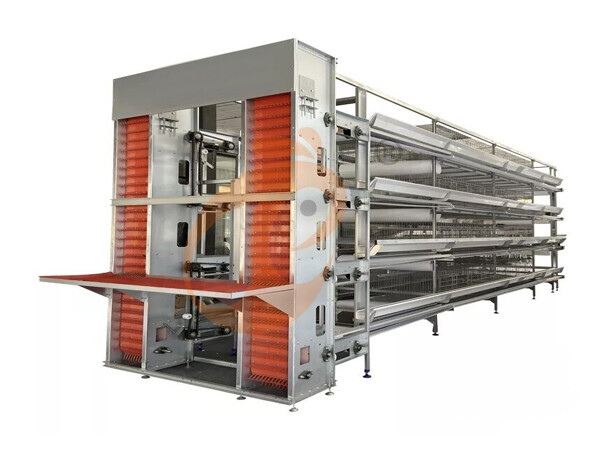
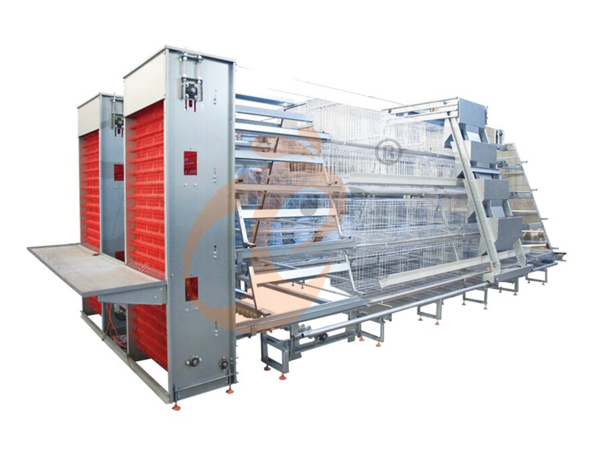
H type chicken cages deliver scalable layer housing solutions, combining modular structures, automated equipment integration, and export-oriented engineering for commercial poultry farms worldwide.
Precision matters 450 mm compartment widths and verified installation drawings support layout planning, equipment compatibility, and efficient use of available poultry house space.
Material specifications, corrosion protection, automatic feeding systems, egg collection conveyors, and manure removal equipment influence operational reliability and long-term maintenance requirements.
Export planning covers packaging dimensions, container loading, shipping documentation, supplier inspection, installation procedures, and commissioning criteria for smoother international project delivery.
Transparent quotations, ownership cost calculations, compatible poultry equipment packages, and technical supplier support help importers evaluate investment risks and build successful poultry farming projects.
Get professional poultry farm construction guidance, equipment selection solutions, and the latest price lists, whatsApp to +8618830120193, click to learn more.
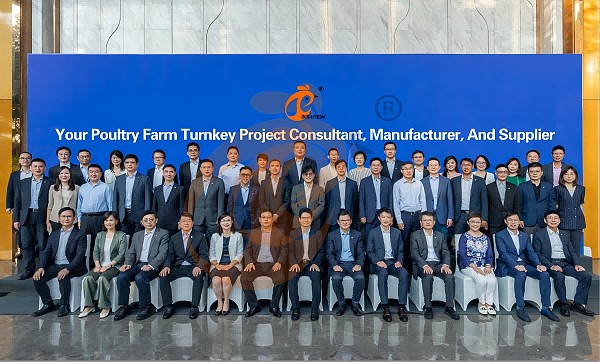
Verify Cage Dimensions And Structural Parameters
Cage geometry determines compartment layout, row configuration, service access, and compatibility with the poultry house.
H type chicken cages should be selected against approved engineering drawings, with layer cage system specifications confirmed before manufacturing begins.
Data is for reference only.Swipe horizontally to view full table.
Reference values are illustrative, not universal product specifications, and must be checked against actual drawings and destination-country regulations.
For layout planning, H type chicken cages require coordinated aisle widths, column clearances, and maintenance access.
A poultry house measuring 72 m in length and 12 m in width provides a gross floor footprint of 864 m² before deductions for service areas and structural obstructions.
Evaluate Materials And Corrosion Protection
Material specifications influence structural performance, corrosion resistance, maintenance planning, and replacement requirements.
For H type chicken cages, galvanized cage wire and appropriately protected steel components should be assessed using supplier documentation and agreed inspection procedures.
Data is for reference only.Swipe horizontally to view full table.
Specifications are examples for technical comparison and require verification against the actual product configuration.
Engineering Inspection Priorities
Material traceability request certificates identifying the supplied steel and wire specifications for H type chicken cages.
Weld inspection examine representative joints, support connections, and finished assemblies before shipment.
Surface protection obtain coating records and applicable test reports instead of relying on appearance alone.
Replacement compatibility confirm that spare components match the approved drawings and original equipment configuration.
For transport planning, engineers can calculate steel component mass using measured dimensions and material density, then estimate handling and packaging requirements for the selected poultry cage system.
Integrate Automation For Efficient Farm Operations
Automated equipment should operate as a coordinated system rather than a collection of independent components.
H type chicken cages can be configured with an automatic poultry feeding system, nipple drinking lines, manure conveyors, and an automatic egg collection system.
Data is for reference only.Swipe horizontally to view full table.
The combined motor rating assumes two motors rated at 0.4 kw each; actual equipment quantities and ratings depend on the project design.
Automation Tip Card
Feed Distribution
Confirm feeder coverage along every cage row and verify access for adjustment and maintenance.
Water Delivery
Check pressure regulation, pipe routing, nipple spacing, and water supply requirements against the selected system.
Manure Handling
Coordinate conveyor discharge points with collection areas and waste removal routes.
Egg Transportation
Align collection belts with the downstream grading, packing, and storage workflow.
For example, two motors operating for 6 hours each at a combined rated power of 0.8 kw would consume 4.8 kwh under the stated operating assumption, excluding other loads and operating variations.
Confirm Export Logistics And Documentation
Export planning should begin before production, when package dimensions, loading arrangements, shipping responsibilities, and documentation requirements can still be coordinated.
H type chicken cages should be packed according to an approved packing plan that accounts for component protection and container access.
Data is for reference only.Swipe horizontally to view full table.
Container dimensions are approximate; the package volume assumes dimensions of 1,200 x 800 x 600 mm and is not a verified package specification for any particular cage model.
Export Workflow
Inquiry And Planning
Submit poultry house drawings, project capacity, destination details, and required automation for H type chicken cages.
Technical Approval
Review assembly drawings, electrical compatibility, package plans, and the agreed equipment scope.
Production And Inspection
Confirm inspection records, product quantities, packing details, and required shipping documents.
Dispatch And Installation
Coordinate shipment release, site readiness, installation instructions, and commissioning responsibilities.
A separate shipment calculation can help estimate cargo handling requirements: 120 packages at an assumed gross mass of 25 kg each would total 3,000 kg.
Actual cargo weight, container suitability, customs documentation, and destination requirements must be confirmed for the specific order.
Compare Total Cost Of Ownership
A competitive quotation should be assessed against the complete equipment scope and projected operating expenditure.
For H type chicken cages, total ownership analysis can include equipment, freight, installation, energy consumption, maintenance, and other agreed project costs.
Data is for reference only.Swipe horizontally to view full table.
All financial figures are hypothetical budgeting examples, not product prices, performance guarantees, or a formal quotation.
European union standard reference only.
When comparing H type chicken cages, buyers should use consistent project assumptions, currency, operating periods, and equipment scopes.
For example, the illustrative equipment, freight, and installation budgets above total usd 219,000 before additional taxes, duties, or excluded services.
A project-specific quotation from a poultry equipment supplier should separate equipment prices, shipping costs, installation services, and any other contractual charges.
Select An Equipment Package For Your Farm
Different farm projects require different combinations of housing, automation, and environmental controls.
Package A: Core Housing
H type chicken cages with compatible feeding equipment.
Nipple drinking lines and required fittings.
Layout drawings and component specifications.
Suitable for: Projects requiring a defined housing and feeding package.
Package B: Integrated Automation
H type chicken cages with automatic feeding.
Drinking, manure removal, and egg collection equipment.
Coordinated conveyor interfaces and control requirements.
Suitable for: Commercial projects seeking an integrated poultry equipment configuration.
Package C: Complete Poultry House
H type chicken cages and core automation equipment.
Ventilation, cooling, and electrical controls where specified.
Project coordination for installation and commissioning.
Suitable for new poultry house developments requiring coordinated equipment procurement.
The final package should be established from building drawings, local regulations, operating objectives, and the agreed supply scope rather than a standard package name alone.
Verify Supplier Manufacturing Quality
Manufacturing checks should establish whether supplied equipment matches approved drawings and purchase specifications.
For H type chicken cages, dimensional inspection, material records, and electrical nameplate checks can provide traceable evidence for procurement decisions.
Data is for reference only.Swipe horizontally to view full table.
Recorded values are illustrative inspection examples, not verified results from a specific production batch.
Actual acceptance tolerances must be defined in the approved drawings and contract.
Supplier Review Checklist
Request manufacturing drawings and product-specific material documentation.
Agree on sampling methods and dimensional tolerances before inspection.
Check component identification and the compatibility of replacement parts.
Verify that inspection records correspond to the actual order.
A report covering 20 inspected components should record the measured results and identify any nonconforming items according to the agreed acceptance procedure.
Commission Installation And Equipment Performance
Installation quality affects equipment alignment, conveyor tracking, water delivery, and safe operation.
H type chicken cages should be commissioned against model-specific instructions, approved drawings, and documented acceptance criteria.
Data is for reference only.Swipe horizontally to view full table.
All numerical targets are illustrative commissioning examples only.
Actual operating ranges, tolerances, electrical values, and acceptance limits must be approved for the selected equipment model and site.
Commissioning Sequence
Mechanical Verification
Inspect cage alignment, fasteners, support structures, and conveyor positioning before energizing equipment.
Electrical Verification
Confirm supply characteristics, protective devices, motor connections, and control functions against the approved design.
Operational Testing
Run each equipment subsystem according to the agreed commissioning plan and record deviations.
Handover
Document accepted items, outstanding corrective actions, operating instructions, and maintenance responsibilities.
For example, if 40 required inspection items are defined and 38 pass, the calculated completion rate is 95 percent.
Final acceptance of H type chicken cages and associated poultry equipment should follow the signed commissioning criteria rather than an illustrative target.
Avoid Common Purchasing Mistakes
Risk One: Incomplete drawings
Ordering H type chicken cages without approved layouts can create conflicts with columns, aisles, and service routes.
Risk Two: Inconsistent quotations
Comparing a cage-only offer against a package containing conveyors and controls can distort procurement decisions.
Risk Three: Missing compliance checks
Cage configurations and stocking arrangements must be reviewed against applicable destination-country requirements.
Risk Four: Unplanned spare parts
Replacement components, maintenance access, and technical support should be discussed before ordering.
Risk Five: Unsupported performance claims
Egg output, feed efficiency, and operating costs depend on management, bird health, nutrition, environment, and equipment condition.
A structured purchase specification for H type chicken cages should define deliverables, materials, automation, inspection, delivery, and after-sales responsibilities before the contract is signed.
Why Choose An Integrated Poultry Equipment Supplier?
A specialized supplier can coordinate cage engineering and related equipment within a single project scope.
For H type chicken cages, coordinated procurement can simplify the interfaces between feeding, drinking, manure removal, egg collection, and electrical controls.
Buyers should assess the supplier's technical documentation, manufacturing process, project references, spare parts arrangements, and contractual service commitments.
Taiyu (HK) Group works with poultry equipment projects involving cage configurations, automation combinations, and project-specific equipment planning.
Final specifications, delivery schedules, warranties, and support services should be recorded in the signed commercial agreement.
Frequently Asked Questions
Q1: What information is needed to quote h type chicken cages?
A1: Provide poultry house drawings, planned flock capacity, destination country, automation requirements, and the preferred delivery scope.
For preliminary planning, a building footprint of 72 m by 12 m can be used as an example, subject to verification of usable space and local requirements.
Q2: Which equipment should be purchased with h type chicken cages?
A2: A project may require automatic feeding, nipple drinking, manure removal, and egg collection equipment, depending on the intended operating model.
A motor rating such as 0.4 kw is only a reference example; final ratings must match the selected machinery and electrical design.
Q3: How can importers compare export quotations accurately?
A3: Compare the same equipment scope, materials, package quantities, freight assumptions, installation responsibilities, and warranty terms.
A hypothetical freight budget of usd 24,000 can be used in a cost model, but the actual amount requires a project-specific shipping quotation.
Taiyu (HK) Group - One Of China’s Largest H Type Chicken Cage Suppliers
H type chicken cages are configured around approved drawings, specified materials, and coordinated poultry equipment interfaces for commercial layer projects.
Factory-direct supply supports coordinated production planning, technical documentation, and export packaging for international poultry equipment buyers.
Poultry equipment packages can combine cage systems, feeding lines, drinking systems, manure conveyors, and egg collection components according to the agreed scope.
Turn-key engineering coordination can cover project layout, equipment integration, installation planning, and commissioning documentation where contractually included.
Project quotations define selected specifications, quantities, shipping responsibilities, and agreed technical acceptance criteria before order confirmation.
Contact Us To Received Your Customized Poultry Farm Plan
Headquarters And Branchs

Hong Kong Headquarter Management Team
Hong Kong Headquarter Taiyu Industrial Group CO., LTD
China Hebei Best Machinery And Equipment CO., LTD
Nigeria Vanke Machinery And Equipment CO., LTD
Tanzania Best Machinery And Equipment CO., LTD
Ethiopia Best Hebei Machinery Manufacturing PLC




Reception /24 WhatsApp NO. : +8618830120193
PRODUCTS RECOMMENDED
 China Branch Manufacture Poultry Farm EquipmentRead More
 Ethiopia Branch Manufacture Poultry Farm EquipmentRead More
 Nigeria Branch Manufacture Poultry Farm EquipmentRead More
 Tanzania Branch Manufacture Poultry Farm EquipmentRead More
 IoT Smart Poultry FarmRead More
 >30,000 Layers Automatic H Type Battery CageRead More
 10,000 - 30,000 Layers Automatic A Type Battery CageRead More
MESSAGE
NEWS
 50,000 - 100,000 chickens/house: poultry farm solution, chicken cage, poultry farm equipment, AI smart managementRead More
 30,000 - 50,000 chickens/house: poultry farm solution, chicken cage, poultry farm equipment, AI smart managementRead More
 10,000 - 30,000 chickens/house: poultry farm solution, chicken cage, poultry farm equipment, AI smart managementRead More
 100 - 10,000 chickens/house: poultry farm solution, chicken cage, poultry farm equipment, AI smart managementRead More